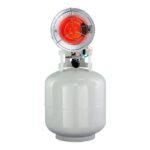
Is your Remington heater acting up when you need it the most? Whether it won’t ignite, keeps shutting off, or just won’t warm your space properly, these issues can be frustrating and leave you searching for quick solutions.
You don’t have to struggle alone or call a technician right away. In this guide, you’ll discover simple, step-by-step troubleshooting tips that you can apply yourself to get your heater back in working order fast. Keep reading to learn how to diagnose common problems, fix them safely, and enjoy the reliable warmth your Remington heater is meant to provide.
Your comfort is just a few easy steps away.

Credit: compassbank.us
Common Ignition Issues
Ignition problems are common with Remington heaters. These issues stop the heater from lighting and heating properly. Understanding common ignition faults helps fix the problem quickly. This saves time and avoids unnecessary repairs.
Several parts work together for ignition. Problems can occur in the spark system, pilot light, or fuel delivery. Each area needs checking to find the cause. Below are key points to troubleshoot these issues effectively.
No Spark Or Igniter Problems
The spark igniter creates the spark to light the fuel. If you see no spark, the igniter might be faulty or dirty. Check the igniter for cracks or corrosion. Clean the igniter gently with a wire brush if dirty. Make sure the igniter is properly aligned near the fuel source. Loose wiring or a dead battery can also stop the spark. Test all electrical connections and replace weak batteries. Replace the igniter if it shows visible damage or fails to spark after cleaning.
Pilot Light Troubleshooting
The pilot light must stay lit for the heater to work. If it goes out, check for draft or dirt blocking the flame. Clean the pilot assembly and remove any dust or debris. Inspect the thermocouple near the pilot light. A faulty thermocouple can cause the pilot to shut off. Test the thermocouple with a multimeter and replace if needed. Ensure the gas valve is open and gas flows to the pilot. Sometimes, adjusting the pilot flame size helps maintain a steady flame.
Fuel Delivery Checks
Fuel must reach the combustion chamber without interruption. Check the fuel tank for enough kerosene or propane. Inspect fuel lines for cracks, leaks, or blockages. Clean or replace clogged fuel filters to improve flow. A dirty or clogged nozzle can stop fuel delivery. Remove and clean the nozzle regularly. Verify the fuel pump works correctly by listening for its operation. Fix any loose or damaged fuel connections. Proper fuel flow ensures smooth ignition and heater operation.

Credit: cen.com.mx
Heater Shuts Off Unexpectedly
Remington heaters may shut off unexpectedly during use. This problem can cause discomfort and worry, especially on cold days. Understanding why the heater stops helps fix the issue faster and keeps the heater working safely. Several causes may trigger this shutdown, including temperature controls, air flow, or safety sensors.
High Temperature Switch Adjustment
The high temperature switch stops the heater from overheating. If this switch is too sensitive, it can turn off the heater too soon. Adjusting the switch bracket can help. Bending the bracket slightly away from the combustion chamber reduces sensitivity. This simple change can prevent false shutdowns and keep the heater running longer.
Air Pressure And Combustion Chamber
Proper air pressure is key for safe combustion. Low or high air pressure can cause the heater to shut off unexpectedly. Check the combustion chamber for blockages or dirt. Clean the area carefully to ensure good airflow. Make sure the air intake and exhaust are clear. Correct air pressure helps the heater burn fuel efficiently and stay on.
Overheating And Safety Sensors
Safety sensors monitor the heater’s temperature and other functions. Overheating triggers these sensors to shut down the heater. Dust or debris on sensors can cause false readings. Clean sensors gently with a soft cloth. If overheating happens often, check for blocked vents or poor ventilation. Maintaining sensors and airflow prevents sudden heater shutdowns.
Power And Electrical Problems
Power and electrical problems often cause Remington heaters to stop working. These issues can be simple to fix with basic checks. Many times, the heater does not turn on due to power supply or control problems. Knowing how to check these parts saves time and money. Below are easy steps to diagnose and fix common power and electrical problems.
Thermostat And Battery Checks
Start by checking the thermostat settings. Make sure it is set to a temperature higher than the room’s current temperature. Replace the thermostat batteries if the heater still won’t start. Weak or dead batteries can stop the heater from turning on. Test the batteries with a multimeter or try new ones for a quick fix. Always use the correct battery type recommended by Remington.
Circuit Breaker And Fuse Inspection
Inspect your home’s circuit breaker or fuse box next. A tripped breaker or blown fuse can cut power to the heater. Look for any switches that are off or fuses that look damaged. Reset the breaker by switching it off and on again. Replace any blown fuses with the correct rating. Check the power cord and plug for damage or loose connections before turning the heater on again.
Resetting Electric Heaters
Many Remington electric heaters have a reset button to clear minor faults. Turn off the heater and unplug it from the power source. Find the reset button, usually located near the base or back of the unit. Press and hold the button for a few seconds, then release it. Plug the heater back in and turn it on. This simple step can restore power and fix some electrical errors quickly.
Fuel System Maintenance
The fuel system is vital for your Remington heater’s smooth operation. Proper care of this system helps avoid breakdowns and keeps the heater running efficiently. Regular checks and cleaning prevent many common fuel issues.
Neglecting fuel system maintenance can cause poor performance or complete failure. Focus on key parts like fuel filters, fuel lines, and fuel storage. Each part needs attention to ensure clean fuel flow and safe heating.
Clogged Fuel Filters
Fuel filters trap dirt and debris from entering the heater. Over time, filters can become clogged and restrict fuel flow. This causes the heater to sputter or stop working.
Check the filter regularly and replace it if dirty. Use the correct filter type for your Remington heater. Clean filters improve fuel flow and prevent damage to the fuel system.
Fuel Line Blockages
Fuel lines carry fuel from the tank to the heater. Dirt, old fuel, or debris can block these lines. Blockages stop fuel from reaching the burner, causing the heater to shut off or fail to ignite.
Inspect fuel lines for cracks, leaks, or clogs. Clear blockages by flushing the lines with fresh fuel or replacing damaged sections. Keep fuel lines clean to maintain steady fuel delivery.
Proper Fuel Storage Tips
Store fuel in a cool, dry place away from sunlight and heat sources. Use clean, airtight containers to prevent contamination. Avoid using old or stale fuel as it clogs filters and lines.
Buy fresh fuel each season and use it within a few months. Proper storage keeps fuel fresh and ensures your heater runs reliably all winter.
Cleaning And Routine Care
Cleaning and routine care keep your Remington heater working well. Dirt and dust can block parts and cause problems. Regular maintenance helps prevent breakdowns and extends heater life.
Follow simple steps to clean key parts. This improves safety and heater efficiency. Check your heater often for signs of wear or dirt buildup. Clean carefully using the right tools and methods.
Combustion Chamber Cleaning
The combustion chamber collects soot and debris over time. This buildup reduces heat output and can cause unsafe conditions. Use a soft brush or vacuum to remove dirt gently. Avoid harsh chemicals that damage the chamber walls.
Clean the chamber every few weeks during heavy use. Make sure the heater is off and cool before starting. Proper cleaning helps the heater burn fuel efficiently and safely.
Igniter And Sensor Maintenance
The igniter and sensors control the heater’s start and safety. Dust and grime can stop the igniter from sparking. Wipe these parts with a dry cloth or soft brush. Check sensors for signs of damage or corrosion.
Test the igniter regularly to ensure it works well. Replace faulty sensors to keep the heater running smoothly. Clean parts improve ignition and prevent shutdowns.
Airflow And Ventilation Checks
Good airflow is vital for safe heater operation. Blocked vents or filters cause overheating and shutoffs. Inspect the air intake and exhaust vents for obstructions. Clear leaves, dust, or debris that may block airflow.
Check filters and replace them if dirty. Make sure the heater has enough space around it to breathe. Proper ventilation reduces risks and keeps the heater efficient.

Credit: tuwiazowna.pl
Troubleshooting Error Codes
Remington heaters show error codes to signal issues. These codes help identify problems fast. Understanding these codes saves time and effort. You can fix many issues yourself by reading the codes. This section explains common error codes, reset steps, and when to call a pro.
Common Error Codes Explained
Code E1 means ignition failure. The heater cannot light the fuel.
Code E2 shows a flame loss. The flame sensor may be dirty or faulty.
Code E3 signals overheating. The heater’s safety switch stops it from running.
Code E4 points to a fan error. The fan may be blocked or broken.
Knowing these codes helps you spot the problem quickly. Always check the heater manual for specific codes.
Reset Procedures
Turn off the heater and unplug it. Wait five minutes to cool down.
Press the reset button if your model has one. Hold it for three seconds.
Plug the heater back in and turn it on. See if the error disappears.
Reset clears minor faults and restarts the system. If the error stays, try cleaning parts or checking connections.
When To Call Professional Help
Call a technician if error codes repeat after reset. Persistent errors mean deeper issues.
If you smell gas or see smoke, shut off the heater immediately. Contact a professional for safety.
Do not attempt repairs on electrical parts yourself. Trained experts have the right tools and knowledge.
Regular servicing by a pro keeps your heater safe and efficient. Early help avoids costly damage later.
Frequently Asked Questions
Why Is My Remington Heater Not Igniting?
Your Remington heater may not ignite due to clogged fuel filters, faulty igniter, low fuel, or improper air pressure. Check power supply and thermostat settings. Clean or replace filters and inspect the igniter position. Ensure proper fuel flow and ventilation for safe ignition.
Why Does My Remington Heater Keep Shutting Off?
Your Remington heater may shut off due to a sensitive high-temperature switch or clogged fuel filter. Adjust the switch bracket slightly or clean the filter to fix it. Check air pressure and ensure proper ignition settings for smooth operation.
Why Has My Heater Suddenly Stopped Working?
Your heater may stop working due to thermostat issues, tripped breakers, blown fuses, faulty power supply, or damaged wiring connections. Check these components first to identify the problem quickly.
How Do I Reset An Electric Heater?
To reset an electric heater, first turn off its power supply. Locate and press the reset button until it clicks. Turn the heater back on and test its function. If it doesn’t reset, check the manual for specific instructions or call a technician.
Why Is My Remington Heater Not Igniting?
The igniter might be recessed too far from the flame sensor. Adjusting its position can help the heater ignite properly. Also, check for fuel supply and clean the ignition area.
Conclusion
Remington heater issues often have simple fixes you can try first. Check the power supply and thermostat settings carefully. Clean filters and inspect wiring for damage or loose parts. Adjust safety switches gently if the heater shuts off unexpectedly. Regular maintenance helps keep your heater working well.
Follow the user manual for detailed troubleshooting steps. Taking these actions saves time and money before calling a professional. Stay warm and comfortable by addressing problems early. Troubleshooting your Remington heater can be straightforward with patience and care.