Is your RV fridge not keeping your food cool like it should? You’re not alone.
Many RV owners face fridge troubles that can turn a fun trip into a stressful experience. But don’t worry—most RV fridge problems have simple solutions you can try yourself before calling a professional. In this guide, you’ll learn how to spot common issues like poor cooling, power glitches, or blocked vents.
You’ll also discover easy, step-by-step fixes to get your fridge back on track quickly. Keep reading to save your food, your trip, and your peace of mind with straightforward RV fridge troubleshooting tips.
Credit: roadtrippers.com
Common Issues
RV refrigerators often face common issues that affect their performance. Understanding these problems helps in quick fixes and proper maintenance. Most issues stem from basic causes that anyone can check before seeking professional help.
Regular checks prevent small problems from turning into costly repairs. Keep an eye on cooling, power, and cleanliness to ensure your fridge runs smoothly.
Cooling Inefficiency
Cooling problems are the most frequent issue. Dust, debris, or blocked vents stop air from flowing well. This reduces the fridge’s ability to stay cold. Make sure vents are clean and clear to keep cooling efficient.
Power Problems
Power issues can cause the fridge to stop working. Check fuses, circuit breakers, and wiring. Low voltage or loose connections often cause power failures. Fixing power supply problems restores fridge operation quickly.
Dirty Burner
Gas models use a burner that can get dirty over time. Cobwebs and dirt block the burner, stopping it from lighting properly. Regular cleaning of the burner keeps the fridge running on propane without issues.
Thermostat Errors
The thermostat controls fridge temperature. Faulty sensors give wrong temperature readings. This causes the fridge to cool too much or too little. Replace or calibrate the thermostat for accurate temperature control.
Cooling Unit Damage
Damage inside the cooling unit is serious. Rust, leaks, or corrosion stop the fridge from cooling. An ammonia smell or yellow powder near the burner signals refrigerant leaks. These problems usually need a professional repair or unit replacement.
Power Supply Checks
Checking the power supply is one of the first steps in RV fridge troubleshooting. Without proper power, the fridge will not work correctly or may stop working entirely. Power supply problems can cause the fridge to run poorly or not start at all. Simple checks on plugs, breakers, fuses, and wiring often solve these issues quickly.
Plug And Breaker
Start by inspecting the power plug of your RV fridge. Make sure it is fully plugged in and not loose. A loose connection can stop power flow. Check the breaker panel for any tripped breakers. Reset the breaker if you find one off. Sometimes, breakers trip due to a power surge or overload. Resetting the breaker restores power to the fridge.
Fuses And Wiring
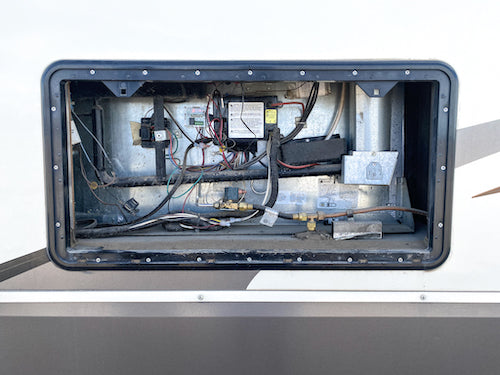
Look at the fuses on the fridge’s control board. A blown fuse stops the fridge from getting power. Replace any blown fuses with the exact type and rating. Also, examine wiring for signs of damage or wear. Frayed or loose wires can cause power interruptions or shorts. Tighten connections and replace damaged wires to ensure steady power supply.
Control Board
The control board manages the fridge’s power and functions. Check the board for any visible damage or burnt spots. Faulty control boards can prevent the fridge from starting. Sometimes, a reset or power cycle fixes minor control board issues. If problems persist, consider professional help to test or replace the control board safely.
Vent And Burner Cleaning
Keeping your RV fridge running smoothly depends a lot on clean vents and burners. Dirt and debris block airflow and reduce cooling. Gas burners get clogged and fail to ignite properly. Regular vent and burner cleaning helps avoid common fridge troubles.
Clear Exterior Vents
Check the outside vents for any dust, leaves, or nests. These block airflow and cause the fridge to overheat. Use a soft brush or vacuum to remove dirt gently. Make sure the vents are free and open for air to pass through easily.
Clean Burner Assembly
Turn off the propane and power before cleaning the burner. Remove the burner cover carefully. Use a soft brush to clear cobwebs and dirt from the burner parts. Clean the burner holes to ensure the flame burns evenly and bright. A clean burner improves ignition and heat output.
Remove Debris Inside
Open the fridge’s access panel to reach inside. Use a vacuum or brush to remove dust and small debris around the burner and vent area. Clear any spider webs or insect nests that can block gas flow. Keeping the interior clean helps the fridge work more efficiently.

Credit: www.youtube.com
Leveling The Rv
Leveling the RV is crucial for the proper operation of your RV fridge. Most RV refrigerators use absorption cooling technology. This system depends on gravity to move the cooling fluids inside. If the RV is not level, the fridge may not cool evenly or might stop cooling altogether.
An uneven RV causes the cooling fluid to pool incorrectly. This can reduce the fridge’s efficiency and damage its components over time. Leveling also helps prevent the fridge from cycling on and off too frequently. This cycle can increase energy use and wear out the fridge faster.
Check Your Rv’s Level
Use a bubble level to check the RV’s position. Place it on a flat surface near the fridge. Check both side-to-side and front-to-back angles. The ideal position is completely level or slightly tilted toward the front.
Adjusting The Rv Level
Use leveling blocks or built-in jacks to adjust the RV. Add blocks under the low wheels to raise that side. Lower the jacks on the higher side carefully. Take small steps and recheck the level after each adjustment. Avoid tilting the RV too much forward or backward.
Why Leveling Matters For Absorption Fridges
Absorption fridges rely on liquid movement inside sealed tubes. A tilted position stops this movement. This causes poor cooling or ice build-up in the fridge. A level RV keeps the fluids flowing correctly. It ensures even cooling and extends the fridge’s life.
Signs Your Rv Is Not Level Enough
The fridge may not cool well or cool unevenly. Warm spots appear inside the fridge or freezer. The fridge’s burner may cycle on and off often. You might hear unusual noises from the cooling unit. These signs suggest the RV needs better leveling.
Thermostat And Temperature
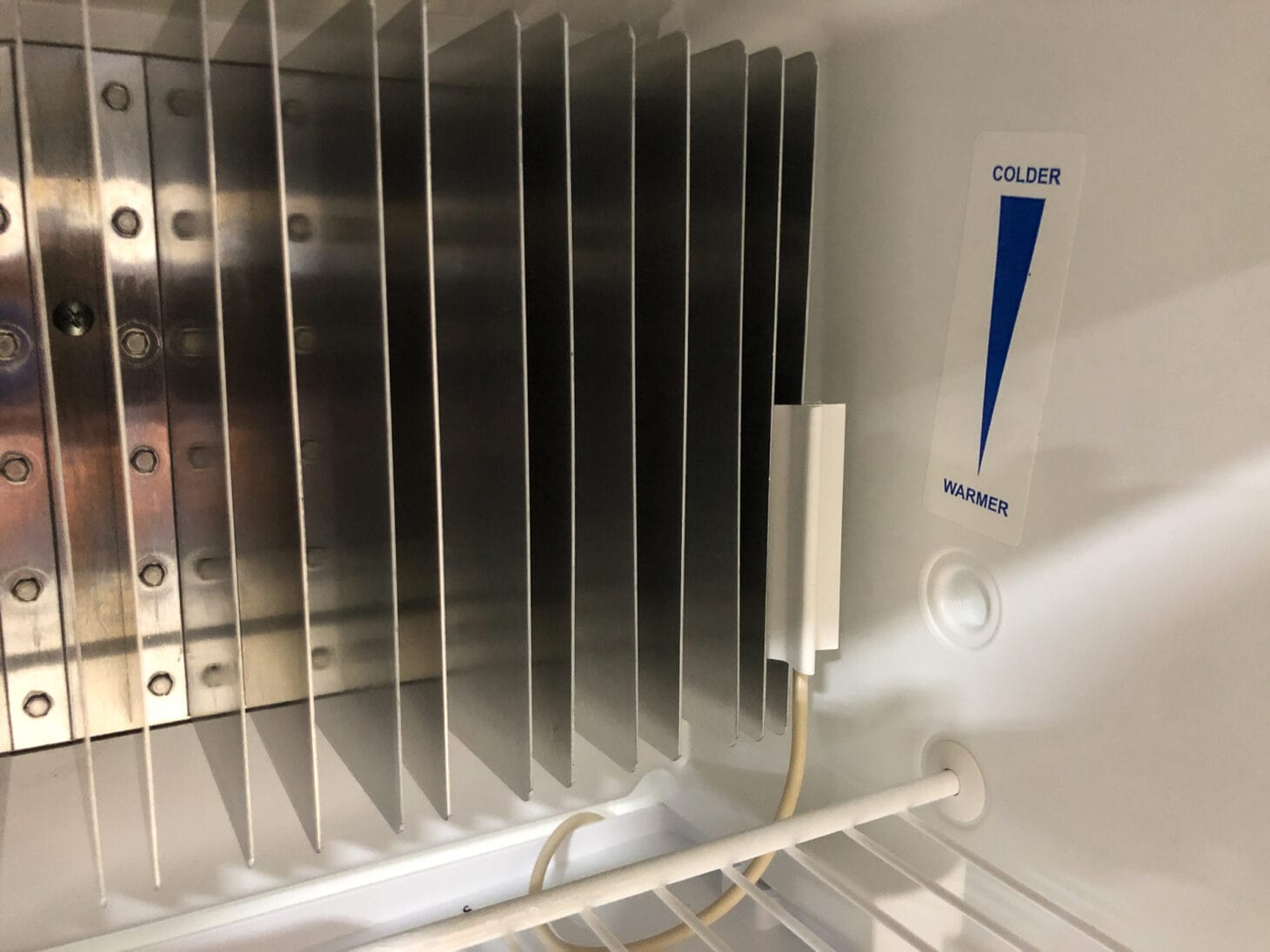
The thermostat controls the temperature inside the RV fridge. It signals the cooling system to turn on or off based on the set temperature. Proper thermostat function ensures your food stays fresh and safe. Temperature problems often stem from thermostat issues. Checking and adjusting the thermostat can solve many cooling problems.
Check Settings
Start by checking the thermostat setting. The temperature dial should be between 35°F and 40°F for optimal cooling. If it is set too high, the fridge won’t cool enough. Too low, and the fridge may freeze food. Make sure the thermostat is not turned off or stuck. Listen for clicks as the thermostat cycles. No clicks might mean a faulty thermostat. Also, check the fridge’s manual for the correct settings. Some models use numbers, others use cold, colder, coldest labels.
Adjust For Accuracy
Use a fridge thermometer to check the actual temperature inside. Compare it to the thermostat setting. If the temperature inside is off, adjust the thermostat accordingly. Turn the dial one notch at a time and wait a few hours to see the change. Avoid large jumps in settings to prevent overcooling or warming. If the temperature does not change after adjustments, the thermostat may be defective. In that case, replacing the thermostat is often necessary for proper cooling.
Credit: rvsnappad.com
Resetting The Fridge
Resetting the fridge is a simple step that can fix many common issues. Sometimes, the fridge stops working properly due to small glitches in its system. Resetting helps clear these glitches and restarts the fridge’s functions.
This process does not require special tools. Anyone can do it with a little care. It often solves problems like the fridge not cooling or showing error codes.
Locate Reset Button
First, find the reset button on your RV fridge. Usually, it is near the control panel or inside the fridge compartment. Check your fridge manual for the exact location. The reset button is small and may be hidden behind a panel.
Press the reset button gently but firmly. Hold it down for about 5 seconds. You may hear a click or see the fridge lights blink. This means the fridge is resetting.
Power Cycle Procedure
If your fridge has no reset button, try a power cycle instead. Turn off the fridge by switching off the power source. This can be the propane valve, battery switch, or electrical plug.
Leave the fridge off for about 10 minutes. This pause allows the fridge system to fully shut down and clear errors. After waiting, turn the power back on.
Check if the fridge starts cooling again. The power cycle often fixes minor electronic or control issues. Repeat the process once more if needed.
Signs Of Serious Problems
Recognizing signs of serious problems in your RV fridge helps avoid costly repairs. Early detection prevents food spoilage and safety hazards. Some issues need immediate attention to protect your RV and health.
Below are common signs that indicate major fridge problems. These signals often require professional help or part replacement.
Ammonia Smell
A strong ammonia smell near the fridge is a clear warning. It means the cooling unit is leaking refrigerant. Ammonia is toxic and can cause health problems. This leak stops the fridge from cooling properly. Avoid using the fridge until a technician fixes it.
Yellow Powder
Finding yellow or yellow-green powder around the burner or cooling area is serious. This powder is a sign of corrosion inside the cooling system. It usually appears with an ammonia smell. This damage causes refrigerant leaks and cooling failure. Immediate repair or replacement is necessary.
Persistent Cooling Failure
If your fridge keeps failing to cool despite basic fixes, it signals a deeper issue. Problems like blocked vents or dirty burners cause short-term cooling loss. But constant failure often points to cooling unit damage or electrical faults. Continued use risks food spoilage and increases repair costs.
When To Call A Professional
Knowing when to call a professional for your RV fridge saves time and prevents damage. Some issues need expert tools and skills. Avoid trying complex repairs beyond basic checks. This keeps your fridge safe and working longer.
Cooling Unit Leaks
Leaks in the cooling unit cause serious problems. A strong ammonia smell or yellow powder near the fridge signals a leak. This issue needs immediate professional attention. Attempting to fix it yourself can be dangerous and may worsen the damage.
Control Board Faults
The control board manages your fridge’s functions. If it fails, the fridge may stop working properly. Signs include no response when adjusting settings or unusual error codes. Diagnosing and fixing control board faults requires expert knowledge and tools. Call a technician to avoid electrical hazards.
Unresolved Issues
If basic troubleshooting does not fix the problem, call a professional. Problems like persistent cooling failure or strange noises need advanced diagnosis. Professionals can identify hidden faults and perform safe repairs. Early professional help prevents costly damage and keeps your fridge reliable.
Frequently Asked Questions
What Is The Most Common Problem With Rv Refrigerators?
The most common problem with RV refrigerators is inefficient cooling due to blocked vents, power issues, or dirty burners.
Is There A Reset Button On An Rv Refrigerator?
Most RV refrigerators do not have a dedicated reset button. To reset, power cycle the unit by turning it off, then on again. Some models may have a small reset switch on the control panel; check your manual for specifics.
What Is The First Thing To Check When A Refrigerator Stops Working?
Check the refrigerator’s power supply first—ensure it’s plugged in and the circuit breaker is on. Then verify the thermostat setting and clear any blocked air vents.
Why Isn’t My Fridge Working In My Rv?
Your RV fridge may not work due to blocked vents, power issues, a dirty burner, or cooling unit failure. Check power, clean vents and burner, ensure the RV is level, and inspect fuses. Call a professional if you detect ammonia smell or persistent cooling problems.
Why Is My Rv Fridge Not Cooling Properly?
Poor ventilation or blocked vents often cause cooling issues. Check and clean vents to improve airflow. Power problems or dirty burners can also reduce cooling efficiency.
Conclusion
RV fridge problems often have simple, quick fixes. Keep vents clean and check power first. Level your RV for better fridge performance. Watch for strange smells or leaks; these need experts. Small issues you can fix yourself save time and money.
Regular checks help avoid bigger fridge troubles on the road. Stay prepared and enjoy your camping trips without fridge worries. Troubleshooting your RV fridge keeps food fresh and your trip smooth.