Is your RV furnace refusing to turn on or keep the heat flowing when you need it most? You’re not alone, and the good news is many common issues can be fixed with simple troubleshooting steps you can do yourself.
Whether your furnace won’t ignite, the fan runs without heat, or it cycles on and off too quickly, understanding the root cause can save you time, money, and discomfort on the road. In this guide, you’ll discover easy-to-follow tips to identify and solve frequent RV furnace problems like ignition failures, blocked vents, and thermostat glitches.
Ready to get your RV warm and cozy again? Let’s dive into the most effective troubleshooting tricks that will have your furnace firing up in no time.

Credit: lugano.pe
Common Furnace Issues
RV furnaces keep you warm during chilly nights on the road. Understanding common furnace issues helps fix problems quickly. Many issues cause the furnace to stop working or not heat properly. Some problems are simple to fix, while others need more attention. Knowing these common faults saves time and frustration.
Ignition Failure
Ignition failure is a frequent furnace problem. The furnace tries to start but does not ignite. This issue often happens due to a dirty or faulty ignition system. Sometimes, the pilot light won’t stay lit. Checking the ignition components can solve this problem fast.
Sail Switch Problems
The sail switch monitors airflow inside the furnace. Dust, pet hair, or debris can block it. When blocked, the furnace fan runs but the burner won’t ignite. Cleaning or replacing the sail switch often restores proper function. A stuck sail switch stops the furnace from heating.
Propane Supply
Propane fuels most RV furnaces. Low propane levels or an empty tank stop the furnace from working. Check propane tanks to ensure they have enough fuel. Leaks or blocked propane lines also cause heating failure. Proper propane supply is essential for furnace operation.
Electrical Glitches
Electrical problems affect the furnace’s ability to start. Dead batteries, blown fuses, or loose wiring can interrupt power. These glitches prevent the ignition sequence or fan operation. Inspecting and fixing electrical issues helps restore furnace function quickly.
Blocked Vents
Blocked intake or exhaust vents cause furnace shutdown. Dirt, insects, or obstructions stop airflow. Poor airflow leads to overheating and safety shutdowns. Regularly clean vents to prevent blockages and maintain safe furnace operation.
Thermostat Errors
Thermostat problems can stop the furnace from turning on. Wrong settings or a low thermostat battery cause errors. Placing the thermostat near heat sources leads to false readings. Check and adjust the thermostat to ensure correct furnace control.
Quick Fixes
Quick fixes can often solve common RV furnace problems fast. These simple checks and minor adjustments help restore warmth without delay. Many issues stem from dirt, low fuel, or small electrical faults. Addressing these can get your furnace running smoothly again. Here are some easy steps to try first.
Cleaning The Sail Switch
The sail switch senses airflow to start the furnace. Dust and debris can block it. Gently clean the switch with a soft brush or compressed air. Make sure it moves freely. A clean sail switch helps the furnace ignite properly.
Checking Propane Levels
Propane fuels the furnace burner. Low propane stops ignition. Check your propane tanks for enough fuel. Replace or refill tanks if needed. Proper propane levels keep your furnace heating well.
Inspecting Electrical Components
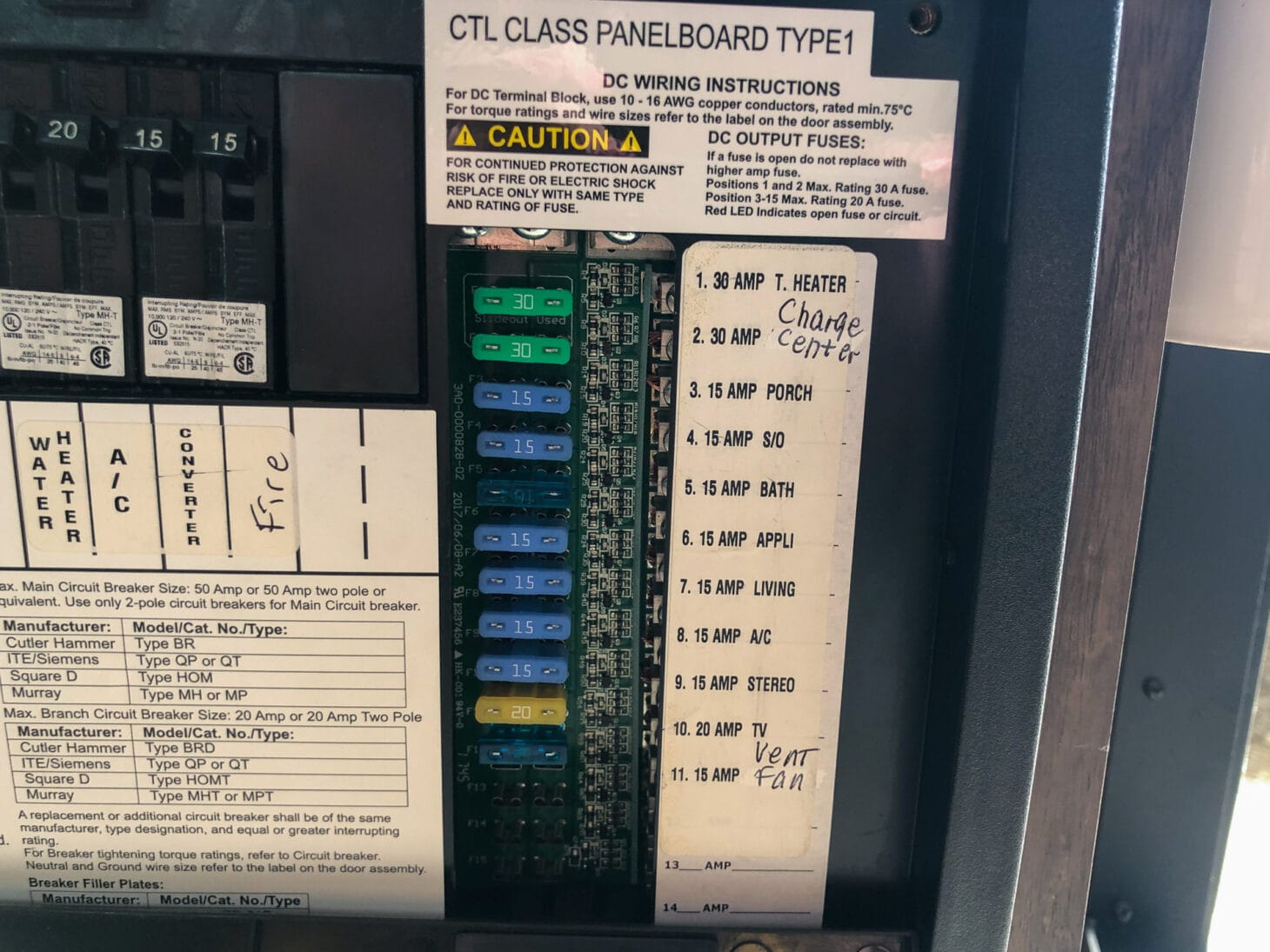
Electrical issues cause many furnace problems. Check fuses and circuit breakers first. Look for loose or corroded wires. Tighten connections and replace faulty parts. Good electrical flow ensures the furnace powers on.
Clearing Vent Obstructions
Blocked vents reduce airflow and cause shutdowns. Inspect intake and exhaust vents outside the RV. Remove leaves, dirt, or insect nests. Clear vents let the furnace breathe and work safely.
Adjusting Thermostat Settings
Incorrect thermostat settings can stop the furnace. Set the thermostat higher than room temperature. Replace old batteries if it uses them. Check for placement near heat sources. Proper settings help the furnace run at the right time.
Diagnosing Furnace Behavior
Diagnosing furnace behavior is key to keeping your RV warm and comfortable. Understanding how your furnace acts helps spot issues early. It saves time and money on repairs. This section breaks down common furnace behaviors and what they mean. Each issue has clear signs to watch for and simple steps to take. Knowing these helps you keep your furnace running smoothly during your travels.
Furnace Runs Without Heat
A furnace that runs but does not produce heat often has an ignition problem. The sail switch, which senses airflow, might be dirty or stuck. Low propane levels can also stop the furnace from lighting. Check propane tanks and vents for blockages. A faulty thermostat or dead batteries can cause the same issue. Inspect these parts carefully to find the cause.
Furnace Cycles Rapidly
Rapid cycling means the furnace turns on and off quickly. This usually points to airflow restrictions. Dirty filters or blocked vents can cause this. A bad limit switch might also trigger rapid cycling. The limit switch prevents overheating by shutting off the furnace. Clean filters and vents to improve airflow. Replace faulty switches if needed.
Weak Airflow Issues
Weak airflow reduces heat output and comfort. Clogged filters and ducts often cause this problem. Dust, pet hair, and debris build up over time. Inspect and clean air filters regularly. Check ducts for blockages or damage. A broken blower fan can also weaken airflow. Test the fan and repair or replace it if necessary.
Unusual Noises
Strange sounds from your furnace signal mechanical problems. Loose parts inside the blower fan can rattle or buzz. Debris caught in the fan blades causes grinding or scraping noises. A faulty motor might hum or whine loudly. Turn off the furnace before inspecting. Tighten screws and clear debris. Replace damaged parts to stop the noise and prevent further damage.
Power And Fuel Checks
Power and fuel are the heart of your RV furnace. Without them, the furnace won’t start or keep running. Checking these basic elements first can save time and effort. This section guides you through simple steps to verify power and fuel supply. Follow these checks to find common issues fast.
Verifying Battery And Fuses
Your RV furnace needs stable electrical power to ignite. Start by checking the battery’s charge. A weak or dead battery can stop the furnace from turning on. Use a multimeter to measure voltage; it should be around 12 volts.
Next, inspect the fuses linked to the furnace circuit. A blown fuse cuts power and halts operation. Remove the fuse and look for any breaks in the wire inside. Replace any blown fuses with the correct amperage type. Confirm all wiring connections are tight and free from corrosion.
Confirming Propane Tank Status
Propane fuels the furnace burner. Check your propane tank’s level first. Low propane means no heat. Use a gauge or lift the tank to estimate its weight. Replace or refill if the tank is near empty.
Look for any leaks or damage on the tank and regulator. A faulty regulator may block propane flow. Turn off the propane valve, then back on to reset the system. Ensure the valve is fully open during operation.
Purging Air From Propane Lines
Air trapped in propane lines can prevent ignition. Purging removes this air and restores fuel flow. Turn off the propane supply and disconnect the furnace line carefully.
Open the propane valve slowly to release any trapped air. You may hear a hissing sound as air escapes. Close the valve, reconnect the line, and open the valve fully. This step can clear blockages and help the furnace light properly.
Airflow Inspection
Airflow inspection is a key step in RV furnace troubleshooting. Proper airflow ensures the furnace heats your space efficiently. Poor airflow can cause ignition failure or the furnace to shut down. Regularly checking the airflow system helps avoid these problems and keeps your RV warm.
Examining External Vents
Start by inspecting the furnace’s external vents. Look for dirt, leaves, or debris blocking the intake and exhaust vents. These vents must be clear for air to flow freely. Make sure no objects or plants are covering the vents outside your RV.
Check the vent covers for cracks or damage. Damaged vents can allow pests or dirt inside. Clean the vents gently with a brush or cloth. Keeping vents clean improves furnace performance and safety.
Identifying Blockages
Blockages inside the airflow system cause poor heating and can trigger safety shutdowns. Check the ductwork and vent pipes for dust buildup or nests. Use a flashlight to see inside the ducts clearly. Remove any blockages carefully to restore airflow.
Inspect the furnace’s sail switch area too. Dust and debris often clog this part, preventing ignition. Cleaning or replacing the sail switch may fix the issue. Clear blockages promptly to avoid furnace damage.
Ensuring Proper Ventilation
Proper ventilation keeps the furnace running safely and efficiently. Confirm that your RV’s ventilation system has no leaks or gaps. Poor ventilation can cause overheating or unsafe gas buildup. Ensure vents allow fresh air in and exhaust gases out without obstruction.
Check the fan operation and filters regularly. Clean or replace filters to maintain good airflow. Good ventilation supports reliable furnace ignition and consistent heating during cold nights.
Listening For Clues
Hearing your RV furnace can reveal important hints about its condition. Sounds help identify what part may be failing. Pay close attention to unusual noises or silence. Each sound pattern points to a specific issue. This section covers common sound scenarios and what they mean.
Blower Runs Without Heat
When the blower runs but no heat comes out, the furnace is trying to work. This often means the burner is not lighting. A dirty sail switch or blocked vent can stop ignition. Low propane or faulty wiring may also cause this. The blower moves air but it stays cold.
No Blower Or Click Sounds
No noise at all usually means no power or a failed ignition system. Check the RV battery and fuses first. The furnace may not get electricity to start. A broken thermostat or wiring problem can cause silence. No clicks or blower sounds mean the furnace is not trying to turn on.
Blower Starts Then Stops
The blower starting then stopping signals a safety shutdown. The furnace may overheat or sense poor airflow. A clogged filter or blocked vent causes this. The limit switch cuts power to prevent damage. This pattern repeats as the furnace tries to run but stops for safety.
Thermostat Bypass Test
The thermostat bypass test helps check if your RV furnace responds without the thermostat. This test isolates the thermostat to see if it causes the furnace problem. Bypassing the thermostat lets you verify if the furnace starts heating on its own. This is a simple step to diagnose if the thermostat or the furnace itself is at fault.
Connecting Thermostat Wires
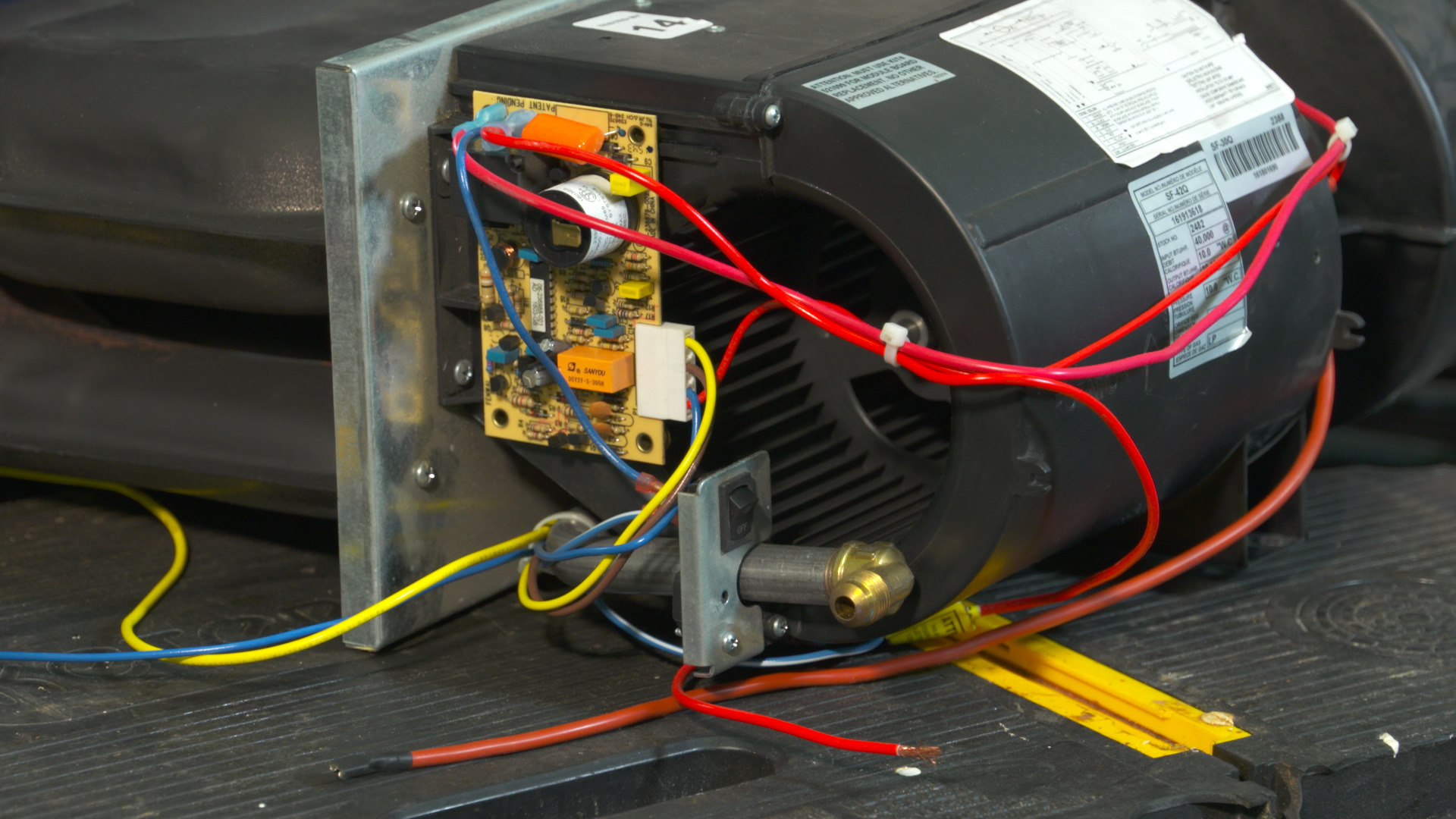
First, turn off the furnace power to stay safe. Locate the thermostat wires connected to the furnace control board. Usually, two wires control the furnace: the R (power) and W (heat) wires. Disconnect these wires from the thermostat terminals. Then, carefully twist or connect the R and W wires together. This connection sends a direct signal to the furnace to start heating. Turn the furnace power back on to test the response.
Testing Furnace Response
With the thermostat wires connected, the furnace should start running. Listen for the blower fan and watch if the furnace ignites. If the furnace turns on, the thermostat may be faulty or miswired. If the furnace does not start, the problem lies in the furnace or power supply. This test helps narrow down the issue quickly. Do not keep the wires connected for long; only test briefly to avoid damage.
When To Replace Thermostat
Replace the thermostat if the furnace works during the bypass test but not with the thermostat connected. Also, change the thermostat if it shows incorrect temperature readings or fails to respond. Old or damaged thermostats may cause heating problems in your RV. New thermostats are easy to install and improve furnace control. Regular checks prevent cold nights and ensure comfort during your travels.
Credit: www.rvrepairclub.com
Resetting The Furnace
Resetting the furnace can fix many common RV heating problems. It clears minor errors and restarts the system. This simple step often brings the furnace back to normal function without needing repairs. Follow these easy steps to reset your RV furnace safely and effectively.
Basic Thermostat Reset Steps
Start by turning off the thermostat. Wait for about five minutes. This pause lets the system cool down and reset. Then, turn the thermostat back on. Set it to a temperature higher than the current room temperature. This signals the furnace to start heating. Watch for the furnace to ignite and begin running. If it does not start, try the next step.
Restarting Ignition Sequence
Locate the furnace power switch and turn it off. Wait at least 30 seconds before turning it back on. This action resets the furnace’s control board. Next, check the propane supply to ensure it is on and has enough fuel. Press the thermostat to call for heat again. Listen for the furnace ignition sound. If the furnace still won’t ignite, inspect for other issues like blocked vents or faulty switches.
When To Call A Technician
Knowing when to call a technician is key for RV furnace troubles. Some issues need expert care to avoid damage or safety risks. If your furnace shows signs of serious failure, it is best to stop trying repairs yourself. A trained professional can quickly diagnose and fix complex problems. This saves time and protects your RV.
Gas Valve Issues
Gas valve problems can cause unsafe leaks or no heat. A faulty valve may not open or close properly. This can stop propane flow or cause gas buildup. Gas leaks are dangerous. Only a technician should handle gas valve repairs. They have the right tools and knowledge to work safely.
Igniter Problems
The igniter lights the furnace burner. If it fails, the furnace won’t start. Signs include clicking sounds with no flame or no heat. Replacing or fixing an igniter requires special parts and care. Calling a technician ensures the igniter is tested and replaced correctly. This prevents further ignition failures.
Limit Switch Failures
Limit switches stop the furnace from overheating. A broken switch may cause the furnace to shut down too soon or not at all. This can lead to unsafe operation or no heat. Testing and replacing limit switches needs technical skill. A technician can check the switch and wiring for safe repair.
Control Board Malfunctions
The control board manages furnace functions. Malfunctions cause erratic behavior or complete failure. Symptoms include random shutoffs or no response to the thermostat. Diagnosing control board issues requires special tools. A technician can repair or replace the board to restore proper function safely.
Credit: roadtrippers.com
Frequently Asked Questions
What Is The Most Common Problem With The Rv Furnace?
The most common RV furnace problem is ignition failure, often caused by a dirty sail switch, low propane, or electrical issues. Dust or debris blocks airflow, preventing the furnace from igniting or producing heat. Regular cleaning and checking propane levels help prevent this issue.
Why Won’t My Rv Furnace Kick On?
Your RV furnace may not kick on due to low propane, dead batteries, a dirty sail switch, blocked vents, or thermostat issues. Check power, fuel supply, and clear airflow obstructions. Inspect and clean the sail switch and vents to restore ignition and heating function.
How To Reset Rv Furnace?
To reset an RV furnace, turn off the power and propane supply. Wait 10 minutes, then restore power and propane. Press the reset button on the furnace control panel. Check for proper ignition and airflow. Repeat if necessary, ensuring vents and switches are clean and unobstructed.
Is There A Reset Button On My Rv Furnace?
Most RV furnaces have a reset button near the burner or control panel. Press it to restart the furnace after a shutdown. Always check the manual for your specific model’s reset instructions.
Why Won’t My Rv Furnace Ignite Or Produce Heat?
Ignition failure is common due to a dirty sail switch or low propane. Check and clean the sail switch and ensure propane tanks are full. Also, inspect vents for any blockages.
Conclusion
Troubleshooting your RV furnace need not be hard or confusing. Simple checks on power, propane, and vents solve many problems. Clean parts like the sail switch and filters often restore heat quickly. Small fixes save time and keep you warm on the road.
Stay patient and follow each step carefully for best results. Your RV furnace will be ready for your next adventure.