Is your RV generator acting up just when you need it most? Whether it won’t start, keeps shutting down, or isn’t powering your appliances properly, these problems can quickly turn your trip into a hassle.
The good news is, many generator issues are easier to fix than you think. By understanding common causes like battery troubles, fuel problems, or overloaded circuits, you can troubleshoot effectively and get your RV generator back in action fast. Stick with me, and I’ll walk you through simple steps to diagnose and solve these issues.
You’ll feel confident handling your generator’s quirks and enjoy worry-free adventures on the road. Let’s dive into the essential tips and tricks for RV generator troubleshooting that every RV owner should know!
Common Causes Of Generator Failure
Generators can fail for many reasons, often due to simple issues. Understanding common causes helps with quick fixes and better maintenance. This knowledge keeps your RV generator running smoothly and avoids unexpected breakdowns.
Battery Problems
Weak or dead batteries stop the generator from starting. Loose battery connections reduce power flow. Old batteries lose charge and need replacement. Always check battery terminals for corrosion or dirt. Clean and tighten connections regularly for reliable starts.
Fuel Issues
Contaminated or old fuel blocks engine function. Fuel filters can become clogged with dirt or debris. Running low on fuel causes the generator to stall. Use fresh fuel and replace filters as needed. Proper fuel management is essential for steady operation.
Clogged Air Filters
Dirty air filters block airflow to the engine. Poor airflow reduces power and causes overheating. Check filters often and clean or replace them. Clean air helps the engine run efficiently and lasts longer.
Overloading Effects
Using more power than the generator can handle causes damage. Overloading leads to overheating and stresses parts. Always know your generator’s limits and avoid excess load. Proper load management extends your generator’s life.
Oil Level And Quality
Low oil levels cause friction and engine wear. Dirty or old oil cannot protect engine parts well. Check oil levels often and change oil regularly. Good oil quality helps keep your generator running smoothly.
Cooling System Failures
Leaks or blockages in the cooling system cause overheating. Overheated generators shut down to prevent damage. Inspect radiators, hoses, and coolant levels regularly. Proper cooling prevents breakdowns and improves performance.

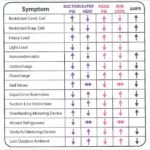
Credit: www.rvtravel.com
Signs Of Generator Trouble
Recognizing signs of generator trouble early helps avoid bigger problems. Your RV generator shows clear symptoms before failing. Spotting these signs saves time and money on repairs. This section highlights common warning signals of generator issues.
Starting Difficulties
One of the first signs is trouble starting the generator. The engine may crank slowly or not start at all. Weak batteries or fuel problems often cause this. Repeated failed attempts to start can damage the generator further.
Power Fluctuations
Power output that varies suddenly signals generator trouble. Lights dim or flicker, and appliances may turn off unexpectedly. Voltage irregularities often mean worn alternators or faulty regulators. Consistent power is essential for safe RV operation.
Unusual Noises
Strange sounds coming from the generator indicate mechanical problems. Grinding, knocking, or squealing noises point to worn parts or loose components. Ignoring these sounds risks serious engine damage and costly repairs.
Overheating Symptoms
The generator may overheat due to cooling system issues or overload. Hot surfaces or a burning smell are clear warning signs. Overheating can cause the engine to shut down or fail completely if not addressed.
Basic Reset Techniques
Basic reset techniques help fix common RV generator issues fast. These steps clear minor faults and restore normal function. They require no special tools and anyone can do them. Resetting often solves problems like power interruptions or failure to start. Follow simple actions carefully to avoid damage and ensure safety. Try these easy resets before calling for service.
Unplugging Devices
Start by disconnecting all devices from the generator. Removing the load reduces strain and helps the generator reset. Unplugging prevents sudden power surges that may cause errors. After unplugging, turn off the generator and wait a few minutes. This pause lets internal systems cool and reset fully. Then, you can try restarting the generator with no load first.
Circuit Breaker Reset
Locate the main circuit breaker on the generator panel. The breaker may have tripped due to overload or short circuit. Switch the breaker fully off, then back on to reset it. Make sure your hands are dry and the generator is off before touching breakers. This reset often clears electrical faults and restores power flow. If the breaker trips again, check for faulty wiring or devices before retrying.
Restarting With Low Load
After resetting, start the generator with only essential devices plugged in. Low load prevents overloading the system during startup. Turn on lights or small appliances one at a time to monitor stability. Gradually add more devices if the generator runs smoothly. This method avoids sudden power spikes that may cause shutdowns. Keep the load balanced and within the generator’s capacity to maintain steady output.
Credit: www.youtube.com
Advanced Reset Methods
Advanced reset methods help fix deeper issues in your RV generator. These techniques clear errors beyond simple restarts. They improve generator function and avoid costly repairs. Understanding these methods saves time and effort during troubleshooting.
Use the generator’s control panel error codes to identify problems fast. Each code points to a specific fault. Follow the code’s guidance to reset correctly. This targeted approach speeds up repairs and reduces guesswork.
Control Panel Error Codes
Control panels display error codes when the generator detects a fault. Each code represents a unique problem, like low oil or overheating. Check your generator manual for code meanings. Clear errors by following the reset steps linked to each code. This method ensures the generator restarts safely.
Onan Model Specific Reset
Onan generators often need model-specific reset steps. These vary by model and control type. Some require holding reset buttons for several seconds. Others use a sequence of power on and off cycles. Refer to the Onan user guide for precise instructions. Using the correct reset avoids damage and ensures proper operation.
Hard Reset Procedures
Hard resets restore the generator’s control system to factory defaults. This method clears persistent faults that normal resets miss. To hard reset, disconnect the battery and fuel supply. Wait a few minutes before reconnecting power. Press the reset button or switch power back on. Hard resets should be used carefully to avoid data loss.
Preventative Maintenance Tips
Preventative maintenance keeps your RV generator running smoothly. Regular care helps avoid costly repairs and unexpected breakdowns. Simple steps can extend your generator’s life and improve performance.
Regular Oil And Coolant Checks
Check oil levels before each trip. Use the right oil type for your generator. Low or dirty oil can cause engine damage. Inspect coolant levels to prevent overheating. Top up coolant as needed to keep the engine cool.
Battery Terminal Care
Clean battery terminals to ensure good connections. Corrosion blocks power flow and can stop your generator from starting. Use a wire brush to remove rust and corrosion. Tighten loose connections to maintain battery health.
Filter Cleaning
Air and fuel filters need regular cleaning or replacement. Dirty filters reduce engine efficiency and cause fuel problems. Check filters every few months or after heavy use. Clean filters improve airflow and fuel flow, preventing engine strain.
Load Management Practices
Avoid overloading your generator by limiting connected devices. Too much load causes overheating and wear. Use only essential appliances at one time. Spread out power use to keep the generator stable and efficient.
Quick Fixes For Fuel And Air Issues
Fuel and air problems often cause RV generator failures. These issues reduce power and cause rough running. Quick fixes can restore performance and save time. Focus on simple steps like replacing filters and removing bad fuel. Clean air filters let the engine breathe better. These easy actions keep your generator running smoothly on the road.
Replacing Fuel Filters
Fuel filters trap dirt and debris from the gasoline. A clogged filter restricts fuel flow and stops the generator. Swap out old filters with new ones every season. Use the right filter for your RV model. Turn off the generator and relieve fuel pressure before replacing. A clean fuel filter ensures steady fuel supply and prevents stalling.
Draining Contaminated Fuel
Old fuel can gather water and dirt in the tank. This contamination harms the engine and causes starting problems. Drain the fuel tank completely if the generator runs poorly. Dispose of bad fuel safely according to local rules. Fill the tank with fresh, clean gasoline. This clears blockages and improves engine power quickly.
Cleaning Or Changing Air Filters
Air filters stop dust from entering the engine. A dirty filter limits airflow and lowers efficiency. Check the filter regularly and clean it with compressed air or soapy water. Replace filters that are torn or too clogged to clean. Proper airflow helps the generator run cooler and last longer. Clean air filters support strong, consistent power output.
Handling Overload And Oil Problems
Handling overload and oil problems is vital for RV generator health. Overload can cause the generator to shut down or suffer damage. Oil issues may lead to engine wear and costly repairs. Knowing how to reduce electrical load and maintain oil properly keeps your generator running smoothly and extends its life.
Reducing Electrical Load
Overloading happens when the generator powers too many devices at once. This causes overheating and may trip the circuit breaker. Turn off non-essential appliances to reduce load. Use energy-efficient devices to lower power use. Check the generator’s wattage rating before plugging in multiple items. Avoid running high-wattage tools together. This practice prevents overload and keeps the generator stable.
Checking And Changing Oil
Oil keeps the engine parts lubricated and cool. Check oil level before every trip or after 8 hours of use. Use the type of oil recommended in the manual. Change oil regularly, usually every 50-100 hours of operation. Dirty or low oil can cause engine damage. Dispose of used oil properly at a recycling center. Regular oil changes improve generator efficiency and prevent breakdowns.
Monitoring Oil Pressure
Oil pressure shows how well the oil flows inside the engine. Low oil pressure can cause serious engine damage quickly. Most generators have an oil pressure gauge or warning light. Watch the gauge during operation. Stop the generator if oil pressure drops suddenly. Check for oil leaks or blockages. Fix problems before restarting to avoid costly repairs. Monitoring oil pressure protects your generator engine from harm.
Cooling System Troubleshooting
The cooling system of an RV generator plays a key role in keeping the engine at safe operating temperatures. Problems in this system can lead to overheating and cause the generator to shut down. Troubleshooting the cooling system helps find leaks, blockages, or low coolant levels that may affect performance. Regular checks can prevent costly repairs and extend the generator’s life.
Checking For Leaks
Leaks reduce coolant levels and cause overheating. Look under the generator for puddles or wet spots. Inspect hoses and connections for cracks or loose clamps. Even small leaks can affect cooling efficiency. Repair or replace damaged parts immediately to keep the system sealed.
Radiator And Fan Inspection
Check the radiator for dirt, debris, or damage. Blocked fins reduce airflow and cooling. Clean the radiator gently with compressed air or water. Ensure the cooling fan spins freely and without noise. A broken or slow fan lowers cooling capacity. Replace the fan if it does not work properly.
Coolant Level Management
Low coolant can cause overheating and engine damage. Check the coolant reservoir level before each use. Add the correct type of coolant as recommended by the manufacturer. Avoid overfilling, which can cause pressure issues. Monitor coolant condition and replace it according to the service schedule.

Credit: www.reddit.com
Frequently Asked Questions
What Is The Most Common Problem With Generators?
The most common problem with generators is poor maintenance causing dead batteries, fuel issues, clogged air filters, and overloading. Regular servicing and proper load management prevent these failures.
What Are The Common Problems With Rv Generators?
Common RV generator problems include dead batteries, fuel contamination, clogged air filters, overloading, oil issues, and cooling system failures. Regular maintenance prevents most issues.
How Do I Reset My Rv Generator?
Unplug all devices and turn off the RV generator. Locate and flip the main circuit breaker or push-button reset to ON. Restart the generator with low loads. For persistent issues, disconnect the battery and remove fuses, or follow control panel instructions to clear error codes.
Why Is My Generator Not Working In My Rv?
Your RV generator may not work due to dead batteries, old fuel, clogged air filters, oil issues, overheating, or overload. Regular maintenance and checking fuel, oil, and battery connections can prevent most problems.
What Are The Common Problems With Rv Generators?
Common issues include battery failure, fuel contamination, and clogged air filters. Overloading and low oil levels also cause breakdowns. Regular checks help avoid these problems.
Conclusion
Troubleshooting your RV generator becomes easier with simple steps. Check the battery, fuel, and air filters often. Keep oil and coolant levels in good shape. Avoid overloading to protect your generator from damage. Regular care helps the generator run smoothly and last longer.
Small fixes prevent big problems down the road. Stay patient and follow safety rules while working on your generator. This approach ensures reliable power during your travels and peace of mind on the road.