Is your RV water pump acting up just when you need it most? Whether it’s no water flow, strange noises, or the pump running nonstop, these issues can quickly turn your relaxing trip into a frustrating challenge.
But don’t worry—you’re not alone, and most RV water pump problems have simple fixes you can tackle yourself. In this guide, you’ll learn how to spot common symptoms, understand what’s causing them, and perform quick checks to get your water system back in perfect working order.
Keep reading, and you’ll be able to troubleshoot your RV water pump like a pro, saving time, money, and stress on the road.

Credit: www.youtube.com
Signs Of Pump Trouble
Knowing the signs of RV water pump trouble helps prevent bigger issues. Early detection saves time and money. Watch for unusual behavior in your water system. These signs often mean the pump needs attention or repair.
No Water Or Low Pressure
No water flow or weak pressure is a clear warning. Faucets may drip or barely trickle water. This happens even if the fresh water tank is full. It shows the pump is not pushing water properly. Blockages or worn parts often cause this problem.
Unusual Noises
Strange sounds like buzzing, rattling, or clicking are not normal. Pumps should run quietly with a smooth hum. Noises can mean loose parts or air trapped inside. It may also signal internal wear or damage. Ignoring these sounds can lead to pump failure.
Leaks Around Pump
Water leaking near the pump is a serious sign. Check for drips from fittings or the pump head. Pooled water under the pump also means a leak. Leaks cause pressure loss and pump damage. Fix leaks quickly to avoid costly repairs.
Pump Runs Continuously
A pump that never stops is a common issue. Even with faucets closed, it keeps running. This usually means the system has a leak or pressure drop. Continuous running wears out the pump motor fast. Find and fix the leak to save the pump.
Rapid Cycling Issues
The pump turns on and off quickly in short bursts. This “short cycling” shows it can’t hold pressure well. Causes include leaks, clogs, or a bad pressure switch. Rapid cycling stresses the pump and wastes power. Check the system for leaks or blockages.
Water Sputtering At Faucets
Water that sputters or spits from faucets is a warning. This happens when air mixes with water in the lines. It shows the pump struggles to keep steady pressure. Clogged or dirty filters often cause this. Clean or replace filters to fix the problem.
Common Causes
Understanding the common causes of RV water pump problems helps fix issues quickly. These causes often affect pump performance and water flow. Identifying them avoids costly repairs and downtime during your trips.
Air Trapped In Lines
Air pockets in water lines stop smooth water flow. The pump may run but deliver little or no water. Air causes sputtering faucets and uneven pressure. Bleeding the lines helps remove trapped air and restores normal flow.
Clogged Strainers And Aerators
Debris blocks strainers and faucet aerators, reducing water pressure. Dirt or sand from water sources can clog these parts. Cleaning or replacing clogged strainers and aerators improves water flow and pump efficiency.
Faulty Pressure Switch
The pressure switch controls when the pump turns on and off. A faulty switch can cause the pump to run constantly or not at all. Testing and replacing a bad pressure switch fixes pressure problems and saves power.
Worn Pump Components
Over time, pump parts wear out and lose effectiveness. Worn diaphragms, seals, or valves cause leaks and low pressure. Regular inspection and replacing worn components keep the pump working well.
Loose Fittings And Connections
Loose fittings cause water leaks and pressure drops. They may also allow air into the system, affecting pump operation. Tightening all connections prevents leaks and improves pump performance.
Basic Troubleshooting Steps
Troubleshooting an RV water pump starts with simple, clear steps. These help identify common issues quickly. Follow these basic checks to keep your water system working well.
Check Freshwater Tank Level
First, verify the freshwater tank has enough water. The pump cannot draw water if the tank is empty. Always keep the tank filled before running the pump.
Bleed Air From Lines
Air trapped in water lines can cause the pump to lose pressure or make noise. Open a faucet and let water flow until air stops. This clears the lines for smooth water flow.
Clean Inlet Strainer
The inlet strainer stops debris from entering the pump. Over time, dirt can clog it and reduce water flow. Remove and clean the strainer regularly to keep water moving freely.
Clear Aerators And Shower Heads
Mineral build-up can block aerators and shower heads. This lowers water pressure and causes sputtering. Soak or scrub these parts to remove deposits and restore flow.
Inspect For Leaks
Leaks reduce water pressure and cause the pump to run constantly. Check all hoses, fittings, and the pump itself for water leaks. Fix any leaks promptly to avoid damage.
Fixes For No Water Flow
No water flow from your RV water pump can stop your plans fast. This issue may happen due to air in the system, blockages, or broken parts. Fixing it requires clear steps to restore water flow quickly. These fixes help get your water pump working again without extra cost or tools.
Priming The Water Pump
Priming means filling the pump with water to remove air. Air pockets stop water from moving through the pump. To prime, turn off the pump and open a faucet. Pour water into the pump inlet or a priming port if available. Close the faucet and turn on the pump. This process helps push air out and allows water to flow smoothly.
Clearing Blockages
Blockages in pipes or filters reduce water flow. Check the water lines for kinks or twists. Remove filters and clean dirt or debris caught inside. Flush the water system with clean water to clear small clogs. Clear blockages restore full water pressure and improve pump function.
Replacing Faulty Parts
Broken parts like the diaphragm or pressure switch cause no water flow. Listen for unusual sounds that signal wear or damage. Inspect the pump for leaks or cracks. Replace worn-out parts with new ones from your RV parts store. Use proper tools and follow instructions for safe replacement. Fixing faulty parts brings back reliable water flow.
Resolving Pump Noise Issues
Noise from an RV water pump can be annoying and a sign of trouble. Addressing noise issues helps protect the pump and ensures smooth water flow. Common causes include loose parts, trapped air, or worn components. Fixing these problems improves pump performance and quiets the sound.
Tightening Loose Components
Loose parts cause rattling or buzzing noises. Inspect mounting screws and brackets. Use a screwdriver to tighten any loose screws. Check hose clamps and fittings for firmness. Secure all connections to reduce vibration and noise. Regularly inspecting these parts prevents further damage.
Removing Air From System
Air trapped in water lines often causes sputtering and noise. Turn on all faucets to flush the system. Let water run until air bubbles disappear. Check pump inlet filters for blockages. A clogged filter can let air in. Bleeding the system keeps water flow steady and quiet.
Replacing Worn Diaphragms
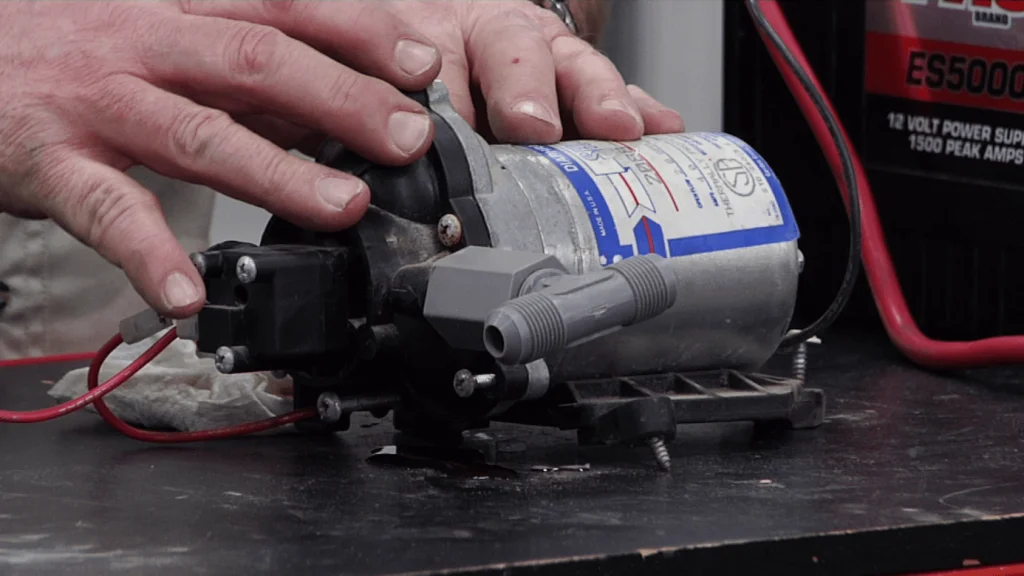
Worn diaphragms inside the pump cause buzzing and poor pressure. Over time, these rubber parts degrade or crack. Remove the pump cover to access the diaphragm. Inspect for holes or stiffness. Replace the diaphragm with a new one matching your pump model. A fresh diaphragm restores smooth operation and cuts noise.
Credit: www.vevor.com
Handling Continuous Pump Running
Continuous running of your RV water pump wastes power and may cause damage. It usually means the pump cannot build or hold pressure. This issue needs quick attention to avoid bigger problems. Several causes exist, such as hidden leaks, faulty pressure switches, or electrical faults. Troubleshooting these areas helps stop the pump from running non-stop.
Finding Hidden Leaks
Leaks often cause the pump to run continuously. Check all water lines and connections for moisture or water drops. Look under sinks, near valves, and around the water tank. Even small leaks lower system pressure and force the pump to work harder. Use a dry cloth to wipe suspected areas and watch for wet spots forming. Repair any leaks found to restore normal pump function.
Checking Pressure Switch Function
The pressure switch controls when the pump turns on and off. A faulty switch may fail to detect pressure correctly. Inspect the switch for dirt, corrosion, or loose wires. Clean contacts gently and tighten connections. Test the switch by turning on faucets and observing if the pump stops when pressure builds. Replace the switch if it does not respond properly.
Testing For Electrical Problems
Electrical issues can cause the pump motor to run nonstop. Check the pump’s power supply for loose or damaged wires. Use a multimeter to measure voltage at the pump terminals. Ensure the ground wire is secure. Inspect the pump’s internal wiring for signs of wear or shorts. Fix or replace faulty electrical parts to prevent continuous pump operation.
Dealing With Rapid Cycling
Rapid cycling in an RV water pump means it turns on and off quickly. This behavior can wear out the pump and cause water flow problems. Fixing rapid cycling involves finding and solving the root cause. Common causes include leaks, blockages, or wrong pressure settings. Each issue needs a clear check and simple fixes to keep your water pump running smoothly.
Checking For System Leaks
Leaks cause the pump to lose pressure fast. This loss forces the pump to restart repeatedly. Start by examining all pipes and connections carefully. Look for wet spots or water drips under the RV. Check the pump itself and the pressure tank for leaks. Tighten loose fittings and replace damaged hoses if found. Small leaks can cause big cycling problems.
Cleaning Or Replacing Aerators
Aerators at faucets can clog with dirt and minerals. Clogged aerators reduce water flow and increase pump effort. This strain can cause the pump to cycle rapidly. Remove aerators and clean them with vinegar or a brush. Replace any aerators that are cracked or very dirty. Clear aerators help maintain steady water pressure and prevent cycling.
Inspecting Pump Pressure Settings
Incorrect pressure settings cause the pump to switch on and off too fast. The pressure switch controls when the pump starts and stops. Check the cut-in and cut-out pressures on your pump. Adjust them according to the manufacturer’s instructions. If settings are too close, the pump cycles rapidly. Proper pressure settings keep the pump running longer and avoid wear.
When To Replace Your Pump
Knowing when to replace your RV water pump is crucial to avoid unexpected breakdowns. A pump that no longer works properly can disrupt your water supply during your trips. Early replacement helps maintain comfort and prevents damage to your RV’s plumbing system.
Regular checks can reveal if the pump is beyond repair. Signs that the pump fails often mean replacement is the best option. Choosing the right new pump and installing it correctly will ensure long-lasting performance.
Signs Of Irreparable Damage
Look for leaking water around the pump or fittings. Constant noise like rattling or buzzing shows internal wear. The pump running nonstop without stopping indicates a serious problem. Rapid cycling, where the pump switches on and off quickly, means it cannot maintain pressure. Water spitting from faucets may show air or pump damage. These symptoms usually mean the pump needs replacement.
Choosing A Replacement Pump
Select a pump that matches your RV’s water system pressure and flow needs. Check the voltage and size to fit the existing setup. Look for models with good reviews and reliable parts. A quiet pump reduces noise during operation. Consider energy-efficient pumps to save battery power. Quality and compatibility are key for a smooth replacement.
Installation Tips
Turn off the power and drain the water system before starting. Remove the old pump carefully to avoid damaging pipes. Use new fittings and seals to prevent leaks. Mount the pump securely to reduce vibration noise. Connect the wiring according to the manufacturer’s instructions. Test the system for leaks and proper pressure after installation. Proper installation extends pump life and ensures reliable water flow.
Using The Reset Button
The reset button on an RV water pump can be a simple fix for common issues. It helps restore the pump’s normal function after minor faults. Knowing how and when to use this button saves time and effort in troubleshooting. This section guides you through locating, using, and understanding the reset button’s limits.
Locating The Reset Button
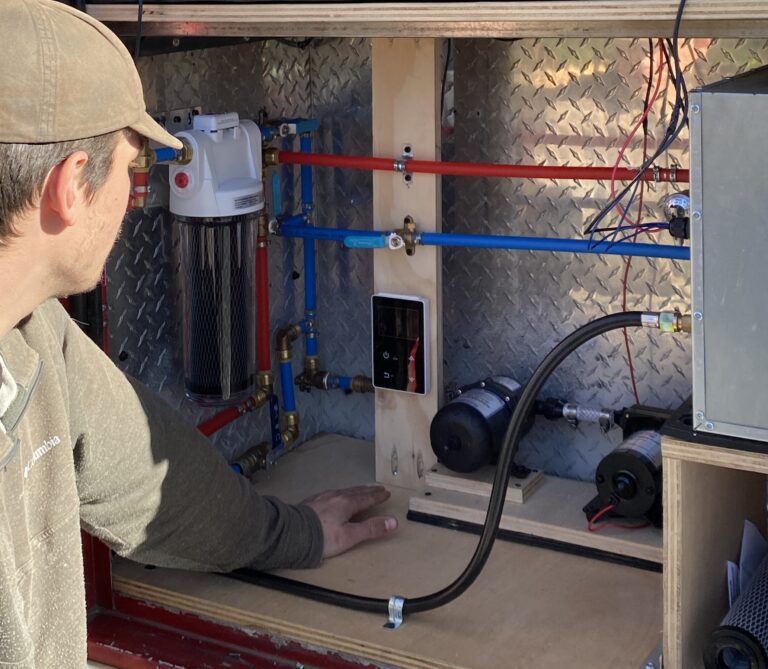
The reset button is usually on the pump’s body or nearby. Look for a small red or black button. It may be labeled “Reset” or “Reset Switch.” Sometimes, it is protected by a small cover you can lift. Check your pump’s manual for the exact spot.
When To Use Reset
Press the reset button if the pump stops working suddenly. It works well after the pump overheats or trips a safety switch. Use it if the pump runs but does not supply water. Resetting clears minor electrical faults that block operation.
Limitations Of Resetting
Resetting does not fix all problems. It won’t help with leaks or worn parts. If the pump keeps failing after reset, deeper issues exist. Problems like clogged filters or broken switches need repair. Avoid relying on the reset button for long-term fixes.
Credit: rvshare.com
Frequently Asked Questions
How To Know If An Rv Water Pump Is Bad?
Signs of a bad RV water pump include no or low water flow, loud noises, leaks, constant running, rapid cycling, and sputtering faucets. These symptoms often indicate air in lines, clogs, worn parts, or pressure switch issues. Check for leaks, clean strainers, and ensure the tank is full.
Why Is My Rv Water Pump Not Pushing Water?
Your RV water pump may not push water due to air in lines, clogged filters, empty tank, leaks, or faulty pressure switch. Check the tank, bleed air, clean strainers, inspect fittings, and ensure the pump runs properly.
Do Rv Water Pumps Have A Reset Button?
Most RV water pumps do not have a reset button. To fix issues, turn off power, check for clogs, or inspect the pressure switch.
What Is A Common Symptom Of A Failing Water Pump?
A common symptom of a failing water pump is low or no water flow from faucets. Other signs include unusual noise, leaks, or the pump running constantly.
What Causes Rv Water Pump To Run But No Water Flows?
A common cause is air trapped in the water lines or a clogged filter. Check for leaks or blockages in the system. Also, worn pump parts can stop water flow despite the pump running.
Conclusion
Troubleshooting your RV water pump helps keep water flowing smoothly. Watch for common signs like no water, noise, or leaks. Simple fixes often solve issues quickly. Regular checks prevent bigger problems on the road. Understanding causes like air in lines or clogs saves time and effort.
Stay calm, follow steps, and enjoy your RV trips with ease.