Is your Ryobi lawnmower giving you trouble right when you need it most? If it won’t start, keeps stalling, or suddenly shuts off, you’re not alone—and the fix might be simpler than you think.
Whether it’s a battery issue, a stuck blade, or a safety switch that’s not cooperating, understanding the common problems can save you time and frustration. In this guide, you’ll discover quick, easy troubleshooting tips that will get your Ryobi mower back to work fast.
Keep reading to unlock the secrets to a smooth-running mower and enjoy your yard without interruption.

Credit: www.youtube.com
Common Ryobi Mower Issues
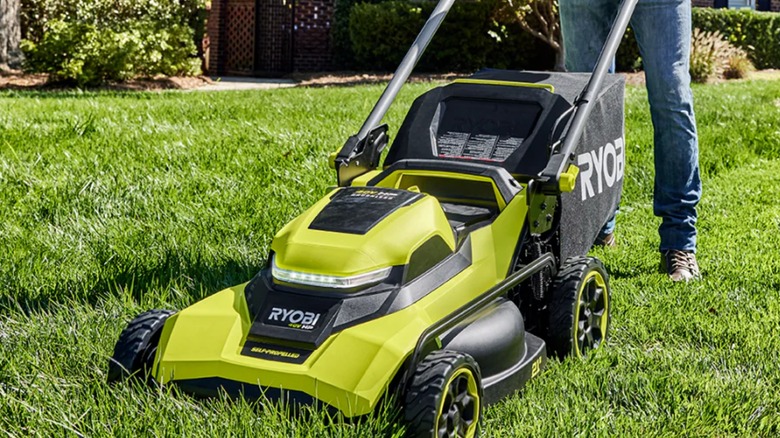
Ryobi lawnmowers are popular for their reliability and ease of use. Yet, common issues can disrupt your mowing routine. Understanding these problems helps you fix them quickly. This section covers frequent Ryobi mower problems and simple troubleshooting tips.
Won’t Start Problems
The mower may not start due to a dead battery. Check if the battery is fully charged and properly seated. The safety key must be inserted correctly. Sometimes, the bail handle switch is not fully pressed or may be faulty. Clear any debris blocking the blade. Ensure the grass bag and handles are locked in place.
Mower Cuts Out During Use
The mower might stop suddenly while cutting. This can happen if the battery runs low or loses connection. Overheating causes the motor to shut off; mow only dry grass. Check that the blade spins freely and is not jammed. The bail handle switch might fail to maintain contact during use.
Smoking And Rough Running
Smoke coming from the mower usually means the blade is dull or unbalanced. This strains the motor and causes rough running. Remove the blade and sharpen or replace it. Persistent smoke or noise may signal motor problems. In that case, professional service is needed.
Self-propel Malfunctions
The self-propel feature can stop working if parts are loose or blocked. Inspect the drive system for debris or damage. Thick, wet grass can overwork the mower and slow self-propulsion. Keep the mower clean and avoid mowing in heavy conditions. Adjust or replace any worn parts to restore function.
Credit: www.slashgear.com
Battery And Power Checks
Battery and power issues cause many Ryobi lawnmower problems. Checking these first saves time and effort. A dead or poorly connected battery stops the mower from starting or running smoothly. Simple steps can fix most battery-related troubles quickly. Follow these tips to keep your mower powered and ready.
Charging And Seating The Battery
Always charge the battery fully before use. A low battery reduces mower performance or stops it completely. Place the battery in the charger until the indicator shows full charge. Ensure the battery clicks firmly into the mower’s battery slot. Loose connections cause power loss and mower shutdown. Remove and reseat the battery if the mower acts strangely.
Cleaning Battery Contacts
Dirty or corroded contacts block power flow. Use a dry cloth to wipe the battery and mower contacts. Remove any dirt, grass, or rust buildup. For stubborn grime, gently use fine sandpaper or a soft brush. Clean contacts improve electrical connection and mower reliability. Regular contact cleaning prevents future power problems.
Resetting The Battery
Sometimes the battery needs a reset to work properly. Remove the battery from the mower and charger. Wait for at least 10 seconds before reinserting it. This action clears minor electrical glitches inside the battery. After resetting, fully charge the battery again. Resetting helps restore battery function and extends its life.
Safety Features To Inspect
Safety features are crucial to operating your Ryobi lawnmower without risk. Regular checks prevent accidents and keep the mower working properly. Inspect these features before each use to avoid unexpected shutdowns or injuries.
Inserting The Safety Key
The safety key must be fully inserted for the mower to start. This key locks the mower’s power system and prevents accidental starts. Make sure the key fits snugly and is clean. Dirt or damage can stop the mower from running.
Testing The Bail Handle Switch
The bail handle switch stops the blade when released. Hold the bail handle down to start the mower. Release it, and the blade should stop immediately. Test this switch often. A faulty switch can cause unsafe operation or mower shutdown.
Ensuring Handle And Bag Position
The handle must be locked firmly in place. A loose handle can trigger safety stops. The grass bag should be attached correctly. If the bag is missing or not secure, the mower might not run. Check these parts for proper fit before mowing.
Blade And Obstruction Issues
Blade and obstruction issues often cause Ryobi lawnmowers to perform poorly or stop working. These problems usually arise from grass buildup, debris, or dull blades. Clearing blockages and maintaining sharp, balanced blades can improve cutting efficiency and extend mower life. This section explains how to handle these common issues safely and effectively.
Clearing Grass And Debris
Grass clippings and debris can clog the mower deck, restricting blade movement. Always turn off and unplug the mower before cleaning. Use a brush or stick to remove stuck grass and dirt. Check under the deck for any twigs or stones that might block the blade. Regular cleaning prevents jams and helps the mower cut smoothly.
Sharpening And Balancing Blades
Dull blades tear grass instead of cutting it cleanly. This damages your lawn and strains the motor. Remove the blade carefully, following the user manual instructions. Use a sharpening tool to restore a sharp edge. After sharpening, balance the blade by placing it on a nail or blade balancer. A balanced blade reduces vibration and prevents uneven cuts.
Motor And Overheating Solutions
The motor is the heart of your Ryobi lawnmower. Overheating can cause serious damage and stop your mower from working. Understanding how to prevent motor strain and check key parts helps keep your mower running longer. Simple steps can fix many motor problems quickly.
Avoiding Motor Strain
Cut grass only when it is dry. Wet grass makes the motor work harder. Keep the blades sharp to reduce resistance. Dull blades force the motor to strain. Remove any debris or grass clippings stuck around the blade. Thick or tall grass can slow the motor down. Mow in smaller sections if the grass is very tall. This reduces the load on the motor. Avoid running the mower for too long without breaks. Overuse can cause overheating and damage.
Checking Motor Brushes And Wiring
Motor brushes wear out over time and need inspection. Worn brushes cause poor motor performance and overheating. Remove the motor cover carefully to access the brushes. Look for worn or damaged brushes and replace if needed. Check wiring connections for loose or corroded terminals. Loose wires create electrical resistance and heat. Secure all wiring tightly and clean any corrosion. Faulty wiring can cause motor failure or overheating. Regular checks prevent motor problems and extend mower life.
Troubleshooting Self-propel Problems
Self-propel problems can make mowing frustrating and tiring. Ryobi lawnmowers rely on the drive system to move forward smoothly. When this system fails, you must inspect and manage key parts to restore function. Troubleshooting these issues helps keep your mower running efficiently.
Inspecting Drive System Components
Start by checking the drive system parts. Look at the drive belt for cracks or looseness. A worn belt can slip and stop the mower from moving. Inspect the drive wheel gears for damage or dirt buildup. Clean any debris that blocks gear movement. Make sure the drive cable is tight and connected properly. Loose cables prevent power from reaching the wheels. Regular inspection avoids costly repairs.
Managing Thick Or Wet Grass
Thick or wet grass can cause self-propel failures. This type of grass puts extra strain on the mower’s motor and drive system. Avoid mowing when grass is wet to reduce resistance. Cut tall grass in stages, not all at once. Use the mower’s highest cutting setting for heavy grass. Clear clumps of grass from the mower deck often. This practice keeps the blades and drive system free to work.
When To Seek Professional Help
Knowing when to seek professional help for your Ryobi lawnmower saves time and prevents further damage. Some problems need expert tools and skills beyond basic troubleshooting. Ignoring serious issues can lead to costly repairs or complete mower failure.
It is best to call a professional when the mower still won’t work after simple fixes. Strange noises, smoke, or persistent stalling are signs to stop and get expert advice. Professionals provide safe, reliable repairs and can spot hidden problems early.
Using Repair Clinics And Workshops
Repair clinics and workshops offer hands-on help with mower problems. You bring your Ryobi lawnmower to skilled technicians who diagnose and fix issues fast. These sessions teach useful maintenance tips to prevent future breakdowns.
Workshops often have tools and parts not found at home. Experts can fix electrical, engine, or blade problems safely. Attending a clinic can save money by avoiding expensive replacements.
Warranty And Replacement Options
Check your Ryobi mower’s warranty before making repairs. Warranty covers defects and some parts for a set time. Using authorized service centers ensures warranty stays valid.
If repairs cost too much, consider replacement options. A new mower might be more cost-effective than constant fixes. Professionals can advise on the best choice based on mower age and condition.
Credit: www.slashgear.com
Frequently Asked Questions
What Are The Common Problems With Ryobi Lawn Mowers?
Common Ryobi lawn mower problems include failure to start, stalling, smoking, and self-propel issues. Check battery charge, safety key, blade clearance, and handle position. Faulty safety switches, corroded terminals, or dull blades also cause issues. Regular maintenance prevents most problems and ensures smooth operation.
Why Has My Ryobi Mower Stopped Working?
Your Ryobi mower may stop working due to a dead or loose battery, an uninserted safety key, or a jammed blade. Check the bail handle switch, clean terminals, and ensure handles and bag are locked. Inspect for motor issues or faulty wiring if problems persist.
Why Did My Electric Lawn Mower Suddenly Stop Working?
Your electric lawn mower may stop suddenly due to a dead battery, loose connections, a faulty safety switch, or blade obstruction. Check for overheating or motor issues too.
Where Is The Reset Button On A Ryobi Battery?
Ryobi batteries do not have a reset button. To troubleshoot, remove and reinsert the battery or charge it fully.
Why Won’t My Ryobi Lawnmower Start?
Check if the battery is fully charged and seated properly. Make sure the red safety key is inserted. Also, press the bail handle fully down.
Conclusion
Ryobi lawnmower troubles often have simple fixes. Check the battery charge and seat it well. Make sure the safety key and bail handle switch work correctly. Clear the blade area from grass and debris. Keep handles and the grass bag locked in place.
Sharp blades and dry grass help the motor run smoothly. If problems persist, seek help from repair centers or warranty services. Regular checks keep your Ryobi mower running well season after season. Small steps can save time and money on repairs.