Is your septic tank acting up and causing you stress? You’re not alone.
Many homeowners face septic system problems that can quickly turn into costly repairs if ignored. But how do you know when your septic tank is truly in trouble? And more importantly, what can you do to fix it before things get worse?
You’ll discover easy-to-spot warning signs and simple troubleshooting steps that can save you time, money, and headaches. Keep reading to learn how to protect your home and keep your septic system running smoothly.
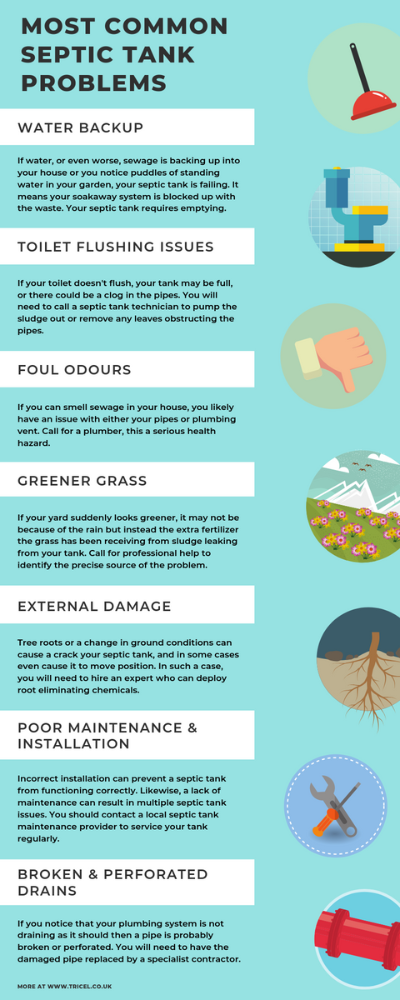
Credit: tricel.co.uk
Common Septic Issues
Septic systems often face common problems that affect their performance. Recognizing these issues early helps prevent costly repairs. Understanding typical septic troubles makes maintenance easier and extends system life.
Tank Failures
Tank failures happen when the septic tank cracks or leaks. Corrosion, ground shifting, or poor installation cause these damages. A failing tank may lead to sewage leaks and contamination. Early detection prevents harm to your property and health.
Infrequent Pumping
Not pumping the tank regularly causes sludge buildup. Excess solids block pipes and drain fields. This leads to backups and slow draining fixtures. Pumping every 3-5 years keeps the system working smoothly.
Overuse And Overloading
Using too much water overloads the septic system. Large families or heavy water use stress the tank and drain field. Overloading stops proper waste breakdown and causes backups. Reducing water use and spreading out laundry helps avoid damage.
Surface Water Infiltration
Rainwater or runoff entering the septic system causes flooding. Excess water overloads the tank and soakaway area. This stops proper drainage and causes soggy ground. Proper drainage and grading prevent water from pooling near the tank.
Effluent Filter Problems
Effluent filters block solids from leaving the tank. Dirty or clogged filters cause backups and slow drainage. Regular cleaning of filters keeps waste flowing and protects the drain field from clogging.
Vegetation And Soil Compaction
Trees and plants near the drain field cause root damage and block pipes. Heavy machinery or foot traffic compacts soil, reducing water absorption. Keeping vegetation away and avoiding soil compaction protects the system’s function.
Signs Of Trouble
Recognizing signs of septic tank trouble early can prevent costly repairs. Watch for clear signals in your home and yard. Catching problems fast helps protect your property and health.
Slow Drains And Backups
Drains that empty slowly signal a possible septic issue. Toilets, sinks, or showers may clog or back up. Wastewater might rise in your plumbing. These are early warnings of a failing system.
Foul Odors Around Property
A strong smell of rotten eggs or sewage outside is a red flag. Odors near the tank or drainfield show leaks or blockages. This indicates waste is not flowing or treating properly.
Standing Water And Soggy Spots
Wet areas or puddles over the septic tank or drainfield are signs of trouble. They mean the system is leaking or overloaded. Soil should be firm and dry, not soggy or flooded.
Unusually Lush Grass
Bright green, thick grass above the drainfield can signal leaking effluent. It stays green even in dry weather. This suggests nutrients are escaping from the septic system.
Gurgling Noises In Plumbing
Gurgling sounds when using water hint at air trapped in pipes. This can mean blockages or tank problems. Plumbing noises often warn of serious septic issues.
Pump Alarms And Alerts
Many septic systems have alarms to signal pump failure or high water levels. A flashing or loud alarm means the system needs immediate attention. Ignoring it risks backups or damage.
Environmental Indicators
Nearby wells or water bodies showing contamination can point to septic leaks. Algae blooms or cloudy water may result from untreated waste. Protect local water by fixing septic problems quickly.
Diagnosing Issues
Diagnosing septic tank issues early helps prevent costly repairs. Careful observation and simple checks reveal many common problems. This section guides you through key steps to identify septic troubles. Each step focuses on an important area around your septic system.
Inspecting Drainfield Conditions
Check the drainfield area for any wet or soggy spots. Soft or muddy ground indicates poor drainage. Look for unusually green or thick grass patches. These signs mean wastewater may not be absorbing properly.
Smell the area near the drainfield. Foul odors often come from leaks or blockages. Walk around to spot any surface water pooling. Standing water suggests the drainfield needs attention.
Checking For Water Contamination
Test nearby wells or surface water for contamination. Sewage leaks can pollute water sources. Cloudy or foul-smelling water is a red flag. Use simple water testing kits for bacteria and nitrates.
Observe if family members have unexplained stomach illnesses. This can signal septic system problems affecting water quality. Regular water checks keep your household safe.
Monitoring Algae Blooms Nearby
Look at ponds or lakes near your home for unusual algae growth. Excess nutrients from septic leaks cause algae blooms. Bright green or blue-green layers on water surfaces are warning signs.
Algae can harm fish and water plants. Notice if blooms appear more often or last longer. These patterns may link to septic system failures.
Assessing Soil And Vegetation
Examine the soil texture around the septic system. Compacted or clay-heavy soil blocks water absorption. Healthy soil should feel loose and crumbly.
Check for dying plants or bare patches near the drainfield. Poor soil conditions or leaks affect vegetation growth. Strong, green plants usually indicate a well-working system.
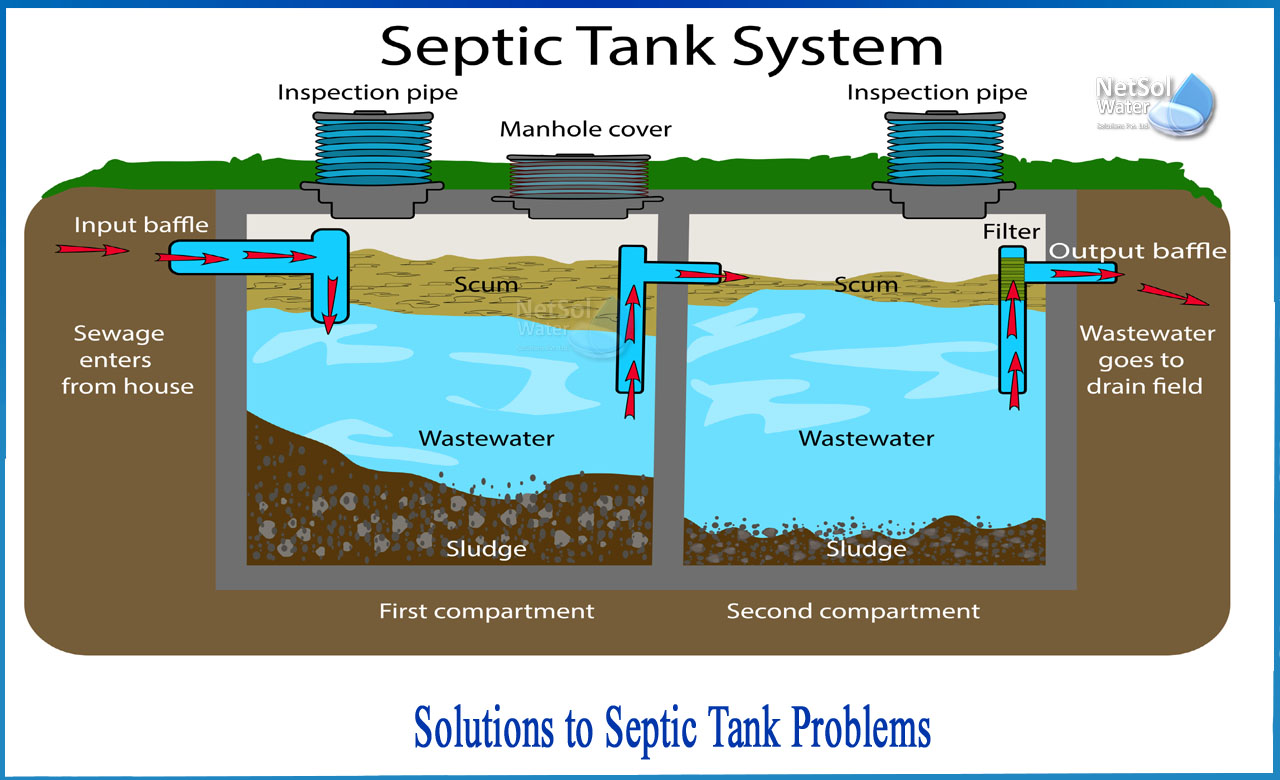
Credit: www.netsolwater.com
Quick Fixes
Quick fixes for septic tank troubles save time and prevent bigger issues. These simple steps keep your system working smoothly. Acting early stops costly repairs and home damage. Follow easy tips to clear slow drains, reduce odors, and handle alarms. Control water use to avoid overloading the tank. These fixes help maintain a healthy septic system every day.
Clearing Slow Drains
Slow drains often signal a minor blockage. Use a plunger to clear sinks and toilets. Avoid harsh chemicals; they can harm the septic system. Try baking soda and vinegar to break down buildup. Regularly clean drain traps to stop clogs. If slow drains persist, check pipes for roots or debris. Clearing slow drains early prevents backups inside your home.
Addressing Odors
Bad smells near the septic tank or yard show trouble. Pour a cup of baking soda down drains weekly. Ensure vents on the system are not blocked. Keep the lid tightly sealed to stop odors escaping. Avoid flushing grease, oils, or non-biodegradable items. Properly managing waste reduces foul smells. Persistent odors may need a professional inspection.
Removing Surface Water
Water puddles over the septic tank or drainfield cause damage. Divert rainwater away with gutters and drains. Fill low spots with soil to prevent standing water. Avoid parking vehicles or placing heavy objects on the drainfield. Surface water can saturate the soil and stop absorption. Keeping the area dry protects your septic system’s health.
Managing Pump Alarms
Pump alarms warn of system problems. Check for power outages first. Clear any debris blocking the pump or float switch. Reduce water use to avoid overloading the system. Reset the alarm following the manufacturer’s guide. If alarms continue, call a septic professional. Prompt attention prevents failures and costly repairs.
Controlling Water Usage
High water use strains the septic tank. Fix leaking faucets and toilets immediately. Spread laundry loads throughout the week. Use water-saving fixtures to reduce flow. Avoid excessive use of garbage disposals. Limiting water helps solids settle and bacteria break down waste. Balanced water use extends the life of your septic system.
Preventive Tips
Preventing septic tank problems saves money and stress. Simple care keeps the system working well. Follow easy steps to protect your septic tank and avoid costly repairs.
Regular Pumping Schedule
Empty your septic tank every three to five years. Regular pumping removes solids that block pipes and drains. This prevents backups and system failure. Set reminders to keep a steady pumping routine.
Proper Waste Disposal
Only flush human waste and toilet paper. Avoid pouring grease, chemicals, or non-biodegradable items down drains. These materials clog the tank and harm bacteria needed for breaking down waste. Use trash bins for other waste.
Avoiding Excess Water Use
Too much water overloads the septic system. Fix leaks and spread out laundry loads. Use water-saving fixtures to reduce water flow. Less water helps solids settle and prevents flooding in the drainfield.
Maintaining Surrounding Vegetation
Plant grass or shallow-rooted plants near the septic area. Avoid deep-rooted trees and shrubs that damage pipes. Keep the soil firm but not compacted. Healthy plants reduce erosion and protect the tank and drainfield.
Professional Inspections
Hire a septic professional to inspect your system yearly. They check for leaks, blockages, and mechanical issues. Early detection stops problems before they grow. Trust experts to keep your septic tank safe and efficient.

Credit: ruralhometech.com
When To Call Experts
Knowing when to call septic tank experts can save you time and money. Some problems require professional skills and tools. Acting quickly prevents damage to your home and yard. Here are clear signs that show it is time to get expert help.
Severe Backups And Blockages
Severe backups happen when wastewater flows back into your home. Toilets, sinks, and showers may drain very slowly or stop. Wastewater or sludge may appear in drains or toilets. These blockages need immediate expert attention. Trying to fix severe backups yourself can cause more damage.
Persistent Odors Or Water Issues
Foul odors near your septic tank or yard signal problems. A strong sewage smell shows the system is not working right. Standing water or soggy spots over the tank or drainfield are also warning signs. These issues mean your septic system needs inspection by a professional.
Pump System Failures
Some septic systems use pumps to move wastewater. A pump failure stops the system from working properly. You may hear alarms or notice water not draining. Experts have the tools to test and repair pump systems. Do not ignore pump problems or they will worsen.
Signs Of System Contamination
System contamination affects nearby wells or water bodies. Bright green grass growing faster over the drainfield shows a leak. Algal blooms in ponds or lakes near your property can be a sign too. Contamination is a serious health risk. Call professionals to inspect and fix the system immediately.
Frequently Asked Questions
What Are The Most Common Problems With Septic Tanks?
Common septic tank problems include sewage backups, slow drains, foul odors, standing water, and overly green grass near the drainfield. Overuse, infrequent pumping, and soil issues often cause these problems.
How To Diagnose Septic Tank Problems?
Check for slow drains, sewage backups, foul odors, soggy ground, and unusually green grass near the septic area. Listen for gurgling sounds and watch for pump alarms. Test nearby water for contamination. These signs indicate septic tank problems needing prompt professional inspection.
What Are Some Of The Signs That A Septic Tank Is Not Working Properly?
Signs of a failing septic tank include sewage backups, slow drains, foul odors, soggy ground, lush grass, gurgling sounds, pump alarms, and water contamination.
How Do I Know If My Drain Field Is Clogged?
Signs of a clogged drain field include slow drains, sewage backups, foul odors, standing water, and unusually green, lush grass over the area.
What Are Common Septic Tank Problems To Watch For?
Common problems include sewage backups, slow drains, foul odors, and soggy ground near the tank. These signs show the system may be clogged or damaged. Early detection helps avoid costly repairs.
Conclusion
Septic tank problems can cause serious issues at home and outside. Watch for slow drains, bad smells, or wet spots near your tank. Bright green grass or strange noises also signal trouble. Fixing problems early saves money and avoids damage.
Regular checks and pumping keep your system working well. Always call a professional if signs of failure appear. Taking care of your septic tank helps protect your property and the environment. Stay alert and act quickly to avoid costly repairs.