Is your sliding door giving you trouble? Maybe it sticks, won’t close right, or makes annoying noises every time you use it.
You’re not alone—sliding doors often face common problems like dirty tracks, worn rollers, or misaligned frames. But don’t worry, most of these issues can be fixed quickly with a few simple steps. In this guide, you’ll discover easy, practical tips to troubleshoot and repair your sliding door so it glides smoothly again.
Keep reading to learn how to save time, avoid costly repairs, and enjoy hassle-free sliding doors once more!
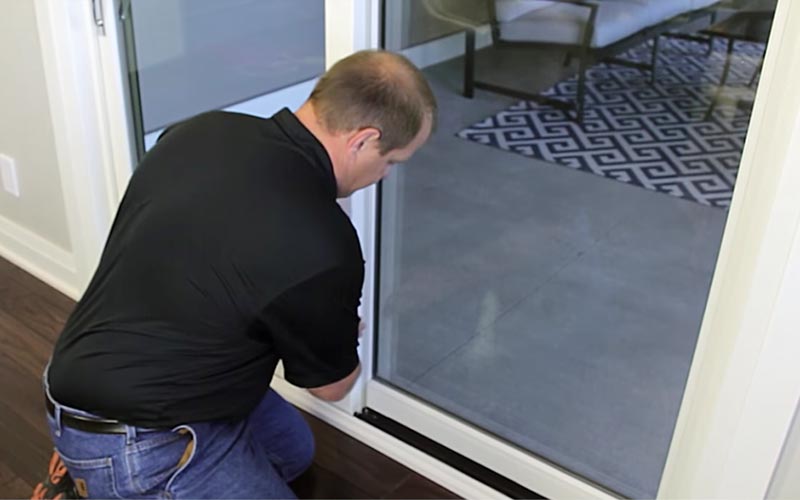
Credit: www.windsorwindows.com
Common Sliding Door Issues
Sliding doors often face a range of common issues that affect their performance and security. These problems can cause frustration and reduce the door’s lifespan. Understanding these issues helps with quick fixes and proper maintenance. Below are the most frequent sliding door problems homeowners encounter.
Sticking And Hard-to-slide Doors
Sliding doors can stick or become difficult to slide. Dirt, dust, pet hair, and debris often clog the track and rollers. Worn or damaged rollers also cause resistance. Cleaning the track and using a silicone-based lubricant on rollers and tracks usually solves this issue.
Misalignment And Off-track Problems
Doors may become misaligned or come off their tracks over time. Bent tracks, worn rollers, or shifting frames cause this problem. Adjusting the rollers with screws and carefully straightening bent tracks can restore smooth operation and proper alignment.
Locking Malfunctions
Locking issues reduce security and cause inconvenience. Misaligned locks, dirt inside the mechanism, or broken parts are common causes. Cleaning locks with graphite lubricant, adjusting the lock or strike plate, or replacing broken locks can fix these problems.
Drafts And Leaks
Drafts and leaks make the indoors uncomfortable and increase energy costs. Worn or damaged weatherstripping and gaps in the door frame allow air and water to enter. Inspecting and replacing weatherstripping or sealing gaps helps prevent drafts and leaks.
Noisy And Rattling Doors
Sliding doors can produce noise or rattle during use. Loose rollers, worn parts, or gaps between the door and frame cause this noise. Tightening hardware and lubricating moving parts often reduce or stop the rattling sounds.
Damaged Handles And Hardware
Handles and other hardware may break or become loose over time. This affects door functionality and safety. Replacing damaged handles and tightening loose screws restores proper function and improves door security.
Bent Or Broken Tracks
Bent or broken tracks stop doors from sliding smoothly. Heavy impact or long-term wear causes track damage. Straightening minor bends or replacing broken tracks is necessary to ensure smooth sliding and prevent further damage.

Credit: www.dummies.com
Quick Fixes For Sticky Doors
Sticky sliding doors can disrupt your daily routine and cause frustration. Quick fixes can often solve these issues without expensive repairs. Simple steps like cleaning and lubricating help the door slide smoothly again. These easy actions save time and keep your door working well.
Cleaning Tracks And Rollers
Tracks and rollers collect dirt and grime over time. This buildup stops the door from sliding easily. Use a vacuum or brush to remove dust and dirt. Clean the tracks thoroughly to clear any blockages. Wiping rollers with a damp cloth removes sticky residue. Regular cleaning prevents sticky sliding doors.
Applying Lubricants
Lubricants reduce friction on moving parts. Use a silicone-based lubricant for best results. Avoid oil-based lubricants as they attract more dirt. Spray lubricant on the tracks and rollers sparingly. Move the door back and forth to spread lubricant evenly. This helps the door glide smoothly and quietly.
Removing Debris And Dust
Small debris often hides inside door grooves and corners. Check the entire sliding path for leaves, hair, or small stones. Use a soft brush or cloth to clear these spots. Removing debris stops the door from getting stuck. Keep the area clean to maintain smooth operation.
Adjusting Door Alignment
Adjusting the alignment of a sliding door is key to smooth operation and proper closure. Over time, doors can sag or shift due to use, weather, or worn parts. Proper alignment prevents sticking, rattling, and security issues. This section guides you through simple steps to correct door positioning.
Leveling The Door With Roller Screws
Most sliding doors have roller screws at the bottom. These screws control the door’s height and level. Use a screwdriver to turn the roller screws. Turn clockwise to raise the door and counterclockwise to lower it. Adjust both sides evenly for balance. Check the door’s movement after each turn. The door should glide smoothly without rubbing the frame.
Do not force the screws if they resist. Clean any dirt or rust around the rollers first. Proper leveling reduces wear and keeps the door secure.
Straightening Bent Tracks
Bent or damaged tracks cause doors to jam or jump off. Inspect the track closely for dents or bends. Use pliers or a flat tool to gently bend the track back into shape. Work slowly and carefully to avoid breaking the track. After straightening, clean the track thoroughly to remove debris.
Lubricate the track with a silicone-based spray. This helps the door slide with less effort. A smooth track improves the door’s alignment and prolongs its life.
Resolving Lock Issues
Lock issues can make your sliding door frustrating and unsafe. These problems often stop the door from locking properly or make it hard to secure.
Simple steps can help fix these lock troubles. Regular care keeps locks working smoothly and protects your home.
Cleaning Lock Mechanisms
Dirt and dust build up inside lock parts. This buildup blocks smooth locking and unlocking. Use a soft brush to remove grime gently. Spray graphite lubricant inside the lock for smooth action. Avoid oil-based lubricants as they attract more dirt.
Adjusting Locks And Strike Plates
Locks may not line up with strike plates correctly. Misalignment causes the door to stay unlocked. Check if the lock bolt fits well into the strike plate. Loosen screws on the strike plate and move it slightly. Tighten screws once the lock fits snugly. Test the lock several times to confirm proper alignment.
Replacing Faulty Locks
Old or damaged locks might need replacement. Signs include broken parts or locks that never stay shut. Choose a lock designed for sliding doors. Remove the old lock by unscrewing it carefully. Install the new lock following the manufacturer’s guide. Check the new lock works smoothly before finishing the job.
Sealing Drafts And Gaps
Drafts and gaps around sliding doors cause energy loss and discomfort. Sealing these areas improves home insulation and reduces utility bills. Small gaps let cold air in during winter and hot air in summer. Proper sealing keeps your home cozy and quiet.
Inspecting Weatherstripping
Check the weatherstripping along the door edges carefully. Look for cracks, tears, or missing sections. Weatherstripping protects against air leaks and water intrusion. Clean the strips before inspecting to see damage clearly. Replace weatherstripping that feels hard or brittle. Good weatherstripping seals the door tightly when closed.
Replacing Worn Seals
Old seals lose their flexibility and do not seal well. Remove the worn seal from the door frame gently. Measure the old seal to buy the correct size replacement. Press the new seal firmly into place along the door edges. Test the door closure to ensure no gaps remain. Proper seals block drafts and keep insects out.
Sealing Frame Gaps
Gaps can appear between the door frame and wall or floor. Use caulk or foam sealant to fill these openings. Clean the area before applying sealant for better adhesion. Apply sealant evenly and smooth it with a tool or finger. Allow sealant to dry fully before using the door. Sealed frame gaps improve energy efficiency and comfort.
Fixing Noisy And Rattling Doors
Sliding doors that make noise or rattle disrupt peace and signal a maintenance need. Such sounds often come from loose parts or worn components. Quieting these doors improves comfort and extends their lifespan. The following steps help fix noisy and rattling sliding doors with simple checks and adjustments.
Tightening Loose Hardware
Loose screws and bolts cause most rattling noises. Use a screwdriver to check all fasteners on the door and frame. Tighten any that feel loose, especially on handles, locks, and rollers. Secure hardware stops vibrations and prevents parts from moving freely.
Lubricating Moving Parts
Friction between metal or plastic parts creates noise during door movement. Apply a silicone-based lubricant to rollers, tracks, and hinges. Avoid oil-based lubricants as they attract dirt. Lubrication smooths operation and cuts down on squeaks and rattles.
Checking Track Condition
Tracks often collect dirt, debris, or get bent, causing noise and door misalignment. Clean the track thoroughly using a vacuum or brush. Look for dents or bends and carefully straighten them if possible. A clean and even track helps the door slide quietly and smoothly.
Replacing Damaged Components
Replacing damaged components is a key step in fixing sliding doors. It restores smooth operation and improves security. Many sliding door issues come from worn or broken parts. Replacing these parts can prevent bigger problems and save money. This section covers how to swap out handles, latches, and rollers.
Swapping Out Handles And Latches
Handles and latches wear out over time. A loose handle or faulty latch can cause the door to stick or not lock properly. Start by removing the screws holding the old handle or latch. Keep the screws safe if the new parts match.
Buy replacement handles and latches that fit your door model. Align the new handle or latch on the door and secure it with screws. Test the door to make sure it opens, closes, and locks smoothly. Tighten any loose screws as needed.
Changing Worn Rollers
Rollers let the door glide along the track. Worn rollers make sliding hard and noisy. To replace them, lift the door off the track carefully. Support the door so it does not fall.
Unscrew the old rollers from the door bottom. Note the roller size and style before buying new ones. Attach the new rollers with screws, ensuring they spin freely. Lower the door back onto the track and check its movement. Adjust roller height with screws for proper alignment.
Handling Bent Or Damaged Tracks
Bent or damaged tracks cause sliding doors to stick or jump off the path. Tracks guide the door smoothly. Damage creates resistance and misalignment. Fixing the tracks can restore smooth sliding and extend door life.
Small bends can be repaired at home with simple tools. Severe damage needs track replacement. Proper handling prevents further problems and improves door function.
Using Pliers To Straighten Tracks
Start by cleaning the track thoroughly. Remove dirt and debris with a brush or vacuum. Identify bent areas along the track. Use needle-nose pliers to gently bend them back.
Work slowly and apply small pressure. Avoid forcing the metal too much. Check the track often by sliding the door. Repeat until the door moves smoothly again.
Cleaning and lubricating after straightening helps prevent rust and sticking. Use a silicone-based lubricant on the track and rollers.
When To Replace Tracks
Replace tracks if damage is severe or metal is cracked. Deep dents or rust weaken the track’s strength. Tracks that cause frequent door jams need replacement.
New tracks restore alignment and smooth operation. Measure the old track carefully before buying a replacement. Professional help may be needed for heavy or complex doors.
Regular inspection helps spot damage early. Fix or replace tracks to keep sliding doors working well and safe.
Resetting Sliding Doors
Resetting sliding doors restores smooth operation and fixes common issues fast. Doors can become stuck or unresponsive due to power interruptions or mechanical faults. Resetting clears these problems by recalibrating the door’s position and controls. Both manual and automatic sliding doors have unique reset methods to follow. Proper resetting can save time and avoid costly repairs.
Manual Door Reset Techniques
Manual sliding doors often get stuck from dirt or misalignment. Begin by cleaning the tracks thoroughly. Remove debris with a brush or vacuum. Next, check the rollers for damage or wear. Adjust the rollers using screws near the door’s base to level the door. Lift the door slightly and slide it back and forth to reset its position. Test the door several times to ensure smooth movement. Lubricate the rollers and track with silicone spray for easier sliding. Avoid oil-based lubricants as they attract dust. If the door still sticks, realign the frame carefully by loosening screws and adjusting placement.
Resetting Automatic Sliding Doors
Automatic sliding doors use sensors and motors that may need resetting after power loss. Locate the door’s control panel or reset button. Press and hold the reset button for 5 to 10 seconds until you hear a beep or see a light flash. This action restarts the door’s system and clears errors. If no reset button exists, turn off the power supply for 30 seconds, then turn it back on. Observe the door as it runs a self-test and repositions itself. Check sensor alignment and clean sensor lenses to prevent future faults. Contact a professional if the door fails to reset or moves erratically. Regular maintenance prevents many automatic door issues and extends lifespan.
Maintenance Tips For Smooth Operation
Maintaining sliding doors regularly ensures they work smoothly and last longer. Proper care prevents common issues like sticking, misalignment, and noise. Small efforts keep your door running effortlessly every day.
Regular Cleaning Schedule
Clean sliding door tracks often to remove dirt and debris. Use a vacuum or brush to clear dust from the track. Dirt buildup causes the door to stick or become hard to slide. Wipe the door’s frame and glass to keep it looking fresh. Regular cleaning prevents damage and improves door performance.
Lubrication Best Practices
Apply lubricant to the rollers and track for smooth movement. Use a silicone-based lubricant, not oil, to avoid attracting dust. Lubricate every few months or after cleaning the tracks. Avoid over-lubricating as it can cause buildup and more problems. Proper lubrication reduces friction and makes sliding easier.
Periodic Hardware Checks
Check the door’s rollers, locks, and handles regularly for wear or damage. Tighten loose screws and replace broken parts immediately. Inspect the track for bends or dents that affect sliding. Adjust rollers with the screws to keep the door level. Routine hardware checks prevent bigger problems and improve safety.

Credit: www.ronniesglassanddoorrepair.com
Frequently Asked Questions
What Are Common Sliding Door Problems?
Common sliding door problems include sticking due to dirty tracks, misalignment, faulty locks, drafts from worn weatherstripping, and damaged hardware. Dirt buildup, worn rollers, and loose parts often cause these issues. Regular cleaning, lubrication, and adjustments usually fix them effectively.
How To Troubleshoot Sliding Doors?
Clean tracks and rollers of debris. Lubricate with silicone spray. Adjust rollers using screws to align the door. Tighten loose hardware. Replace damaged parts or weatherstripping to fix drafts and locking issues.
How Do I Reset A Sliding Door?
To reset a sliding door, clean and lubricate tracks and rollers. Adjust rollers using screws to realign the door. For automatic doors, reset the power supply.
How To Fix A Sliding Door That Is Not Closing Properly?
Clean the track and rollers thoroughly. Adjust roller height using screws to align the door. Lubricate moving parts with silicone spray. Replace damaged rollers or bent tracks if needed. Ensure the lock and weatherstripping work properly for a secure, smooth close.
Why Is My Sliding Door Hard To Open Or Close?
Dirt and debris often clog the door track and rollers. Clean the track with a brush or vacuum, then lubricate with silicone spray.
Conclusion
Sliding door problems can disrupt your daily routine. Regular cleaning and simple fixes help keep doors sliding smoothly. Adjust rollers and tracks to prevent misalignment issues. Replace worn parts to improve security and seal drafts. Timely maintenance extends door life and saves money.
Small efforts make sliding doors work like new again. Keep these tips handy for quick troubleshooting anytime.