Is your smoke detector chirping nonstop or refusing to reset? You’re not alone, and it’s more common than you think.
When your smoke alarm starts acting up, it can be confusing and even frustrating—especially when you rely on it to keep your home safe. But don’t worry, troubleshooting your smoke detector doesn’t have to be complicated. In this guide, you’ll discover simple, step-by-step solutions to silence those annoying beeps, fix common issues, and ensure your device works perfectly when you need it most.
Keep reading to take control of your home safety and stop that irritating noise for good.
Chirping Causes
Smoke detectors often chirp to warn about issues needing quick attention. The chirping sound can be annoying but serves as a safety alert. Knowing the common causes helps fix problems fast and keep your home safe.
Low Battery Signals
Most chirping comes from low batteries. Smoke detectors use batteries to stay powered. As batteries run low, the unit chirps to warn you. Replace the battery immediately to stop the noise. Use fresh batteries for better performance. Some models have backup batteries that need changing too.
Dust And Debris
Dust and debris can block smoke sensors. This causes false chirps or alarms. Smoke detectors need clean sensors to work well. Use a vacuum or soft brush to clean the unit gently. Regular cleaning stops dust buildup and false alerts. Keep detectors away from dusty or dirty areas.
Electrical Issues
Hardwired smoke detectors connect to your home’s power. Electrical problems can cause chirping sounds. Loose wires or power interruptions may trigger alarms. Check the wiring and connections for damage. Sometimes, a power surge affects the detector. Call an electrician if you suspect wiring issues.
Sensor Malfunctions
Smoke detectors rely on sensors to detect smoke. Sensors can fail or wear out over time. A malfunctioning sensor may cause continuous chirping. Replace the unit if cleaning and battery changes do not help. Test your smoke detector regularly to ensure it works. Sensors have a limited lifespan and need replacement after several years.
Quick Battery Fixes
Smoke detectors often beep or chirp due to battery issues. Quick battery fixes can solve many common problems fast. These simple steps help keep your smoke detector working properly and protect your home.
Replacing Backup Battery
Most smoke detectors have a backup battery. It powers the alarm if the main power fails. Open the detector’s cover carefully. Remove the old battery and replace it with a fresh one. Use the battery type recommended by the manufacturer. Close the cover securely. This often stops the chirping sound immediately.
Resetting After Battery Change
Some models need a reset after battery replacement. Press and hold the test button for 15-20 seconds. You may hear a beep or see a flash. This resets the internal system. It clears any error signals caused by the low battery. Your smoke detector should return to normal operation.
Power Cycling Hardwired Units
Hardwired smoke detectors connect to your home’s electricity. They also have backup batteries. Turn off the power at the breaker box before working on the unit. Remove the detector from its base. Take out the backup battery. Wait about 30 seconds. Reinstall the battery and detector. Turn the power back on. This power cycle often fixes false alarms or constant chirping.
Cleaning Tips
Keeping your smoke detector clean helps it work properly and avoid false alarms. Dust and dirt can block sensors and cause problems. Regular cleaning keeps the device sensitive to smoke and safe for your home.
Vacuuming Sensors
Use a vacuum with a soft brush attachment to clean the smoke detector. Gently remove dust from vents and sensors. Avoid pressing hard or damaging the unit. Vacuuming removes buildup that can cause false alarms or sensor errors.
Removing Insects And Cobwebs
Insects and webs can block smoke from reaching sensors. Check inside and around the detector for bugs or spider webs. Use a soft brush or compressed air to clear them out. Keeping the detector free of insects helps it detect smoke quickly.
Avoiding Chemical Irritants
Do not use strong cleaners or sprays near the smoke detector. Chemicals can damage sensors or cause false alarms. Clean only with a dry or slightly damp cloth. Avoid paint, aerosols, or solvents near the device to keep it working well.

Credit: kbelectricpa.com
Checking Alarm Age
Checking the age of your smoke detector is a key step in troubleshooting. Smoke alarms lose their effectiveness over time. An old alarm might not detect smoke quickly, putting your safety at risk. Knowing the age helps decide if the unit still works well or needs replacement.
Smoke Detector Expiration
Smoke detectors usually expire after 10 years from the date of manufacture. The expiration date is often printed on the back of the unit. Over time, sensors wear out and may fail to detect smoke properly. Using an expired alarm can give a false sense of security. It is important to check this date regularly.
When To Replace The Unit
Replace your smoke detector if it is older than 10 years. Also, replace it if it frequently chirps even after battery changes. Physical damage or repeated malfunctions are signs to get a new unit. New smoke detectors are more reliable and have better technology. Keeping an updated alarm system protects your home and family.
Interconnected Alarm Issues
Interconnected smoke alarms improve home safety by linking multiple units. When one alarm detects smoke, all alarms sound together. This feature alerts everyone in the house, even far from the smoke source. Troubles arise if the alarms start to beep or fail to sync properly. Understanding these issues helps keep your system reliable and your home safe.
Identifying The Trigger Unit
In an interconnected system, one alarm triggers all others. Find the original alarm causing the alert. Look for the unit with a flashing light or continuous beep. This alarm often has a low battery or a fault. Checking this unit first saves time and effort. Replace the battery or clean the sensor as needed.
Synchronizing Battery Changes
Replace batteries in all alarms at the same time. Different battery levels cause false alarms or beeping. Use fresh, compatible batteries for each unit. After changing batteries, test each alarm to confirm proper function. Keep a schedule for battery replacement to avoid issues. This practice prevents alarms from losing sync.
Resetting Multiple Alarms
Resetting alarms can fix many connection problems. Turn off power at the circuit breaker before starting. Remove each alarm from its mounting bracket. Take out the batteries and press the test button for 15 seconds. Reinstall batteries and attach alarms to the base. Turn power back on and test alarms. This reset clears errors and restores synchronization.
Environmental Triggers
Smoke detectors can sometimes react to environmental triggers. These triggers cause false alarms or frequent chirping. Understanding these triggers helps keep your detector working properly. It also prevents unnecessary noise and stress.
Humidity And Steam Effects
High humidity or steam can confuse smoke detectors. Steam from showers or cooking often triggers false alarms. Moisture particles look like smoke to the detector’s sensor. This causes it to send an alert even when no fire exists. To reduce this, place detectors away from bathrooms and kitchens. Use exhaust fans to lower steam and humidity levels.
Location Considerations
Where you install a smoke detector matters a lot. Avoid placing detectors near windows or doors that open to the outside. Wind drafts can carry dust or insects inside, setting off alarms. Also, avoid areas with heavy dust or dirt buildup. These can block the sensor and cause false alerts. Choose central locations with good air flow but low interference.
Nearby Appliances And Vents
Some appliances and vents cause smoke detectors to beep unexpectedly. Heating systems, fireplaces, and gas stoves release small amounts of smoke or fumes. Air vents can blow dust or particles toward the detector. Keep detectors at least 10 feet away from these appliances and vents. This distance helps reduce false alarms and improves detector accuracy.
Wiring And Installation
Wiring and installation are key to a smoke detector’s proper function. Faulty wiring can cause false alarms or silence the unit. Correct installation ensures the detector covers the right area. It also helps the device respond quickly to smoke or fire. Many problems stem from loose connections or incompatible units. Checking these can save time and effort in troubleshooting.
Loose Connection Checks
Loose wires often cause smoke detectors to fail or beep. Turn off the power before inspecting connections. Look for wires that are not firmly attached. Ensure all terminals are secure and free of corrosion. Gently push wires back into place if loose. Tighten screws holding the wires carefully. Reconnect power and test the detector for proper operation.
Compatibility Of Units
Not all smoke detectors work well together. Mixing brands or old and new units can cause errors. Use detectors designed to link or interconnect with each other. Check the manufacturer’s instructions for compatibility. Replacing all units with the same model can improve performance. This helps the system communicate and sound alarms properly.
When To Call A Professional
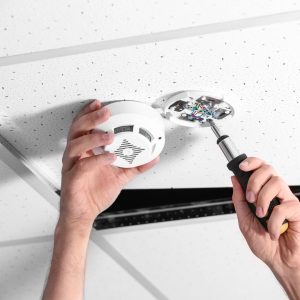
Some wiring issues require expert help. Call an electrician if you find damaged wires or burnt smells. Avoid working on electrical systems if unsure. Professionals can safely inspect and fix complex problems. They ensure the smoke detector meets local codes and standards. This protects your home and family from fire risks.
Credit: homesmiles.com
False Alarm Prevention
False alarms from smoke detectors can be frustrating and disruptive. They cause unnecessary panic and can lead to ignoring real dangers. Preventing false alarms helps keep your home safe and peace intact. Simple steps can reduce these false triggers effectively.
Avoiding Chemical Fumes
Chemical fumes from cleaning products can set off smoke detectors. Avoid spraying aerosols or harsh cleaners near the alarm. Use mild, unscented products in well-ventilated areas. Paint fumes or gasoline vapors also cause false alarms. Keep these substances away from the detector’s range.
Proper Placement Strategies
Place smoke detectors in the right spots to reduce false alarms. Avoid kitchens and bathrooms where steam or cooking smoke is common. Install detectors at least 10 feet from cooking appliances. Do not place alarms near windows or vents where drafts can interfere. Follow manufacturer guidelines for ideal locations.
Routine Maintenance Schedule
Regular cleaning prevents dust and debris buildup inside detectors. Dust can trigger false alarms or cause chirping sounds. Use a vacuum or soft brush to clean the sensor area monthly. Test alarms once a month to ensure proper function. Replace batteries every six months to avoid low battery alerts.
Credit: www.mistersparky.com
Frequently Asked Questions
How Do I Stop A Hardwired Smoke Detector From Beeping?
Stop a hardwired smoke detector from beeping by replacing its backup battery and cleaning dust inside. Reset the unit by turning off power, removing the alarm, then reinstalling it. Check interconnected alarms and call an electrician if beeping continues.
What Is The Common Problem Which Causes Smoke Detectors To Malfunction?
The most common cause of smoke detector malfunction is low or dead backup batteries. Dust, dirt, and insects also block sensors, triggering false alarms. Regular cleaning and battery replacement ensure proper function and prevent unnecessary chirping or failure.
Why Are My Hardwired Smoke Detectors Going Off For No Reason?
Hardwired smoke detectors may go off due to low backup batteries, dust buildup, electrical issues, or humidity. Clean sensors and replace batteries regularly. Check for wiring problems or faulty units if alarms persist.
How To Fix A Malfunctioning Smoke Alarm?
Replace the battery and clean dust from the sensor with a vacuum or brush. Reset the alarm by disconnecting power briefly. Check all interconnected units. If it still malfunctions, call a professional electrician to inspect wiring or replace the unit.
Why Is My Smoke Detector Beeping Intermittently?
A beeping smoke detector usually means a low battery or dust buildup. Clean the unit and replace the battery to stop the noise.
Conclusion
Troubleshooting smoke detectors keeps your home safe and sound. Regular checks prevent false alarms and ensure proper function. Replace batteries and clean detectors often to avoid beeping. Remember to test all alarms, especially interconnected ones. Persistent issues may need professional inspection or replacement.
Stay alert and maintain your smoke detectors for peace of mind. Safety starts with simple steps you can handle today.