Is your solar panel system not performing as well as it should? You rely on clean, efficient solar energy to power your home or business, so when things go wrong, it can be frustrating and costly.
But don’t worry—troubleshooting your solar panels doesn’t have to be complicated. In this guide, you’ll learn simple, practical steps to identify and fix common problems that might be holding your system back. From dirty panels and loose connections to inverter errors and unexpected power drops, you’ll discover how to spot issues early and keep your solar setup running smoothly.
Stick with me, and you’ll soon feel confident managing your solar energy system like a pro.
Credit: sistinesolar.com
Common Solar Panel Issues
Solar panels face several common issues that affect their performance. Understanding these problems helps maintain your system’s efficiency. Regular checks can prevent costly repairs and energy loss. Below are some typical solar panel problems and how they impact your system.
Hot Spots And Overheating
Hot spots occur when part of a solar panel gets too hot. This happens if some cells are shaded or damaged. Overheating lowers energy output and can damage the panel permanently. It also shortens the panel’s life. Detecting hot spots early prevents bigger problems.
Wiring And Connection Problems
Loose or damaged wires disrupt electricity flow. Bad connections cause power loss and can be a fire risk. Corroded terminals or broken cables need quick repair. Regular inspection of wiring ensures safe and smooth operation.
Inverter Errors
The inverter converts solar power to usable electricity. Errors in the inverter stop energy conversion. Common issues include overheating, software glitches, or hardware failure. Monitoring inverter status helps catch problems early and keeps power flowing.
Shading And Dirt Impact
Shade from trees or buildings blocks sunlight and reduces output. Dirt, dust, and debris cover panels and lower efficiency. Cleaning panels and trimming nearby branches improve energy production. Even small shade or dirt patches can cause big losses.
Quick Visual Checks
Quick visual checks help spot common solar panel issues fast. These checks save time and prevent bigger problems. A simple look can reveal dirt, damage, or shading that lowers power output. Regular inspections keep panels working efficiently.
Cleaning Panels
Dirty panels block sunlight and reduce energy. Dust, leaves, and bird droppings build up over time. Clean panels with water and a soft cloth or sponge. Avoid harsh chemicals that may damage the surface. Clean panels produce more electricity and last longer.
Inspecting For Physical Damage
Cracks, chips, or broken glass harm panel performance. Check for loose wiring or corrosion near connectors. Small damage can cause hot spots and reduce power. Replace or repair damaged parts quickly to avoid bigger issues. Safety first: always turn off the system before inspecting.
Checking For Shading
Shade blocks sunlight and lowers panel output. Look for trees, buildings, or debris casting shadows. Even small shaded areas can cause big power loss. Trim nearby branches or remove obstacles if possible. Position panels to avoid future shading during the day.
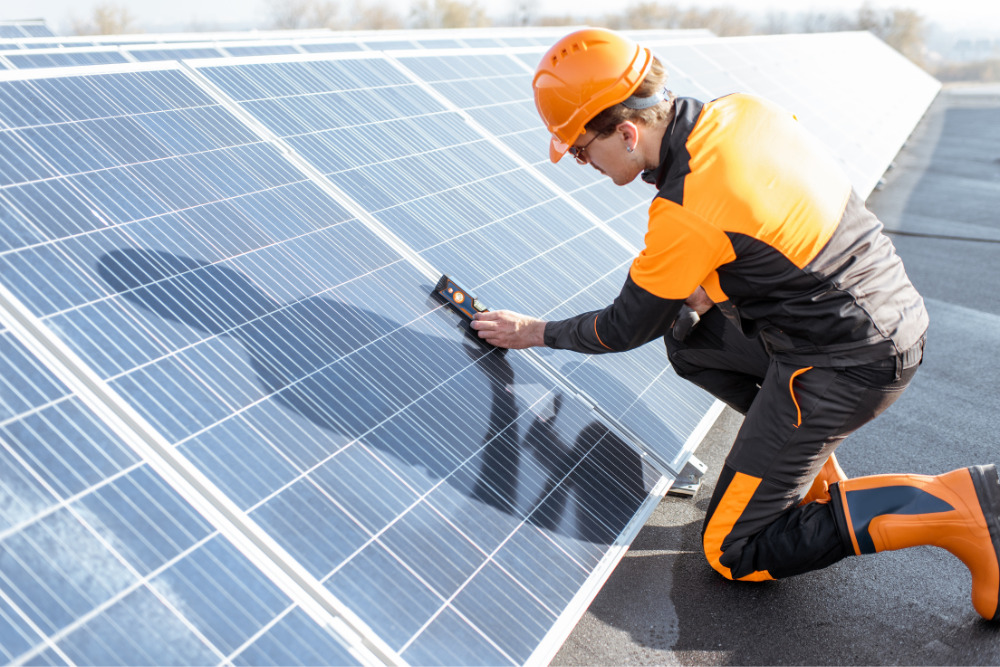
Using A Multimeter
Using a multimeter is a key step in troubleshooting solar panels. It helps check electrical values and find faults. This tool measures voltage, current, and resistance quickly and accurately. Anyone with basic skills can use it to keep a solar system running well.
Below are important ways to use a multimeter for solar panel troubleshooting.
Measuring Voltage And Current
Start by measuring the panel’s voltage. Set the multimeter to DC voltage. Connect the probes to the panel’s positive and negative terminals. A good panel shows voltage near its rated value in sunlight.
Next, measure the current. Switch the multimeter to DC current mode. Connect the meter in series with the panel’s output wire. The current should match the panel’s specifications under sunlight. Low current means a problem with the panel or wiring.
Comparing With Specifications
Every solar panel has a label with voltage and current ratings. Compare your measurements with these values. Significant differences indicate issues. A lower voltage or current can mean shading, dirt, or panel damage. This comparison helps find if the panel works as expected or needs repair.
Detecting Ground Faults
Ground faults occur when wiring touches the metal frame or earth. They cause power loss and safety risks. Use the multimeter in resistance mode to detect ground faults. Turn off the system first. Measure resistance between the panel’s positive or negative terminals and the frame or ground.
Low resistance shows a ground fault. It means electricity leaks to the ground. This needs fixing to avoid damage and keep the system safe.

Credit: arka360.com
Inverter Troubleshooting
The inverter is a key part of any solar panel system. It changes the sun’s energy into electricity for your home. Problems with the inverter can stop your system from working well. Troubleshooting your inverter helps keep your solar system running smoothly and saves money on repairs.
Inverter issues often show up as error codes or unusual behavior. Understanding these signs is the first step to fixing the problem. Simple actions like resetting the inverter or checking the breaker switches often restore normal function. Here are some practical steps to troubleshoot your inverter.
Reading Error Codes
Your inverter has a screen or app that shows error codes. These codes tell you what is wrong. Write down the code exactly as shown. Use the inverter manual or manufacturer’s website to find the meaning. Common codes include overvoltage, overheating, or grid faults. Knowing the error helps you decide the next step. Do not ignore error codes; they protect your system from damage.
Resetting The Inverter
Resetting the inverter can clear minor faults. Turn off the inverter by pressing the power button or unplugging it. Wait for one to two minutes. Turn the inverter back on and watch the display. Many errors disappear after a reset. If the error returns, note the code and check again. Never reset the inverter too often; persistent errors need professional help.
Breaker Switch Procedures
The breaker switch controls power to the inverter. Switch it off before working on the inverter. To reset the breaker, flip it fully to the OFF position. Wait a few seconds, then flip it back to ON. This can fix power supply issues. If the breaker keeps tripping, it may signal a wiring problem or overload. Call a technician to inspect the system safely.
Charge Controller And Battery Checks
Charge controllers and batteries are key parts of solar systems. They control energy flow and store power for use. Checking these parts helps find and fix problems fast. This keeps your solar setup running well and lasting longer.
Testing Charge Controllers
Charge controllers regulate the battery charging process. Use a multimeter to check voltage output. Compare readings with the controller’s specifications. Watch for error lights or unusual sounds. These signs often point to faults or failures.
Inspecting Battery Health
Batteries store the solar energy for night or cloudy days. Look for corrosion on terminals and loose connections. Measure voltage with a voltmeter; low voltage means a weak battery. Check battery fluid levels if applicable. Replace batteries showing swelling or leaking.
Rebooting Components
Rebooting resets the system and clears minor faults. Turn off the charge controller and disconnect batteries safely. Wait a few minutes before powering on again. This simple step can restore normal function and improve performance.
Preventive Maintenance Tips
Preventive maintenance is key to keeping solar panels efficient and long-lasting. Small actions taken regularly can avoid costly repairs and downtime. These tips help your solar system work better every day.
Regular Cleaning Schedule
Dust, dirt, and bird droppings block sunlight from reaching panels. Clean panels with water and a soft brush every few months. Avoid harsh chemicals that can damage the surface. Clean panels produce more energy and last longer.
Trimming Nearby Trees
Trees can shade panels and reduce their power output. Trim branches that grow close to or over the solar array. Keep enough space for sunlight to reach the panels all day. This also prevents leaves and debris from falling on the panels.
Securing Mounting Hardware
Strong winds and weather can loosen mounting bolts and brackets. Check the hardware regularly to ensure all parts are tight and secure. Loose mounts may cause panels to shift or get damaged. Properly secured panels stay safe and perform well.
When To Call A Professional
Solar panels usually work without problems for years. Some issues are easy to fix alone. Others need a professional’s help. Knowing when to call an expert saves time and money. It also keeps you safe. Below are signs that show it is time to ask for professional help.
Complex Electrical Issues
Solar panels connect to many electrical parts. Troubles with wiring, inverters, or breakers can be hard to find. Professionals have tools and knowledge to test these safely. Avoid guessing or trying complex repairs yourself. Wrong steps can cause damage or injury. Experts can fix complicated electrical problems correctly and quickly.
Persistent Performance Drops
Solar panels may lose power over time. Small drops can happen due to weather or dirt. But if output falls a lot and does not improve after cleaning, call a pro. Persistent drops can mean hidden damage or faults. Professionals can diagnose and fix issues to restore full power. Don’t wait; long problems reduce your energy savings.
Safety Concerns
Working with solar panels involves electricity and heights. Broken panels or loose wires can cause shocks or fires. If you see sparks, burning smells, or damaged parts, stop and call a professional right away. Safety comes first. Trained experts follow rules and use gear to work safely. Protect your home and family by hiring a pro for risky jobs.

Credit: www.youtube.com
Frequently Asked Questions
What Is A Common Problem With Solar Panels?
A common problem with solar panels is hot spots caused by energy blockage. Hot spots reduce efficiency and lifespan. Dirt, shading, or loose wiring also commonly affect performance. Regular cleaning and inspection help maintain optimal function.
What Is The 33% Rule In Solar Panels?
The 33% rule in solar panels means sizing the panel array about 33% larger than the inverter capacity. This oversizing maximizes energy production during optimal conditions without overloading the inverter. It improves efficiency by compensating for real-world factors like temperature and sunlight variability.
How Do I Troubleshoot My Solar Panel System?
Check for dirt, shading, or damage on panels. Inspect wiring for looseness or corrosion. Test voltage and current with a multimeter. Review inverter error codes. Reset inverter if needed. Examine charge controller and battery. Replace faulty components. Contact a professional for complex issues.
How Do You Reset A Solar Panel?
To reset a solar panel system, turn off the main breaker and solar breaker. Wait a few minutes, then switch them back on. Check the inverter for error codes and ensure all connections are secure. This can clear minor faults and restart the system effectively.
What Are Common Solar Panel Issues To Watch For?
Common problems include dirty panels, loose wiring, and shading. These reduce efficiency and power output. Regular checks help catch issues early.
Conclusion
Troubleshooting solar panels helps keep your system working well. Regular checks find problems before they grow bigger. Clean panels and tight connections improve energy flow. Watch for hot spots or unusual noises carefully. Fix issues early to save money and time.
Solar power stays reliable with simple, steady care. Keep your panels safe and efficient every day. Small efforts bring lasting benefits to your solar setup.