Is your steam boiler acting up and leaving you in the cold? When your boiler isn’t working right, it can disrupt your entire home or business.
But before you panic or call a costly repair service, understanding basic steam boiler troubleshooting can save you time, money, and stress. You’ll discover straightforward tips to identify common issues, how to fix simple problems yourself, and when it’s crucial to call a professional.
Keep reading to take control of your steam boiler and ensure your heating system runs smoothly and safely. Your comfort depends on it!
Common Steam Boiler Issues
Steam boilers are complex systems that need regular care. Problems can arise from many causes. Identifying these causes helps in quick troubleshooting. This section covers key reasons behind boiler issues.
Scale Buildup And Corrosion
Scale forms when minerals in water deposit inside the boiler. It blocks heat transfer and lowers efficiency. Corrosion happens when metal parts react with water and air. Corrosion weakens the boiler’s structure and causes leaks.
Thermostat Failures
Thermostats control the boiler’s temperature. A faulty thermostat may cause incorrect heating. Boilers may overheat or not heat enough. This leads to discomfort and higher energy bills.
Pump Malfunctions
Pumps move water through the boiler system. If a pump fails, water circulation stops. This can cause overheating or freezing. Pump problems also lead to uneven heat distribution.
Airlocks In System
Airlocks happen when air gets trapped in pipes. This blocks water flow inside the boiler system. Airlocks cause cold spots and noisy pipes. Removing airlocks restores proper circulation.
Electrical Faults
Electrical issues affect boiler controls and safety devices. Faulty wiring or blown fuses can stop the boiler from working. Regular checks prevent unexpected electrical failures. Safe operation depends on good electrical health.
Causes Behind Boiler Problems
Low pressure in a steam boiler can cause poor heating and system inefficiency. Quick fixes help restore pressure fast. These simple steps often solve common problems without needing expert help.
Checking For Leaks
Leaks let steam or water escape, lowering pressure. Look around pipes, valves, and joints for wet spots or dripping. Tighten loose fittings using a wrench. Replace worn or damaged seals to stop leaks. Fixing leaks keeps pressure stable and prevents water loss.
Repressurizing The System
The boiler needs enough water pressure to work well. Check the pressure gauge on the boiler. If pressure is low, add water carefully using the filling loop valve. Open the valve slowly until pressure reaches the recommended level. Close the valve tightly after filling to avoid overpressure.
Quick Fixes For Low Pressure
Leaks and drips in a steam boiler can cause serious problems. They waste water and energy. They may also lead to damage or unsafe conditions. Stopping leaks quickly is important for safe and efficient boiler operation.
Check all parts that could let steam or water escape. Small drips might hide bigger issues inside the system. Careful inspection and repair keep the boiler working well and avoid costly repairs later.
Inspecting Seals And Valves
Seals and valves often cause leaks in steam boilers. Look for cracks, wear, or gaps around seals. Valves should close tightly without any leaks. Use a flashlight to see hard spots clearly.
Replace any worn or damaged seals right away. Tighten loose valve nuts gently. Test valves by opening and closing them several times. Watch for any drops of water or steam escaping.
Repairing Pipes
Steam pipes can develop leaks from corrosion or physical damage. Examine all visible pipes for rust or holes. Feel along pipes for wet spots or dripping water.
Small leaks might be fixed with pipe sealant or tape. Larger holes or cracks require pipe replacement. Always shut off the boiler and cool the pipes before any repair work.
Use proper tools and materials made for steam systems. After repair, check the pipes under pressure to confirm no leaks remain.

Credit: www.amazon.com
Stopping Leaks And Drips
Boilers can become noisy for various reasons. Loud banging, clanking, or whistling sounds often signal underlying issues. Reducing noise improves comfort and prevents damage. Two common causes are limescale buildup and trapped air inside the system. Addressing these can quiet your boiler quickly and safely.
Removing Limescale
Limescale forms when hard water leaves mineral deposits inside the boiler. These deposits reduce heat transfer and cause overheating. Overheating makes the boiler produce banging or kettling noises. Regularly removing limescale keeps the system running smoothly.
Use a descaling solution designed for boilers. Follow the product instructions carefully. Flush the system to clear out deposits. This process restores efficient heat flow and reduces noise significantly.
Bleeding Trapped Air
Trapped air in pipes causes rattling or gurgling sounds. Air blocks water flow and creates pressure changes. Bleeding the radiators releases this air and restores normal circulation.
Turn off the boiler and wait for pipes to cool. Use a radiator key to open the valve slightly. Listen for hissing as air escapes. Close the valve when water starts to flow. Repeat for all radiators to remove trapped air fully.
Reducing Noisy Boilers
Restoring heat and hot water quickly is vital for comfort and safety during cold days. Steam boiler issues can stop warmth and hot water supply. Fixing these problems early prevents bigger damage and higher costs.
This section explains simple steps to restore heat and hot water. Follow these easy tips to get your boiler working again.
Resetting Thermostats
Thermostats control your boiler’s heating cycles. Sometimes, they stop working or show wrong temperatures. Resetting the thermostat can fix this.
Turn off the thermostat power. Wait for a few minutes. Turn it back on. Check if the temperature setting is correct. This simple reset often restores normal heating.
Fixing Pump Issues
The pump moves hot water through your home. A stuck or broken pump stops water flow and heat.
Listen for pump noise. No sound may mean it is stuck. Turn off power before checking. Try spinning the pump wheel by hand to free it. If broken, replace the pump to restore heat.
Thawing Frozen Pipes
Cold weather can freeze pipes, blocking hot water flow. Thaw frozen pipes carefully to avoid damage.
Use a hair dryer or warm towels on frozen spots. Do not use open flames. Slowly warm the pipe until water flows again. Check for leaks after thawing. This restores hot water safely.
Restoring Heat And Hot Water
The pilot light is a small flame that ignites the burner in a steam boiler. Problems with the pilot light can stop the boiler from heating properly. Fixing these issues quickly keeps your system running safely and efficiently. This section helps you solve common pilot light problems with simple steps.
Checking Ignition
First, ensure the pilot light is clean and free of dirt. Dirt or soot can block the flame. Use a soft brush to clean the pilot assembly carefully. Next, verify the ignition system works. Turn off the boiler and wait for it to cool. Then, try to relight the pilot light following the boiler’s instructions. Listen for the clicking sound of the igniter. If no sound occurs, the ignition may be faulty. A weak or broken igniter will not light the pilot. This issue needs professional repair or replacement.
Replacing Thermocouples
The thermocouple is a safety device that senses the pilot flame. It stops gas flow if the flame goes out. A bad thermocouple can cause the pilot light to fail. Check the thermocouple for signs of wear or damage. If it looks dirty, clean it gently with fine sandpaper. If cleaning does not help, replace the thermocouple. Turn off gas supply and power before removal. Unscrew the old thermocouple and install a new one in its place. Tighten connections but avoid over-tightening. After replacement, relight the pilot and observe if it stays lit. A new thermocouple usually solves most pilot light problems.
Resolving Pilot Light Issues
Cold radiators are a common problem in steam boiler systems. They cause discomfort and waste energy. The main reasons are trapped air and sludge buildup inside the radiators. Fixing these issues can restore heat quickly and improve boiler efficiency. Simple steps like bleeding airlocks and flushing sludge help a lot.
Bleeding Airlocks
Airlocks block steam from reaching the radiator. This keeps it cold even when the boiler works fine. To fix this, use a radiator key to open the valve slightly. Let the trapped air escape until water starts to flow out. Close the valve tightly afterward. Repeat on all cold radiators. This simple process restores heat flow and warms up rooms faster.
Flushing Sludge
Sludge is a mixture of rust and dirt that settles inside radiators. It slows down water flow and reduces heating. Flushing removes this sludge and clears the pipes. Turn off the boiler and let the system cool. Attach a hose to the radiator valve and open it to drain water and sludge. Flush with clean water until it runs clear. Close the valve and refill the system. This keeps radiators hot and improves boiler performance.
Credit: www.chardonlabs.com
Dealing With Cold Radiators
Preventive maintenance plays a vital role in keeping steam boilers efficient and safe. Regular care helps spot problems early and extends the boiler’s life. Following simple steps can reduce breakdowns and save repair costs. Focus on key areas to maintain smooth operation and avoid common faults.
Water Quality Management
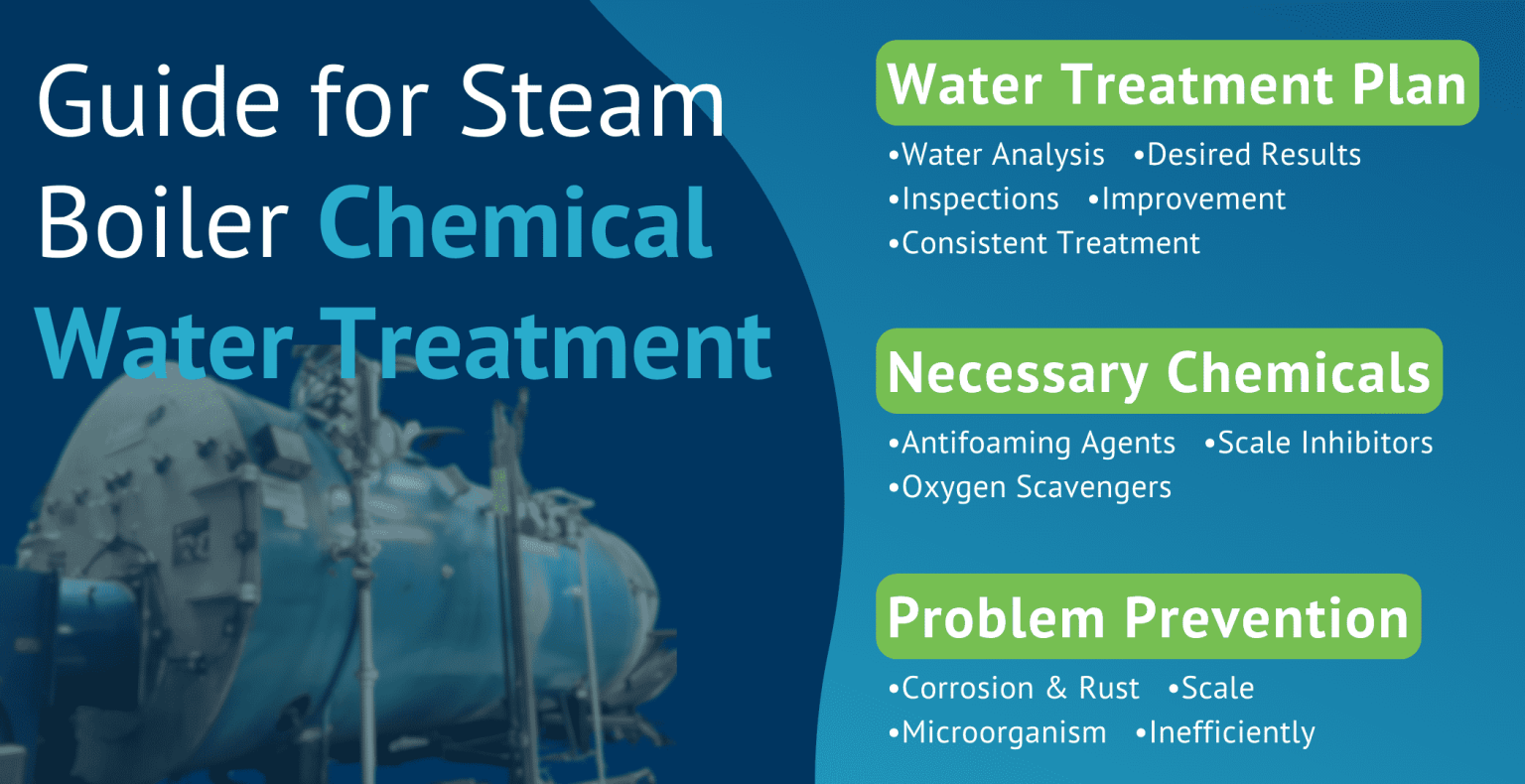
Good water quality prevents scale and corrosion inside the boiler. Use treated water to reduce mineral deposits. Test water regularly to check hardness and pH levels. Remove impurities that cause damage or block pipes. Proper water management improves heat transfer and keeps the system clean.
Regular Inspections
Check the boiler often for leaks, noises, and pressure changes. Inspect valves, gauges, and safety controls carefully. Look for signs of wear or rust on parts. Early detection of issues stops small problems from growing. Keep a maintenance log to track inspections and repairs.
Professional Servicing
Hire a certified technician for detailed boiler service yearly. Experts clean burners, test controls, and check combustion efficiency. They replace worn parts and adjust settings for optimal performance. Professional servicing ensures safety and compliance with regulations. It also boosts reliability and reduces unexpected downtime.
Preventive Maintenance Tips
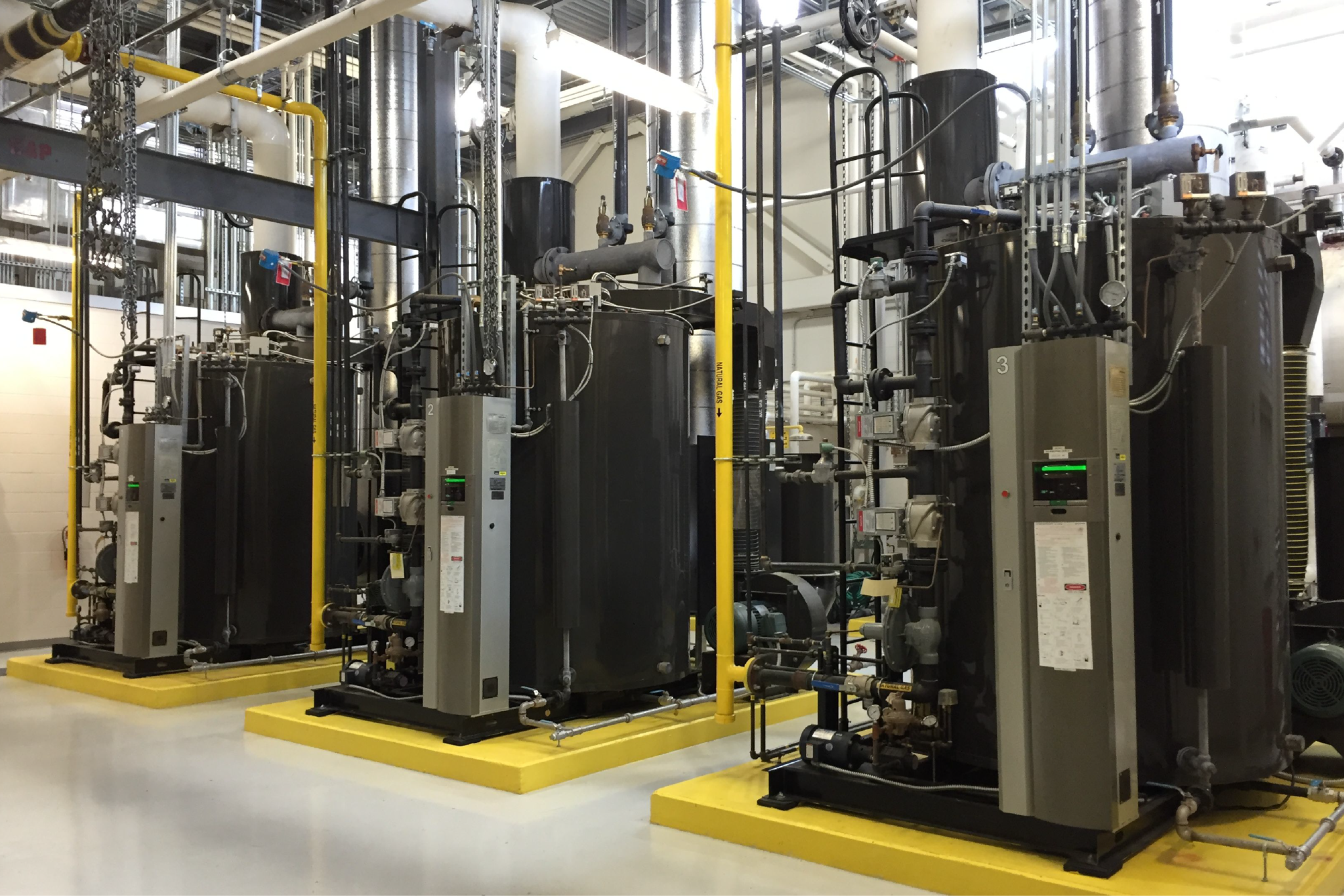
Performing regular safety checks on a steam boiler is critical for safe operation. These checks prevent dangerous malfunctions and ensure the boiler runs smoothly. Neglecting safety features can lead to accidents or costly repairs. Focus on key components that protect against overpressure, gas leaks, and electrical failures.
Pressure Relief Valve Testing
The pressure relief valve stops excess pressure from building inside the boiler. Test the valve by lifting its lever to release steam or water. It should open freely and close tightly without leaks. A stuck or leaking valve can cause pressure to rise dangerously. Replace the valve if it fails to operate correctly.
Carbon Monoxide Detection
Steam boilers burn fuel and may produce carbon monoxide, a deadly gas. Install a carbon monoxide detector near the boiler and test it regularly. The detector should beep loudly if it senses gas. Never ignore a carbon monoxide alarm. Proper ventilation and detector maintenance protect your health and safety.
Boiler Safety Switches
Safety switches shut down the boiler if a fault occurs. Check all switches for proper function during troubleshooting. Switches include low water cut-off, flame failure, and pressure controls. These devices prevent boiler damage and hazardous conditions. Replace faulty switches immediately to keep the system safe.
Credit: miuraboiler.com
Frequently Asked Questions
What Are The Common Steam Boiler Problems?
Common steam boiler problems include low pressure, leaks, scaling, corrosion, unusual noises, thermostat faults, and pilot light failures. These issues reduce efficiency, cause damage, or stop heating. Regular maintenance prevents many problems and ensures safe, reliable boiler operation.
What Are The Most Common Boiler Problems?
Common boiler problems include low pressure, leaks, kettling noises, no heat or hot water, thermostat faults, frozen condensate pipes, pilot light failure, and radiators not heating. These issues often result from trapped air, scale buildup, electrical faults, or leaks. Some require professional repair to ensure safety.
Why Is My Steam Boiler Not Kicking On?
Your steam boiler may not kick on due to a faulty thermostat, low water level, pressure issues, or electrical problems. Check these components for proper function and power supply.
How To Reset A Steam Boiler?
To reset a steam boiler, turn off the power and gas supply. Wait five minutes, then switch power and gas back on. Press the reset button on the boiler control panel. Check the pressure gauge and ensure proper water levels before restarting.
What Are Common Steam Boiler Problems To Watch For?
Common issues include leaks, low pressure, strange noises, and no heat. Scale buildup and corrosion also reduce boiler efficiency and safety.
Conclusion
Steam boiler troubleshooting helps keep your system running smoothly. Regular checks prevent small problems from growing. Simple fixes like checking valves or pressure save time and money. Always watch for leaks, noises, or unusual smells. These signs show your boiler needs attention.
Proper maintenance extends boiler life and improves safety. For complex issues, call a professional. Staying proactive avoids costly repairs later. Keep your steam boiler efficient and reliable with these tips.