Is your electric oven acting up just when you need it most? Whether it’s not heating at all, heating unevenly, or showing strange control panel glitches, these issues can throw off your cooking plans and cause frustration.
But before you rush to call a repair technician, there’s good news: many common electric oven problems can be diagnosed and fixed with a little troubleshooting on your part. In this guide, you’ll learn simple, effective steps to identify what’s wrong with your stove’s electric oven and how to get it back to perfect working order.
Stick with us, and you’ll save time, money, and avoid the stress of unexpected oven troubles!
Common Heating Issues
Electric ovens sometimes face heating problems that affect cooking quality. These common heating issues cause food to cook unevenly or not at all. Troubleshooting these problems helps restore your oven’s performance quickly. Understanding the cause saves time and avoids costly repairs.
Oven Not Heating
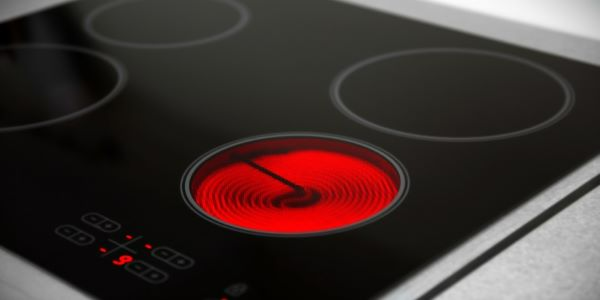
An oven that does not heat can stop all cooking. The bake or broil heating element might be broken. Check for visible signs like cracks or burns on the element. A blown thermal fuse can cut power to the heating system. The control board may fail to send the right signals. Ensure the oven is plugged in and power is on. Faulty wiring or a tripped circuit breaker also blocks heating.
Uneven Heating
Uneven heating results in some food areas cooking faster than others. A bad temperature sensor can give wrong readings, causing poor heat control. The convection fan may not work, stopping hot air circulation. A malfunctioning control board can mismanage temperature regulation. Inspect the sensor and fan for damage or dirt. Fixing these parts often improves heat distribution inside the oven.
Credit: www.mrappliance.com
Other Frequent Problems
Electric ovens can face several common issues beyond heating problems. These other frequent problems affect performance and user experience. Identifying these can save time and avoid costly repairs.
Control Panel Glitches
Control panels may freeze or show wrong settings. Buttons might stop responding or the display flickers. Often, a simple power reset fixes these glitches. Persistent issues may need control board replacement.
Broken Door Seal
The door seal keeps heat inside the oven. A broken or worn seal causes heat loss and uneven cooking. Check for cracks or gaps around the door gasket. Replacing the seal improves oven efficiency.
Oven Light Failure
An oven light that does not turn on is usually a burnt-out bulb. Sometimes wiring problems cause the light to fail. Replacing the bulb or checking electrical connections restores proper lighting.
Self-cleaning Malfunctions
The self-clean function may fail due to a faulty door lock or thermal fuse. The oven won’t start cleaning if the door does not lock properly. Inspect these parts for damage to fix self-cleaning issues.
Initial Checks
Starting with initial checks helps identify simple issues in your electric oven. This step saves time and avoids unnecessary repairs. Basic problems often show clear signs and can be fixed easily. Follow these checks to find the root cause of oven troubles.
Power Supply And Circuit Breaker
Ensure the oven is plugged in correctly. Check if the power outlet works by testing another device. Inspect the circuit breaker panel for any tripped switches. Reset the breaker if needed. An oven without power will not heat or function.
Visual Inspection
Look closely at the oven’s heating elements for cracks or damage. Examine the door seal for tears or gaps that cause heat loss. Check the control panel for any error lights or unusual displays. Identifying visible faults can guide your next steps.
Cleaning Heating Elements
Food debris or grease buildup on heating elements can cause burning smells and uneven heating. Clean elements gently with a soft cloth and mild detergent. Avoid abrasive tools that may damage the surface. Keeping elements clean improves oven performance and safety.
Soft Reset Techniques
Soft reset techniques offer a simple way to fix many electric oven issues. These methods clear minor glitches without complex tools or repairs. Trying a soft reset can save time and effort before calling for service. Resetting the oven’s system refreshes its settings and may solve control panel or heating problems. This approach works well for many common faults in Stoves electric ovens.
Using Off/clear Button
Start the reset by pressing the Off or Clear button on the oven. Hold the button for about 3 to 5 seconds. This action stops any current operation and clears error codes. Wait a few moments, then turn the oven back on. This simple step often resolves unresponsive touchpads and display errors. It acts like a reboot for your oven’s electronics.
Checking Model-specific Codes
Some Stoves ovens show error codes that need specific resets. Look in your user manual for your model’s code list. Match the displayed code with the instructions provided. Follow the steps to reset or clear that particular error. This may involve pressing certain buttons or disconnecting power briefly. Model-specific resets target unique faults and improve troubleshooting accuracy.
Hard Reset Steps
Performing a hard reset on your electric stove oven can fix many common issues quickly. This process clears minor electronic glitches and resets the control board. Follow these simple steps to safely reset your oven and get it working again.
Cutting Power At Circuit Breaker
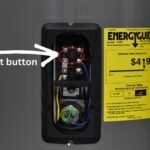
Locate the circuit breaker panel for your kitchen or stove. Switch off the breaker that controls the oven’s power. This step ensures no electricity flows to the oven, allowing a safe reset. Wait for about one minute to let the oven fully power down.
Restoring Power
After waiting, turn the circuit breaker back on. This action restores electrical supply to the oven. You may hear a beep or see lights on the control panel, indicating the oven is powering up. Give the oven a moment to complete its startup process.
Testing Oven Function
Set the oven to a low temperature and let it heat for a few minutes. Check if the heating elements start glowing or the oven warms up. If the oven heats properly, the reset fixed the issue. If it does not work, further troubleshooting or professional help may be needed.

Credit: www.youtube.com
Post-reset Actions
After performing a reset on your electric stove oven, several important steps follow. These actions help ensure the oven works correctly and prevent further issues. Post-reset checks focus on identifying lingering problems and confirming the appliance’s stability.
Error Code Monitoring
Watch the oven’s display closely for any error codes. These codes signal specific problems that need attention. Note down any codes that appear after the reset. This information helps in identifying the exact fault. Do not ignore recurring codes, as they indicate unresolved issues.
Inspecting Power Connections
Check all power connections to the oven carefully. Loose or damaged wires can cause malfunctions. Ensure the plug fits securely into the outlet. Look for frayed cables or burnt marks near the power source. Proper power supply is crucial for the oven to operate safely and efficiently.
Consulting The Manual
Refer to your oven’s user manual for guidance after resetting. The manual contains valuable troubleshooting tips tailored to your model. Follow recommended steps for any error codes or unusual behavior. Manuals often provide safety warnings and reset procedures. Keep the manual handy for quick reference during troubleshooting.
When To Call A Professional
Knowing when to call a professional can save time and prevent damage. Some electric oven problems need expert tools and skills. Attempting complex repairs alone may cause harm or void warranties.
Simple fixes like cleaning or resetting might be safe to try. But issues with key components require a trained technician. Below are critical signs that show it is time to seek professional help.
Control Board Issues
The control board manages the oven’s functions and settings. Signs of trouble include unresponsive buttons or erratic displays. Faulty control boards can cause the oven to stop heating or behave unpredictably.
Diagnosing and replacing control boards needs technical knowledge. Professionals use special tools to test circuits safely. Incorrect repairs can lead to electrical hazards or further damage.
Thermal Fuse Problems
The thermal fuse protects the oven from overheating. If it blows, the oven may not heat at all. It is hard to check a thermal fuse without proper equipment.
A professional can test and replace the fuse correctly. Handling thermal fuses requires care to avoid electric shock. This repair is best left to experts for safety reasons.
Internal Wiring Concerns
Wiring inside the oven can wear out or get loose. This may cause intermittent heating or complete failure. Internal wiring problems can pose serious fire risks.
Only a qualified technician should inspect and fix wiring issues. They ensure connections are secure and follow electrical codes. DIY attempts with wiring can be dangerous and costly.

Credit: www.youtube.com
Frequently Asked Questions
What Is A Common Problem Of The Electric Oven?
A common electric oven problem is uneven heating or no heating, often caused by faulty heating elements, broken door seals, or bad temperature sensors. These issues lead to undercooked food and longer cooking times. Other frequent problems include control panel failures and non-working oven lights.
How To Diagnose Electric Oven Problems?
Check the circuit breaker and power supply first. Inspect heating elements for damage or debris. Test the temperature sensor and control board. Examine the door seal for leaks. Reset the oven’s control panel. Call a professional for control board or wiring issues.
How Do I Reset An Oven?
To reset an oven, press the Off/Clear button for a soft reset. For a hard reset, turn off the circuit breaker or unplug the oven, wait a minute, then restore power. This clears temporary glitches and can fix control panel issues.
What Are The Two Most Common Problems That May Occur In An Electric Stove?
The two most common electric stove problems are heating element failure and uneven heating. These issues cause the stove not to heat or cook food unevenly.
Why Is My Electric Oven Not Heating Properly?
A common reason is a faulty heating element or blown thermal fuse. Check for visible damage or power issues. Replacing these parts often fixes the problem.
Conclusion
Electric oven troubles can disrupt your cooking plans. Simple checks often fix common issues like heating problems or broken door seals. Inspect heating elements and clean your oven regularly to avoid smells and uneven cooking. Control panel glitches might only need a reset or part replacement.
Some problems, like faulty wiring or control boards, need expert help for safety. Staying patient and following basic troubleshooting steps can save time and money. Keep your oven in good shape to enjoy consistent, delicious meals every time.