Are you struggling to pinpoint why your air conditioning system isn’t performing like it should? Understanding the superheat and subcooling values is key to diagnosing common HVAC problems quickly and accurately.
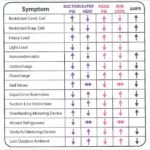
With the Superheat Subcool Troubleshooting Chart, you have a simple, powerful tool right at your fingertips to help you identify issues like refrigerant leaks, blockages, or incorrect charges. This chart breaks down complex temperature and pressure readings into clear, actionable insights so you can fix your system faster and avoid costly repairs.
Keep reading to unlock the secrets behind superheat and subcooling—and take control of your HVAC troubleshooting like a pro.
Basics Of Superheat And Subcooling
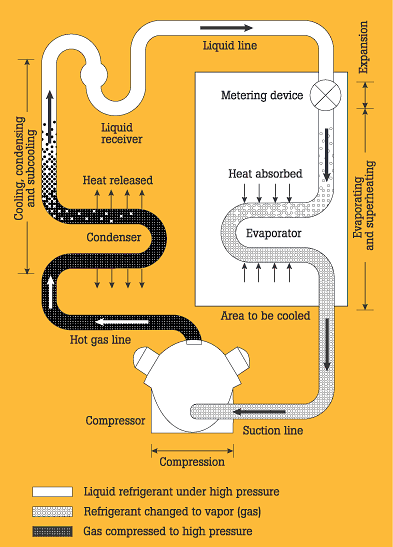
Understanding the basics of superheat and subcooling is essential for HVAC troubleshooting. These two measurements help diagnose refrigerant levels and system performance. They indicate how well the system transfers heat and maintains efficiency.
Superheat and subcooling work together to ensure the HVAC system runs smoothly. Knowing what each term means helps technicians pinpoint issues quickly and accurately.
What Superheat Indicates
Superheat measures the temperature of refrigerant vapor above its boiling point. It shows how much heat the refrigerant absorbs in the evaporator. A correct superheat means the refrigerant fully evaporates before reaching the compressor. Too high superheat signals low refrigerant or airflow issues. Too low superheat means liquid refrigerant may enter the compressor, causing damage.
What Subcooling Indicates
Subcooling is the temperature of refrigerant liquid below its condensing point. It shows how much heat the refrigerant loses in the condenser. Proper subcooling confirms the refrigerant is fully condensed before entering the expansion valve. Low subcooling usually means low refrigerant charge. High subcooling can indicate an overcharge or restricted flow.
Role In Hvac Systems
Superheat protects the compressor by ensuring only vapor returns to it. Subcooling protects the metering device by supplying liquid refrigerant. Both readings guide proper refrigerant charging and system adjustments. They help maintain energy efficiency and prevent equipment failure. Regularly checking superheat and subcooling improves system reliability and lifespan.
Tools For Measuring Superheat And Subcool
Measuring superheat and subcool is essential for HVAC system diagnostics. Accurate tools ensure proper system performance and help detect issues early. Using the right instruments simplifies the troubleshooting process and improves repair accuracy.
Thermometers And Gauges
Thermometers measure temperature on suction and liquid lines. Mechanical and digital thermometers are common in the field. Pressure gauges read refrigerant pressure on high and low sides. Combining pressure and temperature gives vital superheat and subcool data.
Using Pressure-temperature Charts
Pressure-temperature charts link refrigerant pressure to saturation temperature. Technicians use these charts to find reference temperatures. Comparing actual line temperatures with chart values helps calculate superheat and subcool. This method is simple and effective.
Digital Measurement Devices
Digital tools offer fast, precise readings for temperature and pressure. They often combine sensors and display units in one device. Some models connect to apps for easy data tracking. These devices reduce human error and speed up troubleshooting tasks.
Common Superheat And Subcooling Issues
Understanding common superheat and subcooling issues helps maintain HVAC systems. These measurements reveal how well the system handles refrigerant. Problems with superheat or subcooling often indicate charging or component troubles. Identifying the cause quickly prevents system damage and improves efficiency. Below are typical causes of high and low superheat and subcooling.
High Superheat Causes
High superheat means the refrigerant vapor is too hot. It often shows the evaporator lacks enough refrigerant. Common causes include low refrigerant charge and restricted airflow. A clogged filter or dirty coils reduce cooling and raise superheat. Malfunctioning expansion valves can also limit refrigerant flow.
Low Superheat Causes
Low superheat indicates too much liquid refrigerant in the evaporator. This can flood the compressor and cause damage. Typical reasons are overcharging or a stuck open expansion valve. Poor airflow through the evaporator also lowers superheat. These issues reduce system efficiency and risk compressor failure.
High Subcooling Causes
High subcooling shows extra refrigerant in the condenser. Overcharging the system is a common reason. A blocked or dirty condenser coil can also cause high subcooling. Another cause is a faulty condenser fan that lowers heat rejection. These problems increase pressure and reduce cooling performance.
Low Subcooling Causes
Low subcooling means insufficient liquid refrigerant after the condenser. It often signals low refrigerant charge or leaks. Poor condenser heat transfer due to dirty coils lowers subcooling. Expansion valve malfunctions may also cause low subcooling. This condition reduces system capacity and efficiency.
Credit: www.achrnews.com
Interpreting The Troubleshooting Chart
Understanding the Superheat Subcool Troubleshooting Chart helps diagnose AC system issues quickly. This chart shows how different superheat and subcool readings point to specific problems. Learning to read it saves time and avoids guesswork during repairs.
Chart Layout And Symbols
The chart is divided into sections for superheat and subcool values. Each section has ranges marked with numbers. Symbols like arrows or warning signs highlight critical points. Colors may indicate normal, low, or high readings. These visuals guide the technician to focus on certain system parts.
Linking Readings To Problems
Superheat and subcool numbers connect directly to system faults. High superheat often means low refrigerant or airflow issues. Low superheat may signal overcharge or a stuck valve. High subcool can point to overcharging or condenser problems. Low subcool might mean undercharge or poor heat transfer. The chart matches these readings to common HVAC faults.
Typical Scenarios
One common case is high superheat with low subcool. This usually shows a refrigerant leak or low charge. Another scenario is low superheat and high subcool, often caused by a bad expansion valve. The chart helps spot blocked filters, frozen coils, and compressor problems. It simplifies complex readings into clear troubleshooting steps.
Step-by-step Troubleshooting Process
The step-by-step troubleshooting process for superheat and subcool values guides technicians through diagnosing HVAC system issues. This method ensures accurate identification of refrigerant problems. Each step builds on data collected to pinpoint faults efficiently.
Initial Inspection
Begin by visually checking the system for obvious issues. Look for leaks, damaged components, or dirty filters. Ensure all electrical connections are secure. Confirm the thermostat is set correctly. This basic check prevents overlooking simple problems.
Measuring And Recording Data
Use proper tools to measure pressures and temperatures at key points. Record suction and discharge pressures, along with line temperatures. Measure the evaporator and condenser temperatures carefully. Accurate data collection is crucial for correct analysis.
Analyzing Superheat And Subcool Values
Calculate superheat by subtracting the evaporator saturation temperature from the suction line temperature. Calculate subcool by subtracting the condenser line temperature from the saturation temperature. Compare these values to manufacturer specifications. Differences indicate undercharge, overcharge, or component issues.
Adjusting Refrigerant Levels
Adjust refrigerant charge based on superheat and subcool analysis. Add refrigerant if superheat is too high or subcool is too low. Remove refrigerant if superheat is too low or subcool is too high. Recheck values after adjustment to ensure proper system balance.

Credit: yorkcentraltechtalk.wordpress.com
Impact Of Txv And Other Components
The impact of the TXV and other system components plays a crucial role in the accuracy of superheat and subcooling readings. These elements influence refrigerant flow, pressure levels, and overall system efficiency. Understanding how each part affects the system helps diagnose problems quickly and accurately. This section breaks down common issues related to the TXV, filter driers, compressors, and coils.
Txv Malfunctions And Effects
The thermostatic expansion valve (TXV) controls refrigerant flow to the evaporator. A stuck or faulty TXV can cause incorrect superheat values. If the TXV is stuck open, it floods the evaporator, causing low superheat and high subcooling. A stuck closed TXV restricts refrigerant, leading to high superheat and low subcooling. Proper TXV function is vital for system balance and performance.
Filter Drier And Line Restrictions
Filter driers remove moisture and particles from refrigerant. Clogged or restricted filter driers cause pressure drops in the system. This leads to abnormal superheat and subcooling readings. Line restrictions, such as kinked or crushed tubing, also disrupt refrigerant flow. These issues reduce system efficiency and can cause compressor damage if not fixed promptly.
Compressor And Coil Issues
The compressor moves refrigerant through the system and maintains pressure levels. Compressor wear or failure affects superheat and subcooling accuracy. Weak compression results in low system pressure and improper refrigerant flow. Coil problems, like dirty or damaged evaporator or condenser coils, reduce heat transfer. Poor heat exchange causes abnormal temperature readings and reduces system efficiency.
Best Practices For Accurate Diagnosis
Accurate diagnosis using the Superheat Subcool Troubleshooting Chart requires following clear best practices. These steps help identify system issues quickly and correctly. Proper techniques improve reliability of results and save time. Understanding key maintenance and operational factors plays a vital role. Focus on clean equipment, correct refrigerant levels, and routine checkups to maintain system health.
Ensuring Clean Filters And Coils
Dirty filters block airflow and reduce system efficiency. Clogged coils lower heat transfer, causing false superheat or subcool readings. Regularly inspect and clean filters to maintain airflow. Clean coils improve heat exchange and stabilize pressure readings. Clean equipment ensures measurements reflect true system conditions. This practice prevents misdiagnosis and promotes longer system life.
Proper Refrigerant Charging
Correct refrigerant charge affects both superheat and subcool values. Too little refrigerant causes high superheat and low subcool. Too much refrigerant leads to low superheat and high subcool. Use manufacturer specifications for charging guidelines. Measure temperatures and pressures carefully during charging. Accurate charging avoids system damage and keeps performance optimal.
Regular Maintenance Tips
Schedule regular HVAC inspections and tune-ups. Check for leaks, worn parts, and electrical issues. Monitor system pressures and temperatures often. Replace parts showing wear before failures occur. Document maintenance activities for future reference. Consistent care helps detect problems early and supports accurate troubleshooting results.

Credit: www.achrnews.com
Using Digital Tools And Apps
Digital tools and apps simplify the complex process of diagnosing HVAC systems. They provide accurate data and reduce human error during troubleshooting. Using these tools saves time and increases efficiency for technicians working with superheat and subcool values.
Technicians can quickly calculate key parameters and spot system issues. Digital tools also help keep track of readings and maintain consistency across jobs. These resources are essential for modern HVAC troubleshooting.
Superheat Subcool Calculators
Superheat subcool calculators perform precise calculations instantly. Input temperature and pressure readings, and the tool provides superheat or subcool values. This eliminates manual errors and speeds up diagnosis.
Many calculators include built-in refrigerant charts and standard formulas. This helps technicians check system performance against manufacturer specifications. Using a calculator improves accuracy for charging and repairs.
Mobile Apps For Technicians
Mobile apps offer portable solutions for HVAC troubleshooting. Technicians carry their smartphones or tablets to job sites. Apps provide superheat and subcool calculations, pressure charts, and system guides.
Some apps allow saving and sharing data with team members. This enhances communication and record-keeping. Mobile apps keep essential tools accessible anytime and anywhere.
Integrating Technology In Troubleshooting
Integrating digital tools with traditional methods enhances troubleshooting. Technicians use apps and calculators alongside gauges and manuals. This combination offers a complete view of system health.
Technology helps identify refrigerant issues, airflow problems, and faulty components faster. It also supports training by providing step-by-step guidance. Embracing technology improves service quality and reduces downtime.
Frequently Asked Questions
What Is The Rule Of Thumb For Superheat And Subcooling?
The rule of thumb: Superheat should be 8-12°F to protect the compressor. Subcooling should be 10-15°F for proper system charge.
What Can Cause High Superheat And High Subcooling?
High superheat and high subcooling often result from an overcharged system or a malfunctioning expansion valve. These conditions restrict refrigerant flow and reduce evaporator cooling.
What Do Superheat And Subcool Tell You?
Superheat shows how much refrigerant vapor heats above its boiling point, indicating evaporator efficiency. Subcooling shows liquid refrigerant cooling below condensation point, ensuring proper condenser function. Both help diagnose refrigerant charge and system health.
Will A Bad Txv Cause High Subcooling?
Yes, a bad TXV can cause high subcooling by restricting refrigerant flow, leading to excess liquid refrigerant in the condenser. This results in increased subcooling readings.
What Is A Superheat Subcool Troubleshooting Chart?
A superheat subcool troubleshooting chart helps diagnose HVAC system issues. It shows normal and abnormal superheat and subcool values. This chart guides technicians to find refrigerant or component problems quickly.
Conclusion
Using a superheat subcool troubleshooting chart helps find AC system issues fast. It guides you to check refrigerant levels and component performance clearly. Following the chart steps avoids guesswork and saves repair time. Regular use keeps your system running smoothly and prevents costly breakdowns.
Trusting simple measurements improves your HVAC service accuracy. Keep the chart handy for quick, reliable diagnostics every time.