Is your swimming pool pump acting up and leaving you frustrated? When your pump starts making strange noises, shuts off unexpectedly, or simply won’t circulate water properly, it disrupts your entire pool experience.
But don’t worry—you don’t have to call a professional just yet or rush to replace your pump. Understanding common swimming pool pump problems and knowing how to troubleshoot them can save you time, money, and stress. In this guide, you’ll discover straightforward tips and easy fixes for issues like overheating, mechanical seal failure, and clogged impellers.
Keep reading to regain control over your pool’s heartbeat and enjoy crystal-clear water all season long!
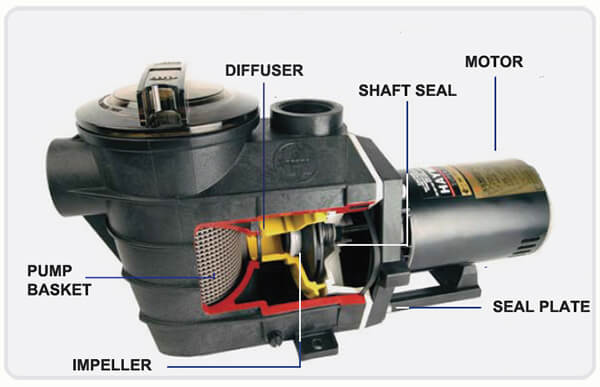
Credit: intheswim.com
Common Pump Issues
Swimming pool pumps often face issues that affect their performance and lifespan. Understanding common pump problems helps diagnose and fix them faster. Regular checks and maintenance reduce unexpected breakdowns and keep your pool clean and safe.
Mechanical Seal Failure
Mechanical seals stop water from leaking along the motor shaft. They fail due to dry running or overheating. Corrosion also damages seals, causing leaks and pump shutdowns. Replacing seals promptly prevents bigger damage.
Cavitation Damage
Cavitation happens when vapor bubbles form and collapse inside the pump. This occurs from low suction pressure. The collapsing bubbles cause pitting and damage to impellers. Cavitation reduces pump efficiency and may cause noise and vibration.
Overheating Causes
Overheating can result from poor ventilation or blocked cooling paths. Lack of lubrication increases friction and heat in bearings. Electrical faults also cause motors to overheat. Overheated pumps may shut off to prevent damage.
Bearing Wear And Damage
Bearings support the pump shaft and allow smooth rotation. Wear happens from poor lubrication or dirt contamination. Damaged bearings cause noise and vibration. Replacing bearings early avoids motor failure.
Misalignment Problems
Misalignment occurs when the pump and motor shafts do not line up correctly. This stresses seals, bearings, and shafts. Misalignment leads to early wear and frequent breakdowns. Proper installation ensures correct alignment.
Improper Pump Selection
Choosing the wrong pump harms performance and durability. Pumps must match flow rate and water type. Using pumps unsuited for corrosive or abrasive water causes fast wear. Select pumps based on your pool’s specific needs.
Credit: mrpoolman.com.au
Symptoms Of Pump Trouble
Recognizing the symptoms of pump trouble early can save time and money. A swimming pool pump showing signs of trouble often affects pool cleanliness and water flow. Spotting these symptoms helps prevent bigger problems.
Pump Shuts Off Quickly
The pump may stop running after a short time. This often means the motor is overheating. Overheating can be caused by blocked airflow or a faulty capacitor. Another cause is debris stuck in the impeller. This makes the motor work harder and shut down to protect itself.
Strange Noises
Unusual sounds are a clear warning sign. Grinding, squealing, or rattling noises come from worn bearings or loose parts. Cavitation, caused by air bubbles in the pump, also makes noise. Strange noises mean the pump needs immediate attention to avoid damage.
Poor Water Circulation
Low water flow or weak pressure shows the pump is not working well. This can be due to clogged filters or impellers. Air leaks in the suction line reduce the pump’s ability to move water. Poor circulation leads to dirty water and can harm the pool system.
Burning Smell
A burning odor near the pump is a serious sign. This usually means the motor is overheating or electrical parts are failing. Overheated motors can cause permanent damage. Turn off the pump and inspect it if you smell burning.
Visible Physical Damage
Check the pump for cracks, leaks, or broken parts. Physical damage often happens from weather, accidents, or wear over time. Damaged seals or cracked housings allow water to leak, reducing pump efficiency. Visible problems should be fixed quickly to avoid bigger repairs.
Basic Troubleshooting Steps
Basic troubleshooting steps help identify common swimming pool pump issues fast. These steps require simple tools and little experience. Follow each step carefully to avoid damage. Start with electrical checks and move to mechanical parts. Troubleshooting saves time and money by spotting problems early.
Check Electrical Connections
Turn off power before inspecting electrical parts. Look for loose or corroded wires. Tighten any loose connections to ensure proper contact. Replace damaged wires to prevent shorts. Check the circuit breaker for tripped switches. Reset if necessary to restore power to the pump.
Inspect And Clean Impeller
Remove the pump cover to access the impeller. Check for dirt, leaves, or hair wrapped around it. Clean the impeller gently with a soft brush. Clear any buildup that blocks water flow. A clean impeller improves pump efficiency and prevents overheating.
Clear Debris And Blockages
Look inside the pump basket and skimmer for debris. Remove leaves, sticks, or other objects. Clear pipe inlets and outlets to allow smooth water flow. Blockages cause the pump to work harder and can damage parts. Regular cleaning keeps the pump running smoothly.
Test Start Capacitor
The start capacitor helps the motor begin spinning. A faulty capacitor stops the pump from starting or causes humming. Use a multimeter to test its electrical charge. Replace the capacitor if it shows no charge or damage. Proper capacitor function ensures reliable pump starts.
Examine Motor Ventilation
Check the motor vents for dust and dirt buildup. Clean vents with a soft brush or compressed air. Blocked vents cause motor overheating and failure. Ensure the motor has enough space around it for airflow. Good ventilation extends motor life and prevents shutdowns.
Credit: www.libertyhomeguard.com
Maintenance Tips
Proper maintenance keeps your swimming pool pump running smoothly. Regular care prevents common issues and extends pump life. Follow these maintenance tips to avoid costly repairs and downtime.
Regular Lubrication
Lubricate pump bearings and seals as recommended by the manufacturer. Proper lubrication reduces friction and prevents overheating. Use the right type of lubricant to avoid damage.
Proper Pump Alignment
Check the alignment between the pump and motor shafts regularly. Misalignment causes vibration, noise, and premature wear. Adjust alignment carefully to ensure smooth operation.
Routine Cleaning
Clean the pump basket and impeller often to remove debris. Dirt and leaves can block water flow and strain the motor. Keep the pump area free of dirt and clutter.
Avoiding Dry Running
Never run the pump without water inside. Dry running damages mechanical seals and causes overheating. Always ensure the pump is fully primed before starting.
Monitor Operating Temperature
Watch the pump motor temperature during operation. Overheating signals lubrication issues or blocked airflow. Turn off the pump and inspect if it gets too hot.
When To Call A Professional
Knowing when to call a professional for swimming pool pump problems saves time and money. Some issues need expert tools and skills. Trying to fix complex problems alone can cause more damage. Recognize the signs that require professional help to keep your pool pump running smoothly.
Signs Of Motor Burnout
Motor burnout causes the pump to stop working completely. You may notice a burning smell or smoke from the motor. The motor might also make unusual noises or fail to start. These signs show serious electrical or mechanical failure. A professional should inspect and repair or replace the motor safely.
Complex Electrical Issues
Electrical problems can be dangerous without proper knowledge. Issues like faulty wiring, blown fuses, or capacitor failure need expert attention. A professional electrician can test and fix these problems correctly. Avoid working with electricity yourself to prevent injury or further damage.
Severe Mechanical Damage
Severe mechanical damage includes broken impellers, cracked seals, or damaged bearings. These parts are hard to replace without special tools and experience. If you see leaks, strange noises, or reduced water flow, call a professional. They can diagnose and fix the problem to avoid bigger damage.
Pump Replacement Considerations
Sometimes, repair costs are higher than replacing the pump. A professional can assess your pump’s condition and recommend replacement if needed. They will help choose the right pump size and type for your pool. Proper installation by a pro ensures long-term performance and avoids future issues.
Frequently Asked Questions
How To Diagnose Pool Pump Issues?
Diagnose pool pump issues by checking for loose connections, debris blocking impellers, unusual noises, overheating, and electrical faults. Test capacitors and inspect seals. Ensure proper alignment and adequate lubrication. If unsure, consult a professional electrician to avoid damage or injury.
What Is The 1 Cause Of Pump Failure?
The 1 cause of pump failure is mechanical seal failure, often due to dry running, overheating, or corrosion.
Why Does My Pool Pump Shut Off After A Few Minutes?
Your pool pump likely shuts off due to motor overheating, a faulty start capacitor, or debris blocking the impeller. Clean vents, check for blockages, and test the capacitor to fix the issue.
How Do I Know If My Pool Pump Motor Is Burned Out?
Signs of a burned-out pool pump motor include no start, tripped breakers, loud humming, grinding noises, overheating, and poor water flow.
Why Does My Pool Pump Shut Off After A Few Minutes?
A pool pump that stops quickly often has a motor overheating or a bad start capacitor. Debris blocking the impeller can strain the motor and cause shutdown. Cleaning dust from motor vents helps improve cooling and pump performance.
Conclusion
Troubleshooting pool pump problems helps keep your pool clean and running. Regular checks prevent damage and save repair costs. Watch for unusual noises, leaks, or overheating signs early. Clean debris often to avoid clogs and motor strain. Proper installation and routine maintenance extend your pump’s life.
Don’t ignore small issues; they can cause bigger failures. Simple steps make pool care easier and more effective. Stay attentive and enjoy smooth pool operation all season long.