Is your furnace refusing to respond when you adjust your thermostat? Or maybe your home feels colder than usual, even though the thermostat says the heat is on?
If you’re facing these frustrating issues, you’re not alone—and the problem might be simpler than you think. Understanding how to troubleshoot your furnace thermostat can save you time, money, and discomfort during those chilly days. In this guide, you’ll learn how to spot the common signs of a faulty thermostat, perform easy checks to rule out simple issues, and take practical steps to get your heating system back on track.
Keep reading to regain control of your home’s comfort without unnecessary service calls or costly repairs.
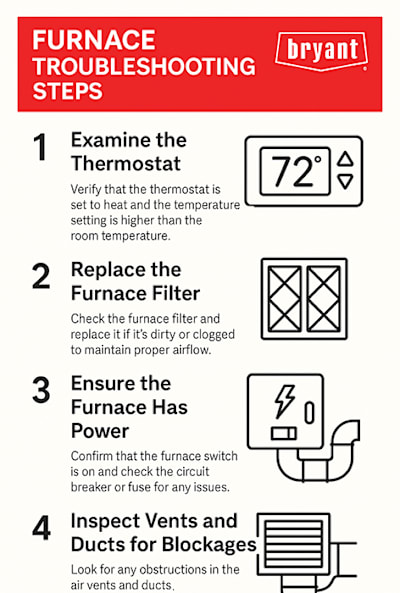
Credit: www.bryant.com
Signs Of A Faulty Thermostat
A faulty thermostat can cause many heating problems in your home. It controls when your furnace starts and stops. Signs of a bad thermostat help you know when it needs fixing or replacing. Watch for these common issues to keep your furnace running smoothly.
No Response Or Blank Screen
The thermostat screen stays blank or shows no response. Dead batteries often cause this. Power issues or a blown fuse might also be the reason. If power is fine and the screen stays dark, the thermostat likely has a fault.
Furnace Fails To Start Or Stop
The furnace does not turn on even if you raise the temperature. Or it runs continuously without stopping. This means the thermostat is not sending the right signals to the furnace. It needs checking or replacement.
Inaccurate Temperature Readings
The thermostat shows a temperature different from the actual room temperature. This makes the furnace run too much or too little. Wrong readings cause discomfort and higher energy bills.
Frequent Short Cycling
The furnace turns on and off rapidly in short bursts. This stops it from completing a full heating cycle. Short cycling wastes energy and puts stress on the furnace parts. The thermostat may be causing this problem.
Settings Reset Unexpectedly
Your programmed thermostat settings change or reset without your input. This can happen after power outages or thermostat failures. Losing settings means the thermostat is not reliable and may fail soon.
Uneven Heating In Rooms
Some rooms feel too hot while others stay cold. The thermostat may not be reading the temperature correctly. It fails to control the furnace properly, causing uneven heating. This lowers your home comfort.

Credit: www.youtube.com
Basic Thermostat Checks
Basic thermostat checks help identify common furnace issues quickly. Start with simple steps to avoid unnecessary repairs. These checks ensure the thermostat communicates properly with your furnace. Follow these easy tips to keep your heating system running smoothly.
Power Supply And Batteries
Check if the thermostat has power. Look for a lit display or active screen. Replace old batteries with fresh ones. Ensure the circuit breaker for the furnace is not tripped. A dead battery or power loss can stop the thermostat from working.
Thermostat Mode And Temperature Settings
Confirm the thermostat is set to “Heat” mode. Set the temperature higher than the current room temperature. Incorrect mode or low temperature settings prevent the furnace from turning on. Double-check these settings before moving to other checks.
Cleaning Dust And Debris
Dust and debris can block thermostat sensors. Gently clean the thermostat with a soft cloth or brush. Avoid harsh chemicals or water inside the unit. Keeping the thermostat clean helps it read temperatures accurately and work better.
Advanced Thermostat Testing
Advanced thermostat testing helps pinpoint hidden issues in your furnace system. Simple checks might miss wiring or sensor faults. Using detailed tests reveals exact problems. These tests require care and some tools. Follow steps carefully for accurate results and personal safety.
Safety Precautions Before Testing
Turn off power to the furnace at the breaker box. This prevents electric shock or damage. Use a non-contact voltage tester to confirm no power flows. Remove thermostat cover gently without pulling wires. Avoid touching metal parts inside the thermostat. Wear insulated gloves if available. Keep children and pets away during testing.
Performing The Jump-wire Test
This test checks if the furnace responds directly to a manual signal. Locate the thermostat’s backplate with wire terminals. Identify the R (power) and W (heat) wires. Use a small insulated jumper wire to connect R to W. Restore power to the furnace. If the furnace turns on, the thermostat likely has a fault. Turn off power again before removing the jumper wire. This simple test confirms if wiring or thermostat controls cause the issue.
Using A Multimeter For Diagnostics
A multimeter measures electrical signals inside the thermostat. Set it to measure voltage or resistance. Test the thermostat terminals for correct power supply. Measure continuity between wires to find breaks or shorts. Check sensor resistance against manufacturer specs. A multimeter helps detect wiring faults and component failures. Always test with power off, except when measuring voltage. Handle the meter probes carefully to avoid short circuits.
Common Communication Problems
Communication problems between your thermostat and furnace cause many heating issues. These problems stop the furnace from receiving correct signals. The result is no heat or improper heating. Troubleshooting common communication problems helps restore proper furnace function quickly. Simple fixes often solve these issues and save costly repairs.
Dead Batteries And Loose Wiring
Dead batteries often cause thermostat failure. Replace batteries regularly to avoid communication loss. Loose wiring can break the connection between thermostat and furnace. Check wiring connections carefully. Tighten any loose wires to restore signal flow. Secure wires prevent intermittent problems and furnace shutdowns.
Tripped Breakers And Safety Switches
Tripped breakers cut power to the furnace and thermostat. Check the breaker panel for any tripped switches. Reset the breaker if found off. Safety switches also stop furnace operation if unsafe conditions occur. Inspect safety switches and reset if triggered. Power must be steady for proper communication.
Dirty Sensors And Clogged Filters
Dirty thermostat sensors give false temperature readings. Clean sensors gently to improve accuracy. Clogged air filters reduce airflow and cause overheating. Overheating triggers safety shutdowns affecting communication. Replace or clean filters regularly. Clean components help the thermostat and furnace work well together.
Incorrect Thermostat Settings
Wrong thermostat settings confuse the furnace. Check the mode settings like “Heat” or “Auto.” Ensure the set temperature is above the room temperature. Incorrect schedules or programming cause the furnace to ignore commands. Reset or reprogram the thermostat for correct operation. Proper settings improve heating comfort and efficiency.
Quick Fixes For Thermostat Issues
Thermostat issues can disrupt your furnace’s performance. Quick fixes often restore normal function without needing expert help. These simple steps save time and money. Each solution targets common problems that stop your thermostat from working properly.
Replacing Batteries
Many thermostats rely on batteries for power. Dead or weak batteries cause the screen to go blank or unresponsive. Replace batteries with fresh ones designed for your thermostat model. This is the easiest and fastest fix. Always check battery orientation before inserting new ones.
Resetting Circuit Breakers
Furnace and thermostat power often come through a circuit breaker. A tripped breaker cuts power, causing the thermostat to stop working. Locate your home’s breaker panel and check for any tripped switches. Flip the breaker off and then back on to reset. This restores electrical flow to your thermostat and furnace.
Adjusting Thermostat Settings
Incorrect settings prevent the furnace from activating. Ensure the thermostat is set to “Heat” mode during colder months. Set the temperature higher than the current room temperature to trigger heating. Confirm that any programmable schedules align with your needs. Simple setting errors can stop heating completely.
Cleaning Sensors And Components
Dust and dirt block thermostat sensors and internal parts. This leads to wrong temperature readings or no response. Gently clean the thermostat’s surface and sensors using a soft cloth or small brush. Avoid spraying liquids directly on the device. Regular cleaning improves accuracy and responsiveness.
When To Call A Professional
Some thermostat problems need expert attention. Persistent issues after trying quick fixes mean deeper electrical or wiring faults. If your furnace short cycles or the thermostat display remains blank, call a heating technician. Professionals diagnose and fix complex faults safely and effectively.

Credit: thefurnaceoutlet.com
Preventive Maintenance Tips
Preventive maintenance keeps your furnace thermostat working well. It avoids sudden breakdowns and costly repairs. Simple checks and care extend the device’s life and improve home comfort. Follow these tips regularly to keep your heating system reliable and efficient.
Regular Cleaning Schedule
Dust and dirt can block thermostat sensors. Clean the thermostat’s surface with a soft cloth every month. Avoid using water or harsh chemicals. Remove the cover gently and use a small brush to clean inside. A clean thermostat reads temperatures correctly and controls heating better.
Inspecting Wiring Connections
Loose or damaged wires cause thermostat failures. Turn off power before checking wiring. Look for frayed wires or corrosion at the terminals. Tighten any loose screws holding wires. Good wiring ensures clear communication between the thermostat and furnace. Inspect wiring twice a year for safety and performance.
Updating Thermostat Firmware
Smart thermostats need software updates to fix bugs and improve features. Check the manufacturer’s website or app for updates. Follow instructions to install updates safely. Updated firmware helps the thermostat work smoothly with your heating system. It also adds new functions and improves energy savings.
Monitoring System Performance
Watch how your thermostat controls the furnace daily. Note any unusual behavior like short cycling or incorrect temperature readings. Use a simple log to track heating cycles and room comfort. Early detection of problems helps you fix issues before they get worse. Regular monitoring keeps your furnace running efficiently all winter.
Frequently Asked Questions
How To Tell If A Thermostat For A Furnace Is Bad?
A bad furnace thermostat shows no response, blank display, incorrect temperature, short cycling, or resets settings. Test by jumping R to W wires; heat turns on means thermostat is faulty. Check batteries, breakers, and settings before replacing.
Why Is My Furnace Not Communicating With My Thermostat?
Your furnace may not communicate with your thermostat due to dead batteries, tripped breakers, incorrect settings, loose wiring, or a faulty thermostat. Check power, mode, and connections first. A wire jump test can identify if the thermostat needs replacement or if the furnace has issues.
Why Is My Thermostat Stuck On One Temperature?
A thermostat stuck on one temperature often signals sensor issues, dirty contacts, or wiring faults. Check power, settings, and clean the unit first. Faulty thermostats fail to send signals, causing fixed temperature display. Testing by jumping R to W wires confirms if replacement is needed.
What Is The Most Common Cause Of Thermostat Malfunctions?
The most common cause of thermostat malfunctions is dead batteries, power issues, or dirty sensors blocking signals.
How Do I Know If My Thermostat Is Faulty?
A faulty thermostat often shows a blank or unresponsive display. It may cause the furnace to not turn on or off properly. Incorrect temperature readings and frequent on/off cycles are also common signs.
Conclusion
Troubleshooting your furnace thermostat can save time and money. Start with simple checks like power and settings. Clean the thermostat to avoid sensor issues. Watch for signs like blank displays or short cycling. The jump-wire test helps confirm thermostat problems.
Always turn off power before testing. Fixing small issues can restore comfort quickly. If problems persist, consider professional help. Staying aware keeps your home warm and cozy. Simple steps often solve common thermostat troubles.