Is your car suddenly idling roughly, hesitating when you press the gas, or even stalling unexpectedly? These frustrating symptoms could point to one common culprit: a faulty throttle position sensor (TPS).
This small but crucial component tells your vehicle how much air is entering the engine, directly affecting fuel delivery and engine performance. When the TPS malfunctions, your car’s engine struggles to run smoothly, and you might see your Check Engine Light come on or notice poor fuel economy.
If you want to regain full control of your ride and avoid costly repairs, understanding how to troubleshoot your throttle position sensor is essential. Keep reading, and you’ll learn clear, step-by-step methods to diagnose TPS problems, so you can get your vehicle back to running like new.

Credit: repairpal.com
Common Tps Symptoms
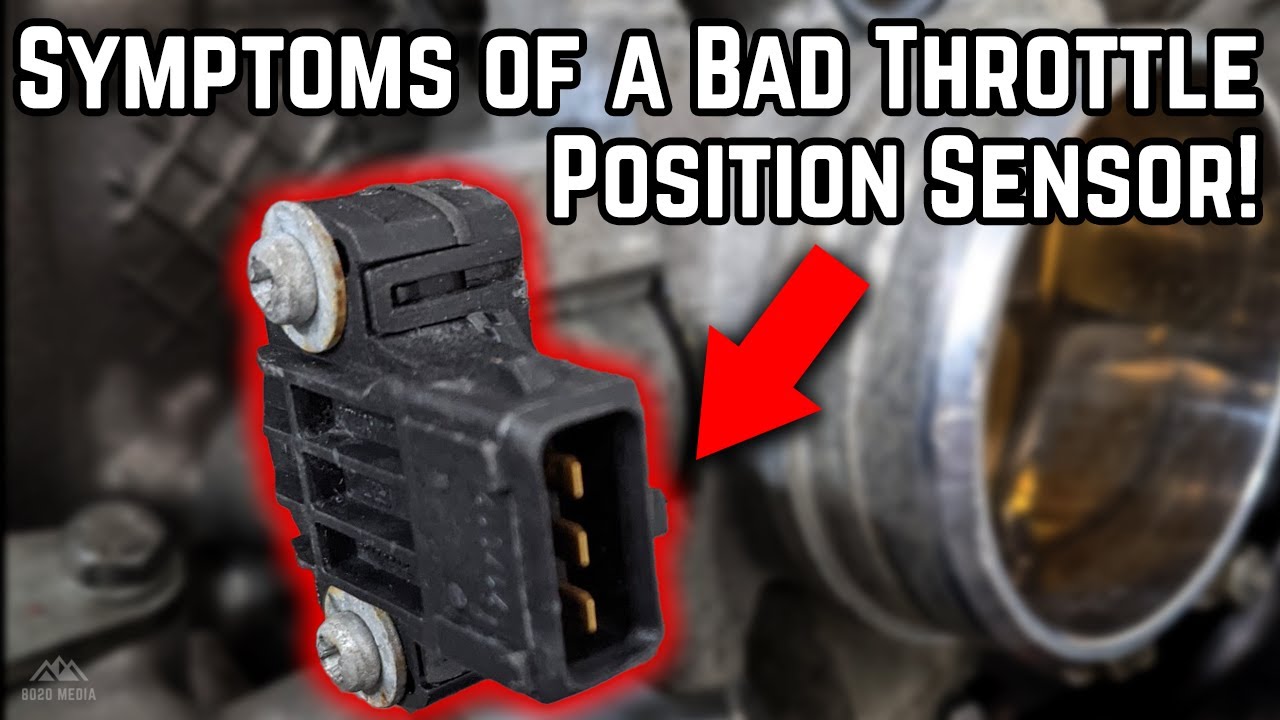
The throttle position sensor (TPS) plays a vital role in your vehicle’s engine performance. It sends signals about the throttle’s position to the engine control unit. Faulty TPS readings can cause several common symptoms. Recognizing these signs can help you address problems early and avoid costly repairs.
Rough Idle And Stalling
A bad TPS often causes the engine to idle roughly. You may notice the engine speed fluctuates unexpectedly. Sometimes, the engine stalls, especially when the vehicle stops or slows down. These issues happen because the sensor sends wrong data about throttle position to the computer. The air and fuel mixture then becomes unbalanced.
Poor Acceleration And Hesitation
The vehicle may hesitate or jerk when you press the gas pedal. Acceleration can feel slow or uneven. The engine struggles to respond smoothly to your input. This happens as the TPS fails to provide accurate throttle position information. The engine control unit cannot adjust the fuel supply correctly, causing lag or hesitation.
Transmission Shifting Issues
Automatic transmissions depend on TPS signals for smooth shifting. Faulty sensor data may cause hard or delayed gear changes. The transmission might shift erratically or get stuck in one gear. These problems arise because the transmission control module relies on throttle position to decide shift timing. Poor signals disrupt this process.
Loss Of Power And Fuel Economy
A damaged TPS can reduce engine power noticeably. The vehicle may struggle to reach higher speeds or climb hills. Fuel efficiency also suffers as the engine runs on an incorrect air-fuel mix. This leads to increased fuel consumption and wasted energy. Monitoring TPS health helps maintain good power and economy.
Causes Of Tps Failure
The throttle position sensor (TPS) plays a crucial role in managing engine performance. It sends the throttle opening data to the engine control unit (ECU). Problems with the TPS can cause engine issues like stalling, poor acceleration, and rough idling. Understanding the causes of TPS failure helps in quick troubleshooting and repair. Below are the common reasons that lead to TPS malfunction.
Incorrect Air/fuel Signals
The TPS controls the air and fuel mixture in the engine. A faulty TPS sends wrong signals to the ECU. This causes the engine to get an improper air/fuel ratio. The result is poor engine performance and increased emissions. Incorrect signals also lead to hesitation and jerking during acceleration.
Sensor Wear And Damage
Over time, the TPS can wear out due to constant use. The internal components may degrade or get damaged. Dirt, moisture, and heat exposure also affect the sensor’s lifespan. Physical damage from impacts or accidents can cause TPS failure. A worn or damaged sensor cannot accurately measure throttle position.
Wiring And Connection Problems
Loose or corroded wiring can disrupt the TPS signal. Broken or frayed wires cause intermittent or no signal to the ECU. Poor electrical connections lead to erratic sensor readings. Faulty connectors or damaged wiring harnesses are common issues. These problems make the TPS unreliable and trigger engine warning lights.
Testing Tps With A Multimeter
Testing the throttle position sensor (TPS) with a multimeter helps find sensor issues quickly. The multimeter measures electrical signals from the sensor. These signals tell how open the throttle is. Accurate signals keep the engine running smoothly.
Testing the TPS involves checking its power, ground, and output voltage. This process helps spot faults like broken wires or bad sensor parts. Keep the engine off and ignition on during testing. Use the multimeter to check each wire carefully.
Identifying Sensor Wires
Start by locating the TPS sensor wires. Most sensors have three wires: power, ground, and signal. Use the vehicle’s wiring diagram to find colors and positions. The power wire usually gets 5 volts from the engine control unit (ECU). The ground wire connects to the car’s chassis or battery negative. The signal wire sends the throttle position voltage back to the ECU.
Checking Power And Ground
Set the multimeter to measure DC voltage. Connect the positive probe to the power wire and the negative probe to ground. The meter should show about 5 volts. Next, check the ground wire. Connect one probe to the ground wire and the other to the battery negative terminal. The reading should be near zero volts, showing a good ground connection.
Measuring Signal Voltage
Turn the ignition to the ON position, but do not start the engine. Connect the positive probe to the signal wire and the negative probe to ground. Slowly open the throttle by hand. Watch the multimeter voltage rise smoothly from about 0.5 volts to near 4.5 volts. A smooth increase means the sensor is working properly.
Detecting Voltage Dropouts And Erratic Readings
While measuring signal voltage, gently wiggle the sensor wires and throttle shaft. Look for sudden voltage drops or jumps on the multimeter. These changes may show poor connections or a failing sensor. Erratic readings mean the sensor may send wrong throttle position data to the ECU. Replace or repair the sensor if you find these faults.
Using An Obd-ii Scanner
An OBD-II scanner is a vital tool for troubleshooting throttle position sensor (TPS) issues. It connects to the vehicle’s computer and reads real-time data. This data helps identify if the TPS sends correct signals. Using this scanner makes diagnosing problems faster and more accurate.
Connecting The Scan Tool
Locate the OBD-II port under the dashboard. Plug the scanner into this port firmly. Turn the vehicle’s ignition to the ON position. Power on the scanner and wait for it to communicate with the car’s computer. Follow the scanner’s instructions to access live data.
Viewing Live Throttle Data
Navigate to the live data or sensor data menu on the scanner. Select the throttle position sensor from the list. Watch the TPS values as you slowly press the gas pedal. The scanner shows the throttle angle as a percentage or voltage. Smooth changes in value indicate proper sensor function.
Analyzing Graph For Smooth Signal
Use the graph feature if available on your scanner. Observe the TPS data curve as you move the throttle. The graph should show a steady rise and fall without sudden drops. A smooth curve means the sensor is working correctly. Jagged or flat spots suggest sensor issues or wiring problems.
Recognizing Faulty Sensor Patterns
Look for erratic readings or sudden jumps in the data. Values that stick or do not change when pressing the pedal signal sensor failure. Fluctuations without throttle movement also indicate problems. Consistent errors trigger trouble codes stored in the computer. These patterns help confirm a bad throttle position sensor.
When To Replace The Tps
Knowing when to replace the throttle position sensor (TPS) can save you time and money. The TPS controls the throttle opening, affecting engine performance. A failing sensor disrupts the air-fuel mixture, causing several engine issues. Watch for signs that indicate the sensor needs replacement.
Voltage Cutouts And No Signal
The TPS sends voltage signals to the engine control unit (ECU). A healthy sensor produces a steady voltage that changes smoothly with throttle movement. Voltage cutouts or a total lack of signal suggest sensor failure. This issue causes the engine to hesitate or stall. Testing the voltage with a multimeter reveals these cutouts clearly.
Erratic Or Unstable Readings
Unstable TPS readings confuse the ECU. Erratic voltage spikes or drops cause rough idling and poor acceleration. You might notice jerking or hesitation during driving. Gently moving the sensor or wires while testing can show unstable signals. Such behavior means the TPS cannot provide reliable data and should be replaced.
Persistent Engine Performance Issues
Some engine problems last despite repairs or adjustments. Rough idling, stalling, or poor fuel economy can indicate a bad TPS. The Check Engine Light may stay on with related error codes. If the engine runs poorly with no other faults found, replacing the TPS often resolves these issues.
Credit: www.youtube.com
Quick Fixes And Maintenance Tips
Quick fixes and regular maintenance keep your throttle position sensor (TPS) working well. Small steps can prevent big problems. These tips help maintain smooth engine performance and avoid costly repairs.
Cleaning The Sensor And Throttle Body
Dust and grime can build up on the TPS and throttle body. This buildup may cause wrong readings. Use a clean cloth and throttle body cleaner to remove dirt. Gently wipe the sensor surface without damaging it. Clean the throttle body to ensure smooth air flow. This improves sensor accuracy and engine response.
Inspecting And Repairing Wiring
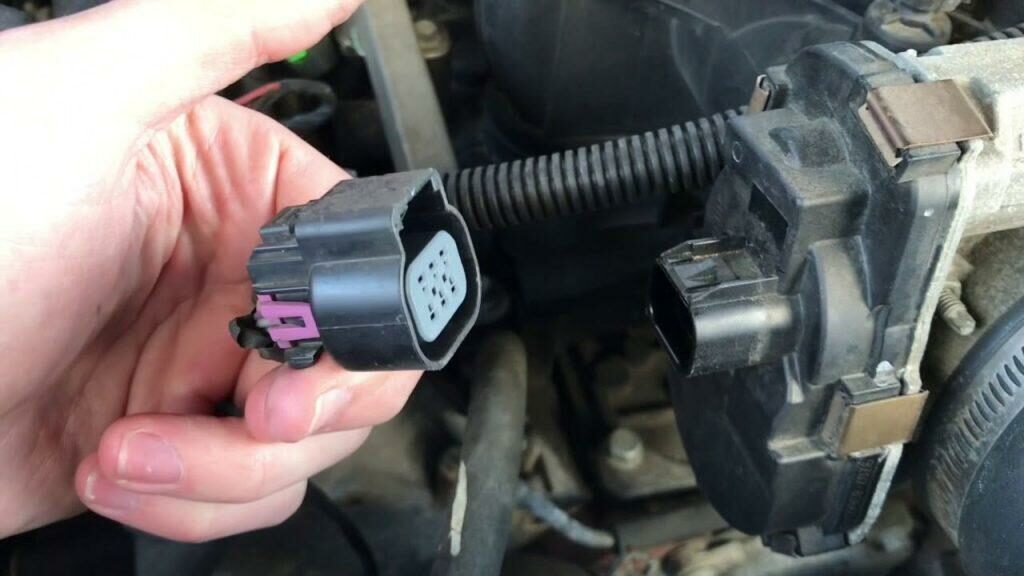
Wiring problems often cause TPS issues. Check for loose or broken wires near the sensor. Look for cracks or corrosion on connectors. Repair damaged wires with electrical tape or replace them. Secure all connections tightly. Proper wiring ensures the sensor sends correct signals to the engine control unit (ECU).
Resetting The Ecu
Resetting the ECU can clear sensor errors. Disconnect the car battery for about 15 minutes. This resets the system and clears stored faults. Reconnect the battery and start the engine. The ECU relearns sensor data and adjusts engine settings. This simple step often fixes minor TPS glitches.
Regular Diagnostic Checks
Use an OBD-II scanner for routine TPS checks. The scanner reads sensor data and error codes. Check for unusual voltage or signal patterns. Early detection helps avoid engine problems. Schedule diagnostic scans during regular vehicle maintenance. This keeps your TPS and engine in top shape.
Credit: pontosagres.com
Frequently Asked Questions
What Happens When The Throttle Position Sensor Goes Bad?
A bad throttle position sensor causes rough idling, poor acceleration, engine stalling, and hesitation. It triggers the Check Engine Light and may cause transmission issues. Incorrect throttle data disrupts fuel-air mix, reducing fuel economy and possibly activating limp mode.
How To Reset Throttle Control Sensor?
To reset a throttle control sensor, disconnect the car battery for 15 minutes. Reconnect it, then start the engine to allow the sensor to recalibrate. Use an OBD-II scanner to clear any error codes for a complete reset.
What Happens If I Unplug My Throttle Position Sensor?
Unplugging the throttle position sensor causes the engine to stall, idle roughly, lose power, and trigger the Check Engine Light. The vehicle may enter limp mode with poor acceleration and erratic shifting. The car’s computer receives no throttle data, disrupting air/fuel mixture and engine performance.
Is There A Way To Test Your Throttle Position Sensor?
Test your throttle position sensor by measuring voltage with a multimeter or scanning live data using an OBD-II tool. Look for smooth voltage changes without dropouts or erratic readings. Erratic, flat, or no signal indicates a faulty sensor needing replacement.
What Are Common Symptoms Of A Bad Throttle Position Sensor?
A bad TPS causes rough idling, poor acceleration, and engine stalling. It may also trigger the Check Engine Light and cause transmission shifting problems.
Conclusion
Troubleshooting a throttle position sensor helps keep your engine running smoothly. Watch for signs like rough idling, poor acceleration, or stalling. Testing with a multimeter or scan tool reveals sensor problems early. Fixing or replacing a faulty sensor improves fuel efficiency and driving performance.
Regular checks prevent bigger engine issues and costly repairs later. Stay attentive to your vehicle’s behavior for safer, more reliable trips. Simple steps can make a big difference in engine health and overall car performance.