If you’ve noticed your car acting up—maybe it’s making strange ticking noises, hesitating when you accelerate, or the dreaded “Check Engine” light has popped on—your timing belt might be the culprit. Ignoring these signs can lead to sudden engine failure and costly repairs.
But how do you know for sure if your timing belt is the problem? And what can you do about it before things get worse? This guide will walk you through the most common symptoms of timing belt issues and simple troubleshooting steps you can take.
By understanding what to look for, you can protect your engine and avoid unexpected breakdowns. Keep reading to learn how to spot timing belt troubles early and keep your car running smoothly.
Credit: www.belttechnologies.com
Signs Of Timing Belt Issues
The timing belt plays a crucial role in engine function. It keeps the camshaft and crankshaft working together. Signs of timing belt issues often appear before total failure. Detecting these signs early helps prevent costly engine damage. Below are common symptoms to watch for.
Ticking And Rattling Noises
A ticking or rattling sound from the engine front can indicate timing belt wear. This noise often happens during startup or acceleration. It may mean the belt is loose or damaged. Ignoring these sounds can lead to belt failure.
Engine Misfires And Rough Running
The engine might misfire or run unevenly if the belt slips. This happens because valve timing becomes incorrect. You may feel shaking or stumbling while driving. Rough running affects engine smoothness and fuel efficiency.
Starting Difficulties
Timing belt problems can cause hard starting or no start at all. The engine may crank but fail to turn over properly. This occurs when the belt fails to turn camshaft and crankshaft together. It is a serious sign needing quick attention.
Loss Of Power And Poor Performance
A worn timing belt can cause loss of engine power. Acceleration may feel weak or jerky. The engine might hesitate or struggle to reach higher speeds. Poor performance affects driving safety and comfort.
Check Engine Light Activation
The check engine light can turn on due to timing belt issues. Sensors detect timing errors and send alerts. This light should never be ignored. Early diagnosis helps avoid engine damage.
Oil Leaks Near Timing Cover
Oil leaks near the timing cover may signal belt or seal problems. Leaking oil can damage the belt and reduce its lifespan. Check for oil spots or wet areas around the engine front. Prompt repair can protect the timing belt.
Credit: www.motoringassist.com
Severe Consequences Of Belt Failure
Timing belt failure can cause serious problems for your vehicle. The belt controls the engine’s timing, so its failure disrupts engine function. This disruption can lead to costly repairs and unsafe driving conditions. Understanding the severe consequences helps you act quickly to prevent damage.
Sudden Engine Shutdown
A timing belt failure often causes the engine to stop suddenly. The belt stops turning, so the camshaft and crankshaft lose synchronization. This results in the engine shutting down without warning. You may lose power on the road, creating a dangerous situation. Restarting the engine might be impossible until repairs are made.
Internal Engine Damage On Interference Engines
Interference engines rely heavily on the timing belt to keep pistons and valves from colliding. If the belt breaks, pistons can hit open valves. This collision causes severe damage to valves, pistons, and sometimes the cylinder head. Repair costs can be very high, often requiring engine rebuilds or replacements. Regular belt inspections and replacements prevent this damage.
Common Causes Of Timing Belt Problems
Timing belts play a crucial role in an engine’s operation. Problems with the timing belt can cause serious engine damage. Understanding common causes helps in early detection and repair. This section covers key reasons behind timing belt issues.
Excessive Belt Tension
Too much tension on the timing belt strains the belt fibers. This causes premature wear and possible belt snapping. Excessive tension often results from improper installation or faulty tensioners. Regular checks keep the tension within safe limits.
Worn Or Damaged Pulleys
Pulleys guide and support the timing belt during operation. Worn or damaged pulleys create uneven surfaces that harm the belt. This damage can cause slipping or tearing. Inspect pulleys for cracks, chips, or rough spots regularly.
High Operating Temperatures
Heat weakens the rubber material of the timing belt. High temperatures cause the belt to dry out and crack. Engines running hot or poor ventilation increase this risk. Keeping the engine cool extends the belt’s life.
Cooling System Issues
Faulty cooling systems raise engine temperature dangerously. Overheating damages the timing belt and other engine parts. Leaks or blockages reduce coolant flow, causing heat buildup. Proper cooling system maintenance prevents timing belt failures.
Effects Of Incorrect Timing
Incorrect timing in your engine can cause serious problems. It affects how the engine runs and can damage parts. The timing belt keeps the engine parts moving in sync. If it slips or breaks, the engine suffers. Several symptoms show up when the timing is off. Knowing these signs helps you avoid costly repairs.
Rough Idling And Engine Misfires
Incorrect timing causes the engine to idle roughly. You may feel the car shake or jerk. Engine misfires happen when fuel does not burn properly. This leads to poor engine performance and uneven running. Rough idling wastes fuel and stresses engine parts.
Engine Knocking And Backfiring
Wrong timing can make the engine knock loudly. Knocking means fuel burns at the wrong time inside the cylinder. Backfiring occurs when unburned fuel ignites in the exhaust. Both problems can damage the engine over time. They also increase noise and reduce driving comfort.
Decreased Fuel Economy
The engine uses more fuel with incorrect timing. Fuel burns less efficiently, wasting gas. This lowers your car’s miles per gallon. Poor fuel economy means you spend more money on fuel. It also increases harmful emissions from the exhaust.
Rattling Or Slapping Noises
Timing belt issues can cause rattling sounds under the hood. The belt may slip or hit engine parts. Slapping noises often mean the belt is loose or worn. Ignoring these sounds can lead to belt failure. Early repair saves your engine from severe damage.
Quick Fixes And Troubleshooting Steps
Troubleshooting a timing belt involves careful checks and quick fixes to prevent bigger issues. Identifying problems early can save time and money. Follow these simple steps to keep your belt and engine running smoothly.
Checking Belt Condition And Tension
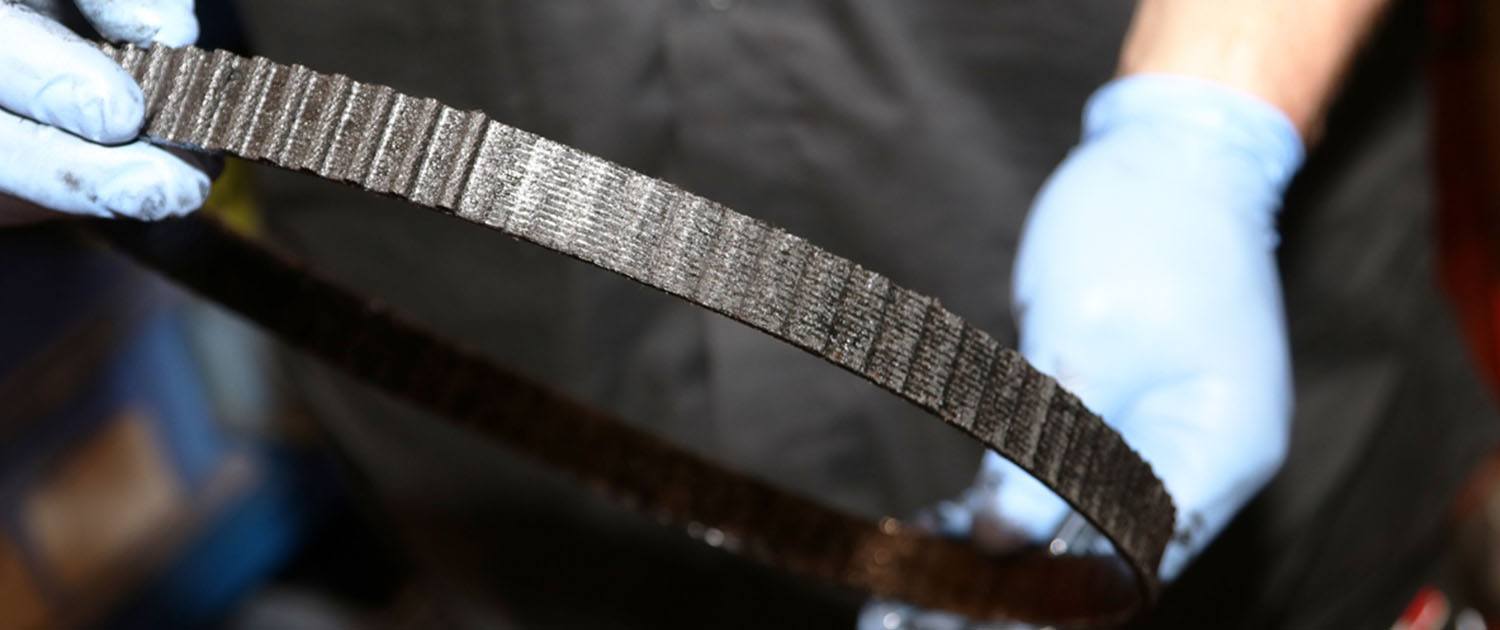
Start by examining the timing belt for cracks, frays, or missing teeth. A worn or damaged belt can cause engine problems. Check the belt tension using a tension gauge or by pressing the belt. It should feel firm but have slight give. Too loose or too tight belts cause slipping or damage. Replace the belt if it shows visible wear or improper tension.
Inspecting Pulleys And Guides
Look closely at the pulleys and belt guides for wear or damage. Worn pulleys can cause the belt to slip or make noise. Spin each pulley by hand; it should move smoothly without wobbling. Check for broken or loose guides that keep the belt aligned. Replace any pulleys or guides showing signs of wear to ensure proper belt tracking and prevent failure.
Addressing Cooling System Problems
Heat affects the timing belt’s lifespan. Inspect the cooling system for leaks or blockages. Overheating can cause the belt to weaken or crack. Check radiator hoses, coolant levels, and the thermostat. Fix any leaks and flush the coolant if dirty. A well-maintained cooling system protects the timing belt from heat damage and extends its life.
When To Seek Professional Help
Some timing belt issues require expert attention. If you hear unusual noises or the engine runs rough after checks, see a mechanic. Avoid driving if the belt slips or breaks, as this can cause severe engine damage. Professionals have tools and experience to diagnose and repair timing belt problems safely. Regular professional inspections help prevent costly repairs.

Credit: www.nicos-shrimps.com
Frequently Asked Questions
How To Tell If Your Timing Belt Is Going Bad?
Listen for ticking noises, engine misfires, rough idling, poor acceleration, or the “Check Engine” light. Check for oil leaks or visible belt cracks. Difficulty starting or sudden engine stops also signal a failing timing belt. Seek professional inspection immediately to avoid severe engine damage.
What Is The Main Cause Of Timing Belt Failure?
The main cause of timing belt failure is excessive tension, worn pulleys, and high operating temperatures from friction or poor cooling.
What Are The Symptoms Of Incorrect Timing?
Symptoms of incorrect timing include rough idling, engine misfires, poor acceleration, knocking noises, backfiring, reduced fuel economy, and the Check Engine Light turning on. Rattling or slapping sounds may also occur, indicating disrupted piston-valve synchronization that risks severe engine damage.
Is There A Way To Test A Timing Belt?
Test a timing belt by checking for ticking noises, engine misfires, rough idling, poor acceleration, and visible belt damage. A mechanic can perform a professional inspection to confirm belt condition.
What Are Common Symptoms Of A Bad Timing Belt?
Common symptoms include ticking noises, engine misfires, rough idling, and loss of power. The “Check Engine” light may also come on. Oil leaks near the timing cover can be a warning sign.
Conclusion
Timing belt problems show clear warning signs. Strange noises, engine misfires, or poor power are common clues. Oil leaks and the “Check Engine” light matter too. Ignoring these signs risks serious engine damage. Regular checks help catch issues early. Fixing problems quickly saves time and money.
Trust a skilled mechanic for proper diagnosis and repair. Keep your vehicle running smoothly and avoid costly breakdowns. Timing belt care protects your engine’s health and performance.