Are your tires wearing out faster than they should? If you’ve noticed uneven tread, strange noises, or reduced handling, your tires might be trying to tell you something important.
Understanding tire wear patterns can save you money, improve your safety, and keep your vehicle running smoothly. In this guide, you’ll learn how to spot common tire wear issues and what they reveal about your car’s health. By the end, you’ll know exactly what steps to take to fix tire wear troubles and avoid costly repairs down the road.
Keep reading to unlock the secrets hidden in your tires and take control of your vehicle’s performance today.
Credit: business.michelinman.com
Common Tire Wear Patterns
Tire wear patterns reveal important clues about your vehicle’s condition. They help identify issues affecting safety and performance. Recognizing common patterns lets you act before problems worsen. This guide covers typical tire wear types and their causes.
Center Wear
Center wear shows as more tread loss in the tire’s middle. It usually means overinflation. Too much air pressure causes the tire to bulge and wear faster at the center. Check tire pressure regularly to avoid this issue.
Edge Wear
Edge wear occurs when the outer edges of the tire wear faster than the center. This often means underinflation. Low air pressure makes the tire sides touch the road more, causing uneven wear. Proper inflation keeps tires wearing evenly.
Inside Wear
Inside wear means the tire’s inner edge wears down quickly. It often signals wheel misalignment or suspension problems. Misaligned wheels tilt tires inward, causing uneven tread loss. Get alignment checked if you notice this pattern.
Toe Wear
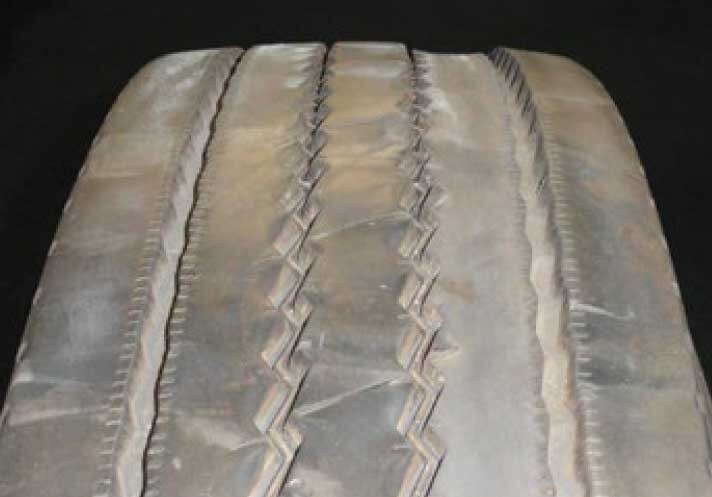
Toe wear shows as feathered or scalloped tread edges. It happens when tires are not aligned correctly side to side. Incorrect toe settings cause tires to scrub the road. Adjusting toe alignment fixes this wear type.
Cupping
Cupping appears as high and low spots on the tire surface. It causes a bumpy ride and noise. Worn shocks or struts usually cause cupping by failing to keep tires in contact with the road. Replace suspension parts to stop cupping.
Flat Spots
Flat spots are smooth, worn patches on the tire tread. They happen from hard braking or locking the wheels. Flat spots reduce traction and increase vibration. Avoid sudden stops and consider tire rotation for prevention.
Causes Of Uneven Tire Wear
Uneven tire wear can shorten the life of your tires and affect driving safety. Understanding the causes helps to fix problems early. Many factors lead to uneven wear patterns on tires. Identifying these causes can save money and improve vehicle performance.
Wheel Alignment Issues
Misaligned wheels cause tires to wear unevenly. Tires may wear more on one side or develop irregular patterns. Poor alignment affects handling and increases tire stress. Regular alignment checks keep tires wearing evenly.
Improper Tire Pressure
Too high or low tire pressure damages tires quickly. Overinflation causes wear in the center of the tread. Underinflation leads to wear on the edges. Correct tire pressure ensures even contact with the road.
Worn Suspension Components
Suspension parts affect tire contact and stability. Worn shocks or struts cause bouncing and uneven tire wear. Damaged bushings or ball joints also disrupt tire alignment. Inspect suspension regularly for smooth tire wear.
Faulty Wheel Bearings
Bad wheel bearings create uneven tire rotation. This causes patchy wear and vibration while driving. Bearings support wheel movement and stability. Replace faulty bearings to prevent tire damage.
Balance Problems
Unbalanced tires cause vibrations and uneven wear spots. Weight imbalances lead to cupping or scalloping on tires. Proper balancing ensures smooth rotation and long tire life.
Effects Of Tire Wear On Vehicle Performance
Tire wear directly affects how a vehicle performs on the road. As tires lose tread, their ability to grip the surface weakens. This leads to changes in handling, braking, and fuel use. Worn tires also impact safety features that depend on good traction. Understanding these effects helps maintain vehicle safety and efficiency.
Handling And Stability
Worn tires reduce grip on the road. This causes poor handling and less control. Sharp turns become riskier. The vehicle may feel unstable, especially at high speeds. Uneven tire wear can pull the vehicle to one side. This makes steering difficult and tiring for the driver.
Braking Efficiency
Tire tread helps stop a vehicle quickly. When tread wears down, braking distances increase. Wet or slippery roads become more dangerous. Tires lose their ability to channel water away. This raises the risk of skidding or hydroplaning. Good tread depth is essential for safe braking.
Fuel Economy
Worn tires increase rolling resistance. This means the engine works harder to move the car. More fuel is consumed as a result. Proper tire tread helps maintain smooth movement. Keeping tires in good condition saves money on fuel. It also reduces harmful emissions from the vehicle.
Safety Systems Impact
Modern cars use systems like ABS and traction control. These rely on accurate tire grip and rotation. Worn tires can cause these systems to work incorrectly. This reduces their ability to prevent accidents. Regular tire checks keep safety features functioning well. They help protect drivers and passengers on every trip.

Credit: www.youtube.com
Inspecting Tires For Wear
Regularly inspecting tires for wear keeps driving safe and smooth. Tires wear down from road contact, pressure, and alignment issues. Early checks catch problems before they get worse. This saves money and prevents accidents.
Tread Depth Measurement
Check tread depth to know if tires still grip well. Use a tread depth gauge or a simple penny test. Insert the penny into the tread with Lincoln’s head down. If you see the top of his head, tread is too low. Replace tires to avoid slipping on wet roads.
Visual Signs Of Damage
Look closely for cuts, cracks, or bulges on tire surfaces. These damages weaken the tire’s structure and can cause blowouts. Check sidewalls and tread for any foreign objects like nails. Remove small stones stuck in grooves to prevent slow leaks.
Checking For Uneven Wear
Uneven wear shows as more wear on one side or in patches. It often points to wheel misalignment or suspension problems. Overinflated tires wear in the center; underinflated ones wear on edges. Rotate tires every 5,000 to 8,000 miles to ensure even wear.
Using Wear Indicators
Tires have built-in wear indicators in the grooves. These raised bars become visible as tread wears down. When indicators show, tire tread is too thin for safe driving. Replace tires immediately to maintain proper traction and control.
Maintenance Tips To Extend Tire Life
Proper maintenance helps extend tire life and improves safety. Regular care prevents uneven wear and costly replacements. These simple steps keep tires in good shape longer.
Regular Wheel Alignment
Wheel alignment ensures tires meet the road at the right angle. Misaligned wheels cause uneven tire wear. Check alignment at least once a year or after hitting potholes. Proper alignment improves handling and fuel efficiency.
Correct Tire Inflation
Maintain tire pressure as recommended by the vehicle manufacturer. Underinflated tires wear on the edges and reduce fuel economy. Overinflated tires wear in the center and lower traction. Check pressure monthly and before long trips.
Suspension And Steering Checks
Worn suspension parts cause uneven tire wear and poor handling. Inspect shocks, struts, and steering components regularly. Replace damaged parts to keep tires wearing evenly. Good suspension improves ride comfort and tire life.
Tire Rotation Schedules
Rotate tires every 5,000 to 7,000 miles to balance wear. Front and rear tires wear differently due to weight and drive type. Rotating tires promotes even tread wear and extends tire life. Follow your vehicle’s rotation pattern for best results.
Seasonal Tire Considerations
Seasonal changes affect how tires wear and perform. Choosing the right tires for each season helps keep your vehicle safe and extends tire life. Understanding when and why to switch tires is key to avoiding uneven wear and poor handling.
Switching To Winter Tires
Winter tires have softer rubber that stays flexible in cold weather. This helps maintain grip on ice and snow. Using winter tires in cold months reduces slipping and improves braking. Changing to winter tires before temperatures drop below 45°F protects your tires from hardening and cracking.
Returning To Summer Or All-season Tires
Summer and all-season tires work best in warmer weather. Their harder rubber lasts longer on dry and wet roads. Switching back when temperatures rise prevents winter tires from wearing too fast. Using the right tires in warm weather keeps your vehicle stable and responsive.
Temperature Effects On Tire Performance
Cold temperatures make tire rubber stiff and less sticky. This reduces traction and increases wear on hard tires. Warm weather softens the rubber, improving grip but causing faster tread wear on winter tires. Matching tires to the season balances safety and tire lifespan effectively.
Tools And Techniques For Tire Care
Proper tire care extends tire life and improves safety. Using the right tools helps spot issues early and fix them quickly. These tools measure pressure, check alignment, balance tires, and calculate wear. Understanding each tool’s use keeps your tires in good shape and your ride smooth.
Using Tire Pressure Gauges
Tire pressure gauges measure air pressure inside tires. Correct pressure prevents uneven wear and improves fuel efficiency. Digital and analog gauges are easy to use. Check pressure monthly or before long trips. Inflate tires to the manufacturer’s recommended level. Low pressure causes sidewall wear; high pressure wears the center tread.
Wheel Alignment Tools
Wheel alignment tools ensure tires point straight and rotate evenly. Poor alignment causes uneven tire wear and poor handling. Technicians use laser or camera-based systems for precise measurements. Regular alignment checks prevent inside or outside edge wear. Proper alignment improves vehicle stability and tire lifespan.
Balancing Equipment
Balancing equipment detects uneven weight distribution in tires. Unbalanced tires cause vibration and uneven tread wear. The machine spins the tire and finds heavy spots. Technicians add small weights to balance the tire. Balanced tires provide a smoother ride and extend tire life.
Tire Wear Calculators
Tire wear calculators estimate remaining tread life based on wear patterns. Enter tread depth and wear type into the calculator. It helps decide when to replace tires safely. Some apps compare current wear with the original tire specs. Using these calculators prevents driving on worn, unsafe tires.

Credit: rnrtires.com
Frequently Asked Questions
What Is The 3% Tire Rule?
The 3% tire rule limits tire size changes to a 3% difference in diameter. This ensures speedometer accuracy, safety system function, and proper handling. Keeping tire diameter within 3% prevents rubbing and maintains vehicle performance and clearance.
What Is The 7 7 Rule For Tires?
The 7-7 rule for tires means maintaining at least 7/32 inch tread depth and replacing tires every 7 years for safety and performance.
What Are The Three Main Causes Of Abnormal Tire Wear?
The three main causes of abnormal tire wear are improper wheel alignment, incorrect tire pressure, and worn suspension components. These factors lead to uneven tread wear and reduce tire lifespan. Regular maintenance helps prevent these issues and ensures even tire wear.
What Is The 25 Cent Trick On Tires?
The 25 cent trick on tires involves using a quarter to check tread depth. Insert it; if Lincoln’s head is visible, replace tires. This quick test helps ensure tire safety and adequate traction.
What Causes Uneven Tire Wear On My Vehicle?
Uneven tire wear often results from bad wheel alignment or incorrect tire pressure. Worn suspension parts also lead to uneven wear patterns. Checking these helps extend tire life and improve safety.
Conclusion
Tire wear tells a story about your vehicle’s health. Spotting unusual patterns helps catch problems early. Keep your tires properly inflated and aligned. Regular checks prevent uneven wear and extend tire life. Safe driving depends on good tire condition. Fixing issues quickly saves money and avoids risks.
Stay alert to changes in tire tread. This simple care keeps you safe on the road.