Is your toilet acting up again? Whether it’s a stubborn clog, a weak flush, or that annoying constant running sound, toilet troubles can quickly disrupt your day.
But don’t worry—you don’t need to call a plumber every time something goes wrong. Understanding the common issues and how to fix them can save you time, money, and stress. In this guide, you’ll discover easy, step-by-step solutions to the most frequent toilet problems.
Ready to take control of your bathroom? Keep reading and learn how to troubleshoot your toilet like a pro!
Credit: www.1tomplumber.com
Common Toilet Clogs
Toilet clogs are a frequent problem in many homes. They happen when waste or other items block the toilet’s drain. This causes slow drainage or stops water flow completely. Knowing how to fix common clogs saves time and money. It also prevents damage to your plumbing system.
Causes Of Blockages
Blockages often occur from flushing too much toilet paper. Non-flushable items like wipes, paper towels, or toys also cause clogs. Sometimes, hardened mineral deposits build up inside pipes. These deposits narrow the drain and trap waste. Understanding the cause helps to choose the right fix quickly.
Using A Plunger
A plunger is the most common tool to clear a clog. Place the plunger over the hole at the bottom of the bowl. Push down and pull up with strong, steady pressure. This action creates suction that can loosen the blockage. Repeat several times until water drains freely. Avoid using too much force to prevent damage.
Toilet Auger Techniques
A toilet auger is a special tool for tough clogs. Insert the auger’s coil into the toilet drain. Turn the handle clockwise to push or break up the clog. Pull the auger out carefully to avoid splashing. This method reaches deeper blockages that a plunger cannot clear. Clean the auger after use to keep it in good condition.
Weak Flush Issues
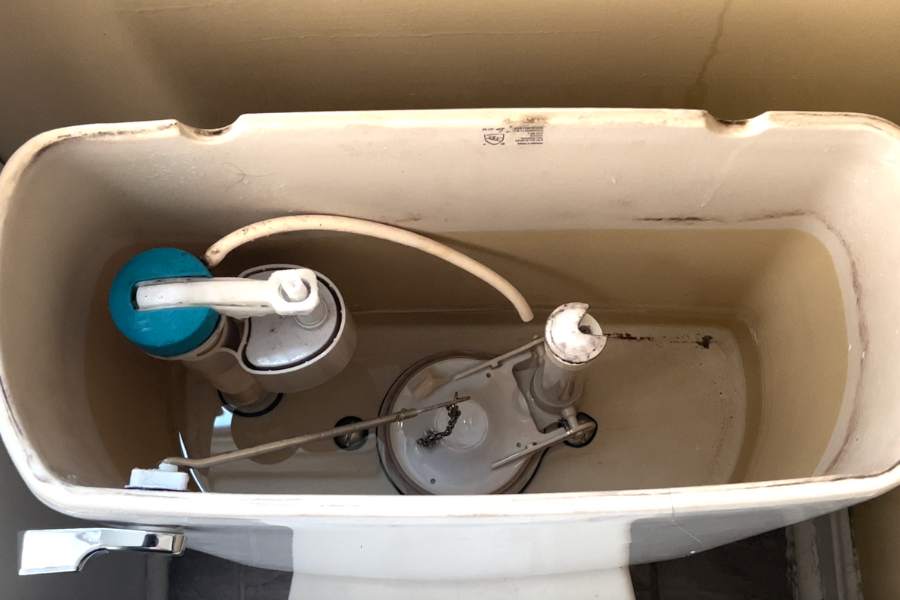
Weak flush issues can cause frustration and wasted water. A toilet that does not flush strongly may leave waste behind. Several simple fixes often restore a full flush. Start by checking the water level in the tank. Then inspect the flapper chain for proper tension. Finally, clean the rim jets where water flows out. These steps improve flush power and save water.
Adjusting Water Levels
The water level in the tank affects flush strength. Too low water means less force to clear the bowl. Open the tank lid and look for the water height mark. It should be about one inch below the overflow tube. Adjust the float ball or cup to raise the water level. This small change increases the water released during a flush.
Flapper Chain Fixes
The flapper chain connects the handle to the flapper valve. If the chain is too loose, the flapper won’t lift fully. If too tight, the flapper may stay open. Adjust the chain length so the flapper lifts completely then seals tightly. This ensures a full flush and prevents water waste. Check the flapper for wear and replace if needed.
Cleaning Rim Jets
Rim jets are small holes under the toilet bowl rim. They direct water to clean the bowl during a flush. Mineral deposits often clog these jets, reducing water flow. Use a wire or brush to clear the holes gently. Vinegar can dissolve mineral buildup effectively. Clean jets restore proper water distribution and improve flush power.
Running Toilet Fixes
A running toilet wastes water and raises utility bills. Fixes for running toilets often involve simple parts inside the tank. Identifying the cause helps save water and money quickly. Three main checks solve most running toilet problems.
Flapper Seal Checks
The flapper controls water flow from the tank to the bowl. A worn or damaged flapper causes leaks and constant running. Lift the tank lid and inspect the flapper for cracks or warping. Replace it if the seal looks poor or feels sticky. Proper flapper sealing stops water from leaking into the bowl.
Fill Valve Repairs
The fill valve refills the tank after each flush. A faulty fill valve can cause water to run nonstop. Check for water flowing into the overflow tube, a sign of valve issues. Clean any debris around the valve or adjust the float to stop overflow. Replace the fill valve if cleaning does not fix the problem.
Food Coloring Test
This simple test reveals hidden leaks in the tank. Add a few drops of food coloring into the tank water. Wait 15 to 20 minutes without flushing. If colored water appears in the bowl, the flapper or valve leaks. The food coloring test helps confirm the source of running water quickly.
Leaks Around The Base
Leaks around the base of a toilet often signal a problem with the seal between the toilet and the floor. This seal is crucial to keep water from escaping during flushing. A common cause of these leaks is a damaged or worn-out wax ring. The wax ring creates a waterproof barrier. When it fails, water seeps out, causing damage to the floor and possible mold growth.
Detecting leaks early can save money and prevent bigger repairs. Signs of a bad wax ring include water pooling around the toilet base and a foul odor. The toilet may rock or move slightly, showing the seal is no longer tight. Addressing these symptoms quickly avoids further damage and keeps the bathroom safe.
Wax Ring Symptoms
Water around the base of the toilet is the main symptom of wax ring failure. You might see dampness or puddles after flushing. The floor near the toilet may feel soft or weak, another warning sign. A strong sewer smell can also indicate the wax ring has lost its seal. Movement in the toilet when you sit or lean on it is a physical clue the ring may be compromised.
Replacing The Wax Ring
Begin by turning off the water supply and draining the toilet. Remove the toilet carefully, lifting it straight up to avoid damage. Scrape off the old wax ring completely from the base and the flange on the floor. Place a new wax ring firmly on the flange. Set the toilet back in place, pressing down evenly to create a tight seal. Tighten the bolts but do not overtighten to avoid cracking the porcelain. Reconnect the water supply and test for leaks by flushing several times.
Noisy Toilet Solutions
Noisy toilets disrupt peace and waste water. Fixing the noise often saves money and prevents bigger problems. Noise usually comes from the fill valve inside the tank. Understanding the noise type helps find the right solution. Quieting a toilet makes your home more comfortable and eco-friendly.
Identifying Fill Valve Noise
Fill valve noise sounds like hissing, whistling, or running water. The noise starts after flushing and lasts while the tank refills. A worn or dirty valve often causes this sound. High water pressure can also increase noise. Check the water supply valve and the fill valve for damage or dirt. Cleaning or adjusting the valve may reduce noise.
Fill Valve Replacement
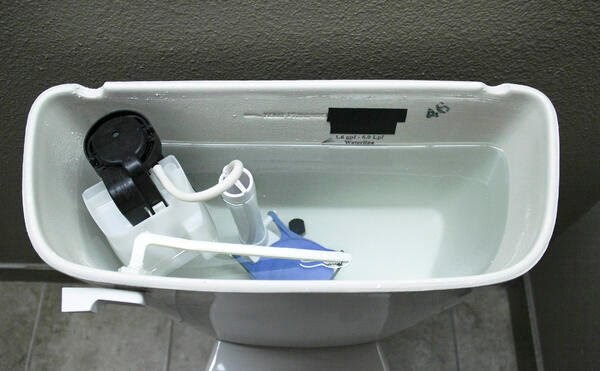
Replacing the fill valve is simple and stops most noises. Turn off the water supply first. Flush the toilet to empty the tank. Remove the old fill valve by loosening the lock nut under the tank. Install the new valve following the instructions. Adjust the valve height and float to the correct water level. Turn the water back on and test for leaks and noise.

Credit: www.givingtreehome.com
Flush Handle And Chain Repair
The flush handle and chain play key roles in your toilet’s flushing action. Problems here often cause weak or no flush. Fixing these parts can restore proper flushing quickly.
Simple repairs usually involve tightening loose parts, adjusting chain length, or replacing worn components. These fixes need no special tools and save time and money.
Tightening Connections
Loose connections between the handle and tank cause poor flushing. Use a wrench to tighten the nut inside the tank. Turn it gently to avoid breaking plastic parts. Tightening stops handle wobble and improves flush response.
Adjusting Chain Length
The chain links the handle lever to the flapper. Too long or too short chain causes flushing issues. Adjust the chain so it lifts the flapper fully without excess slack. Proper length ensures a strong flush and prevents running water.
Replacing Handle Or Chain
Old or broken handles and chains need replacement. Remove the tank lid carefully. Unscrew the handle nut and detach the chain. Install the new handle and connect the chain at the correct length. Test the flush to confirm smooth operation.
Seat And Bolt Troubleshooting
Seat and bolt issues often cause discomfort and instability in toilet use. These parts wear out or loosen over time. Troubleshooting them can restore safety and comfort quickly. Many seat problems happen due to loose bolts or cracks in the seat itself. Fixing these problems does not require special tools or skills. Simple steps can make the toilet seat secure and stable again.
Fixing Wobbly Seats
Wobbly toilet seats usually result from loose bolts under the seat. Start by locating the bolts at the back of the seat. Use a screwdriver or wrench to tighten them gently. Avoid overtightening, which can crack the seat. If bolts spin without tightening, hold the nuts underneath with pliers. Check the seat stability after tightening. Repeat if the seat still moves. Adding washers can help if bolts are loose in the holes.
Replacing Cracked Seats
Cracked seats affect comfort and safety. Remove the old seat by unscrewing the bolts at the back. Take the seat to the store to find a matching replacement. New seats come in different shapes and sizes; choose one that fits your toilet bowl. Install the new seat by aligning the bolt holes. Tighten the bolts securely but carefully. Clean the area before installing the new seat for better hygiene. Regularly check the seat to prevent future cracks.
Credit: www.althoffind.com
Prevention Tips
Preventing toilet bowl problems saves time and money. Simple habits keep toilets working well. Regular care stops common issues before they start. Follow these easy prevention tips to maintain a healthy toilet bowl.
Proper Flushing Habits
Flush only human waste and toilet paper. Avoid flushing wipes, cotton balls, or feminine products. These items cause clogs and damage pipes. Use the right amount of toilet paper. Do not overload the bowl with too much paper. Gentle flushing helps keep the system clear.
Avoiding Mineral Buildup
Hard water causes mineral deposits in toilet jets. These deposits block water flow and weaken flushing power. Pour vinegar into the bowl once a week to dissolve buildup. Use a brush to scrub under the rim regularly. Softening water helps reduce mineral problems too.
Regular Cleaning
Clean the toilet bowl at least once a week. Use a mild cleaner and a toilet brush to remove stains. Pay attention to the rim and under the seat. Regular cleaning prevents bacteria and grime buildup. A clean bowl ensures smooth flushing and better hygiene.
Frequently Asked Questions
What Is The Most Common Toilet Flush Problem?
The most common toilet flush problem is a clog caused by excess toilet paper or flushing inappropriate items.
What Is The Most Common Toilet Repair?
The most common toilet repair is replacing the flapper. It stops running or leaking caused by a worn rubber seal. Adjusting or replacing the flapper and chain often fixes flushing issues. This repair is simple and cost-effective for most homeowners.
How Can You Tell If A Toilet Wax Ring Is Leaking?
Check for water pooling around the toilet base or a damp floor. Notice a sewer smell or wobbling toilet. These signs indicate a leaking wax ring.
What Are The Most Common Problems In The Toilet?
Common toilet problems include clogs from excess paper, running toilets due to worn flappers, weak flushes from low water or blocked jets, leaks at the base caused by faulty wax rings, and noisy fill valves. Most issues fix with simple adjustments or part replacements.
What Causes A Toilet To Clog Frequently?
Toilets often clog due to too much toilet paper or flushing non-flushable items. Using a plunger or auger usually clears the blockage fast.
Conclusion
Toilet bowl problems happen to everyone. Simple fixes often solve most issues fast. Use a plunger or auger for clogs. Check and adjust the flapper for running toilets. Clean rim jets to improve flushing power. Avoid flushing wipes or extra paper to prevent blockages.
Regular cleaning keeps your toilet working well longer. Small steps save time and money on repairs. Stay calm and tackle problems step by step. Your toilet will work smoothly again with basic care.