Is your vehicle feeling less responsive, or do you notice strange noises when you accelerate? These could be signs that your torque converter is acting up.
The torque converter plays a crucial role in transferring power from your engine to the transmission, and when it’s not working properly, your car’s performance can suffer in ways you might not expect. You might experience shuddering, delayed acceleration, or even a burning smell—symptoms that shouldn’t be ignored.
In this guide, you’ll learn how to spot the warning signs of torque converter trouble, understand what might be causing these issues, and discover simple steps you can take to troubleshoot before costly repairs become inevitable. Keep reading to take control of your car’s health and avoid unexpected breakdowns.
Signs Of Torque Converter Problems
The torque converter plays a key role in your vehicle’s transmission system. It helps transfer power from the engine to the transmission smoothly. Problems with the torque converter can cause several noticeable issues. Recognizing these signs early can prevent bigger repairs and keep your car running well.
Below are common signs that point to torque converter problems. Watching for these symptoms helps in quick diagnosis and fixing.
Shuddering And Vibration
A shaky or vibrating feeling during acceleration often signals torque converter trouble. The car may shudder at low speeds or when shifting gears. This happens because the torque converter cannot transfer power evenly, causing uneven movement.
Delayed Or Sluggish Acceleration
The engine may rev higher than normal, but the car reacts slowly or feels weak. This delay means the torque converter is slipping and not engaging the transmission properly. Acceleration feels sluggish or hesitant, making driving unsafe.
Engine Stalling At Idle
Your car might stall or die when stopped but still in gear. This happens because the torque converter fails to maintain the engine’s power at idle. The engine struggles to keep running, causing it to stall unexpectedly.
Burning Smell And Fluid Issues
A strong burning odor near the transmission can indicate torque converter problems. Transmission fluid may look dark, dirty, or smell burnt. These signs show the fluid is overheating or contaminated, which damages the torque converter and transmission.
Unusual Noises And Overheating
Listen for whining, rattling, or grinding sounds from the transmission area. These noises often grow louder with acceleration or when the car is idling. Overheating warnings may also appear, signaling excess friction inside the torque converter.
Common Performance Issues
Troubles with a torque converter often show up as performance problems. These issues affect how smoothly your car runs. Recognizing common signs helps you address them early. Fixing problems quickly can save expensive repairs later.
Jerking And Surging
Jerking happens when the car moves in sudden, uneven bursts. Surging feels like the vehicle speeds up and slows down without warning. These issues often point to torque converter slipping or damaged internal parts. Dirty or low transmission fluid may also cause jerking and surging. Checking fluid levels and condition is a good first step.
Inconsistent Power Delivery
Inconsistent power means your car sometimes struggles to accelerate. The engine may rev but the car lags behind. This problem usually results from poor torque transfer inside the converter. Worn clutches or broken seals can cause this condition. A smooth, steady power flow is key for safe driving.
Stalling During Stops
Stalling occurs when the engine dies while stopping or idling in gear. This issue signals a torque converter that fails to disengage properly. It puts extra strain on the engine and transmission. Low or contaminated transmission fluid may worsen stalling. Addressing stalling quickly can prevent total transmission failure.
Fluid And Smell Indicators
Fluid and smell indicators give important clues about torque converter health. Checking the transmission fluid’s color and smell helps spot early problems. These signs often point to overheating or internal damage. Acting quickly can prevent costly repairs and keep your vehicle running smoothly.
Checking Transmission Fluid Color
Transmission fluid should be bright red or pink. Dark or brown fluid shows wear or burning inside the torque converter. Cloudy or black fluid means contamination or overheating has occurred. Check the fluid with a clean dipstick. Avoid opening the transmission when the engine is hot to prevent injury. Regular fluid checks help catch issues early and extend transmission life.
Identifying Burnt Odors
A burnt smell from the transmission area signals trouble. This odor often comes from overheated fluid or slipping parts inside the torque converter. The smell may be faint at first but grows stronger over time. Pay attention to strange smells during drives, especially after heavy use. A burnt odor means fluid needs replacement and the torque converter should be inspected for damage.
Sound And Heat Clues
Sound and heat clues provide important hints about torque converter problems. These signs often appear before severe damage occurs. Noticing unusual noises or rising heat helps catch issues early. Pay close attention to what your vehicle tells you through sound and temperature. This can save costly repairs and keep your transmission running smoothly.
Whining And Grinding Noises
Whining noises from the transmission often signal torque converter trouble. This sound grows louder as engine load increases. Grinding noises point to internal damage or worn parts inside the converter. These sounds usually happen during acceleration or when idling. Ignoring them risks further damage to the transmission system. Early diagnosis and repair reduce the chance of complete failure.
Transmission Overheating Signs
Overheating is a common symptom of torque converter problems. Excess heat causes transmission fluid to break down quickly. Watch for the transmission temperature warning light on your dashboard. Hot transmission fluid smells burnt and looks dark or dirty. Overheating leads to slipping and poor power transfer. Keeping the transmission cool protects internal parts and extends vehicle life.
Initial Troubleshooting Steps
Starting with initial troubleshooting steps helps identify torque converter problems early. These simple checks can save time and money. Begin with basic inspections and listen carefully for unusual sounds. Know when professional help is necessary to avoid further damage.
Inspecting Fluid Level And Condition
Check the transmission fluid level first. Low fluid causes slipping and poor performance. The fluid should be bright red and clear. Dark, dirty, or burnt-smelling fluid signals trouble. Use the dipstick to inspect fluid, and top up if needed. Replace fluid if it looks contaminated.
Listening For Noises And Vibrations
Listen closely while the engine runs. Whining, rattling, or grinding noises often mean torque converter issues. Pay attention to vibrations or shuddering during acceleration. These sounds can worsen with speed or load. Early detection helps prevent costly repairs.
When To See A Mechanic
Visit a mechanic if fluid checks and noise listening show problems. Stalling, delayed acceleration, or strong burning smells require expert diagnosis. Professionals can test the torque converter and transmission thoroughly. Acting fast protects your vehicle’s transmission system.
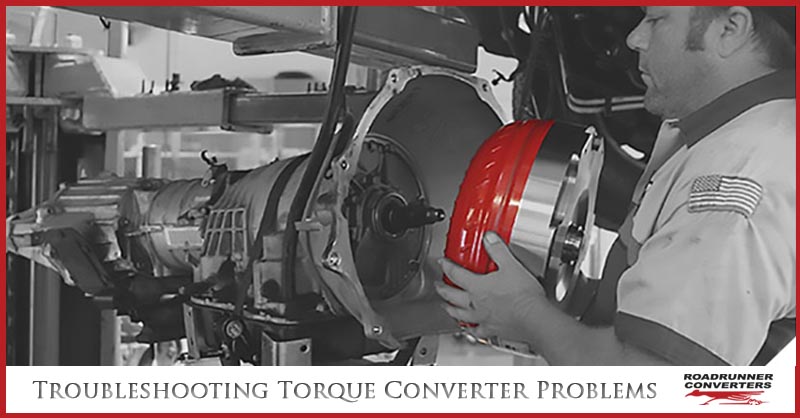
Credit: www.roadrunnerconverters.com
Common Misdiagnoses To Avoid
Misdiagnosing torque converter issues can lead to unnecessary repairs and extra costs. Many problems mimic torque converter failure but have different causes. Identifying the real issue saves time and money. Here are common misdiagnoses to avoid during torque converter troubleshooting.
Engine Misfire Confusion
Engine misfires cause shaking and power loss. These symptoms look like torque converter problems. Check spark plugs, ignition coils, and fuel system first. Misfires affect engine performance, not transmission. Proper engine diagnostics prevent wrong repairs on the torque converter.
Low Or Dirty Transmission Fluid
Dirty or low transmission fluid causes slipping and overheating. These signs often seem like torque converter failure. Check fluid level and color regularly. Clean, full fluid ensures smooth transmission work. Replacing or topping fluid can fix many issues without changing parts.
Faulty Transmission Solenoid
The transmission solenoid controls fluid flow inside the transmission. A bad solenoid causes shifting problems and hesitation. Symptoms match torque converter trouble. Use a scanner to test solenoid function. Fixing the solenoid might restore normal operation without replacing the torque converter.
Worn Clutches And Bands
Clutches and bands inside the transmission wear over time. They cause slipping, shuddering, and delayed engagement. These symptoms resemble torque converter failure. A detailed transmission inspection reveals worn parts. Repairing clutches and bands prevents unnecessary torque converter replacement.
Tire And Wheel Vibrations
Vibrations from tires or wheels can mimic torque converter shuddering. Unbalanced wheels or worn tires cause shaking at certain speeds. Inspect tires and wheel alignment before blaming the transmission. Fixing tire issues often stops vibrations and improves ride comfort.
Differentiating Torque Converter And Transmission Issues
Understanding the difference between torque converter and transmission issues is key to proper vehicle care. Both parts work closely, but their problems show different signs. Identifying the root cause saves time and money. It also helps avoid unnecessary repairs or replacements.
Torque Converter Symptoms
Torque converter problems often cause shuddering or vibration during acceleration. The engine may rev, but the car moves slowly or hesitates. Stalling at idle, especially when the vehicle is in gear, is common. A burning smell near the transmission area signals trouble. Dark or dirty transmission fluid can also indicate a failing torque converter. Unusual noises like whining or rattling often come from the converter. These symptoms point to poor power transfer from the engine to the transmission.
Transmission Mechanical Problems
Transmission issues usually involve hard shifting or slipping between gears. You might hear grinding or clunking sounds during gear changes. The transmission can overheat, causing the temperature warning light to activate. Fluid leaks or low fluid levels also suggest transmission problems. Unlike torque converter issues, these problems affect the vehicle’s ability to change gears smoothly. Mechanical failures inside the transmission often require professional repair or rebuild.
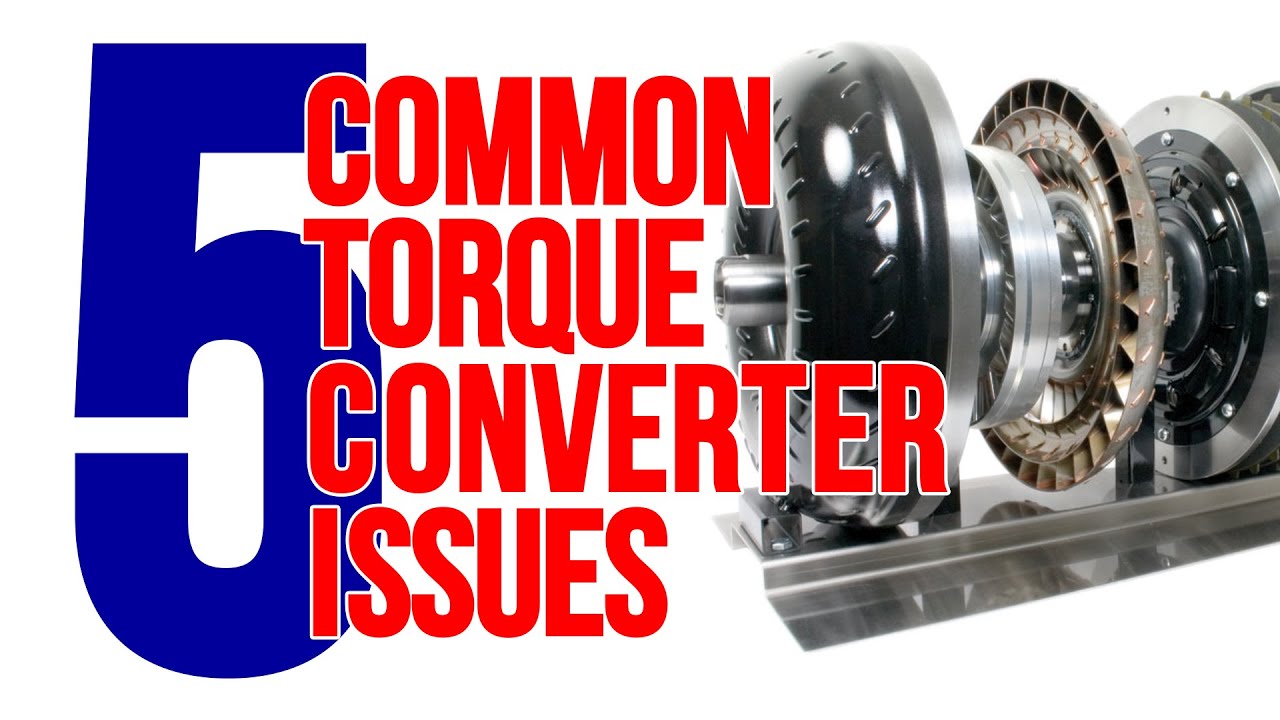
Credit: www.youtube.com
Professional Testing Methods
Professional testing methods help identify torque converter issues accurately. These tests go beyond simple observation. They reveal hidden problems that affect vehicle performance. Skilled technicians use specific procedures to diagnose faults effectively. This approach saves time and avoids guesswork.
Fluid Inspection First
Start by checking the transmission fluid. Clear, red fluid shows good health. Dark, burnt fluid signals overheating or damage. Look for metal particles or debris too. These signs point to internal wear. Fluid inspection is quick and reveals many problems early.
Pressure And Stall Tests
Pressure tests measure hydraulic pressure inside the transmission. Low pressure means the torque converter may fail to engage properly. Stall tests check how the engine and transmission interact under load. A low stall speed suggests slipping or worn components. These tests provide precise data about converter performance.
Avoiding Unnecessary Replacements
Not all symptoms need a torque converter change. Testing separates true failures from other issues. Transmission fluid problems or sensors can mimic converter faults. Proper diagnosis prevents costly parts replacement. It also ensures repairs target the real problem, improving vehicle reliability.
Simple Diy Torque Converter Test
Testing a torque converter at home is easier than many think. A simple DIY torque converter test helps spot common issues early. This quick check can save money and time by identifying problems before they worsen.
The test requires only basic tools and a little patience. Follow clear steps to ensure accurate results. This guide walks through the process in an easy, step-by-step way.
Step-by-step Testing Procedure
- Park the vehicle on level ground and apply the parking brake.
- Start the engine and let it warm up to normal temperature.
- Shift the transmission into “Drive” and hold your foot on the brake.
- Listen for unusual noises like whining or rattling.
- Slowly release the brake and observe if the car moves smoothly.
- Shift into “Reverse” and repeat the same observation.
- Shift back to “Drive” and press the gas pedal gently.
- Watch for shuddering, jerking, or delayed acceleration.
- Turn off the engine and check transmission fluid for dark color or burnt smell.
- Record your observations to share with a mechanic if needed.
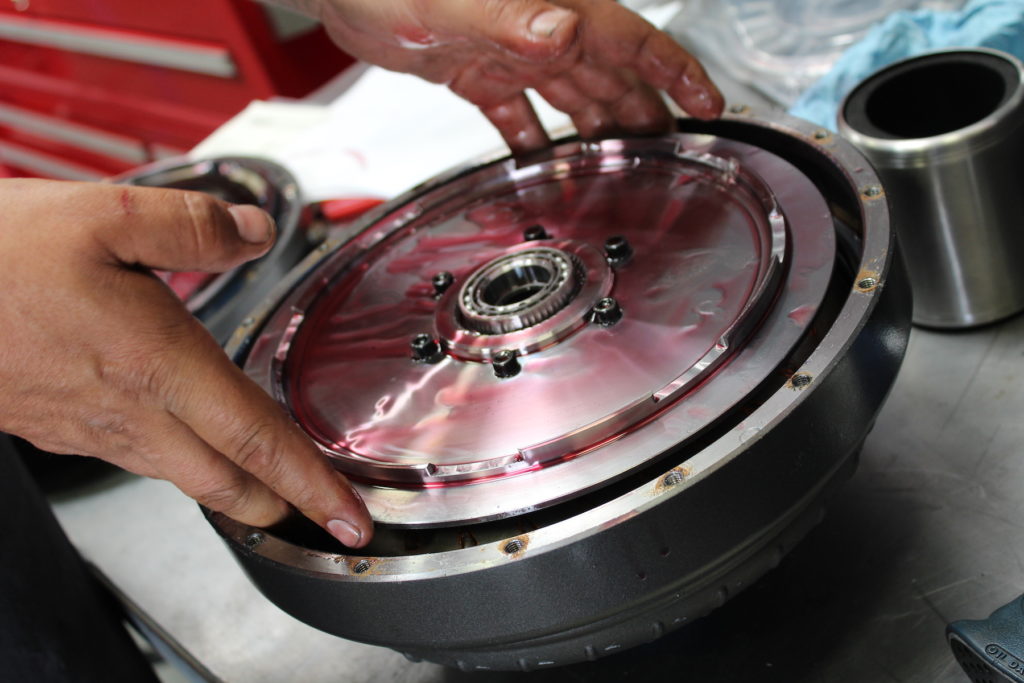
Credit: www.onallcylinders.com
Frequently Asked Questions
What Could Be Mistaken For A Bad Torque Converter?
Symptoms like engine misfire, low or dirty transmission fluid, faulty solenoids, worn clutches, or bad tires can mimic a bad torque converter. Check fluid quality and listen for noises to differentiate issues accurately.
Is There Any Way To Test A Torque Converter?
Test a torque converter by checking transmission fluid condition, listening for unusual noises, and observing symptoms like shuddering or slipping. Use a scan tool to read transmission codes and perform a stall speed test to measure converter performance accurately. Consult a mechanic for precise diagnostics.
What Are The Symptoms Of A Locked Up Torque Converter?
Symptoms of a locked-up torque converter include shuddering, delayed acceleration, engine stalling, burning smell, dark transmission fluid, and unusual noises. Overheating and vibrations during acceleration or idle also occur. These signs indicate poor power transfer and require prompt inspection to avoid transmission damage.
What Are The Symptoms Of A Torque Converter Stator Failure?
Symptoms of torque converter stator failure include shuddering, delayed acceleration, engine stalling, burning smell, dark transmission fluid, and unusual noises. These signs indicate poor power transfer and possible overheating. Promptly check fluid and listen for whining or rattling sounds during acceleration and stops.
What Are Common Symptoms Of A Bad Torque Converter?
Symptoms include shuddering, delayed acceleration, engine stalling, burning smell, and unusual noises. Dark or dirty transmission fluid is also a key sign. These indicate poor power transfer from engine to transmission.
Conclusion
Troubleshooting a torque converter helps keep your car running smoothly. Watch for signs like shuddering, delayed acceleration, or strange noises. Checking the transmission fluid regularly can catch problems early. Remember, some symptoms mimic other issues like engine misfire or bad solenoids.
Don’t ignore unusual smells or overheating warnings. Timely inspections prevent costly repairs later. Stay alert to your vehicle’s behavior for safer driving. Simple checks and professional help make a big difference. Keep your torque converter in good shape for reliable performance.