Is your vehicle acting up with rough idling, sluggish acceleration, or unexpected stalling? These frustrating symptoms could point to a faulty Throttle Position Sensor (TPS).
Understanding how to spot and troubleshoot TPS issues can save you time, money, and stress. You’ll discover the common signs your TPS might be failing, why it matters for your car’s performance, and practical steps you can take to diagnose and fix the problem.
Keep reading to regain smooth driving and avoid costly repairs down the road.
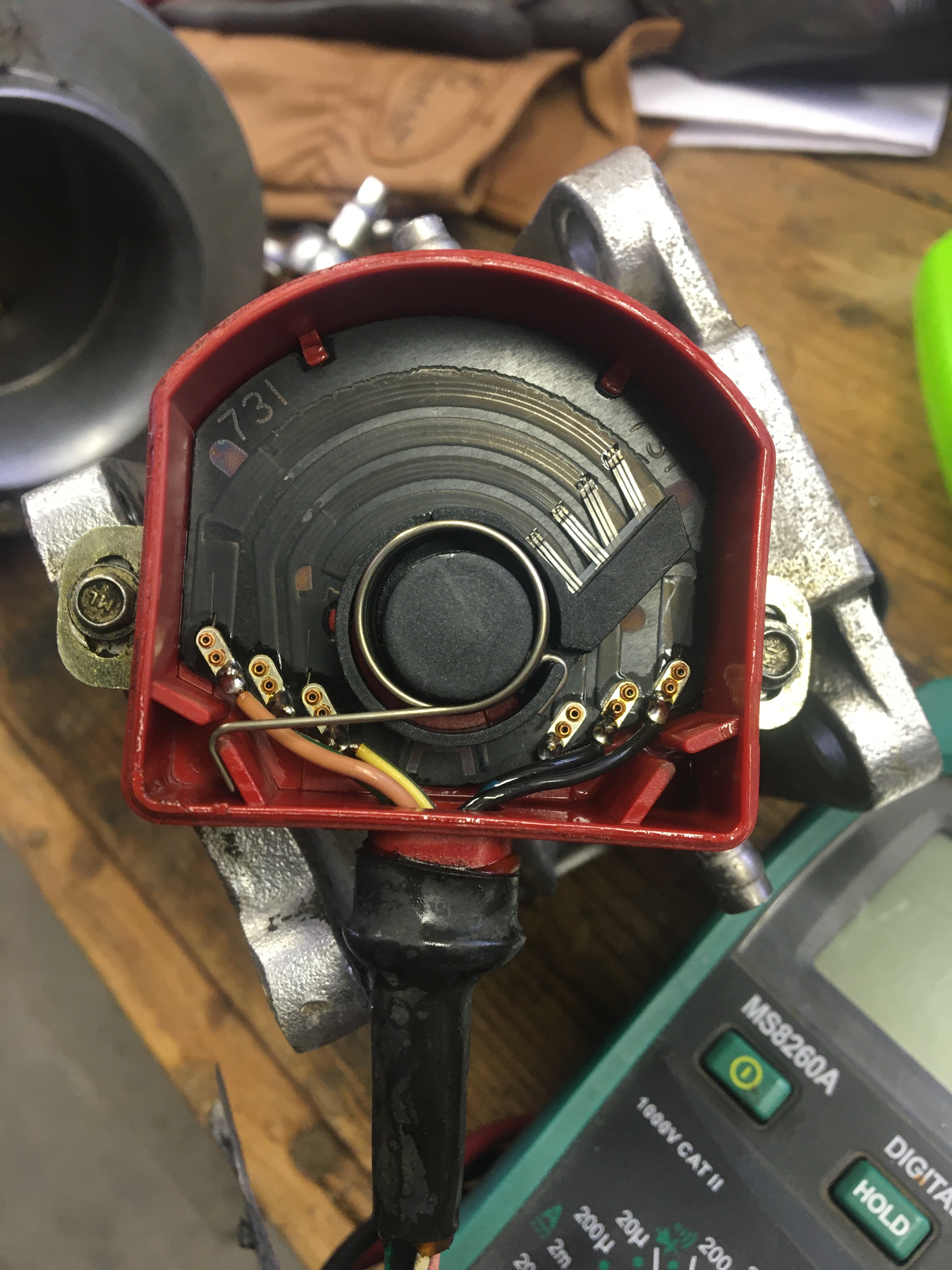
Credit: forums.jag-lovers.com
Common Tps Sensor Symptoms
The throttle position sensor (TPS) plays a key role in engine performance. It tells the engine control unit (ECU) how far the throttle is open. Faulty TPS signals cause many engine problems. Recognizing common symptoms helps with quick diagnosis and repair. Here are typical signs of a bad TPS sensor.
Rough Idle And Engine Stalling
The engine may idle unevenly or feel shaky. RPMs often jump up and down. The car might stall unexpectedly, especially when stopping or easing off the gas. This happens because the ECU gets wrong throttle data.
Poor Acceleration And Hesitation
The vehicle can feel slow to respond when pressing the gas pedal. It may hesitate or stumble while accelerating. This delay occurs since the engine does not receive the correct fuel and air mix.
Jerky Engine Movement
The engine might surge or jerk during driving. This jerky motion happens due to inconsistent throttle signals sent to the ECU. It results in uneven power delivery and rough driving.
Transmission Shifting Problems
Automatic transmissions may shift harshly or at the wrong time. Shifts can feel delayed or abrupt. The TPS sensor error affects the transmission’s ability to know the engine load.
Reduced Power And Limp Mode
The ECU may limit engine power to protect the vehicle. This is known as limp mode. The car runs slower and loses strength to prevent damage from the faulty TPS sensor.
Decreased Fuel Efficiency
Incorrect throttle signals cause poor fuel combustion. This leads to higher fuel consumption. The engine burns more gas than normal, costing more money at the pump.

Credit: ictcar.com
How Tps Affects Engine Performance
The Throttle Position Sensor (TPS) plays a key role in engine function. It monitors the throttle valve position. This data helps the engine run smoothly and efficiently. A faulty TPS can cause many engine problems. These include rough idling, poor acceleration, and stalling. Understanding how TPS affects engine performance helps identify issues fast.
Role Of The Tps In Fuel And Air Control
The TPS tells the Engine Control Unit (ECU) how open the throttle is. This controls how much air enters the engine. The ECU uses this to adjust fuel delivery. Proper fuel and air mix is needed for good engine power. If the TPS works well, the engine runs efficiently. It improves fuel economy and reduces emissions.
Impact Of Faulty Signals On The Ecu
A bad TPS sends wrong signals to the ECU. The ECU then misjudges how much fuel to inject. This causes rough idling and poor acceleration. The engine may stall or hesitate during driving. Faulty signals can trigger the Check Engine light. The ECU may even limit engine power to protect it. Timely TPS troubleshooting avoids further damage.
Diagnosing Tps Problems
Diagnosing problems with the Throttle Position Sensor (TPS) requires careful steps. The TPS sends signals about the throttle’s position to the car’s computer. Errors here cause engine issues like rough idling or poor acceleration. Finding the exact fault saves time and money on repairs. Technicians use various methods to check the sensor’s health and function.
Using Diagnostic Tools
Diagnostic tools read data from the vehicle’s engine control unit (ECU). These devices detect irregular signals from the TPS. A scan tool or OBD-II reader connects to the car’s port. It shows live sensor data and fault codes. Watching the throttle position change helps spot problems. This method is quick and accurate for pinpointing TPS faults.
Common Fault Codes
Fault codes guide the diagnosis of TPS issues. Codes like P0120, P0121, or P0122 relate to throttle sensor errors. These codes appear on diagnostic tools and indicate specific problems. They might show sensor range errors or signal irregularities. Knowing these codes helps focus repairs on the right component. Checking for these codes is a crucial first step.
Visual And Physical Inspections
Physical checks help find obvious sensor problems. Inspect the TPS connector for loose or corroded wires. Look for signs of damage or wear on the sensor itself. Ensure the sensor is properly mounted and not loose. Dirt or grime on the sensor can affect its performance. Cleaning and securing connections often fixes minor issues.
Quick Fixes For Tps Issues
Quick fixes for TPS (Throttle Position Sensor) issues can save time and prevent costly repairs. Many common problems stem from simple causes. Addressing these can restore your vehicle’s smooth performance quickly. This section covers practical steps to troubleshoot and fix TPS issues effectively.
Cleaning The Tps Sensor
Dirt and grime can block the sensor’s proper function. Use a throttle body cleaner and a soft cloth. Gently wipe the TPS sensor to remove any buildup. Avoid harsh scrubbing or damaging the sensor’s surface. After cleaning, test the sensor for improvement in throttle response.
Checking Wiring And Connections
Loose or damaged wires often cause TPS errors. Inspect the wiring harness for cracks or corrosion. Ensure all connections are tight and secure. Use a multimeter to check for continuity in the wires. Repair or replace any faulty wiring to restore signal accuracy.
Recalibrating The Sensor
Recalibration can fix incorrect sensor readings. Disconnect the battery for a few minutes to reset the ECU. Turn the ignition on without starting the engine, allowing the ECU to recognize the TPS position. Some vehicles require a special tool or software for recalibration. Follow the manufacturer’s instructions for best results.
When To Replace The Tps
Knowing when to replace the Throttle Position Sensor (TPS) is key to keeping your vehicle running smoothly. The TPS sends vital information to the engine control unit (ECU) about how far the throttle is open. Over time, this sensor can wear out or fail, causing engine problems. Replacing the TPS at the right time helps avoid poor performance and costly repairs.
Signs That Replacement Is Needed
Several signs suggest the TPS needs replacement. The engine may idle roughly or stall unexpectedly. Acceleration can feel slow or jerky. You might notice hesitation when pressing the gas pedal. The check engine light often turns on. Transmission shifts may become rough or delayed. Fuel economy might drop noticeably. These symptoms point to a faulty TPS sending incorrect signals to the ECU.
Cost Considerations
Replacing a TPS usually costs less than fixing engine damage caused by a bad sensor. The part itself is affordable, but labor costs vary by vehicle and location. Expect to pay more at dealerships than independent shops. Do not delay replacement to avoid higher repair bills later. A quick fix now can save money and keep your car reliable.
Choosing Quality Replacement Parts
Selecting the right TPS is important for long-term performance. Use parts from trusted brands or original equipment manufacturers (OEM). Cheap, low-quality sensors may fail quickly and cause more issues. Check for warranty coverage and reviews before buying. Installing a quality TPS ensures accurate throttle readings and smooth engine operation.
Preventing Future Tps Problems
Preventing future issues with your Throttle Position Sensor (TPS) is key to keeping your vehicle running smoothly. Simple habits and checks help avoid costly repairs. Focus on maintenance and careful driving to extend the sensor’s life.
Regular Maintenance Tips
Keep your engine clean and free of debris. Dirt and grime can affect TPS performance. Change air filters regularly to ensure clean airflow. Use quality fuel to avoid buildup inside the throttle body. Schedule routine tune-ups to catch problems early. These steps reduce sensor strain and improve accuracy.
Avoiding Harsh Driving Conditions
Drive gently on rough roads to protect the throttle system. Avoid sudden acceleration or heavy throttle use. Rapid changes can wear the sensor quickly. Limit driving in extreme temperatures when possible. Heat and cold can damage electronic parts. Smooth driving habits help maintain TPS health.
Routine Sensor Checks
Test the TPS regularly using a multimeter or diagnostic tool. Check for voltage changes as you press the accelerator. Look for erratic signals or delays in response. Replace the sensor at the first sign of failure. Early detection prevents engine problems and improves fuel efficiency.

Credit: www.youtube.com
Frequently Asked Questions
How To Tell If A Tps Sensor Is Bad?
A bad TPS sensor causes rough idling, poor acceleration, engine stalling, jerky throttle response, and a Check Engine light. Test with a multimeter or scan tool for irregular voltage signals. Consult a mechanic to diagnose and replace the faulty sensor promptly to avoid performance issues.
What Happens When Tps Fails?
When TPS fails, beneficiaries lose protection and work authorization. They revert to prior immigration status, often becoming undocumented and at risk of deportation. They must obtain another legal status or prepare to leave the U. S. to avoid removal.
How Do I Reset The Tps?
To reset the TPS, disconnect the battery for 15 minutes. Reconnect it, then start the engine and let it idle. This resets the sensor calibration.
What Happens If I Unplug My Throttle Position Sensor?
Unplugging the throttle position sensor causes erratic engine performance, poor acceleration, stalling, and triggers the Check Engine light. The ECU receives incorrect throttle data, leading to fuel and air mixture issues. This can reduce fuel efficiency and may cause the vehicle to enter limp mode for safety.
What Are Common Symptoms Of A Bad Tps Sensor?
A bad TPS sensor causes rough idling, poor acceleration, and engine stalling. You may also notice jerky acceleration and a lit Check Engine light.
Conclusion
A faulty TPS can cause many driving problems. Watch for rough idling, stalling, or hesitation. These signs show your engine is not getting the right signals. Fixing the TPS helps restore smooth acceleration and better fuel use. Don’t ignore warning lights or poor car response.
Early diagnosis prevents bigger issues and saves money. Trust a professional to test and replace the sensor if needed. Keep your vehicle running safely and efficiently by addressing TPS troubles promptly. Regular checks help you avoid unexpected breakdowns on the road.