Are your trailer brakes not working the way they should? Whether you’re towing heavy loads or just taking a quick trip, trailer brake problems can be frustrating—and dangerous.
You might notice uneven stops, strange noises, or even no braking at all. But don’t worry, you don’t have to be an expert mechanic to figure out what’s wrong. This guide will help you troubleshoot your trailer brakes step-by-step. By understanding the common issues and simple fixes, you’ll save time, avoid costly repairs, and keep your trailer safe on the road.
Ready to get your brakes back in perfect shape? Let’s dive in.
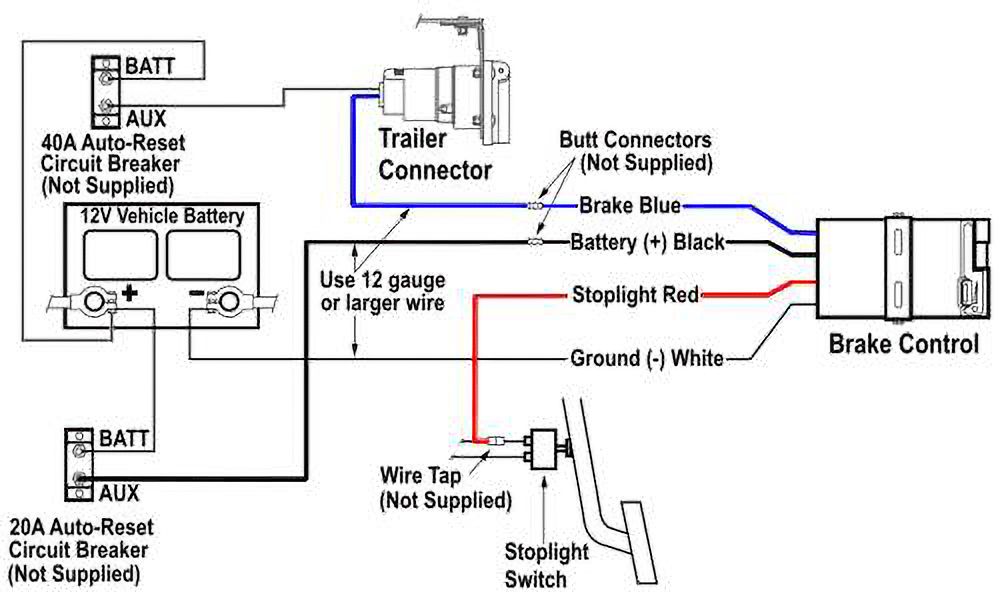
Credit: www.futuratrailers.com
Common Trailer Brake Issues
Trailer brakes are crucial for safe towing. They help control the trailer’s speed and reduce wear on the tow vehicle. Problems with trailer brakes can cause unsafe stops and damage. Understanding common issues helps you fix them quickly and stay safe on the road.
Electrical Problems
Electrical faults often cause trailer brake failure. Corroded plugs stop electricity flow. Broken wires break the connection. Loose grounds cause erratic braking. Blown fuses cut power completely. Check wiring and connectors regularly. Clean corroded terminals with a wire brush. Secure all connections tightly. Replace damaged wires immediately to avoid failures.
Mechanical Wear
Brake parts wear out over time. Brake pads and shoes lose thickness. Drums and rotors develop grooves or cracks. Springs and hardware can break or weaken. Worn parts reduce braking power. Inspect brakes every few months. Replace worn pads or shoes before they cause damage. Keep drums and rotors smooth and clean. Lubricate moving parts to prevent rust and sticking.
Brake Controller Faults
Brake controllers manage trailer braking force. Faulty controllers cause uneven or no braking. Symptoms include jerky stops or trailer pushing the tow vehicle. Controller error lights or no power are warning signs. Test the controller with a multimeter. Look for correct voltage when brakes are applied. Replace controllers that send power constantly or show errors. Proper controller function ensures smooth braking and safety.
Credit: thetrailerpartsoutlet.com
Signs Of Brake Trouble
Recognizing the signs of brake trouble early can save you from costly repairs and dangerous situations. Trailer brakes protect both your vehicle and cargo during stops. Ignoring warning signs increases the risk of accidents and damage.
Watch for unusual behavior in your trailer’s braking system. These signs often point to worn parts, electrical faults, or incorrect brake settings. Timely troubleshooting keeps your trailer safe on the road.
No Braking Response
Your trailer should slow down smoothly with your vehicle. If it doesn’t brake at all, the problem could be a faulty brake controller or wiring issues. Check the brake controller for power and proper connection first. No response means the trailer brakes are not activating.
Jerky Or Uneven Stops
Uneven braking causes jerks or sudden stops. This can damage the trailer and make towing unsafe. Jerky stops may result from worn brake shoes, dirt buildup, or bad magnets in electric brakes. Inspect the brake pads and clean components regularly to avoid this issue.
Trailer Pushing Vehicle
If your trailer pushes the tow vehicle forward during braking, the brakes are not applying correctly. This often happens with incorrect brake settings or weak brake magnets. Adjust the brake controller and check the magnets’ condition to fix this problem.
Warning Lights And Error Codes
Modern brake controllers show warning lights or error codes when trouble arises. These alerts indicate electrical faults or system malfunctions. Always read your controller’s manual to understand each code. Addressing these warnings quickly ensures your brakes work safely.
Testing Electrical Components
Testing electrical components is a key step in trailer brake troubleshooting. It helps find faults in the brake system’s wiring and parts. Careful testing ensures brakes work safely and reliably every time.
Electrical problems often cause brakes to fail or work unevenly. Testing these components can save time and money on repairs. Follow simple steps to check the main electrical parts of trailer brakes.
Using A Circuit Tester
A circuit tester checks if electricity flows through the brake system. Connect it to the trailer’s brake plug. Turn on the vehicle’s brake lights or brake controller.
The tester should show voltage when brakes activate. No voltage means a break or bad connection in wiring. Constant voltage may signal a stuck brake controller. Testing with a circuit tester quickly finds electrical faults.
Checking Wiring And Connectors
Inspect all wiring for cuts, corrosion, or loose ends. Damaged wires cause poor brake performance or no brakes at all. Check connectors for rust or dirt. Clean or replace corroded connectors.
Make sure all wires fit tightly in their plugs. Wiggle wires gently to find any loose spots. Secure loose wires with electrical tape or new connectors. Good wiring keeps brakes responsive and safe.
Inspecting Brake Magnets
Brake magnets create the force to stop trailer wheels. Check magnets for cracks, wear, or rust. Clean magnets with a wire brush to remove dirt and rust.
Test magnet resistance using a multimeter. A bad magnet shows no or very high resistance. Replace faulty magnets to restore proper brake function. Regular magnet checks prevent brake failures on the road.
Diagnosing Brake Controller Issues
Diagnosing brake controller issues is key to safe trailer operation. Brake controllers manage the trailer’s braking force and ensure smooth stops. Faulty controllers can cause braking problems, making troubleshooting essential. This section helps identify common controller faults and simple fixes.
Identifying Continuous Power Output
Continuous power output means the controller sends power nonstop. This can cause the trailer brakes to drag or overheat. Use a circuit tester to check the controller’s output wire. If the tester shows power even without pressing the brake, the controller may be faulty. Continuous output often means the controller needs repair or replacement.
Testing Controller Output Voltage
Testing output voltage confirms if the controller works correctly. Use a multimeter set to DC voltage. Connect the positive lead to the output wire and negative lead to ground. Press the brake pedal slowly and watch the voltage rise smoothly. Voltage should increase as brake pressure increases. No voltage or erratic readings suggest a controller or wiring issue.
Resetting The Breakaway Switch
The breakaway switch activates the trailer brakes if the trailer detaches. It may trip accidentally and keep brakes engaged. To reset, locate the switch near the trailer tongue. Press or pull the plunger back into place. This stops power to the brakes and resets the system. Check the wiring and switch for damage if problems continue.
Fixing Common Brake Problems
Fixing common trailer brake problems can improve safety and performance. Brake issues often cause unsafe driving conditions and damage. Timely repairs prevent costly breakdowns and ensure smooth stops. Understanding basic fixes helps trailer owners maintain reliable brakes.
Replacing Worn Brake Pads
Brake pads wear down with use and reduce braking power. Inspect pads regularly for thin or cracked material. Replace worn pads to restore full braking function. Use the correct pads for your trailer model. Remove the wheel and old pads carefully. Install new pads and reassemble the brake system. Test brakes after replacement to confirm proper operation.
Cleaning And Securing Wiring
Electrical problems often cause trailer brake failure. Dirt, corrosion, and loose wires disrupt signals. Clean all wiring connections with a wire brush or contact cleaner. Check for broken or frayed wires and repair or replace them. Secure loose wiring to prevent damage from vibration. Proper wiring ensures consistent brake activation and safety.
Repairing Or Replacing Faulty Controllers
Brake controllers manage trailer brake power and timing. Faulty controllers cause no braking or erratic stops. Test the controller output with a multimeter to find issues. Replace controllers that fail testing or show error codes. Install new controllers following manufacturer instructions. Verify controller settings match trailer brake requirements for smooth stops.
Credit: thetrailerpartsoutlet.com
Preventive Maintenance Tips
Regular preventive maintenance keeps trailer brakes working well. It helps avoid sudden brake failures on the road. Small checks can catch problems early, saving time and money. Follow these simple tips to maintain your trailer brakes safely and effectively.
Regular Inspection Schedule
Check your trailer brakes every few months. Look at brake pads, shoes, and drums for wear. Inspect brake lines for cracks or leaks. Test brake function before every long trip. Early detection of problems prevents accidents and costly repairs.
Keeping Connectors Clean
Trailer brake connectors can gather dirt and rust. Dirty connectors cause poor electrical contact and brake failure. Clean connectors with a wire brush or electrical contact cleaner. Make sure all pins are straight and free of corrosion. Proper connections ensure brakes respond quickly.
Ensuring Proper Brake Adjustment
Brake shoes and drums must be correctly adjusted for good stopping power. Too loose brakes reduce braking efficiency. Too tight brakes cause premature wear and heat buildup. Adjust brakes as per the manufacturer’s guide. Test brakes after adjustment for smooth operation.
Frequently Asked Questions
What Are Common Trailer Brake Problems?
Common trailer brake problems include worn brake pads, corroded wiring, blown fuses, loose connections, and faulty brake controllers. These issues cause uneven braking, no braking, or brake failure. Regular inspection and maintenance prevent most problems.
How Do I Reset A Trailer Breakaway Switch?
To reset a trailer breakaway switch, push the plunger back into the switch. This restores power to the trailer brakes and clears the activation.
How To Tell If A Trailer Brake Module Is Bad?
A bad trailer brake module causes no braking, jerky stops, or error codes. Test wiring and voltage with a multimeter. Constant power output signals a faulty controller.
What Is The Most Common Brake Failure?
The most common brake failure is excessive brake pad wear. It causes squealing, pedal vibration, and longer stopping distances. Replace worn pads promptly to maintain safe braking performance.
What Are Common Causes Of Trailer Brake Failure?
Electrical issues like corroded plugs, broken wires, and blown fuses often cause brake failure. Regularly inspect and clean connections to prevent problems.
Conclusion
Troubleshooting trailer brakes keeps your rides safe and smooth. Start with simple checks like wiring, fuses, and connections. Watch for signs such as uneven braking or no brake response. Use a multimeter to find electrical issues quickly. Regular inspection prevents most problems before they grow.
Remember, steady maintenance saves time and money. Stay alert to brake signals and act fast to fix issues. Proper care ensures your trailer brakes work every time you hit the road.