Is your transformer acting up and causing headaches? Whether you’re dealing with unexpected power loss, strange noises, or overheating, knowing how to troubleshoot your transformer can save you time and money.
You don’t have to be an expert to identify common problems or understand simple tests that reveal what’s wrong. In this guide, you’ll discover easy-to-follow steps to spot issues, use basic tools like a multimeter, and decide when it’s time to repair or replace your transformer.
Keep reading to take control of your transformer troubles and avoid costly downtime.

Credit: www.youtube.com
Common Symptoms
Transformers show clear signs when they face issues. Recognizing these common symptoms early helps prevent bigger problems. Watch for unusual noises, heat, or visible damage. These clues point to transformer troubles needing attention.
No Output Or Tripped Breakers
A transformer with no output means it is not sending power. This can cause your system to stop working. Tripped breakers often happen if the transformer has a short circuit. Frequent breaker trips signal an internal fault or overload. Check wiring and connections to rule out simple issues first.
Excessive Humming And Buzzing
Transformers normally hum quietly. Loud humming or buzzing is a warning sign. This noise may come from loose parts or electrical problems. It can also mean the transformer is overloaded. Ignoring this sound can cause more damage over time.
Overheating And Burn Marks
Heat is a common issue with failing transformers. Overheating may cause the casing to feel very hot. Look for burn marks on or near the transformer. These marks show electrical arcing or insulation failure. Overheating reduces the life of the transformer and can cause fire hazards.
Visual Damage Signs
Inspect the transformer for physical damage regularly. Cracks, bulges, or melted parts are serious problems. Discolored or corroded terminals reduce performance and safety. Any visible damage means the transformer should be tested or replaced. Early detection saves costly repairs later.
Initial Visual Checks
Initial visual checks form the first step in transformer troubleshooting. These checks help spot obvious problems fast. Early detection prevents costly damage and downtime. Observe the transformer carefully before using any tools or electrical tests.
Look closely at the transformer’s exterior. Identify signs of wear or damage. These signs often reveal underlying faults. Use a flashlight if lighting is poor. Wear safety gear and keep a safe distance from live parts.
Inspect For Burn Marks And Bulging
Burn marks on the transformer surface show overheating or electrical faults. Check for dark spots or discoloration on coils and casing. Bulging areas on the transformer’s body suggest internal pressure build-up. This may result from overheating or insulation failure. Both issues require urgent attention.
Check For Corroded Or Loose Terminals
Terminals connect the transformer to the electrical system. Corrosion weakens these connections and causes poor performance. Look for rust, white powder, or green deposits around terminals. Loose terminals cause sparking and voltage drops. Tighten all screws and bolts to ensure firm contact.
Detect Smell And Smoke Indicators
A burning smell near the transformer often signals overheating or insulation damage. Smoke, even in small amounts, indicates serious faults. Never ignore these signs. They warn of potential fire hazards and transformer failure. If detected, power down the transformer immediately and investigate further.
Electrical Testing Basics
Understanding the basics of electrical testing helps diagnose transformer issues quickly. Testing reveals if a transformer works correctly or if it needs repair. Simple tools like a multimeter make these tests easy and effective. Below are key steps to check a transformer’s electrical health.
Using A Multimeter For Voltage Output
Set your multimeter to measure AC voltage. Connect the probes to the transformer’s secondary terminals. Check the reading against the transformer’s rated output voltage. A correct voltage means the transformer is functioning properly. A low or no voltage reading signals a possible fault.
Testing Continuity On Primary And Secondary
Switch your multimeter to continuity or resistance mode. Test the primary winding by placing probes on the primary terminals. A beep or low resistance shows the winding is continuous and not broken. Repeat the test on the secondary winding. No beep or infinite resistance means an open coil, indicating damage.
Detecting Shorts Between Windings
Check for shorts by testing between primary and secondary windings. Place probes on one primary and one secondary terminal. No continuity should exist between these windings. If the multimeter beeps or shows low resistance, a short circuit is present. Shorts can cause transformer failure and must be fixed immediately.
Credit: tameson.com
Advanced Diagnostic Tests
Advanced diagnostic tests are essential for thorough transformer troubleshooting. These tests reveal hidden faults that simple checks might miss. They help ensure transformers operate safely and efficiently. Accurate diagnosis prevents costly failures and downtime.
Technicians use several specialized methods to assess transformer health. Each test targets specific aspects of the transformer’s electrical and mechanical condition. Understanding these tests improves maintenance and repair quality.
Open-circuit Testing
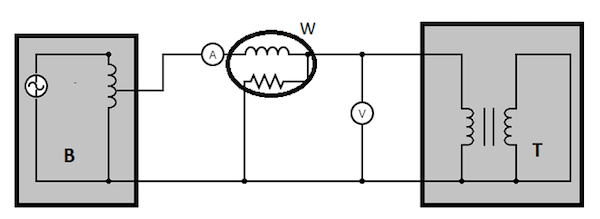
Open-circuit testing measures the transformer’s core and winding losses. The test applies voltage only to the primary winding. It records current and power without load on the secondary side. This test detects core issues and winding insulation problems. Low current during the test indicates minimal core losses. Higher current suggests core damage or shorted turns.
Short-circuit Testing
Short-circuit testing checks the winding’s ability to handle fault currents. The secondary winding is shorted, and voltage is applied to the primary winding. This test measures impedance and copper losses under load conditions. It reveals winding shorts and connection errors. Excessive current during the test signals potential winding damage. This test ensures the transformer can withstand short circuits safely.
Measuring Winding Resistance
Winding resistance measurement detects issues like loose connections and damaged conductors. A precise ohmmeter measures resistance across each winding. Consistent readings indicate healthy windings. Variations suggest corrosion, broken strands, or poor contacts. Measuring resistance also helps spot overheating effects. High resistance means increased heat risk and possible failure.
Troubleshooting Steps
Troubleshooting a transformer requires a clear and simple approach. Each step helps find the root of the problem. Follow these steps carefully to fix common transformer issues. These steps save time and avoid extra repairs.
Check Input Voltage And Fuses
Start by measuring the input voltage. Use a multimeter to check if the voltage matches the transformer’s rating. A low or no voltage reading can cause the transformer to fail.
Next, inspect the fuses. A blown fuse stops electricity from reaching the transformer. Replace any blown fuses with the correct type and rating. Always turn off power before handling fuses.
Isolate Overloaded Circuits
Overloaded circuits cause transformers to overheat or shut down. Turn off all connected devices and then turn them on one by one. This process helps find which device or circuit is causing the overload.
Remove or reduce load on the overloaded circuit to protect the transformer. An overloaded transformer shortens its lifespan and affects performance.
Identify Loose Connections
Loose wiring can cause sparks, noise, and voltage drops. Check all connections on the transformer terminals. Tighten any loose screws or wires securely.
Look for corrosion or damaged wires. Replace any worn or broken wiring to ensure a stable connection. Loose connections often cause intermittent transformer problems.
Assess Insulation Condition
Good insulation prevents short circuits and electrical leaks. Check the insulation on transformer windings and wires for cracks or wear. Damaged insulation can cause overheating and failure.
Use an insulation resistance tester if available. Low resistance means insulation is weak or broken. Replace or repair damaged insulation to keep the transformer safe and working well.
When To Repair Or Replace
Deciding whether to repair or replace a transformer requires careful evaluation. Transformers are vital for electrical systems and faults can disrupt service. Knowing the right action saves time and money. Understanding the signs and situations helps make smart choices. This section guides you through when to repair or replace a transformer.
Signs Replacement Is Needed
Replacement is necessary if the transformer shows severe damage. Look for visible burn marks or melted insulation. Excessive humming or buzzing noise signals internal faults. Smoke or a burning smell means overheating or coil failure. Frequent tripped breakers or blown fuses also indicate replacement. Damage like cracked casing or corroded terminals weakens safety. Electrical tests showing open or shorted coils confirm failure. These signs mean the transformer cannot be safely repaired.
Situations To Consider Repair
Minor issues may only need repair to restore function. Loose or corroded connections can be tightened or cleaned. If the voltage output is normal but fuses blow, check wiring first. Sometimes thermostat wires or contactor coils cause problems, not the transformer. Small insulation damage might be patched or sealed temporarily. Repair works well if the transformer is otherwise in good condition. Testing with a multimeter helps decide if repair is possible.
Avoiding Misdiagnosis
Misdiagnosing transformer problems leads to unnecessary costs. Do not replace a transformer without proper testing. Use a multimeter to check continuity and voltage output. Confirm if the issue is inside the transformer or external wiring. Avoid rushing to replace when simple repairs fix the problem. Inspect all components carefully before making a decision. Call a professional if unsure about the diagnosis. Accurate troubleshooting extends transformer life and prevents downtime.
Preventive Measures
Preventive measures are essential to avoid transformer failures. Small efforts can extend the transformer’s life. Regular checks and care stop issues before they grow. Focus on maintenance, load, and cooling for best results.
Regular Maintenance Tips
Inspect transformers often for signs of wear or damage. Clean dust and dirt from surfaces and vents. Tighten loose connections to prevent sparks and overheating. Check oil levels in oil-filled transformers to avoid leaks. Replace worn parts early to keep performance steady.
Proper Load Management
Keep the transformer load within its rated capacity. Avoid sudden spikes that cause stress and heat. Balance loads evenly across phases to prevent overload. Monitor load trends and adjust to reduce strain. Use protective devices to guard against overload damage.
Cooling And Ventilation Practices
Ensure good airflow around the transformer to cool it down. Clear any blockages near vents and fans. Use fans or cooling systems in hot environments. Regularly check cooling equipment for faults or dirt. Proper cooling keeps transformers safe and efficient.

Credit: www.scribd.com
Resetting Transformers
Resetting transformers is a key step in resolving many electrical issues. It helps restore normal function without full replacement. This process can clear faults and reset internal protection mechanisms. Proper reset techniques ensure safety and prevent damage. Understanding when and how to reset transformers saves time and costs.
Steps To Safely Reset
First, turn off power to the transformer. Confirm power is off using a voltage tester. Wait a few minutes for the transformer to cool down. Locate the reset button or switch on the transformer. Press or flip the reset control firmly. Restore power and observe the transformer’s operation. Check for normal voltage output and no unusual sounds. If problems persist, further testing or repair may be needed.
Common Reset Scenarios
Transformers often require resets after power surges. Short circuits or overloads can trip internal protectors. Sudden power interruptions may cause the transformer to shut down. Resetting helps clear minor faults and allows the unit to restart. Sometimes, reset is needed after maintenance or wiring changes. This action often resolves temporary faults quickly.
Precautions During Reset
Always wear insulated gloves and safety glasses. Ensure the power source is stable before resetting. Avoid resetting repeatedly without addressing root causes. Never force a stuck reset button or switch. Keep hands dry and stand on an insulated surface. Confirm no flammable materials are nearby. Follow manufacturer guidelines and local electrical codes strictly.
Frequently Asked Questions
How Do You Know If A Transformer Is Bad?
A bad transformer shows loud humming, buzzing, overheating, smoke, or burn marks. Test voltage and continuity with a multimeter. Check for tripped breakers and unusual smells. Lack of continuity or short circuits indicates failure. Replace if damage or faults persist despite wiring checks.
What Are Common Transformer Problems?
Common transformer problems include overheating, buzzing noise, insulation damage, short circuits, and tripped breakers. Overload and mechanical damage also cause failures.
What Are The Methods To Troubleshoot A Transformer?
Test for continuity and resistance using a multimeter. Check output voltage and look for shorts. Inspect for physical damage, overheating, or unusual noises. Perform open-circuit and short-circuit tests to assess winding condition. Replace if voltage readings are incorrect or if fuses repeatedly blow.
How Do I Reset A Transformer?
To reset a transformer, turn off its power supply first. Wait a few minutes, then switch the power back on. This often clears minor faults and restores function.
What Are Common Signs Of A Bad Transformer?
Common signs include loud humming, buzzing, overheating, smoke, or burn marks. These indicate coil or insulation damage. Check for tripped breakers as well.
Conclusion
Transformer troubleshooting helps prevent costly repairs and downtime. Watch for unusual noises, smells, or visible damage. Use a multimeter to check voltage and continuity. Identify if the issue lies with wiring or the transformer itself. Replace the transformer only when tests show failure.
Regular checks keep your system safe and efficient. Stay alert to signs of trouble early on. Proper care extends the life of your equipment. Troubleshooting saves time and keeps power flowing smoothly.