Is your car acting up when you shift gears? Transmission troubles can sneak up on you, turning a smooth ride into a stressful experience.
But don’t worry—you don’t have to be a mechanic to spot the signs early and know what steps to take. Whether your transmission slips, delays shifts, or makes strange noises, understanding these common symptoms can save you time, money, and headaches.
In this guide, you’ll learn how to recognize the warning signs, perform simple checks yourself, and decide when it’s time to call in the experts. Keep reading to protect your vehicle and keep your drives trouble-free.
Credit: www.aamcoutah.com
Common Symptoms
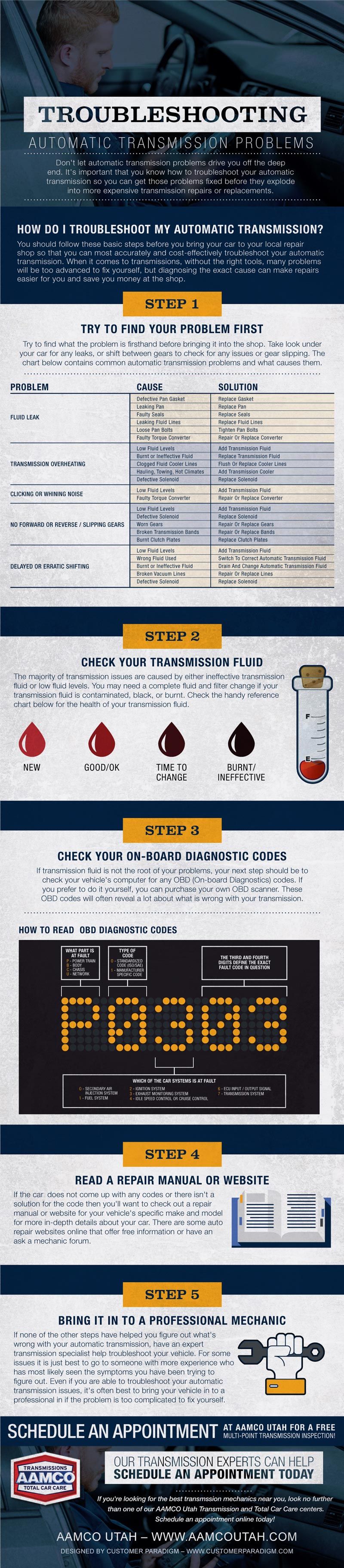
Transmission problems often show clear signs. Recognizing these symptoms early can prevent costly repairs. Watch for changes in how your vehicle drives. Pay attention to unusual sounds or smells. These clues indicate trouble inside your transmission system.
Slipping Gears
Slipping happens when the engine revs but the car does not move as expected. The vehicle may feel like it is losing power or traction. This can make driving unsafe and damage the transmission further.
Delayed Or Harsh Shifts
Notice a delay before the gear changes or a hard jolt during shifting. These shifts can feel rough or sudden. This symptom suggests the transmission is struggling to engage gears properly.
No Response When Shifting
Sometimes, the car does not respond when you change gears. The gear lever moves, but the vehicle stays in the same gear or does not move at all. This is a serious sign of transmission failure.
Unusual Noises
Listen for whining, humming, grinding, or clunking sounds. These noises often mean worn or damaged parts inside the transmission. Ignoring them can lead to more damage.
Burning Smell
A burning odor usually comes from overheated transmission fluid. This smell signals that the transmission is working too hard or fluid is old and contaminated. It needs immediate attention.
Fluid Leaks
Check under your vehicle for red or brown fluid spots. Leaks mean the transmission fluid is escaping, causing low fluid levels. Low fluid harms transmission performance and can cause failure.
Check Engine Light
The check engine light may turn on due to transmission issues. This warning means the car’s computer detected a problem. Have the vehicle checked to find the exact cause and avoid serious damage.
Credit: lowcountryautodiesel.com
Quick Fluid Checks
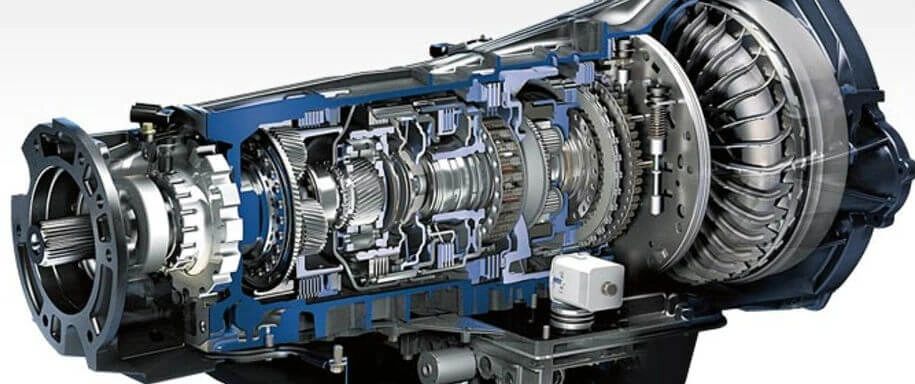
Quick fluid checks offer a fast way to spot transmission issues early. Fluids keep the transmission parts cool and lubricated. Low or dirty fluid can cause slipping, delays, or noises. Regular checks help avoid costly repairs and keep the car running smoothly.
Checking Fluid Level
Start by locating the transmission fluid dipstick. It usually sits near the engine. Make sure the engine is warm and running in park or neutral. Pull out the dipstick and wipe it clean with a cloth. Reinsert it fully, then pull it out again to check the level. The fluid should be between the “full” and “add” marks. Low fluid means a leak or the need for a top-up.
Assessing Fluid Condition
Look at the fluid color on the dipstick. Healthy fluid is bright red or pink. Dark brown or black fluid signals old or burnt fluid. Smell the fluid; a burnt odor shows overheating. Check for particles or metal shavings, which point to damage inside. Clean, fresh fluid means the transmission is likely in good shape.
Listening For Issues
Listening closely to your vehicle can reveal early signs of transmission problems. Strange sounds often signal issues that need attention. Identifying these noises early helps prevent costly repairs and keeps your car running smoothly.
Noises In Neutral
Hearing unusual sounds while the car is in neutral is a warning sign. Whining or humming noises may indicate worn bearings or low fluid levels. Grinding sounds point to damaged gears inside the transmission. If you notice clunking or rattling, it could mean loose parts or failing components. These noises deserve immediate inspection to avoid further damage.
Sounds During Gear Changes
Transmission noises during shifting are common indicators of trouble. A harsh clunk or bang when changing gears suggests worn synchronizers or damaged gears. Delayed or slipping shifts often come with a whining or buzzing sound. If shifting causes grinding, it means the gears are not meshing properly. Smooth gear changes should be quiet and seamless. Any loud or unusual sound requires a professional check.
Basic Troubleshooting Steps
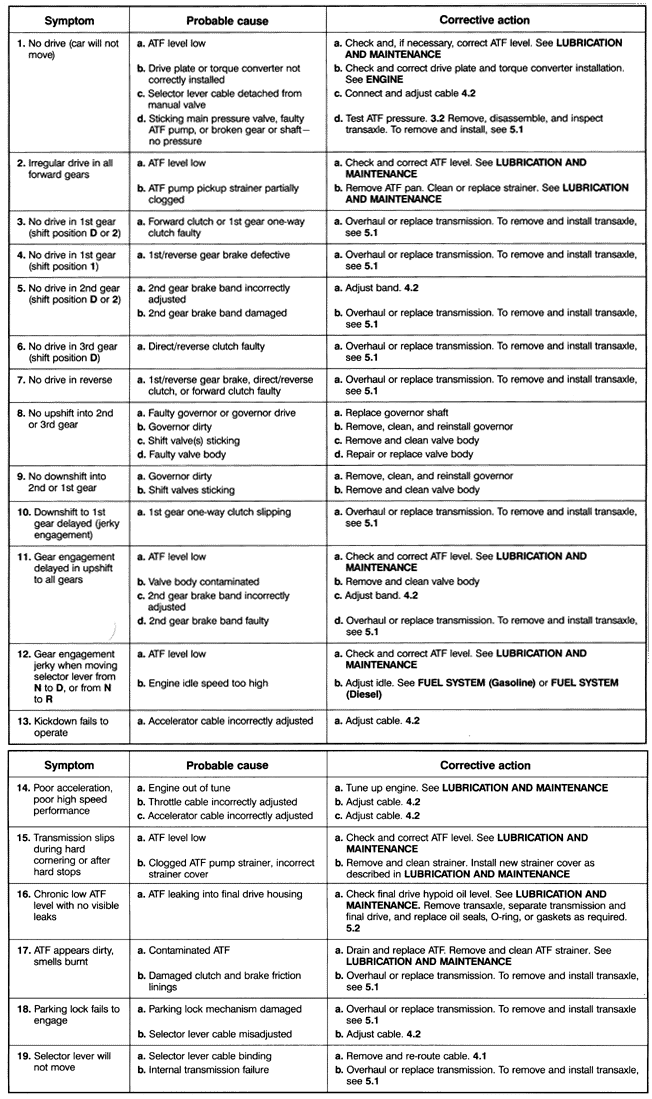
Basic troubleshooting steps help you identify transmission problems early. Catching issues soon saves time and money. Knowing what to do first can prevent serious damage. This guide covers simple checks anyone can do before calling a mechanic.
When To Stop Driving
Stop driving if your car slips out of gear suddenly. Strange noises like clunks or grinding mean trouble. A burning smell from the transmission area is a warning. Watch for delayed or harsh gear shifts. Driving with these signs can cause more damage.
Using An Obd-ii Scanner
An OBD-II scanner reads transmission error codes from your car. These codes reveal specific problems inside the system. Plug the scanner into the port under your dashboard. Follow the tool’s instructions to check for trouble codes. This step gives you clear clues about the issue.
Seeking Professional Diagnosis
Some problems need expert tools and knowledge. If codes or symptoms confuse you, visit a professional. Mechanics can perform detailed tests and inspections. They find root causes and fix issues safely. Early professional help protects your transmission and your wallet.
Testing Transmission Before Installation
Testing a transmission before installation saves time and money. It helps find problems early. This step ensures the transmission works well in your vehicle. Checking the transmission carefully avoids future breakdowns and costly repairs.
Perform a few simple tests to check its condition. These tests include a visual inspection, functional checks, and consulting experts. Each step reveals different issues that could cause trouble later.
Visual Inspection
Start with a close look at the transmission. Check for cracks, leaks, or damage on the casing. Look for worn or broken parts. Examine seals and gaskets for any signs of wear or leaks.
Inspect the fluid for color and smell. Healthy fluid is usually red or pink and has no burnt smell. Dark or dirty fluid may show internal problems. This check helps find obvious issues before installation.
Functional Checks
Test the transmission’s mechanical functions. Rotate the input shaft to feel for smooth movement. Listen for unusual noises like grinding or clicking. Check the clutch and gear engagement if possible.
Use a transmission test bench if available. It simulates real operating conditions. This test identifies shifting problems and internal failures. Functional checks reveal hidden defects that visual inspection misses.
Consulting Experts
Ask a transmission specialist for advice. Experts can spot subtle problems quickly. They may suggest additional tests or repairs before installation.
Professional evaluation increases confidence in the transmission’s reliability. It reduces the risk of installing a faulty unit. Expert advice is valuable, especially for complex or high-mileage transmissions.
Credit: vwts.ru
Preventive Maintenance Tips
Keeping your transmission in top shape saves money and prevents breakdowns. Preventive maintenance helps spot issues early and extends transmission life. Simple steps can avoid costly repairs and keep your ride smooth.
Regular Fluid Changes
Transmission fluid lubricates and cools internal parts. Over time, fluid gets dirty and loses effectiveness. Change the fluid based on your vehicle’s manual or every 30,000 to 60,000 miles. Fresh fluid improves shifting and prevents wear. Check fluid levels regularly and top up if low.
Avoiding Overheating
Heat damages transmission parts and fluid. Avoid towing heavy loads for long periods. Use a transmission cooler if you tow often. Park in shade or use sunshades to reduce heat inside the car. If you notice a burning smell, stop and check the transmission immediately.
Driving Habits To Protect Transmission
Gentle driving reduces transmission stress. Avoid sudden starts and hard stops. Let your car warm up before driving in cold weather. Shift gears smoothly and avoid shifting while moving. Do not rest your foot on the brake and gas pedals at the same time.
Frequently Asked Questions
How Do You Troubleshoot Transmission Problems?
Check transmission fluid level and condition for color and smell. Listen for unusual noises in neutral. Note delayed or harsh shifts. Watch for slipping gears or burning smell. Inspect for fluid leaks. Use an OBD-II scanner to read transmission codes.
Consult a professional if problems persist.
What Are Common Transmission Problems?
Common transmission problems include slipping gears, delayed or harsh shifts, strange noises, fluid leaks, burning smells, and failure to engage gears. These issues often signal worn components, low or dirty fluid, or mechanical damage needing prompt attention.
How Do You Test For A Bad Transmission?
Test for a bad transmission by checking for slipping gears, delayed shifts, strange noises, burning smell, fluid leaks, or no response when shifting. Use an OBD-II scanner to read transmission codes and inspect fluid condition and level. Seek professional diagnosis if symptoms appear.
What Can Be Mistaken For Transmission Problems?
Engine issues, worn-out clutch, low transmission fluid, faulty sensors, or a failing torque converter can mimic transmission problems.
What Are Common Signs Of Transmission Problems?
Common signs include slipping gears, delayed or harsh shifts, and strange noises. Leaking fluid or a burning smell also indicate issues. These symptoms often signal the need for inspection or repair.
Conclusion
Transmission problems can affect your car’s safety and performance. Watch for signs like slipping gears, strange noises, or fluid leaks. Early checks help avoid costly repairs later. Keep transmission fluid clean and at the right level. Regular maintenance extends transmission life and improves driving smoothness.
Address issues quickly to prevent further damage. Understanding these basics helps you stay in control on the road.