Is your travel trailer furnace acting up just when you need it most? When the chill sets in, a furnace that won’t ignite or stay lit can turn your cozy getaway into a chilly challenge.
But don’t worry—understanding why your furnace isn’t working and how to fix it can save you time, money, and frustration. In this guide, you’ll discover simple, effective troubleshooting tips for common furnace issues like ignition failure, propane problems, and airflow blockages.
By following these easy steps, you’ll be able to restore warmth to your travel trailer quickly and get back to enjoying your adventure. Keep reading to learn how to diagnose and fix your furnace troubles like a pro!
Common Furnace Problems
Travel trailer furnaces keep you warm during chilly nights on the road. They can stop working due to several common issues. Knowing these problems helps you fix your furnace faster. It saves time and keeps your trip comfortable.
Ignition Failure Causes
Ignition failure is the top furnace problem. It happens when the furnace fan runs but no heat comes out. A dirty or faulty sail switch often blocks ignition. Low propane levels also stop the furnace from lighting. Dead batteries or electrical issues can cause ignition failure too. Dust and debris may clog the airflow sensor, making the furnace unable to start.
Thermostat Issues
Thermostats control the furnace temperature. Wrong settings stop the furnace from turning on. Low thermostat batteries cause poor signals. Placing the thermostat near heat sources gives false readings. This confusion makes the furnace shut off early or not start at all. Checking the thermostat ensures the furnace works correctly.
Electrical Glitches
Electrical problems can stop the furnace from working. Blown fuses or bad wiring interrupt power flow. Dead RV batteries may not supply enough power. Loose connections cause the furnace to act up. These glitches prevent the ignition and heating system from working properly. Inspecting electrical parts helps keep the furnace running.
Blocked Vents Impact
Blocked vents cause furnace overheating and shutdown. Dirt, insects, and debris can clog intake or exhaust vents. Poor airflow makes the furnace struggle to heat the trailer. This may damage the furnace or reduce heat output. Cleaning vents regularly keeps air flowing freely and the furnace safe.

Credit: www.airoxnigen.com
Top Troubleshooting Tips
Travel trailer furnaces may stop working properly for many reasons. Knowing simple ways to troubleshoot helps keep you warm. These top tips focus on common issues and easy fixes. Understanding each part’s role makes repairs simpler. Follow these steps to diagnose your furnace quickly and safely.
Cleaning Or Replacing Sail Switch
The sail switch senses airflow inside the furnace. Dust or pet hair can block it, stopping ignition. Remove the cover and gently clean the switch with a soft brush or cloth. If cleaning does not help, replace the sail switch. A faulty switch often causes the fan to run without heat.
Checking Propane Levels
Propane fuels the furnace burner. Low propane means no flame or heat. Check your propane tanks to ensure they are full. Sometimes, the valve may be closed or the regulator faulty. Open the valve fully and test the pressure. Refill or replace tanks as needed for consistent heating.
Inspecting Electrical Connections
Loose or corroded wires prevent the furnace from starting. Turn off power and inspect all electrical connections. Tighten any loose wires and clean corroded terminals. Check fuses and replace any that are blown. Good electrical contact is essential for ignition and fan operation.
Clearing Intake And Exhaust Vents
Blocked vents can cause the furnace to overheat and shut down. Check both intake and exhaust vents for dirt, leaves, or insect nests. Use a brush or compressed air to clear any debris. Proper airflow is critical for safe furnace function and efficient heating.
Adjusting Thermostat Settings
A wrong thermostat setting can stop the furnace from turning on. Set the thermostat higher than the current room temperature. Make sure the thermostat batteries are fresh and installed correctly. Avoid placing the thermostat near heat sources or drafts to ensure accurate readings.
Additional Furnace Issues
Travel trailer furnaces sometimes face issues beyond ignition failure. These additional furnace problems can affect heating performance and comfort. Identifying these issues early helps keep your furnace running smoothly. This section covers rapid cycling and limit switch problems, weak airflow causes, and unusual noises with loose parts.
Rapid Cycling And Limit Switch
Rapid cycling happens when the furnace turns on and off too fast. A faulty limit switch often causes this issue. The limit switch stops the furnace if it overheats. If it triggers too soon, the furnace cycles quickly. This wastes propane and wears out parts. Cleaning the furnace and checking airflow can fix overheating. Replacing a bad limit switch restores normal cycling.
Weak Airflow Causes
Weak airflow reduces heat output inside your trailer. Dust and dirt clog air filters and vents. Blocked air intake or exhaust vents also limit airflow. A dirty blower fan or motor may not push air well. Check and clean all filters and vents regularly. Make sure nothing blocks the furnace vents outside. Proper airflow helps the furnace heat efficiently.
Unusual Noises And Loose Parts
Strange noises often signal loose or broken furnace parts. Rattling, banging, or squealing sounds need attention. Loose screws, worn blower belts, or debris in the fan cause noise. Turn off the furnace before inspecting. Tighten screws and remove debris carefully. Replace worn parts to avoid damage. Fixing noisy furnaces improves safety and comfort.

Credit: www.youtube.com
Power And Fuel Checks
Power and fuel are the heart of your travel trailer furnace. Without them, the furnace cannot start or keep running. Checking these basics saves time and effort in solving heating problems. Focus on the battery, fuses, and propane supply first. These simple steps often fix common issues.
Verifying Battery And Fuses
Start by checking the battery voltage. A weak or dead battery will stop the furnace from igniting. Use a voltmeter to ensure it reads around 12 volts. Next, inspect all fuses related to the furnace. Look for any blown or loose fuses. Replace damaged fuses with the same rating. Secure all connections to avoid power loss. Clean battery terminals if corroded for better contact.
Ensuring Propane Tank Valve Open
Propane is the fuel for most travel trailer furnaces. The tank valve must be fully open to allow gas flow. Turn the valve counterclockwise until it stops. Check the propane level gauge to confirm there is enough fuel. A closed or nearly empty tank will prevent ignition. Also, verify that propane regulators are set correctly and not damaged.
Purging Air From Propane Lines
Air trapped in propane lines can block fuel flow. This causes the furnace to fail during ignition. To purge air, turn off the propane valve first. Open the furnace’s gas valve briefly to release air. You may hear a hissing sound as air escapes. Repeat this a few times until only propane flows. This step helps restore a smooth gas supply and reliable furnace operation.
Airflow And Vent Inspection
Proper airflow and vent inspection is key to keeping your travel trailer furnace running well. Air must flow freely for the furnace to heat your space efficiently. Blockages or obstructions can cause poor heating or even safety issues. Regular checks help spot problems early and keep your system safe and warm.
Checking External Vents For Blockages
External vents are the furnace’s breathing points. Dirt, leaves, or snow can block these vents and stop airflow. Check vents carefully for any dirt, spider webs, or nests. Clear away any debris you find. Keep vents clean and open for smooth air intake and exhaust.
Identifying Obstructions In Ducts
Ducts carry warm air from the furnace into your trailer. Dust and small debris can gather inside ducts and slow airflow. Shine a flashlight into the ducts to look for dirt buildup or objects. Remove any blockages carefully using a soft cloth or vacuum. Clear ducts improve heat flow and furnace efficiency.
Listening For Diagnostic Clues
Sounds from a travel trailer furnace reveal many problems. Careful listening helps find the issue fast. Different noises point to specific troubles inside the unit.
Learning these sounds saves time and money on repairs. Pay attention to how the furnace starts, runs, and stops. Each sound tells a story about the furnace’s health.
Blower Runs Without Heat
The blower fan spins, but no warm air flows out. This often means the furnace tries to start but fails to ignite the flame. The problem might be low propane or a dirty sail switch. Dust or debris can block airflow, stopping ignition. Check propane levels and clean the sail switch to fix this.
No Blower Or Ignition Click
No sound at all shows the furnace is not powering up. This silence can mean dead batteries or blown fuses. Electrical wiring problems also cause this issue. Listen for any attempt to start. If the furnace is quiet, inspect power sources and electrical connections first.
Blower Starts Then Stops
The blower begins running but soon shuts off. This stop-start pattern signals overheating or safety switch activation. Blocked vents or a faulty limit switch can cause this. Check vents for dirt or insects. Testing the limit switch might reveal if it needs replacement.
Bypassing Thermostat For Testing
Bypassing the thermostat is a useful step in travel trailer furnace troubleshooting. It helps determine if the thermostat causes the furnace to stop working. This test checks if the furnace runs without the thermostat controlling it. The process is simple and requires a temporary wire connection to complete the circuit.
Bypassing the thermostat allows direct power to the furnace. This method isolates the thermostat from the system. If the furnace runs after bypassing, the thermostat likely needs repair or replacement. If it does not, other parts might cause the problem.
Temporary Wire Connection Method
First, turn off power to the furnace. Locate the thermostat wires, usually two thin wires. Disconnect these wires from the thermostat terminals. Use a short piece of wire to connect these two wires together. This creates a direct connection, bypassing the thermostat.
Turn the power back on and observe the furnace. The furnace should start running if the thermostat was the issue. Do not leave the wires connected for long. This is only a temporary test to avoid damage.
Interpreting Results
If the furnace runs after bypassing, the thermostat is faulty. Replace or repair the thermostat to restore normal function. If the furnace still does not run, check other components. Look at the blower, sail switch, and propane supply.
Running the furnace without the thermostat also confirms wiring is not broken. This test narrows down the cause of the problem. Use the results to plan the next repair steps effectively.
Resetting Your Furnace
Resetting your travel trailer furnace often solves minor issues fast. This process helps clear small glitches that stop your furnace from working properly. Many times, a simple reset restores heat and comfort without extra repairs. Knowing how to reset your furnace saves time and avoids frustration during cold nights.
Basic Thermostat Reset Steps
Start by turning off the thermostat. Wait for about five minutes to let it cool down. Next, switch the thermostat back on and set your desired temperature. Watch if the furnace starts working again. This simple step can fix many thermostat-related problems quickly.
When To Try A Full Power Cycle
Use a full power cycle if the basic reset does not work. First, turn off the furnace’s power switch or unplug it. Wait at least ten minutes to let the system fully reset. Then, restore power and try turning the furnace on again. A full power cycle helps clear more complex errors inside the furnace.
When To Call A Professional
Knowing when to call a professional for your travel trailer furnace saves time and prevents damage. Some furnace problems are simple to fix. Others need expert skills and tools. Attempting complex repairs without experience can be dangerous. It may also void your warranty or cause further issues. Watch for signs that show the problem is beyond basic troubleshooting. Calling a professional ensures safety and proper furnace function.
Gas Valve And Igniter Problems
The gas valve controls propane flow to the furnace burner. If it sticks or leaks, the furnace won’t light or stay lit. The igniter creates the spark to start the flame. A broken igniter means no heat. These parts require careful handling and testing. Gas leaks can be hazardous. Only trained technicians should inspect or replace gas valves and igniters. Professionals use special tools to check for leaks and proper operation. Do not try to repair gas components yourself.
Limit Switch And Control Board Issues
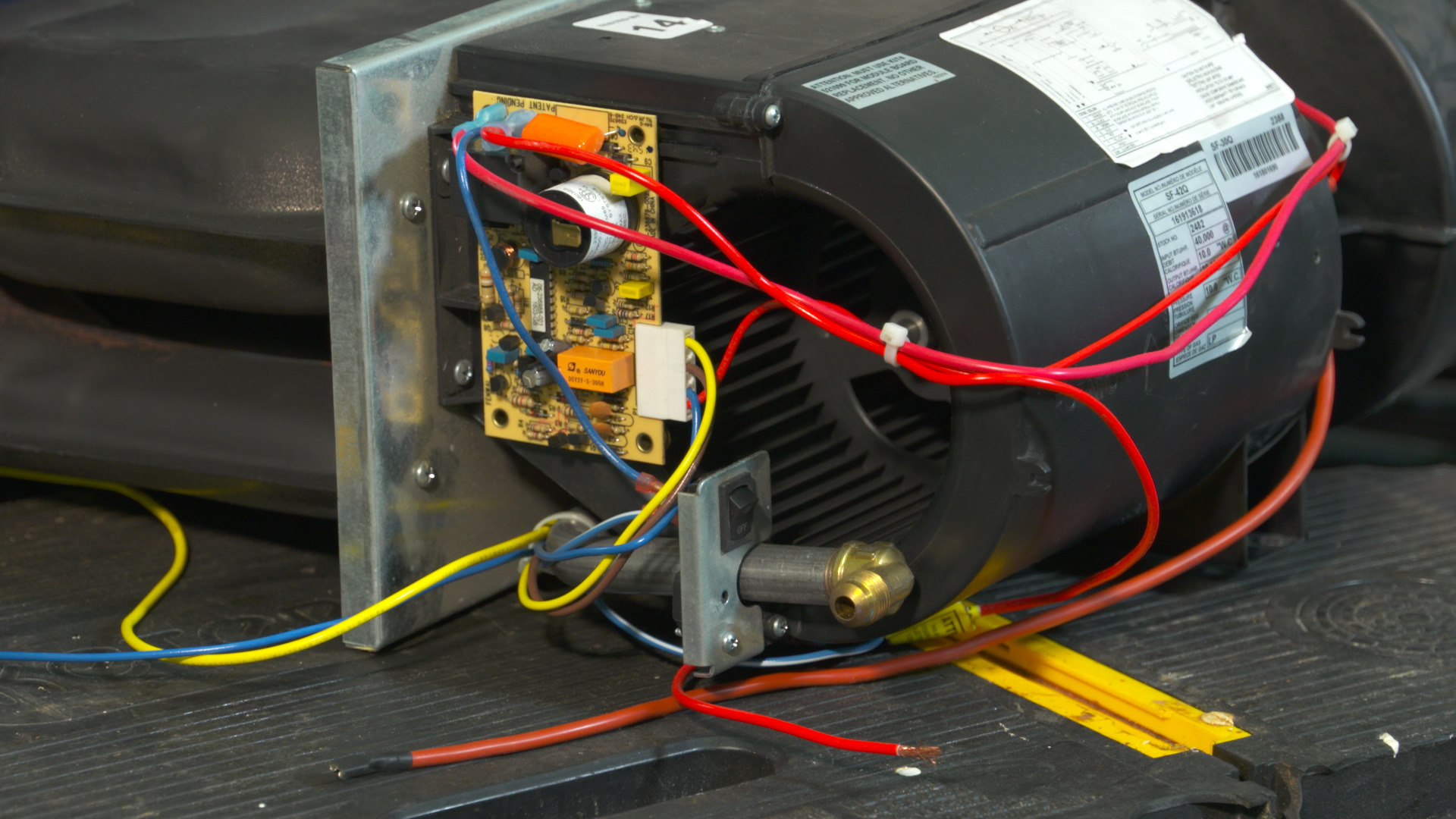
The limit switch stops the furnace if it overheats. A faulty switch can shut down the furnace or cause it to cycle rapidly. The control board acts as the furnace’s brain. It manages ignition and fan timing. Malfunctions in these parts lead to erratic furnace behavior. Diagnosing limit switch or control board problems needs knowledge of electrical systems. Professionals test these parts safely and replace them if needed. Avoid DIY fixes on electrical components to prevent shocks or damage.
Credit: www.rvrepairclub.com
Frequently Asked Questions
What Is The Most Common Problem With The Rv Furnace?
The most common RV furnace problem is ignition failure. Dust, debris, or a faulty sail switch often blocks airflow and prevents ignition. Low propane, dead batteries, and blocked vents also cause the furnace fan to run without producing heat.
Why Is My Rv Furnace Not Kicking On?
Your RV furnace may not kick on due to low propane, dead batteries, faulty sail switch, blocked vents, or thermostat issues. Check power, fuel levels, and airflow for common causes. Cleaning or replacing the sail switch often resolves ignition failures.
How To Reset Rv Furnace?
To reset an RV furnace, turn off the power and propane supply. Wait 5 minutes, then restore power and propane. Press the reset button if available. Check vents and pilot light for blockages or issues before restarting.
Is There A Reset Button On My Rv Furnace?
Most RV furnaces have a reset button near the blower motor or control panel. Press it to restart the furnace after a safety shutdown. Always consult your RV furnace manual to locate the reset button and follow safety precautions before pressing it.
Why Won’t My Travel Trailer Furnace Ignite?
The furnace may not ignite due to a dirty or faulty sail switch. Low propane or dead batteries can also stop ignition. Check vents for blockages that affect airflow.
Conclusion
Troubleshooting your travel trailer furnace can save time and cold nights. Start by checking simple issues like propane levels and power supply. Clean or replace dirty parts to improve airflow and ignition. Watch for blocked vents or faulty switches that stop heat production.
Regular maintenance helps your furnace work reliably on every trip. Stay warm and comfortable by addressing problems early and following basic fixes. Keep these tips handy for easy furnace troubleshooting on the road.