Is your TV screen acting up right when you want to relax and watch your favorite show? It’s frustrating when your TV displays lines, flickers, or goes completely black, leaving you staring at a blank screen.
But before you rush to call a repair technician or buy a new TV, there are simple steps you can take to troubleshoot and possibly fix the problem yourself. In this guide, you’ll learn easy and effective ways to identify what’s wrong with your TV screen—whether it’s a loose cable, a settings issue, or something more serious like a hardware failure.
By the end, you’ll feel confident knowing how to bring your TV back to life without the headache or the extra cost. Keep reading to uncover quick fixes and smart tips that anyone can follow!
Credit: support.dish.com
Common Tv Screen Issues
TV screen problems often disrupt your viewing experience. These issues can appear suddenly or develop over time. Understanding common TV screen issues helps you find quick solutions. This section covers typical problems you may face and ways to identify them.
Black Screen
A black screen means no picture appears, but the TV may still be on. This problem can result from loose cables or wrong input settings. It might also signal a backlight failure or a hardware fault inside the TV. Try power cycling the TV and checking all connections first.
Lines And Bands
Lines or bands appear as colored or white stripes across the screen. They can be horizontal or vertical and often indicate physical damage or a loose internal connection. Sometimes, software glitches cause these lines, but hardware issues are common if the problem persists.
Pixelation And Glitches
Pixelation shows as blocky or blurry images on the screen. Glitches cause flickering or distorted pictures. These issues usually stem from weak signals, bad cables, or problems with the TV’s processing board. Checking your cable connections and signal source can help.
Dim Or Discolored Picture
A dim picture looks faded or dull, while discoloration shows wrong colors on screen. These issues may arise from backlight problems or incorrect picture settings. Sometimes, screen damage or aged components cause these symptoms. Adjust brightness and contrast before seeking repairs.
Audio Sync Problems
Audio sync problems happen when sound does not match the picture. This delay makes watching shows frustrating. It often results from processing delays inside the TV or connected devices. Resetting the TV or updating firmware may fix the issue.

Credit: garysservices.ie
Basic Troubleshooting Steps
Basic troubleshooting steps help fix many common TV screen problems. Start simple. Check key areas before considering repairs. These steps save time and effort.
Follow each step carefully. They guide you to identify the issue. Most problems have easy fixes. Let’s explore these steps in detail.
Check Cable Connections
Loose or damaged cables cause many screen issues. Unplug all cables from the TV. Reconnect them firmly. Check HDMI, power, and other connections. Replace any worn or broken cables. Secure cables prevent signal loss and screen errors.
Verify Input Source
Select the correct input on your TV. Press the input or source button on your remote. Cycle through options like HDMI1, HDMI2, AV, or TV. Wrong input means no picture. Confirm the connected device matches the chosen input.
Test Different Devices And Ports
Try a different device on the same port. Use another HDMI cable if possible. Test the original device on a different port. This helps find if the issue is with the device, cable, or TV port. Narrowing the problem is key to a quick fix.
Reset Picture Settings
Incorrect picture settings can cause poor display or black screen. Go to the TV menu. Find picture or display settings. Choose “Reset” or “Restore Default.” This returns all settings to factory defaults. It clears any wrong adjustments affecting the screen.
Update Tv Software
Old software can cause bugs and screen problems. Check for updates in your TV menu. Connect to the internet if needed. Download and install the latest firmware. Updated software improves performance and fixes known issues.
Diagnosing Screen Problems
Diagnosing screen problems is the first step to fixing your TV. A dark or distorted screen can have many causes. Some issues are easy to spot. Others need a closer look at the TV’s parts. This guide helps you find the root of the problem. You will learn simple tests and signs to watch for. These steps save time and avoid unnecessary repairs.
Using The Flashlight Test
Shine a bright flashlight close to the TV screen. Look carefully for a faint image. If you see a dim picture, the screen’s backlight may be off. This test works even if the screen looks completely black. A visible image means the TV is receiving a signal. The problem is likely with the backlight or power supply.
Identifying Backlight Failure
Backlight failure causes a dark screen but the TV still sounds on. Check if the TV’s LED power light is on. If yes, but no picture appears, backlight may be broken. Sometimes the screen glows very faintly in a dark room. Backlight issues usually need professional repair or replacement.
Detecting T-con Board Issues
The T-CON board controls the screen’s image display. Problems here cause lines, flickers, or no image. Look for vertical or horizontal lines on the screen. Some flickering or delayed images also point to T-CON faults. A faulty T-CON board often needs replacing to fix the display.
Recognizing Main Board Problems
The main board handles TV’s overall functions. If the TV turns on but shows no picture or sound, the main board may be faulty. Other signs include random restarts or freezing. Inspect for burnt smells or unusual noises. Main board repair or replacement is usually required in these cases.
Fixes For Common Issues
Troubleshooting TV screen issues can seem hard. Many common problems have easy fixes. These fixes often solve the problem quickly without expert help.
Simple checks and adjustments can restore your TV picture. Start with basic steps before trying more complex solutions. This saves time and avoids extra costs.
Re-seating Loose Internal Cables
Loose cables inside the TV can cause no picture or flickering. Open the back panel carefully. Check all cables connecting the screen and main board.
Gently press each cable to ensure it fits firmly. Loose cables often cause display problems. This fix works well for older TVs moved recently.
Adjusting Picture Settings
Picture settings may cause dim or distorted images. Use the TV remote to access the menu. Find the picture or display settings section.
Adjust brightness, contrast, and color settings step by step. Resetting to default can help if settings are wrong. This improves picture quality without repairs.
Replacing Faulty Hdmi Or Power Cables
Damaged HDMI or power cables cause no signal or black screen. Unplug and inspect cables for cuts or bends. Swap with a new or working cable to test.
Always use good quality cables for stable connections. Replacing faulty cables often restores sound and picture instantly.
Performing A Soft Reset Or Power Cycle
Soft reset clears minor software glitches causing screen issues. Turn off the TV and unplug it from power. Wait about one minute before plugging back in.
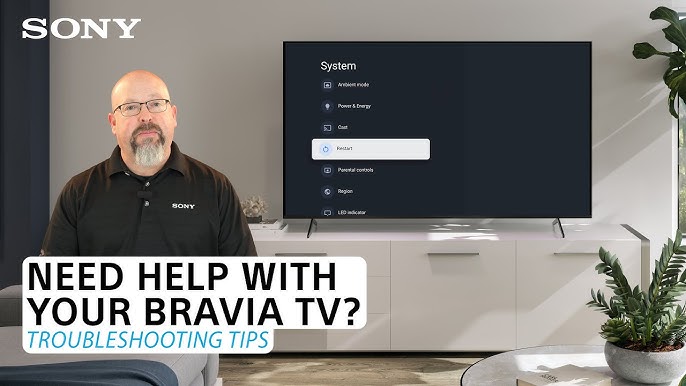
Press the power button on the TV for 10 seconds to drain leftover power. This simple power cycle refreshes the system. It fixes many common TV problems fast.
When To Seek Professional Repair
Knowing when to seek professional repair for your TV screen saves time and prevents further damage. Some issues require expert tools and skills. Trying to fix complex problems yourself might worsen the situation. Professionals identify the root cause accurately and offer lasting solutions. Below are signs indicating that professional help is necessary.
Persistent Lines Or Distortion
Lines or distortion that stay on the screen signal internal damage. These issues often relate to the T-CON board or screen panel. Simple resets or cable checks will not fix this. A technician can test and replace faulty parts safely. Ignoring these lines can lead to a complete screen failure.
No Image After Troubleshooting
If the screen remains blank after basic troubleshooting, professional repair is crucial. Problems like a dead backlight or main board failure need special tools. Professionals use diagnostic equipment to find exact faults. They can repair or replace components to restore your TV’s picture.
Power Board Failures
Power board issues cause the TV to turn off or not power on at all. Signs include flickering, sudden shutdowns, or no response to the remote. Fixing power boards involves electrical knowledge and safety measures. A trained technician ensures safe and correct repair or replacement.
Panel Replacement Considerations
Screen panels are expensive and delicate. If damage is severe, panel replacement might be the only option. Professionals evaluate the cost and feasibility before proceeding. They install the new panel with precision to avoid further damage. DIY panel replacement is risky and often not recommended.
Credit: www.youtube.com
Frequently Asked Questions
What Are The Common Tv Display Problems?
Common TV display problems include black screen, horizontal/vertical lines, flickering, pixelation, distorted colors, and no picture despite power. These issues often stem from loose cables, faulty backlight, T-CON board, or software glitches. Check connections, input source, and perform a power cycle to troubleshoot.
What Are Common Signs Of Tv Failure?
Common signs of TV failure include no picture, flickering screen, distorted colors, horizontal or vertical lines, and delayed or no audio. Dim or discolored display and pixelation also indicate problems. Power issues or no response may signal hardware failure.
What To Do When Your Tv Turns On But The Screen Is Black?
Check all cables and connections firmly. Verify the TV uses the correct input source. Perform a power cycle by unplugging, then replugging the TV. Shine a flashlight on the screen; a faint image means backlight failure. If no image appears, the T-CON or main board may need repair.
Does Unplugging A Tv Reset It?
Unplugging a TV briefly powers it off, which can clear minor glitches but doesn’t perform a full reset. For a complete reset, use the TV’s menu settings. Power cycling may fix temporary issues but won’t restore factory defaults or erase settings.
Why Is My Tv Screen Black But The Sound Works?
A black screen with sound usually means a backlight or display issue. Check for loose cables or try the flashlight test to spot a faint image.
Conclusion
Troubleshooting your TV screen can save time and money. Start with simple checks like cables and power. A quick power cycle often fixes many issues. Observe the screen carefully for lines or faint images. These signs help identify if hardware needs repair.
Keep your TV’s software updated to avoid glitches. Follow basic steps before calling a technician. Understanding common problems helps you act fast. With patience, many screen issues become easy to fix. Your TV can work well again with these tips.