Is your vacuum pump acting up and slowing down your work or vehicle performance? You’re not alone.
Many people face frustrating issues with their vacuum pumps but don’t know where to start fixing them. Whether you hear strange noises, notice oil leaks, or experience poor braking and sluggish engine response, these are clear signs your vacuum pump needs attention.
In this guide, you’ll learn how to spot common problems quickly, understand why they happen, and find simple steps to troubleshoot your vacuum pump effectively. Keep reading to save time, avoid costly repairs, and get your system running smoothly again. Your vacuum pump’s health is just a few easy checks away!
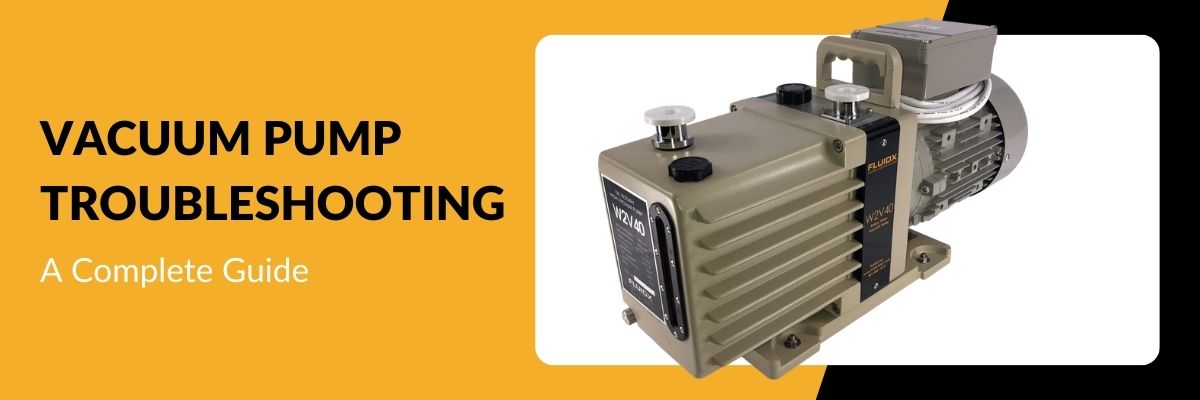
Credit: fluidxinc.com
Symptoms Of A Bad Vacuum Pump
A vacuum pump is essential for many vehicle systems, including brakes and emission controls. Signs of a failing vacuum pump often show up as unusual noises, leaks, or performance drops. Spotting these symptoms early helps avoid bigger problems and costly repairs.
Below are common symptoms that indicate a vacuum pump may be bad or failing.
Unusual Noises
Listen for grinding, whining, or rattling sounds near the pump. These noises usually mean worn or damaged parts inside the pump. Ignoring strange sounds can lead to total pump failure.
Performance Issues
A bad vacuum pump affects vehicle functions like braking and acceleration. You might notice a hard brake pedal or rough engine idle. Climate controls stuck on defrost may also signal pump problems.
Overheating And Restarts
The pump may get very hot during operation. Overheating can cause the pump to shut off or restart repeatedly. This behavior stresses the pump and reduces its lifespan.
Oil Leaks
Oil around the pump or in vacuum lines points to seal failure. Leaking oil lowers pump efficiency and can damage other engine parts. Check the pump area regularly for oil spots.
Slow Operation
Processes that rely on vacuum may take longer to complete. For example, the time to create vacuum pressure might increase. Slow operation means the pump is struggling and losing power.
Excessive Vibration
Strong shaking or vibration during pump use often signals internal damage or imbalance. Excessive vibration can cause more damage if not addressed quickly.
Warning Lights
A check engine or service light may come on due to vacuum pump failure. These warning lights indicate a problem with engine or brake systems linked to the pump.
Contaminated Oil
Dirty or discolored oil inside the pump suggests contamination. Contaminated oil reduces lubrication and causes internal wear. Changing the oil regularly helps keep the pump healthy.
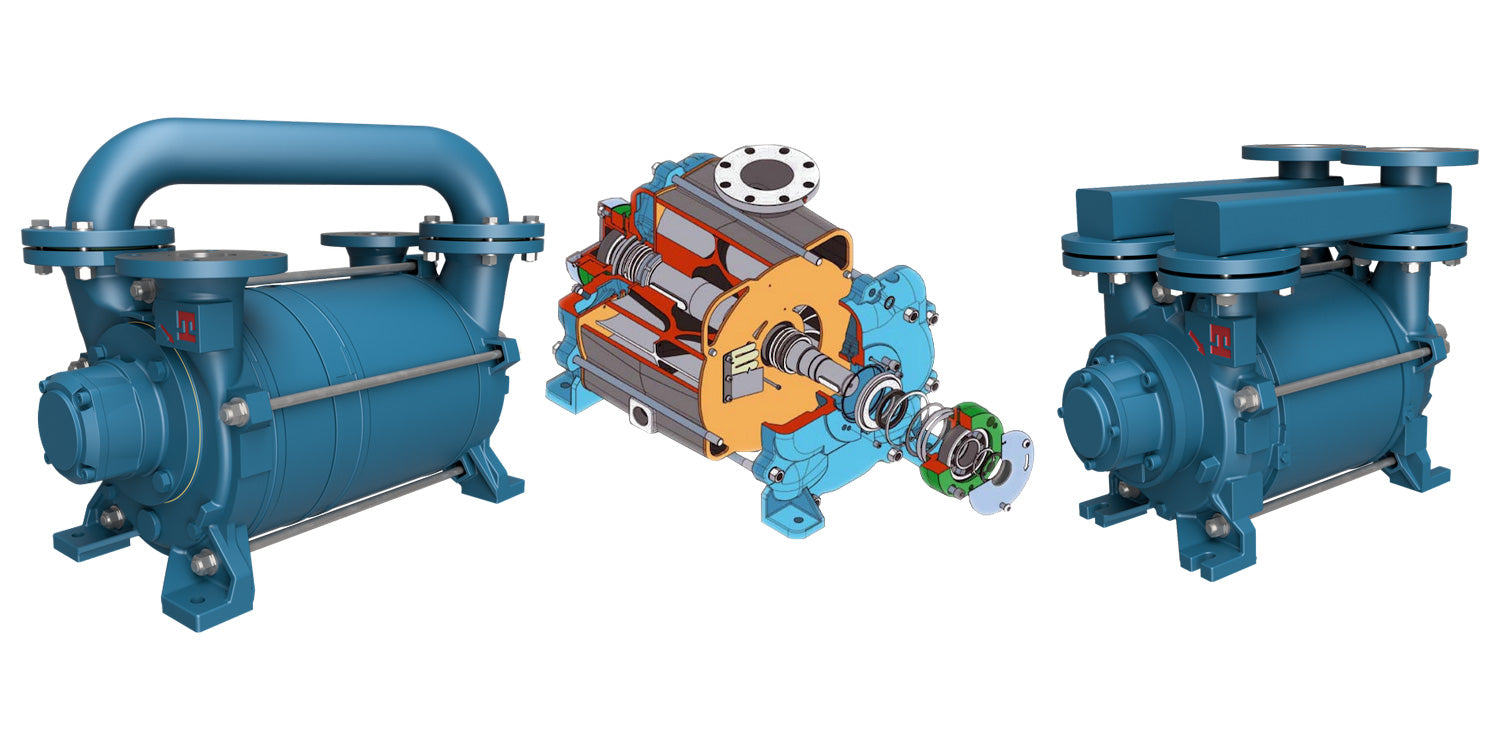
Credit: hmft.com
Causes Of Vacuum Pump Failure
Vacuum pumps are essential for many vehicle systems. Failure can cause serious issues. Understanding common causes helps in quick diagnosis and repair.
Failures often stem from simple problems. Identifying the root cause can save time and money. The most frequent causes include vacuum loss, wear, oil contamination, and mechanical damage.
Vacuum Loss In Vehicle Systems
Vacuum loss occurs when leaks develop in hoses or seals. This reduces pump efficiency. Systems like power brakes and EGR valves suffer from low vacuum. Detecting leaks early prevents further damage.
Wear And Tear
Continuous use causes pump parts to wear down. Seals, bearings, and vanes degrade over time. Worn parts reduce pump performance and cause noise. Regular maintenance extends pump life and prevents failure.
Oil Contamination
Dirty or contaminated oil harms the pump. Contaminants cause corrosion and wear inside. Oil should be checked and changed regularly. Clean oil ensures smooth pump operation and avoids breakdowns.
Mechanical Damage
Physical damage can result from impacts or improper installation. Broken components stop the pump from working. Mechanical issues often cause loud noises and vibrations. Inspecting the pump can reveal hidden damage.
Visual Inspection Tips
Visual inspection is a crucial step in vacuum pump troubleshooting. It helps spot problems before they worsen. A careful look can reveal worn parts, leaks, or loose fittings. This saves time and money on repairs. Follow simple tips to make your inspection effective and thorough.
Checking Hoses And Connections
Start by examining all hoses linked to the vacuum pump. Look for cracks, splits, or signs of wear. Ensure connections are tight and secure. Loose fittings can cause vacuum loss and reduce pump efficiency. Replace damaged hoses immediately to maintain proper function.
Identifying Oil Leaks
Oil leaks often signal pump problems or seal failure. Check around the pump base and fittings for oil spots. Look for wet areas or oil stains on surrounding surfaces. Small leaks can cause big issues if ignored. Clean the area before inspection to spot fresh leaks easily.
Assessing Pump Housing
Inspect the pump housing for cracks, dents, or corrosion. Damage here can affect pump operation and cause leaks. Check for unusual wear marks or loose bolts. The housing should be clean and intact. Proper housing condition supports long pump life and reliable performance.
Using Diagnostic Tools
Using diagnostic tools helps identify vacuum pump problems quickly and accurately. These tools reveal hidden issues that are not visible to the naked eye. They allow precise measurement and detection of leaks, pressure levels, and unusual noises. Proper use of diagnostic tools reduces downtime and repair costs. It also improves the reliability of the vacuum pump system.
Vacuum Gauge Testing
A vacuum gauge measures the pump’s vacuum pressure. Connect the gauge to the vacuum line to read the pressure level. Normal readings confirm the pump is working well. Low or fluctuating readings indicate leaks or internal damage. This test is simple and gives immediate feedback on pump performance.
Smoke Test For Leaks
A smoke test helps find leaks in the vacuum system. Introduce smoke into the vacuum lines or pump housing. Watch for smoke escaping from cracks or loose fittings. Leaks reduce vacuum efficiency and cause performance issues. This test is very effective for locating hard-to-see leaks.
Listening For Noise And Vibration
Noise and vibration can signal mechanical problems inside the pump. Use a mechanic’s stethoscope or listen carefully near the pump. Grinding, whining, or knocking sounds often mean worn bearings or damaged parts. Excessive vibration suggests imbalance or loose components. Early detection helps prevent major breakdowns.
Quick Fixes For Common Problems
Quick fixes often solve common vacuum pump problems fast. These simple steps reduce downtime and keep your pump running smoothly. Understanding easy solutions helps maintain pump performance.
Many issues arise from loose parts, worn hoses, dirty oil, or clogged components. Addressing these can restore normal function quickly. Below are practical tips for fixing typical troubles.
Tightening Loose Connections
Loose connections cause leaks and reduce pump efficiency. Check all fittings and clamps around the pump. Use a wrench to tighten any loose bolts or nuts. Ensure hoses are securely attached to prevent air leaks.
Replacing Worn Hoses
Hoses wear out over time and crack or split. Inspect hoses for signs of damage or brittleness. Replace any hose that looks worn or leaks air. Use the correct size hose to ensure a tight fit and proper vacuum flow.
Changing Pump Oil
Dirty or old oil harms pump performance and causes overheating. Drain the old oil completely and refill with fresh oil recommended by the manufacturer. Regular oil changes keep the pump lubricated and protect internal parts from wear.
Cleaning Contaminated Components
Dirt and debris block pump parts and reduce vacuum power. Remove filters, valves, and other components for cleaning. Use a soft brush and solvent to clear buildup. Clean parts prevent damage and ensure smooth pump operation.
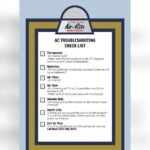
Credit: www.vectorsolutions.com
When To Seek Professional Help
Knowing when to seek professional help with your vacuum pump is crucial. Some problems are simple to fix, but others need expert skills. Acting too late can cause more damage and higher repair costs. Recognize the signs that show it’s time to call a professional. This helps protect your engine and save money.
Complex Engine Systems
Modern vehicles have complex engine systems. Vacuum pumps work with many parts like brake boosters and turbochargers. Problems inside these systems can be hard to find. Experts have tools and knowledge to diagnose these issues well. If your vacuum pump affects these systems, get professional help.
Persistent Performance Issues
Some vacuum pump problems do not go away with simple fixes. If you try basic troubleshooting but issues stay, a professional should check it. Persistent noise, leaks, or poor engine performance need expert attention. Continued problems may harm your engine or safety systems.
Pump Replacement
Sometimes a vacuum pump is too damaged to repair. In this case, replacement is the best option. Professionals know how to remove and install pumps correctly. They ensure the new pump works well with your engine. Replacing a pump yourself can cause mistakes and more damage.
Frequently Asked Questions
How Do I Know If My Vacuum Pump Is Bad?
Signs of a bad vacuum pump include loud grinding or whining noises, oil leaks, overheating, slow vacuum buildup, and poor engine performance. A hard brake pedal, rough idle, or check engine light also indicate pump failure. Inspect oil quality and use a vacuum gauge to confirm low pressure.
How Can You Detect A Failure Of The Vacuum Pump?
Detect vacuum pump failure by noting grinding noises, oil leaks, overheating, slow vacuum buildup, hard brake pedal, rough idle, or warning lights. Inspect oil condition and use a vacuum gauge to measure pressure. Persistent symptoms indicate pump issues requiring professional diagnosis.
What Is The Most Common Cause Of Pump Failure?
The most common cause of pump failure is inadequate lubrication, leading to overheating and wear. Contaminated or low oil often triggers this issue.
How Can You Tell Whether The Vacuum Pump Is Working Properly?
Check for unusual noises like grinding or whining. Inspect for oil leaks and overheating. Test vacuum pressure with a gauge. Notice poor brake response or engine performance. A warning light may also indicate pump issues.
What Are The Common Signs Of A Failing Vacuum Pump?
Common signs include loud grinding or whining noises, oil leaks, and overheating. You may also notice poor brake performance or rough engine idle.
Conclusion
Troubleshooting a vacuum pump helps keep your system running well. Watch for unusual noises, leaks, or poor performance signs. Regular checks prevent bigger problems and save time. Using simple tools like a vacuum gauge aids quick diagnosis. When issues persist, a professional’s help ensures proper repair.
Stay alert to symptoms and act early to avoid costly damage. Proper care extends your pump’s life and maintains safety.