
Is your vehicle’s air conditioning not cooling like it used to? When your car’s AC blows warm air or the airflow feels weak, it’s frustrating—especially on hot Austin days.
But before you rush to the mechanic, you can try some simple troubleshooting steps yourself. Understanding common issues like clogged filters, low refrigerant, or compressor problems can save you time and money. In this guide, you’ll learn how to spot typical AC problems, what they mean, and easy ways to check your system.
Keep reading to take control of your vehicle’s comfort and avoid unexpected breakdowns. Your car’s cool breeze is just a few fixes away!

Credit: repairpal.com
Common Ac Problems
Car air conditioners often face problems that reduce their cooling power. Identifying common AC problems helps keep your vehicle comfortable. Some issues are simple, like dirty filters, while others need expert fixes. Understanding these problems makes troubleshooting easier.
Weak Airflow Causes
Weak airflow means less air comes from the vents. Clogged cabin air filters often cause this problem. Dirt blocks air and lowers cooling. A failing blower motor also reduces airflow. It pushes air through the vents. Check these parts to restore strong airflow.
Warm Air Issues
When your AC blows warm air, it fails to cool the cabin. Low refrigerant levels often cause this. The AC system needs enough refrigerant to cool air. A blocked condenser or dirty evaporator can also cause warm air. These parts stop heat from leaving the system properly.
Refrigerant Leaks
Refrigerant leaks lower AC performance quickly. Leaks happen at hoses, connections, or coils. Without enough refrigerant, the system cannot cool well. Leaks may also damage other parts. Look for oily spots or hissing sounds near AC lines. Fixing leaks restores proper cooling.
Compressor Clutch Malfunctions
The compressor clutch controls the AC compressor’s operation. If it malfunctions, the compressor may not engage. This stops refrigerant flow and cooling. Signs include strange noises or no cold air. A worn clutch or electrical problem can cause failure. Repair or replace the clutch for proper AC function.
Electrical System Faults
Electrical faults affect many AC parts. Blown fuses, bad relays, or damaged wiring stop the system. These faults may prevent the compressor or blower motor from working. Check the AC fuse box for issues. Repairing electrical faults restores full AC operation and cooling.
Basic Diagnostic Steps
Basic diagnostic steps help identify common vehicle AC problems fast. These steps involve simple checks that anyone can do. They save time and money before visiting a mechanic. Start with easy inspections and tests to find the cause of AC failure. Follow these clear steps to troubleshoot your vehicle’s AC system effectively.
Checking Cabin Air Filter
The cabin air filter blocks dust and dirt from entering the AC system. A clogged filter reduces airflow and cooling power. Remove the filter and check its condition. Replace it if dirty or damaged. Regular filter changes improve air quality and system efficiency.
Testing Compressor Clutch
The compressor clutch turns the AC compressor on and off. Check if the clutch engages when the AC is on. If it does not, the clutch or electrical parts may fail. Use a multimeter to test clutch coil resistance. Replace faulty components to restore compressor function.
Inspecting Condenser Condition
The condenser cools down refrigerant before it enters the cabin. Look for dirt, leaves, or damage on the condenser fins. Clean the fins gently with water or compressed air. Bent fins can be straightened carefully. A clean condenser improves cooling performance.
Examining Electrical Components
Wiring and fuses control the AC system’s operation. Inspect wiring for loose connections or corrosion. Check fuses related to the AC system in the fuse box. Replace blown fuses and tighten loose wires. Faulty electrical parts often cause AC failure.
Listening For Unusual Noises
Strange sounds reveal AC system problems. Listen for grinding, squealing, or rattling noises when the AC runs. These noises may indicate worn bearings, loose parts, or refrigerant issues. Identifying noises early helps prevent costly repairs later.
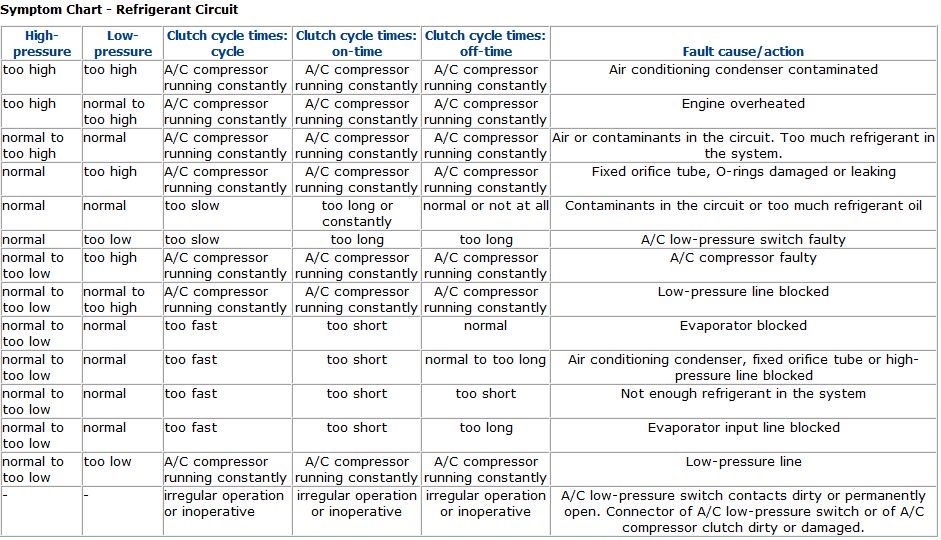
Using Ac Manifold Gauges
Protecting the AC compressor in your vehicle saves money and hassle. The compressor works hard to cool the air. Damage to it often means expensive repairs. Simple steps can keep it safe and extend its life. Understanding key practices helps you avoid common problems. Focus on pressure equalization, short cycling, and proper reboot methods.
Pressure Equalization Timing
Pressure equalization means waiting before restarting the AC. When the AC stops, high pressure remains in the system. Starting the compressor too soon forces it to work against this pressure. This stress can cause damage over time. Wait at least three minutes before turning the AC back on. This pause lets pressures balance out. The compressor then starts smoothly and safely.
Avoiding Short Cycling
Short cycling happens when the AC turns on and off quickly. This behavior strains the compressor. It reduces efficiency and increases wear. Causes include incorrect thermostat settings or electrical faults. Avoid frequent switching by setting the thermostat correctly. Let the system run longer before turning off. This practice helps the compressor last longer.
Proper System Reboot Practices
Rebooting the AC system needs care. After turning off the unit, wait before restarting. This allows refrigerant and condensate to settle. Restarting too fast may cause pressure spikes. After power outages or manual shutdowns, use this waiting rule. Count three minutes before turning the AC on again. Proper reboots protect the compressor and the entire system.
Credit: www.tradecraftspecialties.com

Credit: www.sanden.com
Frequently Asked Questions
How Do I Figure Out What’s Wrong With My Ac In My Car?
Check for weak airflow or warm air from vents, indicating clogged filters, low refrigerant, or a failing compressor. Test electrical components and listen for unusual noises. Use a pressure gauge to measure refrigerant levels. Consult a mechanic for accurate diagnosis and repair.
What Is The 3 Minute Rule For Ac?
The 3-minute rule for AC means waiting three minutes after turning off the unit before restarting it. This protects the compressor, prevents short cycling, and allows pressure to stabilize. Follow this rule after power outages, manual shutdowns, or thermostat changes to ensure efficient and safe operation.
What Are Common Problems With Car Air Conditioners?
Common car AC problems include weak airflow, warm air from vents, low refrigerant, clogged filters, faulty compressor clutch, and electrical issues.
What Is The $5000 Rule For Ac?
The $5000 rule for AC estimates replacement cost by multiplying the unit’s age (years) by repair cost. It guides repair vs. replace decisions.
How Do I Know If My Vehicle Ac Needs Repair?
Warm air blowing from vents signals a problem with your AC system. Weak airflow can mean clogged filters or a bad blower motor. These signs show your AC likely needs service.
Conclusion
Troubleshooting your vehicle’s AC helps keep you cool and comfortable. Simple checks like inspecting filters or refrigerant levels save time and money. Pay attention to weak airflow or warm air from vents as warning signs. Always allow the system to rest a few minutes before restarting to protect the compressor.
Regular maintenance extends your AC’s life and avoids costly repairs. Taking quick action ensures your vehicle stays cool during hot days. Stay aware, act early, and enjoy a refreshing ride all year.