Is your car’s air conditioning not cooling like it used to? If you’re sitting in your vehicle feeling the heat rise and wondering what’s wrong with your AC, you’re not alone.
Figuring out why your car’s AC isn’t working properly can be confusing and frustrating. But what if you had a simple, easy-to-follow guide that helps you pinpoint the problem quickly? That’s exactly what a Vehicle AC Troubleshooting Chart offers. It breaks down common AC issues, explains what they mean, and shows you the steps to fix them or know when to seek professional help.
Keep reading, and you’ll gain the confidence to tackle your car’s AC troubles head-on, saving you time and money while keeping your ride cool and comfortable.
Common Ac Problems
Car air conditioning systems face common issues that affect comfort and safety. Identifying these problems early helps prevent costly repairs. This section highlights typical AC troubles and their signs. Understanding these can guide quick and effective troubleshooting.
Weak Airflow
Weak airflow means less air comes from the vents. Dirt and dust can clog the cabin air filter. A failing blower motor may also cause poor airflow. Check these parts to restore strong air circulation.
Warm Air From Vents
Warm air from the AC vents signals a serious issue. It often means low refrigerant levels or leaks in the system. The compressor might not work properly. Fixing these problems will bring back cold air.
Unusual Noises
Strange sounds from the AC system suggest mechanical trouble. Rattling or grinding noises may come from the blower motor. Hissing sounds could indicate refrigerant leaks. Addressing noise early avoids bigger damage.
Basic Diagnostic Steps
Basic diagnostic steps help identify common issues in vehicle AC systems. These steps are simple and do not require special tools. Following them can save time and money by pointing out the problem early. Start with easy checks before moving to complex repairs.
Check Air Filters
Dirty or clogged air filters reduce airflow and cooling. Remove the filter and inspect it closely. Replace it if it looks dusty or blocked. Clean filters improve air quality and system efficiency. Regular filter checks keep your AC running smoothly.
Feel Test For Blockages
The feel test helps find blockages in the AC system. Touch the AC tubes and components carefully. A sudden temperature change or cold spot may indicate a blockage. Blockages stop refrigerant flow and reduce cooling power. This test is quick and can guide further repairs.
Inspect Refrigerant Levels
Low refrigerant levels cause weak or no cooling. Check the refrigerant using proper gauges or visit a professional. Signs of low refrigerant include warm air and hissing sounds. Do not add refrigerant without fixing leaks first. Proper refrigerant levels ensure strong and consistent cooling.
Compressor Issues
The compressor is the heart of your vehicle’s AC system. It pumps refrigerant through the system, enabling cooling. Compressor issues often cause the AC to stop working properly. Understanding common problems helps prevent costly repairs and keeps your AC running smoothly.
Compressor failures can lead to weak airflow or warm air from vents. Early signs include strange noises or the compressor cycling on and off too quickly. Timely troubleshooting saves time and money.
Short Cycling Causes
Short cycling happens when the compressor turns on and off rapidly. This can be due to low refrigerant levels or a faulty thermostat. Electrical problems or a dirty condenser also cause short cycling. The compressor gets stressed and overheats, reducing its lifespan.
Compressor Protection Tips
Wait at least three minutes before turning the AC back on after switching it off. This pause helps protect the compressor from high pressure. Avoid turning the AC on and off too quickly. Regularly check refrigerant levels and clean the condenser to keep the system healthy.
Pressure Equalization Importance
Pressure equalization allows high-pressure refrigerant to stabilize before restarting. This reduces the load on the compressor during startup. Equalizing pressure prevents damage and premature failure. It also ensures efficient cooling and extends compressor life.

Credit: www.aa1car.com
Refrigerant Problems
Refrigerant problems are common issues that affect vehicle AC systems. The refrigerant is the substance that cools the air inside the car. Low or leaking refrigerant causes weak cooling or warm air from vents. Proper handling of refrigerant ensures the system works efficiently and lasts longer.
Detecting Leaks
Leaks in the refrigerant system reduce cooling power quickly. Look for oily stains around AC components. A professional can use a UV dye or electronic leak detector. Small leaks can cause big problems if not fixed early. Check hoses, connections, and the compressor for signs of leaks.
Recharging The System
Recharging means adding refrigerant to the AC system. Use the correct type and amount as per the vehicle manual. Overcharging can harm the system and reduce cooling. Use a gauge set to measure pressure during recharge. If the system does not hold pressure, it likely has a leak that needs repair.
Handling Refrigerant Charges
Refrigerant is a controlled substance and must be handled carefully. Professionals use proper tools and safety gear to avoid harm. Never release refrigerant into the air; it damages the environment. Proper disposal and recycling are important steps. Follow local laws and guidelines when charging or repairing AC systems.
Electrical And Mechanical Checks
Electrical and mechanical checks are key steps in diagnosing vehicle AC problems. They help identify faults that cause poor cooling or airflow. These checks focus on parts that control air movement and temperature regulation. Simple tests can reveal if components like the blower motor or thermostat are working correctly. Inspecting electrical parts ensures the system gets the power it needs. This section covers important checks to follow in your vehicle AC troubleshooting chart.
Blower Motor Function
The blower motor moves air through the AC vents. Check if the motor runs at all speeds. Listen for unusual noises like grinding or squealing. A weak or non-working motor reduces airflow inside the car. Use a multimeter to test motor voltage. If the motor fails these tests, it may need cleaning or replacement. Always verify the motor’s electrical connections are tight and free from corrosion.
Thermostat Settings
The thermostat controls the desired cabin temperature. Make sure it is set to a cooling mode. A wrong setting can cause the AC to blow warm air. Check if the thermostat responds when adjusted. Faulty thermostats might cause the compressor to cycle incorrectly. Test the thermostat sensor for damage or dirt. Replace the thermostat if it does not regulate temperature properly.
Fuse And Wiring Inspection
Fuses protect the AC’s electrical circuits from damage. Locate and inspect all fuses related to the AC system. Look for blown fuses and replace them carefully. Examine wiring for any signs of wear or breaks. Loose or damaged wires can cause intermittent AC failures. Use a wiring diagram to ensure all connections are correct. Repair or replace faulty wiring to restore proper electrical flow.
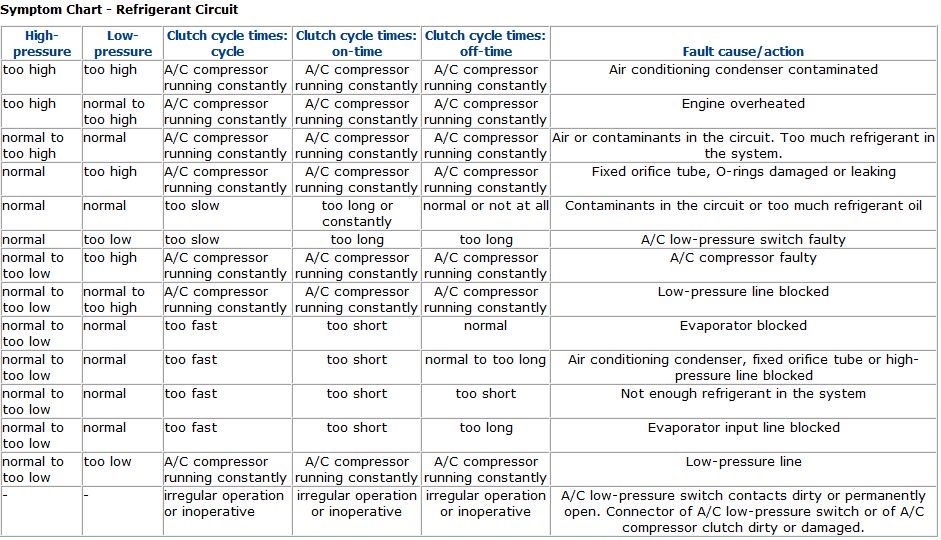
Credit: www.tradecraftspecialties.com
Cost Factors For Repairs
Repairing your vehicle’s AC system can vary widely in cost. Several factors influence the final price. Understanding these cost factors helps you prepare for potential expenses. This section breaks down the main elements affecting repair costs.
Parts Quality
The quality of replacement parts greatly impacts repair cost. Original equipment manufacturer (OEM) parts cost more. They offer better fit and durability. Aftermarket parts are cheaper but may wear out faster. Choosing parts balances price and longevity.
Labor Rates
Labor costs differ by location and repair shop. Urban areas tend to have higher hourly rates. Experienced technicians may charge more due to their skill level. Simple repairs take less time, lowering labor fees. Complex issues require more hours, increasing labor costs.
Severity Of Damage
The extent of damage affects repair expenses. Minor issues like a clogged filter cost less to fix. Major problems such as compressor failure require costly parts and labor. Diagnosing the exact problem helps estimate repair costs accurately.
When To Restart The Ac
Knowing when to restart your vehicle’s AC can save you from damage and costly repairs. Restarting the AC at the right moments helps keep the system running smoothly. It also protects important parts like the compressor. This section explains the best times to restart your vehicle’s AC and why it matters.
After Power Outages
Power outages can stop your AC suddenly. Restarting the AC too fast after an outage may harm the compressor. Wait at least three minutes before turning it back on. This pause lets the system pressure balance out. It reduces stress on the AC parts and helps the compressor start safely.
Manual Shutdowns
When you turn off the AC yourself, do not switch it back on immediately. Give the unit time to reset, about three minutes. This break prevents short cycling, which means the AC turning on and off too quickly. Short cycling can wear out the compressor and waste energy. Waiting helps the system work efficiently and last longer.
Thermostat Adjustments
Changing your thermostat settings can affect the AC’s operation. After adjusting the temperature, wait before restarting the unit. This delay allows the refrigerant pressure to stabilize inside the system. The compressor can then run without extra strain. This simple step keeps your vehicle’s AC running well and avoids damage.
Quick Fixes And Tips
Fixing vehicle AC problems quickly saves time and money. This section covers simple, effective tips. These tips help improve cooling without needing a mechanic right away. Small actions often solve common AC issues fast.
Waiting Before Restarting
After turning off your car AC, wait at least three minutes. This pause lets the system’s pressure balance out. It protects the compressor from damage caused by sudden starts. Restarting too soon can cause short cycling, which harms the AC. Use this tip after power loss or thermostat changes.
Cleaning Or Replacing Filters
Dirty filters block airflow and reduce AC efficiency. Check your cabin air filter regularly. Clean it if reusable, or replace it if worn out. Fresh filters help cool air flow freely and improve air quality. This simple step often fixes weak airflow problems.
Regular Maintenance Practices
Routine checks keep your AC system in good shape. Inspect belts, hoses, and refrigerant levels. Look for leaks or unusual noises. Schedule professional servicing yearly. Regular maintenance prevents breakdowns and extends AC life. Keep your cooling system running smoothly with these habits.

Credit: www.sanden.com
Frequently Asked Questions
How Do I Figure Out What’s Wrong With My Ac In My Car?
Check if your car AC blows warm air or weak airflow. Inspect filters, compressor, and refrigerant levels. Use a temperature test on AC tubes to find blockages. Consult a mechanic for accurate diagnosis and repair.
What Is The 3 Minute Rule For Ac?
The 3-minute rule for AC means waiting three minutes after turning off before restarting. This protects the compressor, stabilizes pressure, and prevents short cycling. It ensures efficient operation and avoids damage. Always wait three minutes after power outages or manual shutdowns before switching the AC back on.
How To Find A Blockage In Car Ac System?
Check temperature differences by feeling AC tubes and components; a sudden drop indicates a possible blockage location. Use pressure gauges to detect abnormal readings. Inspect airflow and listen for unusual noises. These methods help identify blockages quickly and accurately in your car’s AC system.
How Much To Fix Car Ac Not Blowing Cold Air?
Fixing a car AC not blowing cold air typically costs between $150 and $1,200. Costs vary by issue severity, parts, and labor. Common repairs include refrigerant recharge, leak repair, or compressor replacement. Get a mechanic diagnosis and multiple quotes for accurate pricing.
How Do I Identify Common Vehicle Ac Problems Quickly?
Check if the air is weak or warm. Weak airflow often means clogged filters or blower issues. Warm air usually signals a refrigerant leak or compressor problem.
Conclusion
A vehicle AC troubleshooting chart helps identify common AC problems fast. It guides you through symptoms like weak airflow or warm air. Following simple steps saves time and avoids costly repairs. Regular checks keep your AC running smoothly in hot weather.
Use the chart to spot issues before they get worse. Taking action early protects your car’s comfort and value. Stay cool and comfortable on every drive with easy AC troubleshooting.