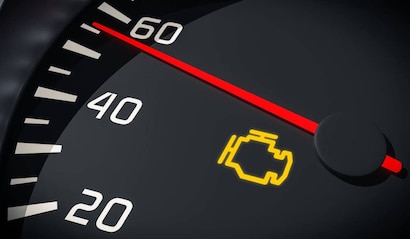
If you own a Volkswagen, you know how important it is to keep it running smoothly. But what happens when that check engine light suddenly turns on?
Understanding Volkswagen troubleshooting codes can be your key to quickly identifying what’s wrong with your car. These codes act like a secret language, telling you exactly where the problem lies—saving you time, money, and stress. You’ll learn how to read these codes, what the most common ones mean, and how to take action to get your Volkswagen back on the road safely.
Ready to decode your car’s messages and take control of its health? Let’s dive in.
Common Volkswagen Codes
Volkswagen vehicles use diagnostic trouble codes to signal specific problems. These codes help identify issues quickly and guide repairs. Understanding common Volkswagen codes saves time and money. It allows drivers to address problems before they worsen.
Common Volkswagen codes often relate to engine performance, fuel systems, and sensors. These parts experience wear or faults and generate codes frequently. Here are some typical Volkswagen trouble codes you should know.
Engine Misfire Codes
Engine misfire codes indicate problems with cylinder firing. They usually appear as P0300 to P0308 codes. Causes include bad spark plugs, ignition coils, or fuel delivery issues. Misfires cause rough running, poor fuel economy, and increased emissions. Fixing misfires restores smooth engine performance.
Air-fuel Mixture Issues
Air-fuel mixture codes show imbalance between air and fuel in the engine. Common codes include P0171 and P0174, meaning the engine runs too lean. Causes may be vacuum leaks, dirty mass airflow sensors, or faulty oxygen sensors. Correct air-fuel mixture improves engine power and efficiency.
Fuel Vapor System Leaks
Fuel vapor system leaks trigger codes like P0440, P0442, or P0455. These codes point to leaks in the evaporative emission control system. Common causes are loose gas caps, cracked hoses, or bad purge valves. Fixing leaks prevents harmful fuel vapors from escaping into the air.
Temperature Sensor Faults
Temperature sensor faults cause codes such as P0115 or P0128. These codes relate to coolant temperature sensors or thermostat problems. Faulty sensors can cause poor engine warm-up or overheating. Replacing bad sensors keeps the engine running at the right temperature.

Credit: es.scribd.com
Warning Lights To Watch
Warning lights on your Volkswagen’s dashboard signal important issues. They alert you to problems that need quick attention. Watching these lights helps keep your car safe and running well.
Some warning lights show minor issues, but others warn of serious damage. Knowing these lights can save you time and money on repairs.
Oil Pressure Warning
The oil pressure warning light looks like an oil can. It means the engine oil pressure is too low. Low oil pressure can cause severe engine damage fast. Stop the car safely and check the oil level. Add oil if it is low. If the light stays on, call for help.
Engine Temperature Alert
The engine temperature alert shows a thermometer symbol. It means the engine is overheating. Overheating can damage your engine parts. Pull over and turn off the engine. Let it cool down before driving again. Check coolant levels and leaks once cooled.
Brake System Indicator
This light shows a circle with an exclamation mark or the word “BRAKE.” It signals a problem with the brake system. The brakes might be worn, low on fluid, or have a fault. Test your brakes gently. If unsure, do not drive and get them inspected immediately.
Why These Codes Occur
Volkswagen troubleshooting codes appear to help identify car problems. These codes trigger because something in the vehicle is not working correctly. Understanding why these codes occur can save time and money on repairs. Many issues come from common sources that affect the car’s performance and safety. Below are some main reasons why these codes show up.
Wear And Tear Components
Parts in your Volkswagen wear out over time. Brake pads, spark plugs, and filters degrade with use. This natural wear causes sensors to detect lower performance. The system then generates codes to warn about these worn parts. Regular maintenance helps reduce these error codes. Ignoring wear and tear leads to more frequent issues and costly repairs.
Sensor Failures
Sensors monitor different systems in the car. They send data to the vehicle’s computer. Faulty or dirty sensors give wrong readings. This triggers error codes to alert the driver. Common sensors that fail include oxygen sensors and mass airflow sensors. Cleaning or replacing sensors often clears these trouble codes. Sensor problems affect fuel efficiency and emissions.
Loose Or Damaged Parts
Vibrations and bumps can loosen parts under the hood. Loose gas caps, cracked hoses, or broken wires cause system errors. These damaged parts disrupt normal engine operation. The car detects these faults and records trouble codes. Checking and tightening parts can stop these codes from appearing. Simple fixes often solve these common Volkswagen issues quickly.

Credit: www.vwvortex.com
Reading Volkswagen Fault Codes
Reading Volkswagen fault codes helps identify car problems quickly. These codes come from the car’s computer system. They show which part needs attention or repair. Understanding these codes saves time and money. It also helps keep your Volkswagen running smoothly.
There are simple tools and resources to read and interpret these codes. Anyone can learn to use them with ease. The process involves scanning, decoding, and checking official guides.
Using An Obd-ii Scanner
An OBD-II scanner plugs into your Volkswagen’s diagnostic port. This port is usually under the dashboard. The scanner reads fault codes stored in the car’s computer. It displays the codes on its screen or through an app. These codes point to specific problems in the engine or other systems.
Many scanners are affordable and easy to use. Some connect to your phone for quick access. This tool is the first step in troubleshooting Volkswagen issues.
Interpreting Code Meanings
Each fault code has a specific meaning. Codes start with a letter followed by numbers, like P0301. The letter shows the system, such as engine or transmission. The numbers explain the exact problem. For example, P0301 means a misfire in cylinder one.
Knowing these meanings helps you decide if you can fix the issue or need a mechanic. Common codes include problems with spark plugs, sensors, or fuel delivery. Understanding these codes reduces guesswork and speeds up repairs.
Accessing Manufacturer Resources
Volkswagen offers manuals and online databases for fault codes. These resources provide detailed explanations and repair tips. Using official guides ensures you get accurate and model-specific information.
Dealerships and Volkswagen websites often provide free access to these tools. They help decode complex issues and confirm the right solutions. Always check manufacturer resources before starting repairs.
Resetting Vw Systems
Resetting VW systems can fix many common problems quickly. Simple resets clear errors and restore normal function. This process helps when warning lights or glitches appear.
Some resets are easy and you can do them yourself. Others need special tools or professional help. Knowing which system to reset and how is important.
Infotainment System Reset
The infotainment system controls music, navigation, and settings. Sometimes it freezes or stops responding. To reset, press and hold the power button for 10 seconds. The screen will turn off and restart. This clears minor bugs and refreshes the software.
If problems continue, disconnect the car battery for a few minutes. Reconnect it to force a full reboot. This step resets the system’s memory and can fix deeper issues.
Engine Control Unit Reset
The Engine Control Unit (ECU) manages engine performance and emissions. Resetting the ECU can clear fault codes after repairs. To reset, disconnect the negative battery terminal for 15 minutes. This cuts power to the ECU and clears stored errors.
After reconnecting, start the car and let it idle. The ECU will relearn engine settings. This process helps if the check engine light stays on after fixing a problem.
When To Seek Professional Help
Some resets are risky or require special tools. Complex ECU resets or issues with airbags need a technician. If warning lights stay on or return quickly, visit a VW service center.
Professionals can read codes with advanced scanners. They ensure proper repairs and resets. Avoid guessing with critical systems to keep your car safe and reliable.
Quick Fixes For Common Issues
Quick fixes for common Volkswagen issues save time and money. Many problems trigger trouble codes that point to simple repairs. Understanding these fixes helps keep your car running smoothly. This section covers easy solutions you can try before visiting a mechanic.
Replacing Spark Plugs And Coils
Faulty spark plugs or ignition coils cause engine misfires and rough idling. Replacing them restores smooth engine performance. Remove old spark plugs with a socket wrench. Install new plugs matching your Volkswagen model. Check ignition coils for cracks or damage. Swap damaged coils with new ones to fix ignition issues.
Fixing Vacuum Leaks
Vacuum leaks cause rough idle and poor fuel economy. Inspect vacuum hoses for cracks or disconnections. Replace damaged hoses with new rubber tubes. Use a smoke machine or soapy water to find leaks. Seal leaks promptly to restore proper air-fuel mixture and engine power.
Tightening Or Replacing Gas Caps
A loose or damaged gas cap triggers the check engine light. It causes fuel vapor to escape, setting off trouble codes. Tighten the gas cap until it clicks. If the seal is worn, replace the cap with a new one. This simple fix stops vapor leaks and clears fault codes.
Sensor Cleaning And Replacement
Dirty or faulty sensors cause engine performance issues. Clean the Mass Airflow Sensor with electronic cleaner spray. Remove sensors carefully and avoid damage. Replace sensors that fail cleaning or testing. Proper sensor function ensures accurate readings and smooth engine operation.
Using Diagnostic Tools Efficiently
Using diagnostic tools efficiently is key to understanding Volkswagen troubleshooting codes. Proper use saves time and prevents misdiagnosis. These tools connect to your car’s OBD-II port and retrieve fault codes quickly. Knowing how to read and analyze these codes helps in fixing issues accurately. Let’s explore the best tools and techniques for VW diagnostics.
Recommended Obd-ii Scanners
Choose scanners compatible with Volkswagen models. Basic scanners read and clear fault codes easily. Advanced scanners provide live data and detailed code descriptions. Popular brands include Autel, BlueDriver, and FIXD. Look for scanners supporting VW-specific codes for better results. A reliable scanner ensures accurate diagnostics and easy repairs.
Mobile Apps For Vw Diagnostics
Mobile apps connect to OBD-II scanners via Bluetooth. Apps like OBDeleven and Torque offer VW-specific features. They display fault codes, sensor data, and reset options. Mobile apps are user-friendly and portable. They help monitor car health anywhere and anytime. Use apps to check engine status and troubleshoot minor issues quickly.
Data Logging And Analysis
Logging data helps track problems over time. Diagnostic tools record sensor readings and fault occurrences. Analyzing data reveals patterns or intermittent faults. Use software that supports data export for deeper analysis. Data logging improves understanding of complex issues. It aids in making informed repair decisions for Volkswagen vehicles.
Troubleshooting Specific Vw Models
Troubleshooting Volkswagen models requires understanding unique codes for each vehicle. VW cars like Golf, Jetta, Tiguan, Passat, and Atlas have specific fault codes. These codes help identify the exact problem fast. Knowing these codes reduces guesswork and repair time.
Each model has different systems and sensors. Problems show differently through diagnostic trouble codes (DTCs). Properly reading these codes guides repairs and maintenance. Below are common issues and codes for popular VW models.
Golf And Jetta Codes
Golf and Jetta models share many fault codes due to similar engines. Common codes include P0300 for random misfires and P0420 for catalytic converter efficiency. These cars often show codes related to ignition coils and oxygen sensors. Regular checks prevent engine roughness and poor fuel economy.
Faults like P0171 (lean fuel mixture) often appear in these models. This code points to vacuum leaks or dirty mass airflow sensors. Early diagnosis avoids engine damage and costly repairs. Knowing these codes helps keep your Golf or Jetta running smoothly.
Tiguan Fault Codes
The Tiguan’s codes often relate to turbocharger and transmission issues. Codes like P0299 indicate low turbo boost pressure. Transmission codes such as P0740 warn about torque converter clutch problems. These faults can cause poor acceleration and shifting problems.
Other common Tiguan codes include P0455 for evaporative emission system leaks. This suggests a loose gas cap or cracked hoses. Regular inspection of these components keeps emissions low and passes inspection tests easily.
Passat And Atlas Specific Issues
Passat and Atlas models have unique codes often linked to electrical and cooling systems. Passat owners may see codes like P0128, indicating coolant thermostat problems. This can cause poor engine temperature regulation.
Atlas models often report B1000 series body control module faults. These codes relate to electronic malfunctions affecting door locks and lighting. Addressing these issues quickly prevents further electrical failures and keeps vehicle features working properly.
Preventive Maintenance Tips
Preventive maintenance is essential to avoid costly repairs and keep your Volkswagen running smoothly. Regular attention helps detect problems early and ensures vehicle reliability. Follow simple steps to maintain your car and reduce the chance of trouble codes appearing.
Regular Sensor Checks
Sensors control many engine functions and safety features in your Volkswagen. Dirt, damage, or wear can cause sensors to send wrong signals. Check sensors often, especially oxygen, temperature, and mass airflow sensors. Clean or replace faulty sensors to avoid error codes and engine issues.
Scheduled Tune-ups
Tune-ups keep your Volkswagen’s engine in top condition. Replace spark plugs, filters, and fluids according to the manufacturer’s schedule. This prevents misfires, poor fuel economy, and other faults that trigger warning lights. Regular tune-ups improve performance and extend engine life.
Keeping Software Updated
Volkswagen uses software to manage many systems in the car. Updates fix bugs and improve system accuracy. Visit your dealer or authorized service center to check for software updates. Staying current helps prevent false codes and ensures your car operates efficiently.
Credit: www.centralvwct.com
Frequently Asked Questions
How Do You Read Vw Fault Codes?
Use an OBD-II scanner to connect to your VW’s diagnostic port. Read the displayed fault codes. Refer to a VW code list to identify issues. Clear codes with the scanner after repairs. Always consult your vehicle manual for specific instructions.
What’s The Most Serious Vw Warning Light?
The most serious VW warning light is the red Oil Pressure warning. It signals immediate engine damage risk. The Engine Temperature and Brake System warnings are equally critical. Stop driving and check these lights immediately to avoid severe vehicle damage or safety hazards.
What Is The Most Common Code For Check Engine Light?
The most common check engine light code is P0300, indicating random or multiple cylinder misfires. It often results from faulty spark plugs, ignition coils, or fuel issues.
How To Reset Volkswagen System?
To reset the Volkswagen system, turn off the ignition. Press and hold the trip reset button, then turn the ignition on. Release the button when the display resets. This clears system errors and resets settings quickly. Consult your owner’s manual for model-specific instructions.
What Are Volkswagen Troubleshooting Codes?
Volkswagen troubleshooting codes are error codes from the car’s computer. They help identify specific problems quickly. Mechanics use these codes to fix issues efficiently.
Conclusion
Understanding Volkswagen troubleshooting codes helps you spot car issues quickly. These codes guide you to the problem’s source without guesswork. Regularly checking codes saves time and money on repairs. Always address warning lights promptly to avoid bigger damage. Keep your VW running smoothly by knowing these basics.
Simple steps can protect your vehicle’s health. Stay informed, stay safe on the road.