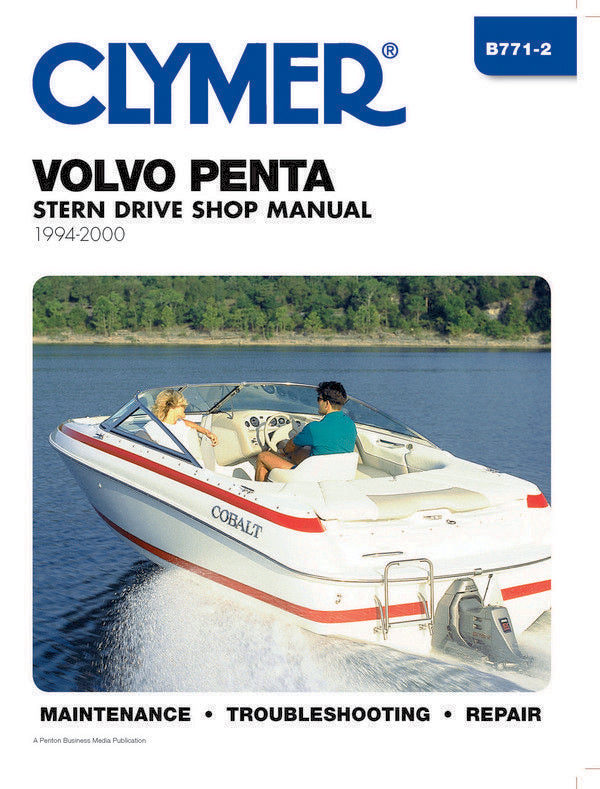
If you own a Volvo Penta engine, you know how important it is to keep it running smoothly. But what happens when your engine starts overheating, won’t start properly, or shows strange noises?
That’s where the Volvo Penta Troubleshooting Manual becomes your best friend. This guide is designed to help you quickly identify common problems like clogged filters, faulty fuel pumps, electrical glitches, or corrosion issues. By understanding these issues and knowing how to fix them, you save time, avoid costly repairs, and get back on the water faster.
Keep reading to discover simple, effective solutions that you can use right now to keep your Volvo Penta engine in top shape.
Credit: www.mymichigandentist.com
Common Engine Problems
Volvo Penta engines are reliable but can face common problems. These issues often affect performance and safety. Recognizing them early helps avoid costly repairs. This section covers frequent engine troubles and their causes. Understanding these problems aids in quick troubleshooting and effective fixes.
Overheating Causes
Overheating is a frequent engine problem. It often happens due to a worn impeller or clogged sea strainer. Blocked water intake or a failing thermostat also causes overheating. Internal salt buildup inside the cooling system can restrict water flow. Exhaust manifold corrosion may reduce cooling efficiency.
Fuel System Issues
Fuel system problems reduce engine power or cause stalling. Clogged fuel filters block proper fuel flow. Faulty fuel pumps may produce noise or fail entirely. Air trapped in fuel lines can cause rough running or prevent starting. Using clean fuel and regular filter changes help prevent these issues.
Electrical Glitches
Electrical faults affect starting and engine control. Corroded battery terminals or weak batteries cause starting failures. Loose wiring connections disrupt power flow. Sensors or ECU malfunctions may trigger warning lights or erratic engine behavior. Regular inspection of electrical parts ensures reliable operation.
Exhaust Corrosion
Exhaust system corrosion is common in saltwater environments. Cast iron manifolds and risers corrode internally over time. This corrosion restricts exhaust flow and increases engine temperature. Regular checks and replacement of corroded parts prevent overheating and damage.
Outdrive Malfunctions
Outdrives can develop issues such as unusual noises or leaks. Worn seals cause water or oil leaks. Gear problems may produce grinding sounds or poor shifting. Timely maintenance and lubrication reduce the risk of outdrive failures and expensive repairs.
Leaks And Starting Troubles
Leaks in fuel, oil, or coolant systems can harm engine function. Oil leaks may cause low lubrication and damage. Coolant leaks lead to overheating. Starting troubles often result from weak batteries or faulty starters. Keeping fluids topped and checking starter components helps maintain smooth starts.
Cooling System Fixes
The cooling system is vital for your Volvo Penta engine’s health. It stops the engine from overheating during operation. Fixing cooling system issues quickly avoids costly damage and downtime. Understanding common problems helps keep your boat running smoothly. Here are some key fixes to troubleshoot and maintain the cooling system effectively.
Impeller Replacement
The impeller pumps water through the cooling system. A worn or damaged impeller reduces water flow. This causes the engine to overheat. Replace the impeller every season or if you notice leaks or noises. Use the correct size and model for your Volvo Penta engine. Always inspect the impeller for cracks, tears, or missing blades.
Sea Strainer Cleaning
The sea strainer filters debris from cooling water before it enters the engine. Clogged strainers block water flow and cause overheating. Remove and clean the strainer regularly. Check for algae, sand, and other particles. Use fresh water to flush out dirt. Ensure the strainer basket is intact and properly seated.
Thermostat Checks
The thermostat controls engine temperature by regulating coolant flow. A stuck thermostat can cause the engine to overheat or run too cool. Test the thermostat by heating it in water and watching it open. Replace it if it does not open at the correct temperature. Always use a thermostat designed for Volvo Penta engines.
Handling Salt Buildup
Salt buildup inside cooling passages reduces water flow and causes overheating. Flush the cooling system with fresh water after each saltwater use. Use descaling solutions to remove salt deposits if overheating persists. Inspect hoses and connectors for salt corrosion. Replace any parts showing signs of wear or damage.
Exhaust Elbow Repair
The exhaust elbow directs hot water and exhaust gases away from the engine. Corrosion inside the elbow reduces water flow and increases engine heat. Inspect the elbow regularly for rust and cracks. Replace damaged elbows with genuine Volvo Penta parts. Proper repair prevents exhaust leaks and overheating.
Fuel System Repairs
The fuel system plays a vital role in the smooth operation of your Volvo Penta engine. Fuel system repairs often fix issues like poor engine performance, stalling, or hard starting. Understanding how to maintain and repair the fuel system keeps your engine running reliably.
Common fuel system problems include clogged filters, faulty fuel pumps, and air trapped in the fuel lines. These issues reduce fuel flow and cause engine trouble. Regular checks and timely repairs help prevent major breakdowns and extend engine life.
Filter Cleaning And Replacement
Fuel filters block dirt and water from reaching the engine. Over time, filters clog and reduce fuel flow. Clean or replace filters as part of routine maintenance. Use clean tools and fresh filters to avoid contamination. Check the filter housing for damage or leaks during replacement.
Fuel Pump Troubleshooting
The fuel pump moves fuel from the tank to the engine. A noisy or weak pump may fail to deliver enough fuel. Test the pump for proper pressure and sound. Inspect the pump for cracks, leaks, or worn parts. Replace the pump if it shows signs of failure to keep fuel flowing smoothly.
Removing Air From Lines
Air in fuel lines causes poor engine response and stalling. Bleed the system to remove trapped air. Open bleeder screws or loosen fuel line fittings slightly to let air escape. Pump the fuel primer bulb until fuel flows steadily without bubbles. Repeat until the engine runs smoothly without hesitation.

Credit: immanuel-ed.org
Electrical And Starting Solutions
The electrical system plays a crucial role in the smooth starting and operation of Volvo Penta engines. Troubleshooting electrical and starting problems requires a clear understanding of the battery, starter, wiring, and sensors. Proper care and regular checks prevent many common issues. This section covers essential electrical and starting solutions from the Volvo Penta Troubleshooting Manual.
Battery And Terminal Care
A strong battery is vital for reliable engine starts. Check battery charge levels regularly. Clean battery terminals to remove corrosion and dirt. Corroded terminals block electrical flow and cause weak starts. Tighten terminal connections to ensure good contact. Replace old or damaged batteries promptly to avoid sudden failures.
Starter And Solenoid Checks
The starter motor and solenoid work together to start the engine. Listen for clicking sounds, which may indicate solenoid issues. Test the starter motor for smooth operation and power draw. Inspect solenoid terminals and wires for corrosion or damage. Replace faulty starters or solenoids to restore proper starting function.
Wiring And Sensor Inspection
Inspect all wiring harnesses for cracks, breaks, or loose connections. Damaged wires can cause intermittent electrical faults. Check sensors for dirt, damage, or incorrect signals. Clean sensor contacts and replace defective sensors as needed. Secure loose wires to prevent wear from vibration or movement.
Addressing Other Issues
Addressing other issues with your Volvo Penta engine can improve its performance and reliability. Many problems go beyond basic maintenance. This section guides you through common concerns like leaks, strange noises, and power loss. Understanding these issues helps keep your engine running smoothly and safely on the water.
Fixing Fuel, Oil, And Coolant Leaks
Leaks reduce engine efficiency and cause damage over time. Check all hoses, seals, and connections regularly. Tighten clamps and replace cracked or worn parts immediately. Use only recommended fluids to prevent corrosion and wear. Clean spills promptly to avoid slipping hazards and environmental harm. Small leaks often indicate larger problems. Early detection saves money and prevents breakdowns.
Diagnosing Outdrive Noises
Unusual noises from the outdrive signal mechanical issues. Listen for grinding, whining, or knocking sounds. These may result from worn gears, low lubricant levels, or damaged bearings. Inspect the outdrive housing and propeller shaft for signs of damage. Replace oil and lubricants following the manual’s schedule. Address noises quickly to avoid costly repairs and ensure safe operation.
Restoring Power Under Load
Loss of power under load affects boat speed and handling. Check fuel quality and filters for clogs or contamination. Inspect spark plugs and ignition systems for wear or fouling. Verify that the cooling system is working to prevent overheating. Monitor the air intake for blockages or leaks. Restoring power improves fuel efficiency and overall engine health.

Credit: serviceworkshopmanuals.com
Maintenance Tips
Proper maintenance is key to keeping your Volvo Penta engine running smoothly. Regular care helps prevent common problems like overheating, fuel issues, and electrical faults. Follow these simple maintenance tips to extend your engine’s life and avoid costly repairs.
Regular Part Replacement
Replace worn parts before they fail. Items like impellers, fuel filters, and spark plugs wear out over time. Changing them regularly avoids breakdowns and keeps the engine efficient. Check the manual for recommended replacement intervals.
Cleaning And Inspection Routines
Clean the engine and inspect parts often. Remove debris from sea strainers and intakes to prevent clogs. Look for corrosion, leaks, or cracks in hoses and connections. Early detection of issues saves time and money.
Choosing Quality Fuel And Oil
Use high-quality fuel and oil to protect the engine. Poor fuel can clog filters and damage pumps. Good oil lubricates parts and reduces wear. Follow Volvo Penta’s guidelines for the best fuel and oil types.
Coolant Types Explained
Choosing the right coolant keeps your Volvo Penta engine running cool and safe. Different coolant types protect against corrosion and overheating. Understanding these types helps avoid engine damage and costly repairs.
Differences Between Green And Yellow Coolant
Green coolant is traditional and uses inorganic additives. It works well but needs changing every two years. Yellow coolant uses organic additives and lasts longer, up to five years. It offers better protection against corrosion. Use the coolant type recommended by Volvo Penta for best results.
Mixing Risks
Mixing green and yellow coolants causes chemical reactions. These reactions reduce coolant effectiveness and can damage the engine. Mixing may lead to sludge formation inside the cooling system. Always drain old coolant completely before adding a new type. Stick to one coolant type throughout the system.
Coolant Performance
Coolant performance depends on its composition and maintenance. Proper coolant prevents overheating and corrosion. It also protects metal parts and seals inside the engine. Regular checks and changes keep the cooling system efficient. Use coolant that meets Volvo Penta specifications for peak performance.
Idle Adjustment
Adjusting the idle speed on a Volvo Penta engine is crucial for smooth operation. Proper idle adjustment prevents engine stalling and reduces wear. This process ensures the engine runs efficiently at low speeds. Understanding how to set the idle RPM and use the EVC controls will help maintain your engine’s performance.
Setting Idle Rpm
Start by warming up the engine to its normal operating temperature. Locate the idle adjustment screw on the throttle body or carburetor. Turn the screw slowly to increase or decrease the idle speed. Use a tachometer to monitor the RPM. The recommended idle speed is usually between 600 and 800 RPM, but check your manual for exact numbers. Make small changes and let the engine settle before adjusting again.
Using Evc Controls
Engines with Electronic Vessel Control (EVC) need idle adjustments through the display panel. Access the engine menu on the EVC interface. Find the idle speed setting and adjust the RPM digitally. This method offers precise control and protects the engine from incorrect settings. Confirm changes and observe the engine response. EVC also provides alerts if the idle speed is out of range, helping to avoid damage.
Frequently Asked Questions
What Are The Common Problems With Volvo Penta Engines?
Common Volvo Penta engine problems include overheating, fuel system clogs, electrical failures, exhaust corrosion, leaks, and outdrive issues. Regular maintenance prevents these faults.
What Is The Difference Between Green And Yellow Coolant In Volvo Penta?
Green coolant is used in older Volvo Penta engines and contains silicates. Yellow coolant is silicate-free and used in newer models for extended protection.
How To Adjust The Idle On A Volvo Penta?
To adjust the idle on a Volvo Penta, locate the idle adjustment screw on the throttle body. Turn it slowly clockwise to increase idle speed or counterclockwise to decrease it. Start the engine and fine-tune until the desired idle RPM is reached, typically around 700-900 RPM.
Why Is My Volvo Penta Overheating Under Load?
Your Volvo Penta overheats under load due to clogged sea strainers, worn impellers, blocked intakes, bad thermostats, or exhaust system corrosion. Regularly inspect and replace these parts to prevent overheating.
What Are Common Volvo Penta Engine Problems?
Common problems include overheating, fuel system blockages, and electrical issues. Exhaust corrosion and oil leaks also occur often. Regular checks help avoid major failures.
Conclusion
Volvo Penta engines need regular care to run well and last long. Knowing common problems helps you fix issues faster. Watch for overheating, fuel flow troubles, and electrical faults. Check parts like impellers, filters, and batteries often. Clean and replace worn components to avoid bigger repairs.
Follow simple troubleshooting steps to keep your engine smooth. Staying proactive saves time, money, and stress on the water. Keep your Volvo Penta in top shape for safe, enjoyable boating.