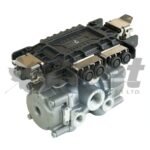
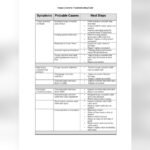
If your Wabco ABS warning light has turned on or you’re feeling something off with your brakes, you’re not alone—and this guide is here to help you. Troubleshooting Wabco ABS issues can seem tricky, but understanding the common problems and simple tests you can do makes all the difference.
Whether it’s a faulty sensor, damaged wiring, or a malfunctioning ABS module, knowing what to look for can save you time, money, and stress. Keep reading to uncover easy, step-by-step tips to diagnose and fix your Wabco ABS system, so you get back on the road safely and confidently.
Common Abs Issues
Common ABS issues often cause warning lights and braking problems. These problems usually come from sensors, wiring, or the ABS module itself. Understanding the common faults helps you spot and fix ABS troubles faster. Below are key issues to watch for in Wabco ABS systems.
Sensor Contamination
ABS sensors detect wheel speed to control braking. Dirt, metal shavings, and debris can cover these sensors. Contaminated sensors send wrong signals or no signals at all. This causes the ABS warning light to turn on. Cleaning or replacing the sensor often solves this problem.
Wiring Damage
Wiring connects ABS sensors to the control module. Wires can break, fray, or corrode over time. Damaged wiring causes intermittent or no signal from the sensors. This leads to ABS errors and warning lights. Inspecting and repairing wiring restores proper ABS function.
Module Malfunctions
The ABS control module processes signals and controls brake pressure. A faulty module can cause unresponsive brakes or false ABS activation. Symptoms include warning lights, longer stopping distances, and strange noises. Testing the module with a multimeter helps find faults. Replace the module if it fails diagnostics.
Warning Signs
Warning signs of Wabco ABS issues often appear before major failures. Recognizing these signs helps prevent accidents and costly repairs. Each symptom signals a potential problem in the ABS system or its components. Timely attention keeps your brakes reliable and safe.
Abs Warning Light
The ABS warning light on your dashboard signals a system fault. It usually glows yellow or orange. This light means the ABS system is not working properly. Ignoring it can disable anti-lock braking, reducing safety.
Brake Pedal Problems
A brake pedal that feels soft, spongy, or hard to press indicates ABS trouble. The pedal may also go down farther than usual. These issues suggest problems with brake fluid, sensors, or the ABS module.
Wheel Lockups
Wheels locking up during braking means the ABS is not controlling wheel slip. This causes skidding and loss of control. Lockups often happen on slippery roads and signal ABS sensor or pump failure.
Unexpected Abs Activation
ABS activating during normal, light braking is a warning. Pulsating brake pedal or grinding noises without heavy braking show a malfunction. This can confuse the driver and reduce brake effectiveness.
Longer Stopping Distances
When your vehicle takes longer to stop, the ABS may not be working. Faulty sensors or module issues reduce braking efficiency. This increases the risk of collisions, especially in emergency stops.
Speedometer Failures
The ABS system often shares data with the speedometer. A faulty ABS module can cause the speedometer to stop working. This affects your ability to gauge speed and drive safely.
Diagnosing Abs Problems
Diagnosing ABS problems is the first step in fixing your Wabco anti-lock braking system. Accurate diagnosis saves time and prevents unnecessary repairs. It involves checking the system carefully using tools and simple tests. Follow a clear process to find what causes the ABS warning light or braking issues.
Using Diagnostic Tools
Diagnostic tools connect to the ABS control unit. These tools read data and detect faults quickly. They help identify exact problems inside the system. A scan tool designed for Wabco ABS is best. It shows live data and error codes for the ABS module.
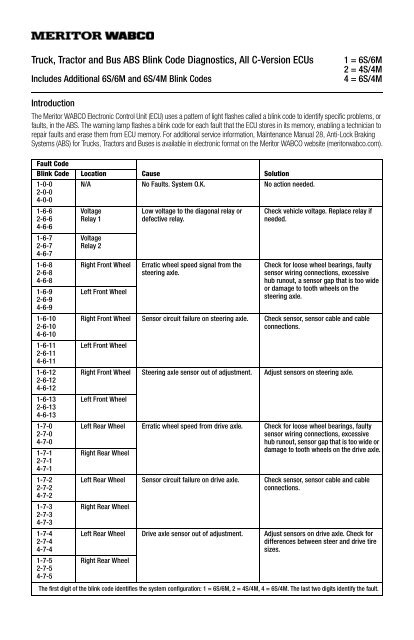
Reading Fault Codes
Fault codes give clues about what is wrong. Each code relates to a specific sensor or circuit. Write down all codes that appear. Use a code guide to understand their meaning. Clearing codes after repair helps check if the problem is fixed.
Inspecting Wiring And Connectors
Wiring and connectors often cause ABS faults. Look for broken wires, loose connectors, or corrosion. Clean connectors and secure them tightly. Damaged wires need repair or replacement. Proper wiring ensures signals reach the ABS module correctly.
Testing Wheel Speed Sensors
Wheel speed sensors monitor each wheel’s rotation. Faulty sensors cause false ABS warnings. Use a multimeter to check sensor resistance and output. Spin the wheel and watch sensor readings. Replace sensors that give no or irregular signals.
Checking Fuses And Grounds
Fuses protect the ABS electrical system. A blown fuse stops the ABS from working. Find the ABS fuse in the fuse box and test it. Check ground connections for rust or looseness. Good grounds keep the ABS system powered and stable.
Credit: www.yumpu.com
Using Blink Codes
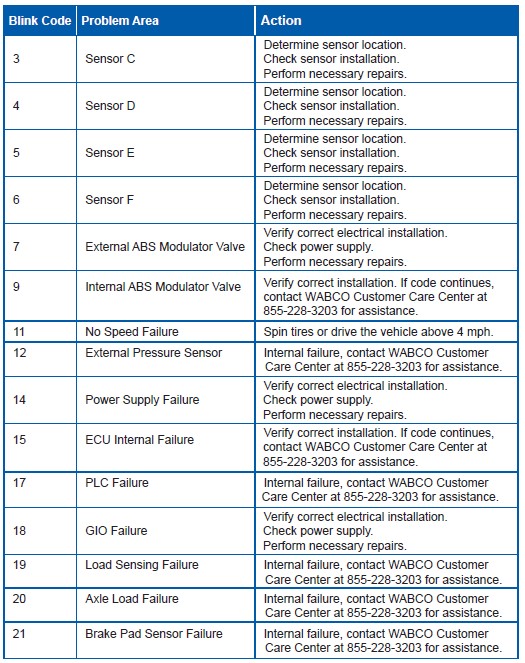
Using blink codes is a simple way to identify issues with your Wabco ABS system. The ABS control module sends out signals through blinking lights. These signals help pinpoint the exact problem without needing special tools.
Understanding these blink codes saves time and avoids guesswork. It allows quick diagnosis and fixes, keeping your vehicle safe on the road.
Locating The Diagnostic Switch
First, find the diagnostic switch on the ABS module. It is usually a small button or connector near the ABS unit. Check your vehicle manual for the exact location.
This switch triggers the ABS system to show error codes. Press or connect it to start the blinking sequence. Make sure the ignition is on but the engine is off.
Interpreting Blink Patterns
The ABS light will blink in a pattern to show a code. Count the long blinks and short blinks carefully. Each code has a specific meaning for the type of fault.
For example, two long blinks followed by three short blinks point to a sensor issue. Write down the blink code to check it against the Wabco code chart. This chart explains the problem and guides your next step.
Testing Abs Components
Testing ABS components is key to fixing Wabco ABS issues. It helps find the exact problem fast. Proper testing saves time and money on repairs. Each part needs careful checking for the system to work well. Focus on sensors, power supply, and the control module. These parts often cause ABS faults.
Measuring Sensor Resistance
Use a multimeter to check sensor resistance. Disconnect the sensor connector first. Set the multimeter to the ohms setting. Connect the probes to the sensor terminals. A normal sensor shows a specific resistance range. If it reads very high or low, the sensor may be bad. Clean sensors can also affect readings. Dirt or metal shavings cause wrong resistance values.
Verifying Power Supply
Check the power supply to the ABS system. The control module needs steady voltage. Use a multimeter to measure voltage at the power input. It should match the vehicle’s battery voltage. Low or no voltage causes ABS faults. Inspect fuses and wiring for damage. Fix any loose or corroded connections. Proper power ensures the ABS works reliably.
Checking Control Module Health
Test the ABS control module with a scan tool. Read fault codes stored in the module memory. Codes point out specific issues inside the system. Look for communication errors or sensor faults. A healthy module responds to commands correctly. No faults mean the module is likely fine. A faulty module often causes warning lights and brake problems.
Quick Fixes
Quick fixes for Wabco ABS issues can save time and money. Many ABS problems stem from simple causes. Dirt, damaged wiring, or faulty sensors often trigger warnings. Addressing these issues quickly restores system function and safety. Here are easy steps to try before seeking professional help.
Cleaning Sensors
Dirty sensors often cause ABS faults. Brake dust, mud, or metal shavings block sensor signals. Use a soft brush or cloth to clean sensor surfaces gently. Avoid harsh chemicals that may damage sensors. Clean sensors improve signal quality and reduce error codes.
Repairing Wiring
Damaged wiring interrupts sensor communication with the ABS module. Inspect wiring for cuts, corrosion, or loose connections. Use electrical tape or connectors to fix minor damage. Replace severely damaged wires to ensure proper signal flow. Good wiring prevents intermittent ABS warnings.
Replacing Faulty Sensors
Some sensors fail due to wear or impact. Test sensors with a multimeter for proper resistance. Replace any sensor showing no or erratic signals. Use genuine Wabco parts for best compatibility. New sensors restore accurate wheel speed detection.
Resetting Error Codes
ABS error codes remain after repairs until reset. Use an OBD-II scanner to clear stored codes from the ABS module. Disconnecting the battery briefly can also reset some systems. Resetting codes allows the ABS to self-test and confirm repairs.
When To Seek Professional Help
Knowing when to seek professional help is key in Wabco ABS troubleshooting. Some problems need expert skills and tools. Attempting repairs without enough knowledge can cause more damage or safety risks. Recognize situations where a professional’s experience is necessary. This approach saves time, money, and ensures your vehicle stays safe on the road.
Complex Electrical Issues
Wabco ABS systems have complex electrical parts. Faulty wiring or damaged sensors need careful diagnosis. Professionals use special tools to test circuits and signals. Simple checks with a multimeter may not find hidden problems. Incorrect handling of electrical parts can cause system failure or accidents. Let experts handle these issues to avoid costly mistakes.
Module Replacement
The ABS control module controls brake pressure and system functions. If this module fails, it can cause brake problems or warning lights. Module replacement requires technical skills and proper calibration. Professionals ensure the new module works perfectly with your vehicle. Incorrect installation can lead to system errors or poor braking performance. Always trust trained technicians for module replacement.
Safety Considerations
ABS is a critical safety system on your vehicle. Faulty ABS can increase stopping distance and cause wheel lock-up. DIY repairs without full knowledge risk your safety and others on the road. Professionals follow strict safety standards during repairs. They guarantee the ABS system functions correctly after service. Prioritize safety by choosing expert help for ABS troubleshooting and repairs.
Credit: sealcocvp.com

Credit: sealcocvp.com
Frequently Asked Questions
What Is The Most Common Abs Problem?
The most common ABS problem is sensor contamination or damaged wiring. Dirt, debris, or metal shavings often cause sensor malfunctions. This leads to intermittent signals or no sensor continuity, triggering ABS warning lights and impaired braking performance.
How To Test Wabco Abs Module With Multimeter?
To test a WABCO ABS module with a multimeter, check sensor voltage and continuity. Measure resistance across sensor terminals. Verify power supply and ground connections. Compare readings to the manufacturer’s specifications for accuracy.
How To Tell If An Abs Control Module Is Bad?
Signs of a bad ABS control module include ABS warning light, hard or unresponsive brake pedal, wheel lockup, longer stopping distances, and erratic ABS activation. It may also cause speedometer or traction control failures. Use an OBD-II scanner to detect related error codes for accurate diagnosis.
How Do You Diagnose A Problem In An Abs System?
Diagnose ABS problems by scanning for fault codes with a diagnostic tool. Check sensor wiring and connections for damage. Inspect sensors for dirt or debris. Replace any faulty sensors. Test the ABS control module if issues persist.
What Are Common Causes Of Wabco Abs Problems?
Wabco ABS issues often arise from dirty or damaged wheel speed sensors. Wiring faults or sensor contamination by debris can also trigger faults. These problems lead to incorrect ABS signals and warnings.
Conclusion
Wabco ABS troubleshooting helps keep your vehicle safe on roads. Common ABS issues often involve dirty sensors or damaged wiring. Checking sensors and wiring regularly prevents many problems. Recognizing warning lights and brake behavior changes is important. Testing with a multimeter or scanner aids in diagnosis.
Fixing ABS faults early keeps brakes responsive and reliable. Always seek a mechanic’s help for complex ABS repairs. Staying alert to ABS signs ensures safer, smoother driving every day.