Is your water softener not working the way it should? You rely on it every day to keep your water clean and free from hard minerals, but when problems pop up, it can be frustrating and confusing.
Whether your water tastes off, leaves spots on dishes, or your softener seems stuck, you’re not alone—and you don’t have to guess what’s wrong. This guide will walk you through simple, clear steps to troubleshoot your water softener. You’ll learn how to spot common issues, fix them quickly, and know when it’s time to call a pro.
Keep reading to take control of your water softness and get your system running smoothly again.
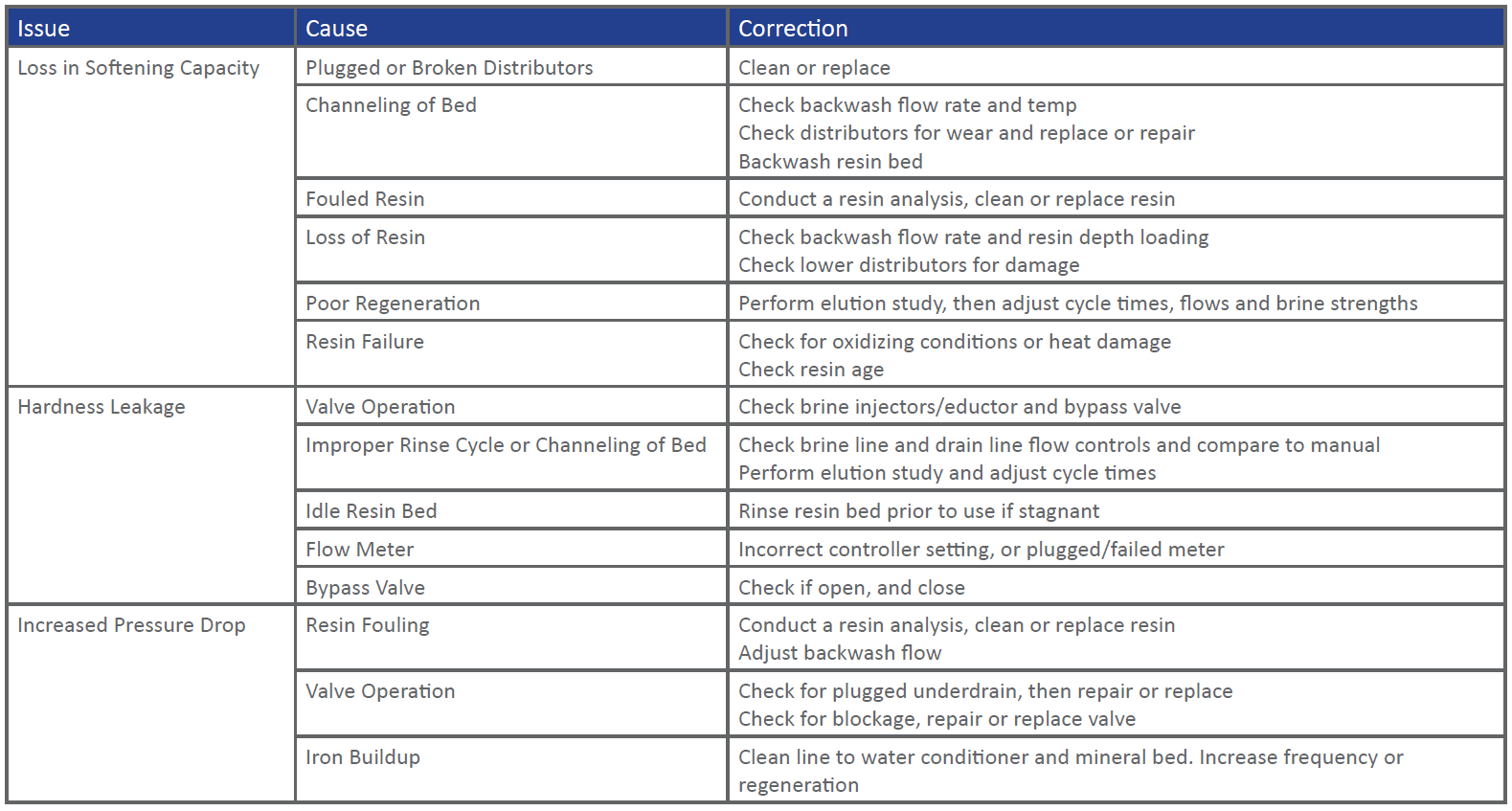
Credit: www.kuritaamerica.com
Basic Checks
Salt bridges form when salt in the brine tank hardens into a crust. This crust blocks the salt from dissolving properly. The water softener then cannot regenerate effectively. Removing salt bridges restores the system’s performance and prevents hard water problems.
Regular inspection of the brine tank helps catch salt bridges early. Acting quickly avoids damage to the softener and ensures smooth operation.
Identifying Salt Crusts
Open the brine tank lid and look inside. A solid, hard layer of salt appears above the water level. It may look like a thick crust or a salt “bridge” spanning the tank. This layer separates the salt from the water below.
Check for salt that does not crumble when tapped. Salt bridges block salt from dissolving, so the salt level stays high but the water remains low. This is a clear sign of a salt crust.
Breaking Up Hard Salt
Turn off the water softener before starting. Use a broom handle or a long stick to gently break the salt crust. Avoid damaging the tank walls. Break the crust into smaller pieces so it can dissolve again.
Remove large chunks and scoop out any debris. Refill the tank with fresh salt after clearing the crust. Restart the system and check its regeneration cycle. This helps the water softener work properly again.

Credit: www.youtube.com
Salt Bridge Removal
Regeneration problems in water softeners can cause hard water issues and reduce appliance lifespan. The regeneration cycle cleans the resin beads that remove minerals. If this process fails, your water softener cannot work properly. Troubleshooting regeneration problems helps restore soft water quickly and avoids damage.
Common causes of regeneration problems include salt bridges, clogged parts, or control malfunctions. Identifying these issues early prevents costly repairs. Below are key steps to check and fix regeneration problems in your water softener.
Manual Regeneration Steps
Start by initiating a manual regeneration to reset the system. Locate the control panel and find the regeneration or recharge button. Press and hold it for a few seconds until the cycle begins.
Manual regeneration forces the system to flush and recharge the resin beads. This clears minor blockages and refreshes the softening process. Wait for the cycle to complete, which usually takes 1 to 2 hours.
Check if water softness improves after this process. Repeat if necessary or move to cleaning steps if problems persist.
Signs Of No Regeneration
Watch for these clear signs that your water softener is not regenerating:
- Salt level remains unchanged for weeks.
- Water hardness returns despite salt in the tank.
- Brine tank water does not drain after regeneration.
- Low water pressure or flow problems at home.
These symptoms signal the system is stuck or malfunctioning during regeneration. Act quickly to avoid permanent damage to the resin beads.
Drain Line And Injector Cleaning
Clogged drain lines or injectors often block the regeneration cycle. Disconnect the drain line and inspect it for salt buildup or debris. Clear any blockages using a flexible brush or water spray.
Remove the injector assembly and soak it in warm water to dissolve salt deposits. Clean tiny holes with a soft brush or needle carefully. Reassemble and test the system to see if regeneration improves.
Regular cleaning prevents salt bridges and buildup that stop regeneration. Schedule this maintenance every 6 to 12 months for best results.
Credit: www.fountain-filters.co.uk
Frequently Asked Questions
How To Unblock A Water Softener?
Turn off the water softener. Break up salt crust using a broom handle. Remove chunks and add fresh salt. Restart and monitor performance.
How Can You Tell If Your Water Softener Is Not Regenerating?
Check the salt level in the brine tank; if it hasn’t dropped for weeks, regeneration may have stopped. Hard water signs also indicate no regeneration. Perform a manual regeneration and inspect for salt bridges or clogs to confirm the issue.
How Do You Know If Your Water Softener Is Clogged?
Signs of a clogged water softener include low water pressure, standing water in the brine tank, and hard water spots on dishes or fixtures. Check for salt bridges or sediment buildup and perform manual regeneration to clear blockages.
How To Fix A Water Softener That’s Not Working?
Check power and bypass valve. Refill salt and break salt bridges. Clean resin tank and injectors. Run manual regeneration. Test water hardness. Replace resin if needed. Call a professional for persistent issues.
How Do I Know If My Water Softener Is Not Regenerating?
A water softener not regenerating usually shows no salt level drop in the brine tank. This means the resin bed is not being refreshed. Check for salt bridges or clogs that block regeneration.
Conclusion
Troubleshooting your water softener is simpler than it seems. Start by checking salt levels and power supply first. Clear any salt bridges or clogged parts carefully. Running a manual regeneration can often fix common problems. Keep an eye on water hardness and pressure for clues.
Clean or replace resin when needed to maintain softness. If issues persist, contacting a professional helps avoid damage. Regular care ensures your system works well and protects your home. Simple steps go a long way in keeping soft water flowing smoothly.