Is your water well pump acting up when you need it most? If you’ve noticed low water pressure, strange noises, or that your pump just won’t start, you’re not alone—and you don’t have to live with the problem.
Understanding how to troubleshoot your water well pump can save you time, money, and unnecessary stress. In this guide, you’ll discover simple steps to identify common issues, reset your pump safely, and know when it’s time to call in a professional.
Keep reading to take control of your water supply and avoid costly repairs down the line.
Common Water Well Pump Issues
Water well pumps often face a variety of issues that can affect their performance and lifespan. Understanding common problems helps in early detection and quick fixes. This section highlights typical faults that well pump owners may encounter.
Leaks From Seals And Gaskets
Seals and gaskets prevent water from escaping the pump system. Over time, these parts wear out or crack. Leaks can cause water loss and reduce pump efficiency. Regular inspection helps spot leaks early. Replacing damaged seals stops further water damage and keeps the pump working well.
Bearing Failures And Noises
Bearings support the pump shaft and allow smooth rotation. Worn bearings cause grinding or squealing noises. These sounds signal mechanical stress and possible failure. Ignoring bearing issues can lead to pump breakdown. Lubrication and timely replacement extend the pump’s life and reduce noise.
Impeller Damage And Rust
The impeller moves water through the pump. Rust or debris can damage it, lowering water flow. Corrosion weakens the impeller’s structure and leads to cracks. Damaged impellers reduce pump pressure and increase energy use. Cleaning and replacing impellers restores pump efficiency and water delivery.
Overheating Risks
Overheating occurs when the pump runs without enough water or faces electrical problems. Heat damages internal parts and causes motor failure. Signs include unusual smells or the pump shutting off suddenly. Keeping the pump well-maintained and avoiding dry runs prevents overheating and costly repairs.
Short Cycling Symptoms
Short cycling means the pump turns on and off rapidly. This behavior stresses the motor and increases electricity costs. Causes include pressure switch faults or leaks in the system. Watch for frequent starts and stops as a warning sign. Fixing pressure controls and sealing leaks helps stop short cycling.

Credit: apkpumps.com
Signs Of A Faulty Pressure Switch
The pressure switch plays a key role in controlling your water well pump. It turns the pump on and off based on water pressure levels. Signs of a faulty pressure switch can cause pump problems. These signs help you spot issues early and avoid costly repairs. Watch for changes in pump behavior and water pressure. Understanding these signs makes troubleshooting easier and faster.
Constant Pump Operation
A faulty pressure switch may cause the pump to run nonstop. The pump never shuts off even when water is not in use. This constant operation can wear out the pump quickly. It also wastes energy and increases your electricity costs.
Rapid On-off Cycling
The pump may turn on and off rapidly and frequently. This cycling happens when the pressure switch fails to sense the correct pressure. It stresses the pump motor and reduces its lifespan. Short cycling also wastes electricity and can lead to pump damage.
Fluctuating Water Pressure
Water pressure may rise and fall unpredictably. You may notice weak water flow or sudden bursts of pressure. These changes happen because the pressure switch cannot maintain steady pressure. Inconsistent water pressure affects daily tasks like showering and washing dishes.
Unusual Pump Noises
Listen for strange sounds from the pump or pressure switch. Buzzing, clicking, or grinding noises often indicate switch problems. These noises mean the pump is struggling to start or stop properly. Ignoring these sounds can lead to pump failure.
Impact On Electricity Bills
A malfunctioning pressure switch causes higher electricity bills. Constant running or rapid cycling uses more power than normal. You may see a sudden rise in energy costs without changing your water use. Fixing the pressure switch can lower your bills quickly.
Quick Reset Steps For Well Pumps
Resetting a water well pump quickly can restore water flow without costly repairs. Knowing the simple reset steps helps you solve common issues fast. Follow these easy instructions to reset your well pump safely and effectively.
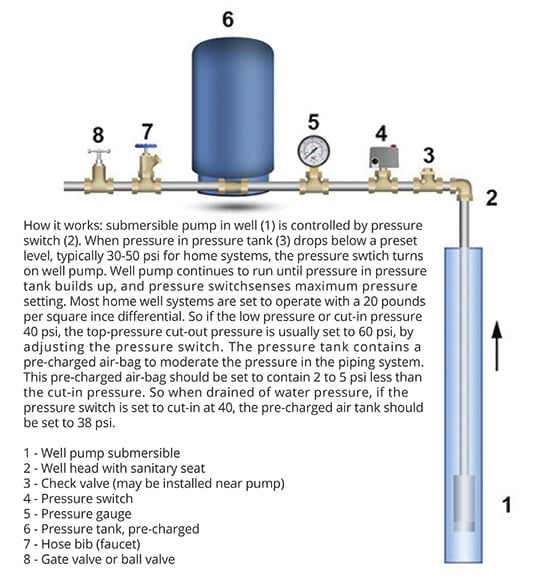
Locating The Pressure Switch
First, find the pressure switch. It is a small gray box attached to the pipe near the pressure tank. This switch controls the pump’s on and off cycles.
Turning Off Power Safely
Go to your home’s electrical panel. Flip the breaker for the well pump to the OFF position. This step prevents electric shocks during the reset process.
Using The Reset Lever
On the side of the pressure switch, find the small silver reset lever. Pull the lever up gently until it clicks. This action resets the switch and prepares the pump to restart.
Restoring Power
After resetting the lever, return to the electrical panel. Turn the well pump breaker back ON. Your pump should now start working normally.
When To Call A Professional
If the pump does not restart or trips the breaker repeatedly, stop. These signs indicate a deeper problem. Call a licensed well pump technician to inspect and repair the system safely.
Credit: www.cleanwaterstore.com
Troubleshooting Water Flow Problems
Troubleshooting water flow problems in your water well pump is essential for maintaining steady and reliable water supply. Water flow issues can cause inconvenience and may signal underlying problems. Identifying the root cause helps to fix the problem quickly and avoid damage.
This section covers common causes of water flow problems and how to recognize them. Simple checks can often restore proper flow and save you time and money.
Sputtering Water Flow Causes
Sputtering water flow usually means air is entering the water lines. This can happen due to leaks or a failing pump seal. Air pockets reduce water pressure and cause uneven flow. Check pipes and connections for cracks or loose fittings. Tighten or replace parts to stop air leaks and restore smooth flow.
Sediment In Water Lines
Sediment build-up inside pipes can block water flow. Over time, sand, dirt, and minerals settle in the lines. This reduces water pressure and causes sputtering or weak flow. Flushing the system can clear sediment. Consider installing a filter to prevent future build-up and protect your pump and plumbing.
Changes In Water Quality
Cloudy or discolored water can signal contamination or sediment issues. Water taste or smell changes also point to problems. These signs indicate the pump or well needs inspection. Test water quality regularly to catch problems early. Treat water or repair the well system to maintain safe, clean water flow.
Low Water Level Issues
Low water levels in the well reduce pump performance. The pump may suck air or run dry, causing sputtering or no water flow. Check the well depth and water level with a gauge. If water is too low, limit water use until levels recover. Persistent low levels might require a deeper well or professional help.
Preventive Maintenance Tips
Preventive maintenance is essential for keeping water well pumps running smoothly. Small checks done regularly stop big issues later. These simple steps improve pump life and ensure steady water flow.
Routine care helps spot problems early. It saves time and money by avoiding costly repairs. Here are key tips to maintain your water well pump effectively.
Regular Inspection Of Seals
Seals prevent water leaks and protect pump parts. Check seals for cracks or wear every few months. Replace damaged seals immediately to avoid water damage. Clean seals gently to remove dirt and debris. Well-maintained seals keep your pump efficient and safe.
Monitoring Pump Sounds
Listen to your pump often. Unusual noises may signal mechanical problems. Grinding, squealing, or banging sounds need quick attention. Keep a record of normal sounds for comparison. Early detection through sound monitoring prevents serious failures.
Checking For Rust And Corrosion
Rust weakens pump components and pipes. Inspect the pump and metal parts for rust regularly. Remove rust with a wire brush or rust remover. Apply protective coatings to prevent corrosion. Clean, rust-free parts ensure longer pump life and better performance.
Pressure Tank Air Level Checks
The pressure tank’s air level affects pump operation. Use a pressure gauge to check air pressure monthly. Adjust air pressure to the recommended level shown in the pump manual. Proper air pressure reduces pump cycling and wear. This simple step keeps water pressure steady and pump healthy.
When To Seek Professional Help
Knowing when to seek professional help for water well pump issues saves time and prevents damage. Some problems require expert skills beyond basic troubleshooting. Addressing these issues early protects your pump and home.
Persistent Breaker Trips
Breaker trips often signal electrical faults or overloads. If the breaker keeps tripping after resets, do not ignore it. Continuous trips can damage the pump motor and wiring. A professional can diagnose the root cause and fix it safely.
Reset Lever Won’t Stay Engaged
The reset lever on a pressure switch should stay engaged after resetting. If it pops back quickly, the pump may have mechanical or electrical issues. Attempting repeated resets without success risks further damage. Call a technician to inspect the system properly.
Suspected Motor Or Capacitor Faults
Unusual noises, weak water flow, or failure to start may point to motor or capacitor problems. These components need special tools and knowledge for testing and repair. Avoid guessing or DIY fixes to prevent costly mistakes. Professionals offer accurate diagnosis and repair.
Avoiding Fire And Damage Risks
Faulty wiring, overheating motors, or short circuits can cause fires or severe damage. Ignoring warning signs increases risk significantly. Hiring a trained professional ensures repairs meet safety standards. Protect your home and family by trusting expert help.
Credit: www.familyhandyman.com
Frequently Asked Questions
How To Diagnose Well Pump Problems?
Diagnose well pump problems by checking water pressure fluctuations, unusual noises, sputtering flow, sediment, and high electric bills. Inspect the pressure switch and power supply. Test for leaks, worn seals, or motor issues. Monitor pump cycling frequency for irregular patterns indicating pressure or tank problems.
How To Reset A Well Pump?
To reset a well pump, turn off power at the breaker. Locate the pressure switch and press its reset lever. Restore power and allow the pump to restart automatically.
What Is The Most Common Problem Of A Water Pump?
The most common water pump problem is leaks from worn seals or gaskets, causing coolant loss and overheating.
How To Tell If A Well Pressure Switch Is Bad?
A bad well pressure switch causes fluctuating water pressure, constant pump running, sputtering flow, or no water. Check for corrosion, stuck contacts, or no pump activation. Use a multimeter to test continuity. Replace the switch if symptoms persist after cleaning or resetting.
What Causes A Water Well Pump To Stop Working?
A water well pump may stop due to electrical issues, low water levels, or mechanical failure. Checking the power supply and water level is a good first step.
Conclusion
Troubleshooting water well pumps helps keep your water flowing smoothly. Regular checks prevent small issues from growing bigger. Simple fixes like resetting the pressure switch often solve common problems. Watch for unusual noises, low water pressure, or leaks. These signs show your pump needs attention.
Acting early saves time and money. If problems persist, a professional can provide the right help. Staying aware and proactive ensures your pump works well year-round.