Is your Whirlpool refrigerator acting up? Whether it’s not cooling properly, making strange noises, or your ice maker won’t work right, these problems can quickly disrupt your daily routine.
You don’t have to wait for a costly repair call just yet. By understanding some common Whirlpool refrigerator issues and how to troubleshoot them, you can often fix the problem yourself — saving time, money, and frustration. In this guide, you’ll find clear, simple steps to diagnose and solve the most frequent Whirlpool refrigerator troubles.
Keep reading to regain control over your fridge and keep your food fresh without hassle!
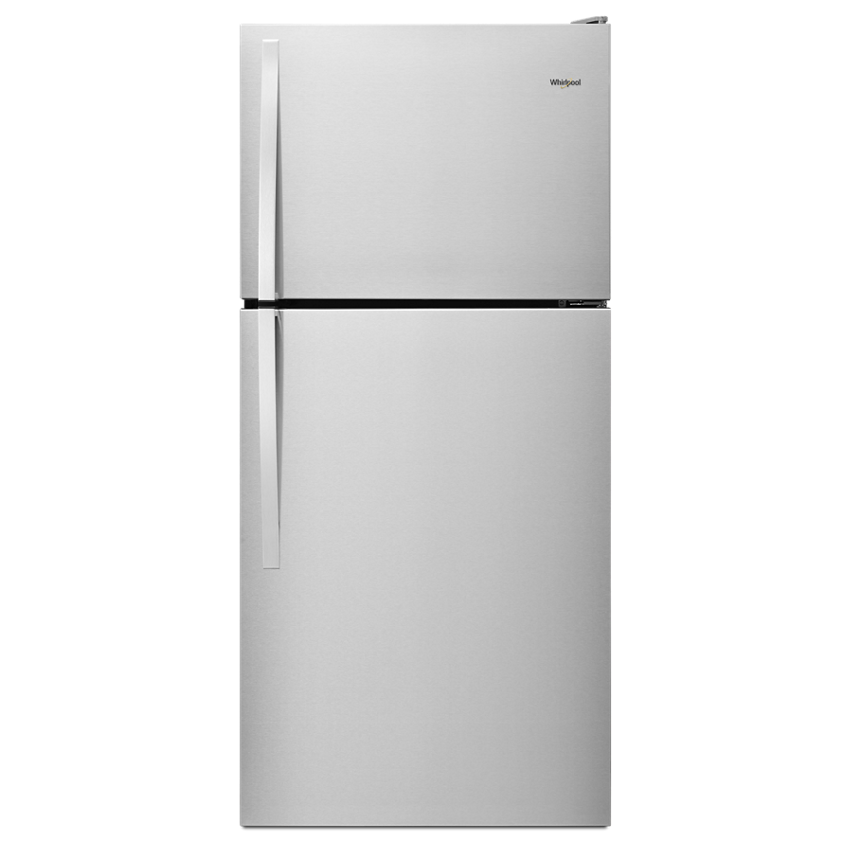
Credit: www.whirlpool.com
Common Issues
Whirlpool refrigerators can face several common issues that affect their performance. These problems often interfere with cooling, ice making, water flow, and user controls. Understanding these faults helps solve them faster. Regular care and simple fixes can restore your appliance’s efficiency.
This section covers typical problems and their causes. It guides you on what to check and expect from your Whirlpool refrigerator.
Cooling Problems
Cooling issues are frequent in Whirlpool fridges. Dirty condenser coils block airflow and reduce cooling. A faulty evaporator fan stops cold air from circulating inside. Sometimes, the start relay or compressor fails, causing the fridge to run constantly or not cool at all.
Ice Maker Failures
Ice maker problems include poor ice production, leaks, or strange-tasting ice. Clogged water filters often cause these issues. The water inlet valve or ice maker parts can wear out or break. Regular filter changes and inspections keep the ice maker working well.
Water Leaks
Water leaks usually come from clogged defrost drains. Faulty water filters or supply lines also cause leaks. Check the dispenser components for damage or loose connections. Clearing drains and replacing worn parts stops leaks and water damage.
Control Panel Glitches
Control panel failures affect temperature settings and light functions. Side-by-side models sometimes suffer from broken wiring harnesses in the door jamb. This design flaw interrupts control signals. Repairing or replacing wiring restores panel functions.
Unusual Noises
Strange sounds often signal bad fan motors. The evaporator fan or condenser fan may be worn or stuck. These fans move air inside the fridge. Listen for clicking or buzzing noises. Replacing faulty fans eliminates these distractions and improves cooling.
Cooling Troubles
Cooling troubles are common in Whirlpool refrigerators. These problems often cause food to spoil or the fridge to work too hard. Understanding the main causes helps fix the issue quickly. Three key parts often cause cooling problems: condenser coils, evaporator fan, and the start relay with the compressor.
Dirty Condenser Coils
Condenser coils remove heat from the fridge. Dust and dirt can build up on these coils. This buildup stops the coils from working well. The fridge then cannot cool properly. Cleaning the coils regularly keeps the fridge running smoothly. Use a soft brush or vacuum to clean the coils.
Evaporator Fan Issues
The evaporator fan moves cold air inside the fridge. If the fan stops working, cold air does not circulate. This causes uneven cooling or warm spots. Check if the fan is blocked or making noise. Replace the fan motor if it is broken. Proper airflow is key to good cooling.
Start Relay And Compressor
The start relay helps the compressor run. The compressor pumps refrigerant to cool the fridge. A faulty start relay can stop the compressor from starting. The compressor itself can also fail over time. If the compressor is not running, the fridge will not cool. Test these parts with a multimeter and replace if needed.
Fixing Ice Maker Problems
The ice maker in your Whirlpool refrigerator should work smoothly to provide fresh ice. Problems with ice production can be frustrating. They often happen due to a few common issues. Understanding these problems helps you fix them quickly and save money.
Start by checking simple parts before calling a technician. Many ice maker problems link to water flow and internal mechanics. This section explains how to troubleshoot and fix common ice maker problems.
Clogged Water Filter
A clogged water filter can stop water from reaching the ice maker. When the filter blocks water, ice production slows or stops. Replace the water filter every six months or as needed. Use a new filter designed for your Whirlpool model. This helps keep water clean and ice fresh.
Check the water filter housing for leaks or cracks. Make sure the filter fits tightly to avoid water flow issues. Reset the filter indicator light after replacement to track usage.
Faulty Water Inlet Valve
The water inlet valve controls water flow into the ice maker. A faulty valve may fail to open or close properly. This causes no ice or overflowing ice trays. Test the valve with a multimeter for electrical continuity. Replace the valve if it shows no continuity or leaks.
Ensure the water line to the valve is not kinked or frozen. Clear any blockages to restore proper water supply. A good water inlet valve keeps ice production steady and reliable.
Internal Mechanic Failures
Internal parts of the ice maker can wear out or break over time. The motor, gears, or ejector arm may stop working. This causes the ice maker to jam or fail to cycle. Inspect these parts carefully for damage or wear.
Clean any ice buildup inside the mechanism to prevent jams. Replace broken parts with genuine Whirlpool components. Regular maintenance of the ice maker’s internal mechanics ensures long-term performance.

Credit: www.youtube.com
Stopping Water Leaks
Water leaks in a Whirlpool refrigerator cause mess and waste. Stopping leaks quickly protects your floor and keeps your fridge working well. Checking simple parts often solves the problem without calling a technician. Follow these steps to find and fix leaks fast.
Clearing Defrost Drains
Clogged defrost drains cause water to pool inside or under the fridge. Use warm water and a small brush to clear debris from the drain hole. Gently push through any ice or dirt blocking the drain. This allows melted water to flow out properly, stopping leaks.
Checking Water Supply Lines
Loose or damaged water supply lines often cause leaks. Inspect the hose behind the fridge for cracks or holes. Tighten connections with a wrench to stop drips. Replace damaged hoses with new ones made for Whirlpool refrigerators to ensure a secure fit.
Replacing Faulty Filters
A clogged or old water filter can cause leaks or poor water flow. Remove the filter according to your model’s instructions. Insert a new filter that matches your Whirlpool fridge. This prevents leaks and keeps water clean and fresh for ice and drinking.
Resolving Control Panel Issues
The control panel on a Whirlpool refrigerator controls many important functions. Problems with this panel can stop the fridge from working properly. Fixing control panel issues often solves many common problems. Simple checks and resets can restore the panel’s normal operation quickly.
Wiring Harness Checks
The wiring harness connects the control panel to the refrigerator’s main system. Over time, wires can wear out or become loose. Inspect the wiring harness for any visible damage or disconnections. Check the door jamb area carefully since wires often bend there. Repair or replace damaged wiring to restore panel function.
Resetting The Panel
Resetting the control panel can clear errors and glitches. Unplug the refrigerator from power for about five minutes. This cut in power resets the panel’s electronics. After plugging back in, the panel should restart with default settings. If issues continue, further diagnosis may be needed, but a reset often fixes minor faults.
Reducing Noise Problems
Noise issues in Whirlpool refrigerators can be annoying and may signal a problem. Reducing these noises improves the fridge’s performance and your comfort. Identifying the source of noise helps in quick fixes and prevents bigger damage.
Evaporator Fan Motor
The evaporator fan motor moves cold air inside the fridge. If it makes loud or unusual sounds, it may be dirty or worn out. Dust and ice buildup can block the fan blades, causing noise. Check the fan for debris and clean it carefully. A faulty motor often needs replacement to stop the noise. Regular maintenance keeps the fan running quietly and efficiently.
Condenser Fan
The condenser fan cools the compressor and condenser coils. If this fan is noisy, it could be due to dirt or damage. Dust buildup on the blades or motor can cause rattling sounds. Inspect the fan and clean it if needed. Worn bearings or a broken motor can also create noise. Replacing the fan motor restores quiet operation. Keeping the condenser fan clean extends its life and lowers noise levels.
Maintenance Tips
Proper maintenance keeps your Whirlpool refrigerator running smoothly. Regular care prevents common problems and extends its life. Simple checks and cleaning save time and repair costs. Follow these tips to maintain efficiency and avoid breakdowns.
Cleaning Coils
Dust on condenser coils reduces cooling power. Clean coils every six months for best results. Unplug the fridge before cleaning. Use a coil brush or vacuum to remove dirt gently. Clean coils help the compressor work less and last longer.
Inspecting Door Seals
Door seals keep cold air inside and save energy. Check seals for cracks or gaps regularly. Clean seals with warm, soapy water to remove dirt. Replace seals if they are torn or not sticking well. Good seals maintain temperature and reduce power use.
Checking Wiring
Wiring issues can cause fridge malfunctions or no cooling. Inspect wires for signs of damage or loose connections. Make sure wires near the door hinge are intact and not pinched. Call a professional if you find frayed or broken wires. Safe wiring ensures proper fridge operation and avoids hazards.
Reset Procedures
Resetting your Whirlpool refrigerator can solve many common issues quickly. Reset procedures help clear errors and restore normal function. These steps often fix control glitches, ice maker problems, and filter alerts. Follow the right reset for your model to avoid confusion or damage. Below are simple reset methods to try before calling for service.
System Reset
Unplug the refrigerator from the power outlet. Wait for 5 minutes to let the system fully power down. Plug it back in and allow it to restart. This reset clears temporary errors and resets the compressor and fans. Check if cooling improves after the restart.
Control Panel Reset
Locate the control panel on the front of your fridge. Press and hold the “Power” or “Cancel” button for about 10 seconds. The display should turn off, then back on. This resets the control board and clears minor software glitches. Your settings may return to default, so reprogram if needed.
Ice Maker Reset
Find the ice maker reset button, usually inside the freezer or near the dispenser. Press and hold the button for 10 seconds until you hear a chime or the ice maker stops and restarts. This reset clears jams and mechanical errors, helping the ice maker work properly again.
Water Filter Light Reset
Replace the water filter before resetting the light. Press and hold the “Filter Reset” button on the control panel for 3 seconds. The filter status light should turn off or change color. Resetting the light helps track filter life and maintain water quality.
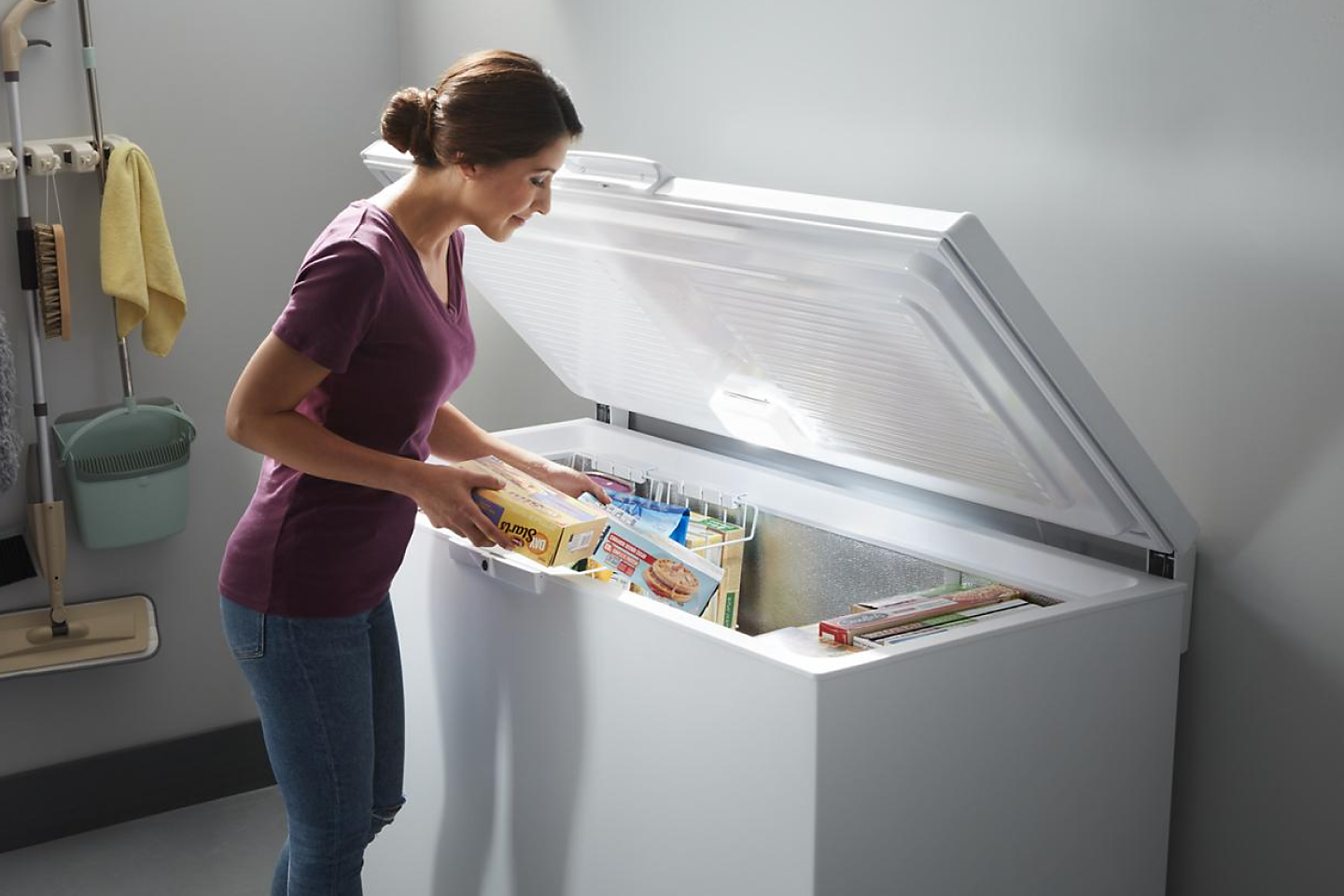
Credit: www.whirlpool.com
Frequently Asked Questions
What Is The Most Common Problem With A Whirlpool Refrigerator?
The most common Whirlpool refrigerator problem is cooling issues caused by dirty condenser coils, faulty evaporator fans, or bad thermostats. Ice maker malfunctions and water leaks due to clogged drains or worn door seals also occur frequently. Regular maintenance helps prevent these problems.
Is There A Reset Button On A Whirlpool Fridge?
Whirlpool fridges do not have a dedicated reset button. Unplug the fridge for a few minutes to reset the control board and system. This reboot helps resolve minor glitches and refreshes the appliance’s settings effectively.
Does Unplugging A Fridge Reset It?
Unplugging a fridge cuts its power, causing a brief reset of the control board. Wait a few minutes before plugging it back in. This can clear minor glitches but won’t fix major mechanical issues. Use unplugging as a simple troubleshooting step for Whirlpool refrigerator problems.
What Is The First Thing To Check When A Refrigerator Stops Working?
First, check if the refrigerator is plugged in and receiving power. Then, inspect the thermostat setting and door seals.
Why Is My Whirlpool Refrigerator Not Cooling Properly?
Poor cooling usually happens from dirty condenser coils or a faulty evaporator fan. Check and clean the coils first. Replace the fan if it doesn’t run.
Conclusion
Troubleshooting your Whirlpool refrigerator can save time and money. Start with simple steps like cleaning coils and checking door seals. Watch for unusual noises or leaks as early signs of problems. Regular maintenance keeps your fridge running smoothly and cools efficiently.
If issues persist, seek professional help to avoid bigger damage. Stay proactive to enjoy fresh food and a well-functioning appliance every day.