Is your Whirlpool undercounter ice maker giving you trouble? Maybe it’s stopped making ice, or the ice production is slower than usual.
You’re not alone, and the good news is that many common issues can be fixed with some simple troubleshooting steps. Whether it’s a frozen water line, a clogged filter, or a sensor glitch, understanding what might be causing the problem can save you time and frustration.
In this guide, you’ll find easy-to-follow tips and solutions to get your ice maker back to perfect working order. Keep reading to discover how you can quickly diagnose and fix your Whirlpool undercounter ice maker so you never run out of ice again.
Common Ice Maker Problems
Whirlpool undercounter ice makers provide convenience and fresh ice. Still, they can face some common issues. Understanding these problems helps fix them quickly. Below are typical problems users face with their Whirlpool ice makers.
No Ice Or Slow Production
One major issue is no ice or slow ice making. This often happens due to water supply problems. A clogged or old water filter can reduce water flow. Check the water line for kinks or blockages. The water inlet valve may fail, stopping water from entering the machine.
Temperature settings also affect ice production. The freezer must be cold enough to freeze water properly. Frozen or blocked water fill tubes can stop ice making. Clear any ice buildup to restore flow. Regular maintenance improves ice output and machine life.
Continuous Ice Making
Continuous ice making occurs when the ice maker never stops running. This wastes water and energy. The common cause is a stuck or misaligned control arm. The arm signals the machine to stop when the bin is full. If it is stuck down, the ice maker keeps producing ice.
Another cause is a faulty thermostat or sensor. These parts detect ice bin levels and temperature. Replace damaged parts to stop overproduction. Inspect the ice bin for jams or ice clumps blocking the arm. Fixing these issues saves water and prevents ice overflow.
Bin Overheating
Ice bins can overheat, causing ice to melt and refreeze. This creates clumps and jams inside the bin. Overheating often results from poor ventilation around the ice maker. Ensure the unit has enough space for air to circulate. Dirty or blocked vents reduce cooling efficiency.
Electrical or sensor malfunctions may cause the bin heater to run too long. Check wiring and components for damage or wear. Regular cleaning and proper installation prevent overheating problems. Keeping the bin cool helps ice stay fresh and ready to use.
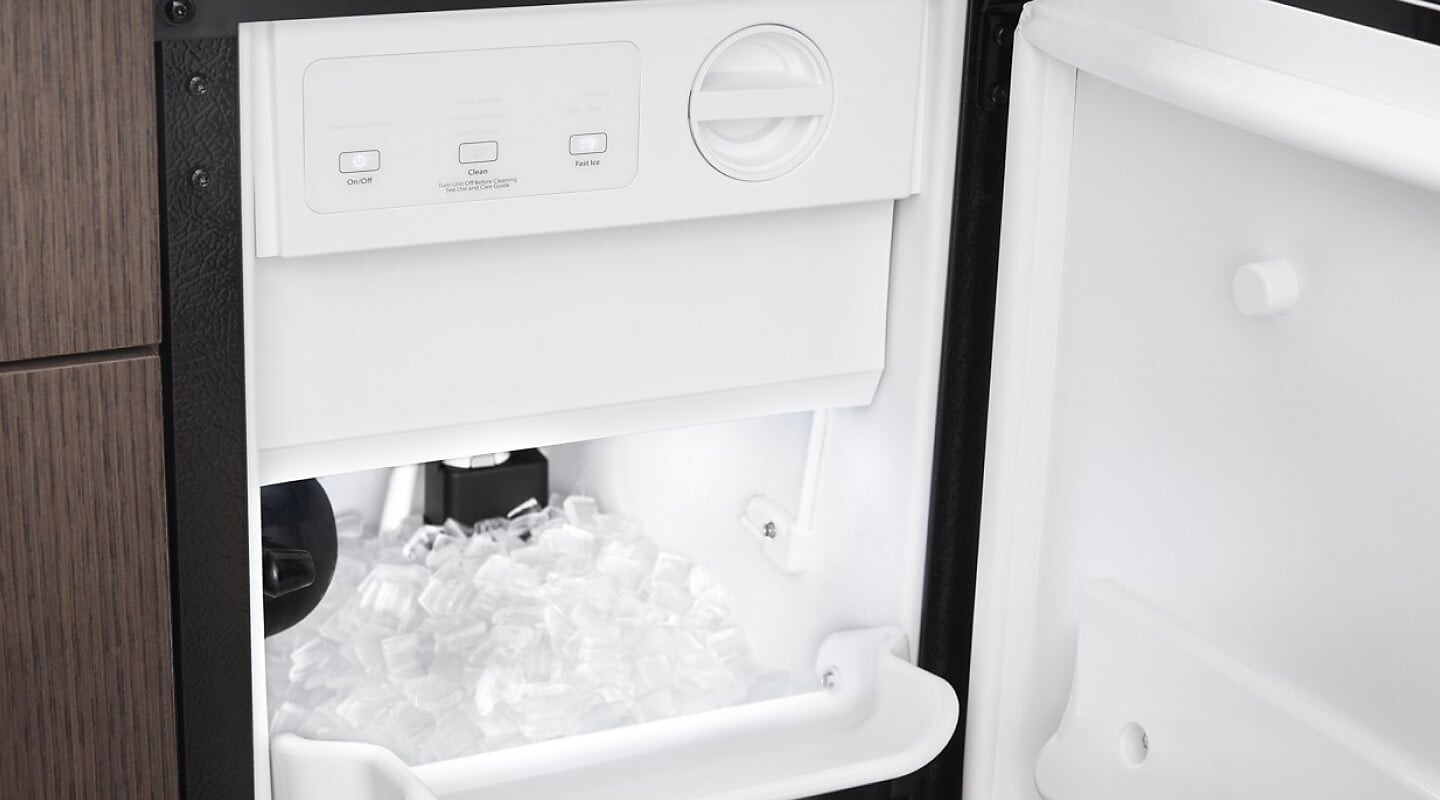
Credit: www.whirlpool.com
Water Supply Issues
Water supply problems often cause Whirlpool undercounter ice makers to stop working. Without proper water flow, ice production slows or stops entirely. Checking water supply issues first can save time and avoid costly repairs.
Simple fixes can restore your ice maker’s function quickly. Focus on three main areas: the water filter, water line, and fill tube. Each may block or reduce water flow.
Clogged Water Filter
A clogged water filter restricts water flow to the ice maker. Over time, filters collect dirt and minerals. This buildup reduces water pressure and stops ice production.
Replace the filter every six months or as recommended. Remove it to check if water flows freely. A clean filter ensures steady water supply and better ice quality.
Kinked Or Disconnected Water Line
A kinked or loose water line limits water reaching the ice maker. The line may bend or disconnect behind the appliance. This stops water flow completely.
Inspect the water line for bends or loose connections. Straighten any kinks and reconnect the line firmly. Proper connection restores water supply and ice making.
Frozen Fill Tube
The fill tube delivers water into the ice mold. It can freeze if temperatures drop or water flow is slow. A frozen tube blocks water and stops ice production.
To fix, gently thaw the fill tube using warm water or a hairdryer set on low. Avoid harsh heat to prevent damage. Clear tubes let water flow freely for ice making.
Ice Blockages And Jams
Ice blockages and jams are common issues in Whirlpool undercounter ice makers. These blockages stop the ice from moving freely and can cause the machine to stop working. Understanding where and why ice clumps form helps fix the problem fast. Clearing these jams restores normal ice production and keeps the machine running smoothly.
Ice Clumps In Bin Or Chute
Ice clumps often form in the ice bin or chute. These clumps block ice from falling into the dispenser. Warm air entering the bin can cause ice to melt slightly and refreeze, creating sticky chunks. Regularly clearing the bin helps prevent buildup. Use warm water to gently melt stuck ice, but avoid sharp tools to prevent damage.
Spray Bar And Mold Blockages
The spray bar sprays water to form ice cubes. Sometimes, mineral deposits or mold block the spray holes. This reduces water flow and causes poor ice production. Cleaning the spray bar with a vinegar solution removes buildup. Wiping the mold helps keep water flowing freely. Regular cleaning prevents jams and keeps ice clear and fresh.
Cooling System Troubles
The cooling system is vital for your Whirlpool undercounter ice maker. It keeps the ice maker cold enough to produce ice consistently. When cooling issues arise, ice production slows or stops entirely. Identifying and fixing cooling system troubles quickly restores normal operation.
Several components work together to maintain proper cooling. These parts include the cold plate, condenser coil, fan, and compressor. Problems with any of these can cause cooling failure. Understanding common issues helps you troubleshoot effectively.
Cold Plate Not Cooling
The cold plate freezes water into ice. If it does not cool, ice will not form. First, check if the plate feels cold after running the ice maker for a while. Warm or only slightly cool plates indicate a problem.
Causes include low refrigerant, faulty thermostat, or a broken cold plate heater. A low refrigerant level reduces cooling power. A faulty thermostat may not signal the compressor properly. The cold plate heater may prevent ice buildup but can fail.
Test the thermostat and heater with a multimeter for continuity. If either is defective, replace it. Low refrigerant requires professional repair. Avoid opening sealed refrigerant systems yourself.
Condenser Coil And Fan Cleaning
Dirt and dust can block the condenser coil and fan. This blockage reduces heat transfer and cooling efficiency. Clean the coil and fan regularly to ensure good airflow.
Unplug the ice maker before cleaning. Use a soft brush or vacuum to remove dust from the coil. Clear debris from the fan blades and surrounding area. Check that the fan spins freely and is not obstructed.
Proper cleaning prevents overheating and extends the compressor’s life. A clean condenser coil and fan improve overall cooling performance.
Compressor And Fan Motor Check
The compressor circulates refrigerant to cool the system. The fan motor helps dissipate heat from the condenser coil. Both must work properly for good cooling.
Listen for unusual noises from the compressor or fan motor. A humming or clicking sound may indicate a faulty motor or relay. Test the fan motor with a multimeter for electrical continuity.
If the compressor does not run, it may be due to a bad start relay or capacitor. Replace faulty electrical parts as needed. Call a technician for compressor repairs or replacements.
Electrical And Control Issues
Electrical and control issues often cause Whirlpool undercounter ice makers to stop working. These problems can prevent the machine from starting or producing ice properly. Understanding basic troubleshooting steps helps fix many common faults without calling a technician.
Most electrical problems relate to the control board, sensors, or power supply. Simple resets or tests can identify if the ice maker needs repairs or just a quick restart. Knowing how to handle these issues saves time and money.
Resetting The Ice Maker
Resetting the ice maker can clear minor errors in the control system. First, unplug the unit from power for about five minutes. This pause allows the control board to reboot.
After reconnecting power, the ice maker should restart automatically. If it does not, locate the reset button on the unit. Press and hold it for 10 seconds to force a reset. This often fixes issues like frozen controls or stuck cycles.
Test Button And Diagnostic Modes
The test button helps check the ice maker’s functions step by step. Press it once to start a test cycle. The machine will fill with water, freeze, and eject ice automatically.
Some models have diagnostic modes that show error codes. These codes indicate specific problems like sensor failures or motor faults. Use the user manual to decode these signals and target the repair.
Faulty Water Inlet Valve Or Sensors
A faulty water inlet valve can stop water from reaching the ice tray. Check for humming or clicking sounds when the ice maker tries to fill. No sound may mean the valve is defective or the control board is not sending signals.
Sensors monitor temperature and ice level. If they fail, the ice maker might stop or overfill. Clean sensors gently with a soft cloth to remove any dirt. Replace sensors if cleaning does not help.
Cleaning And Maintenance Tips
Proper cleaning and maintenance keep your Whirlpool undercounter ice maker running smoothly. Dirt, ice buildup, and old filters can block water flow or reduce ice quality. Simple steps help avoid common problems and extend your ice maker’s life.
Regular care prevents jams and keeps ice tasting fresh. Follow easy routines for cleaning and maintenance. Your ice maker will work better and last longer.
Running A Clean Cycle
Run the ice maker’s clean cycle monthly. Use the manufacturer’s recommended cleaner or a vinegar solution. This removes mineral deposits and bacteria inside the machine.
Start by emptying the ice bin. Add the cleaner to the reservoir. Follow the instructions to run the cycle. Rinse the system with clean water after cleaning.
Removing Ice Jams
Ice jams block ice from dropping. Turn off the ice maker before clearing jams. Use warm water or a hair dryer to melt stuck ice carefully.
Never use sharp objects to break ice inside. This can damage the machine. Clear the ice gently and dry the area before restarting the ice maker.
Regular Filter Replacement
Replace the water filter every six months or sooner if water flow slows. A clogged filter reduces ice production and affects taste. Use only Whirlpool-approved filters for best results.
Check the filter housing for leaks or damage during replacement. Clean the filter cover and surrounding area to keep the system clean.
Advanced Troubleshooting
Advanced troubleshooting helps fix complex Whirlpool undercounter ice maker issues. It digs deeper into parts and problems beyond basic checks. This step aims to restore ice production without costly repairs or replacements.
Careful inspection of key components like the pump and water valve can reveal hidden faults. Frozen parts may stop the ice maker from working correctly. Knowing when to call a professional saves time and prevents damage.
Inspecting The Pump And Water Valve
Check the pump to ensure it moves water properly. Listen for unusual sounds that signal malfunction. A faulty pump can cause water flow issues and no ice production.
Examine the water valve for blockages or damage. The valve controls water entering the ice maker. If stuck or broken, the ice maker will not fill with water.
Use a multimeter to test electrical continuity in the valve. Replace the valve if it shows no electrical response. Clean any debris blocking the valve or pump to restore function.
Defrosting Frozen Components
Frozen parts can stop water flow and ice production. Common frozen areas include the water line and ice mold. Defrost these components to remove ice blockages.
Turn off the ice maker and unplug it. Use a hairdryer on low heat or warm towels to melt ice safely. Avoid sharp objects that can damage parts during defrosting.
After defrosting, restart the ice maker and check for normal operation. Regular defrosting prevents future blockages and extends the machine’s life.
When To Call A Professional
Contact a technician if advanced troubleshooting does not fix the problem. Complex electrical or mechanical issues require expert tools and knowledge.
Professional help avoids further damage and costly repairs. Signs to call include persistent water leaks, no ice after repairs, or strange noises.
Certified technicians also handle warranty-covered repairs and parts replacements. Early professional intervention keeps your ice maker working smoothly longer.

Credit: www.reddit.com
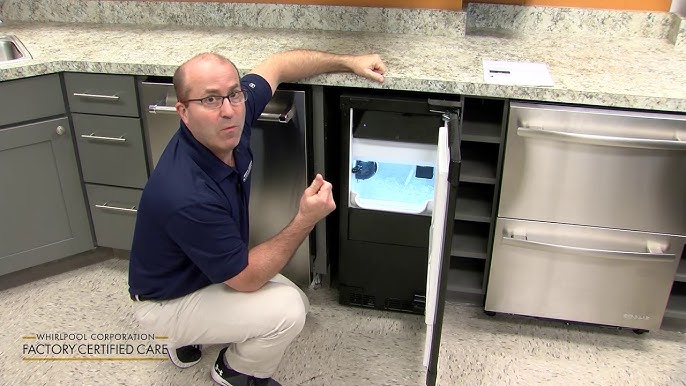
Credit: www.youtube.com
Frequently Asked Questions
Where Is The Reset Button On The Whirlpool Under Counter Ice Maker?
The reset button on a Whirlpool under counter ice maker is usually located inside the unit, near the ice tray or control panel. Press and hold it for a few seconds to reset the ice maker. Refer to your model’s manual for exact placement.
What Would Cause A Whirlpool Ice Maker Not To Make Ice?
A Whirlpool ice maker may stop making ice due to a clogged water filter, defective water inlet valve, improper temperature, frozen water line, or ice blockages. Check water supply, control arm position, and reset the unit if needed.
Why Is My Under The Counter Ice Maker Not Producing Ice?
Your ice maker may stop producing ice due to a clogged water filter, frozen water line, low water pressure, or faulty inlet valve. Also, incorrect temperature settings or a paused control arm can halt ice production. Check these to restore proper function quickly.
How Do You Reset The Bottom Ice Maker?
To reset the bottom ice maker, remove the ice bucket gently. Press the Test or Reset button located at the front bottom. Reinsert the ice bucket and check if the ice maker starts filling water. This resets the ice maker and can fix common issues.
Why Is My Whirlpool Undercounter Ice Maker Not Making Ice?
Common causes include a clogged water filter, frozen water line, or low water pressure. Also check if the control arm is paused or the water inlet valve is faulty. Temperature settings that are too high or low can stop ice production.
Conclusion
Troubleshooting your Whirlpool undercounter ice maker can save time and money. Simple checks often fix common issues like no ice or slow production. Keep the water filter clean and ensure water lines are clear. Watch for frozen tubes or blockages that stop ice making.
If problems persist, consider professional help to avoid damage. Regular maintenance helps your ice maker run smoothly and produce ice reliably. Stay patient and follow steps carefully for best results. Your ice maker will be back to work before you know it.