Is your Xbox controller acting up just when you’re about to dive into your favorite game? It’s frustrating when your controller won’t connect, stops responding, or behaves oddly in the middle of play.
But don’t worry—you’re not alone, and most of these issues are easier to fix than you think. In this guide, you’ll discover simple, step-by-step solutions to get your Xbox controller working perfectly again. Whether it’s a battery glitch, a syncing problem, or something else, you’ll learn how to troubleshoot it quickly and get back to gaming without the hassle.
Keep reading to unlock the fixes that will save your next gaming session!
Common Xbox Controller Issues
Connection problems with your Xbox controller can interrupt your gaming experience. Fixing these issues quickly helps you get back to playing without hassle. Many connection troubles come from syncing errors, battery issues, or hardware glitches. Try simple steps to restore a stable connection between your controller and console.
Syncing Controller To Console
Turn on your Xbox console first. Press the Xbox button on your controller to power it on. Find the Sync button on your console; it is usually near the USB port. Press the Sync button on the console, then press the Sync button on your controller. Both lights will blink. Wait for the lights to stay solid. This means the controller is connected successfully. If it does not connect, repeat these steps. Make sure the controller has fresh batteries.
Using Usb Cable For Wired Connection
Connect your Xbox controller to the console using a USB cable. Use a good quality USB cable that supports data transfer. Plug one end into the controller and the other into the Xbox console. The controller should power on automatically. Wired connection avoids syncing issues and saves battery power. If the controller does not respond, try another USB cable or port. This method works well for immediate and stable connections.
Resetting The Controller
Turn off your controller by holding the Xbox button for 10 seconds. Wait a few seconds, then press the Xbox button again to turn it back on. This resets minor bugs and may fix connection problems. If the issue continues, press and hold the Sync button and the Xbox button together for a few seconds. Release both buttons and wait for the controller to reconnect. Resetting clears temporary faults and refreshes the controller’s connection to the console.
Fixing Connection Problems
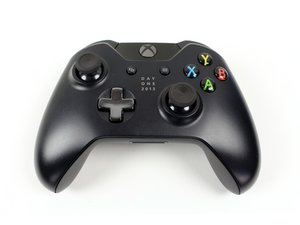
Unresponsive buttons on an Xbox controller can disrupt your gaming experience. Fixing these issues often requires simple steps. Addressing unresponsive buttons quickly helps you get back to playing without frustration.
Cleaning Dust And Debris
Dust and debris can block button movement. Use a soft brush to gently clean around the buttons. Compressed air helps remove dirt from hard-to-reach areas. Avoid using water or liquid cleaners that may damage the controller.
Checking For Physical Damage
Inspect the controller for cracks or broken parts near the buttons. Press each button to feel if it moves normally. Damaged buttons or casing may need professional repair or replacement.
Calibrating The Controller
Calibration can fix button response issues. Connect the controller to your Xbox or PC. Access the settings menu and find the calibration option. Follow on-screen instructions to reset button sensitivity. This often restores proper button function.
Resolving Unresponsive Buttons

Power issues often cause Xbox controllers to stop working. Problems with batteries or charging affect gameplay. Fixing power and battery troubles can restore your controller fast. This section covers simple solutions to power problems.
Replacing Batteries
Start by checking the batteries inside your controller. Remove the battery cover on the back. Take out old batteries and replace them with new ones. Use fresh AA batteries for the best results. Make sure to place the batteries correctly, matching the plus and minus signs. Poor battery contact can stop the controller from turning on. After replacing, test the controller by pressing the Xbox button.
Charging Rechargeable Controllers
Rechargeable Xbox controllers need regular charging to work well. Connect the controller to a power source using a USB cable. Use the original charging cable for faster charging. Charging lights on the controller show the battery status. Wait until the light turns solid before unplugging. Avoid playing while charging to save battery life. Keep the charging port clean to prevent connection issues.
Power Cycling The Controller
Power cycling can fix many controller problems. Turn off the controller by holding the Xbox button for 10 seconds. Wait 10 seconds before turning it back on. This resets the controller’s internal system. Power cycling clears temporary glitches that block power flow. After restarting, check if the controller works properly. Repeat this process if the problem continues.
Frequently Asked Questions
How Do I Fix An Unresponsive Xbox One Controller?
Turn off your Xbox One controller by holding the Xbox button. Remove and reinsert fresh batteries. Connect via USB to reset. Press the Sync button to reconnect. Power cycle the controller and console if needed.
Why Is My Xbox Controller Not Working Properly?
Your Xbox controller may not work properly due to dead or low batteries, connection issues, or firmware glitches. Replace batteries, reset, or reconnect via USB to fix.
How Do You Hard Reset An Xbox Controller?
To hard reset an Xbox controller, hold the Xbox button for 10 seconds until it turns off. Remove batteries, wait 30 seconds, then reinsert batteries and press the Xbox button to turn it back on. This resets the controller and resolves most connection issues.
Why Is My Xbox One Controller Acting Weird?
Your Xbox One controller may act weird due to low batteries, connection issues, or firmware glitches. Try replacing batteries, resetting, or reconnecting via USB cable.
How Do I Fix An Unresponsive Xbox Controller?
Try connecting the controller to the console with a USB cable. This often resets the connection and powers the controller without batteries.
Conclusion
Troubleshooting your Xbox controller can fix many common issues fast. Start with simple checks like batteries and connections. Resetting or syncing the controller often restores proper function. Keep your controller clean and update the firmware when possible. If problems continue, consider professional support or replacement options.
Playing without interruptions is important, and these steps help you get back to gaming quickly. Stay patient and try each fix carefully. Enjoy smooth gameplay with a working Xbox controller every time.