
Is your vehicle acting up with hard starts, stalling, or sluggish acceleration? These frustrating symptoms could be telling you one thing: your fuel filter might be clogged or failing.
When your fuel filter isn’t working right, it restricts the flow of fuel to your engine, making your car struggle for power and efficiency. You might notice rough idling, hesitation when you press the gas pedal, or even a drop in fuel economy.
Ignoring these signs can lead to more serious issues, like damaging your fuel pump or leaving you stranded. In this guide, you’ll learn how to spot the warning signs of a bad fuel filter, understand what’s going wrong under the hood, and find out exactly what steps you need to take to fix the problem. Don’t let a clogged fuel filter slow you down—read on to troubleshoot and keep your engine running smoothly.
Symptoms Of A Bad Fuel Filter
A bad fuel filter affects your engine’s fuel flow. It blocks dirt and debris but can get clogged over time. This clogging causes several noticeable symptoms. Recognizing these signs early helps avoid bigger engine problems and costly repairs.
Below are common symptoms that indicate a bad fuel filter in your vehicle.
Hard Starting And Stalling
The engine may take longer to start or fail to start at all. A clogged filter limits fuel reaching the engine. This causes stalling, especially when the engine is under load or accelerating.
Rough Idling And Hesitation
The engine might shake or sputter while idling. Hesitation occurs when pressing the gas pedal. Fuel delivery interruptions cause uneven engine performance and poor throttle response.
Power Loss And Sluggish Acceleration
You may notice less power when driving uphill or carrying heavy loads. The vehicle feels slow to respond. Reduced fuel flow limits engine output, leading to sluggish acceleration.
Decreased Fuel Economy
A clogged fuel filter forces the fuel pump to work harder. This extra effort can raise fuel consumption. Expect your miles per gallon to drop as the engine struggles to get enough fuel.
Fuel Pump Strain And Noises
The fuel pump may make unusual noises or fail prematurely. A bad filter increases pressure on the pump. Over time, this strain causes wear and possible pump damage.
Check Engine Light Alerts
The Check Engine Light may turn on due to fuel flow problems. Diagnostic codes often point to lean fuel mixture or fuel delivery issues. This alert signals the need for inspection and possible filter replacement.
Signs Of Fuel Line Blockage
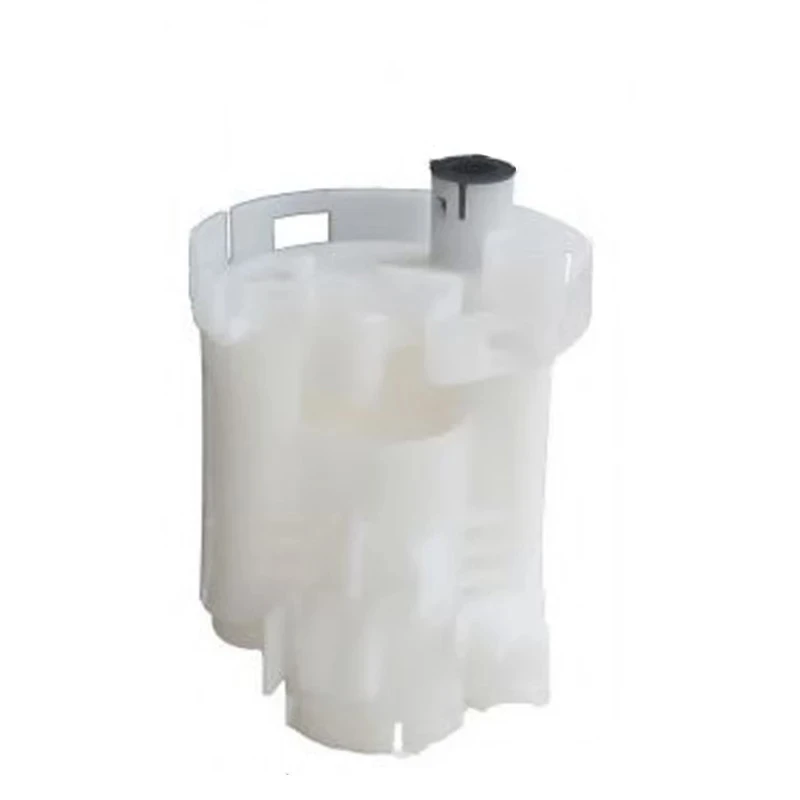
Fuel line blockage disrupts the steady flow of fuel to the engine. This issue causes several noticeable problems with vehicle performance. Recognizing these signs early helps prevent more serious engine damage. Below are the key symptoms to watch for.
Starting Difficulties And Stalling
The engine may take longer to start or fail to start at all. Stalling can happen suddenly, especially when the engine is under load. These issues occur because the fuel supply is insufficient to keep the engine running smoothly.
Poor Acceleration And Misfires
The vehicle may hesitate or struggle to accelerate. Misfires can occur as the engine does not get the right amount of fuel. This leads to uneven power delivery and a rough driving experience.
Rough Idling And Engine Vibrations
The engine may shake or vibrate while idling. Rough idling is a sign that fuel delivery is inconsistent. These vibrations indicate the engine is not running efficiently due to fuel restrictions.
Unusual Fuel Pump Noises
The fuel pump may produce louder or strange noises. These sounds happen because the pump works harder to push fuel through a blocked line. Ignoring this noise can lead to pump failure.
Fuel Odor Detection
A noticeable fuel smell near the engine or exhaust can signal leaks caused by blockages. This odor is a warning of potential safety hazards. Prompt attention is necessary to avoid fire risks.
Causes Behind Fuel Flow Issues
Fuel flow issues often stem from problems within the fuel delivery system. Understanding the causes helps identify the right fixes quickly. Problems can occur at various points including the filter, fuel line, and pump. Each cause affects engine performance differently but reduces fuel supply to the engine.
Clogged Filter Effects
A clogged fuel filter blocks dirt and debris but also restricts fuel flow. This causes the engine to receive less fuel than needed. Symptoms include difficulty starting, engine stalling, and rough idling. The engine may hesitate or lose power during acceleration. Fuel economy often drops as the engine struggles to run efficiently.
Restricted Fuel Line Impact
A blocked or kinked fuel line slows fuel movement to the engine. This results in poor engine performance and hard starts. The engine may sputter or stall unexpectedly. Fuel pressure drops, which can trigger the Check Engine Light. Restricted lines increase strain on other fuel system parts.
Fuel Pump Overload
A clogged filter or blocked line forces the fuel pump to work harder. This overload can cause the pump to fail sooner than expected. Symptoms include loud noises from the pump and inconsistent fuel delivery. The engine may hesitate or stall under load. Replacing worn components prevents pump damage and restores fuel flow.
Quick Fixes For Fuel Filter Problems
Fuel filter problems often cause engine trouble and poor performance. Quick fixes help solve these issues fast. Simple checks and replacements can restore smooth running. Acting early prevents bigger engine damage and costly repairs.
Replacing The Fuel Filter
Replacing the fuel filter is the most common quick fix. Locate the old filter and remove it carefully. Install a new filter that matches your vehicle’s specifications. This restores proper fuel flow and improves engine response. Always depressurize the fuel system before starting to avoid spills.
Checking Fuel Lines And Connections
Inspect fuel lines for cracks, leaks, or blockages. Loose or damaged connections reduce fuel flow and cause engine problems. Tighten clamps and replace worn hoses to ensure a tight seal. Clear any debris or dirt around connections to maintain steady fuel delivery.
Using A Fuel Pressure Gauge
A fuel pressure gauge measures fuel system pressure accurately. Connect the gauge to the fuel rail or filter fitting. Compare readings to the manufacturer’s recommended pressure. Low pressure indicates a clogged filter or pump issue. This tool helps pinpoint the exact cause of fuel delivery problems.
Inspecting Related Components
Check the fuel pump, fuel injectors, and fuel tank for issues. A weak fuel pump can mimic fuel filter problems. Dirty injectors may cause rough idling and hesitation. Make sure the fuel tank is clean and free of rust or debris. Regular inspection avoids surprises and keeps the fuel system healthy.
Preventing Future Fuel Filter Troubles
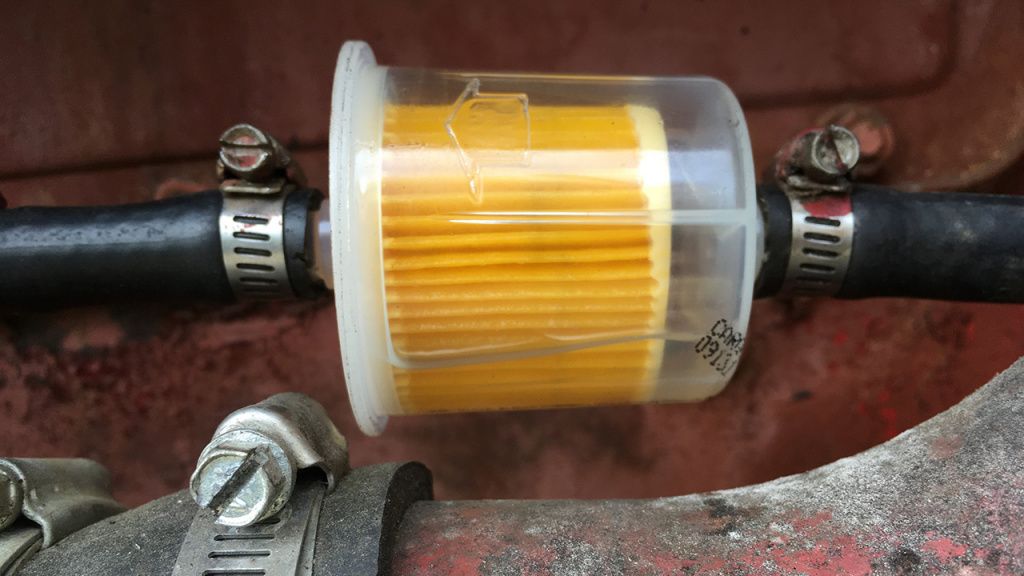
Preventing future fuel filter troubles saves time and money. A clean fuel filter keeps your engine running smoothly. Avoiding common issues helps extend your vehicle’s life. Simple steps can reduce the risk of fuel filter problems.
Regular Maintenance Schedule
Change your fuel filter on time based on the manual. Regular checks catch problems early before they worsen. Stick to recommended service intervals for best results. Keeping a maintenance log helps track filter changes.
Using Quality Fuel
Choose fuel from trusted stations to avoid impurities. Poor quality fuel clogs filters faster and damages the engine. Clean fuel improves combustion and vehicle performance. Avoid cheap or suspicious sources that may contain dirt or water.
Avoiding Contamination
Keep fuel tanks sealed to prevent dirt and water entry. Use clean containers when adding fuel to avoid debris. Check fuel caps and seals regularly for tightness. Dirt and water cause blockages and corrosion in the fuel system.
Monitoring Engine Performance
Watch for signs like rough idling or sluggish acceleration. Early detection of issues reduces the chance of fuel filter damage. Listen for unusual engine noises or stalling during driving. Address engine problems quickly to protect the fuel filter.
Frequently Asked Questions
How Can You Tell If Your Fuel Filter Is Bad?
Signs of a bad fuel filter include hard starting, engine stalling, rough idling, sluggish acceleration, hesitation, power loss, and decreased fuel economy. The Check Engine Light may also turn on. These symptoms occur because the clogged filter restricts fuel flow to the engine.
What Are The Symptoms Of A Fuel Line Blockage?
Symptoms of a fuel line blockage include hard starting, stalling, rough idling, sputtering, sluggish acceleration, and power loss. The Check Engine Light may turn on, fuel economy decreases, and unusual fuel pump noises or gasoline odors might occur.
What Are The Symptoms Of A Clogged Filter?
Symptoms of a clogged filter include hard starting, engine stalling, rough idling, sluggish acceleration, hesitation, power loss, and reduced fuel economy. The Check Engine Light may turn on. The engine struggles due to restricted fuel flow, causing poor performance and increased fuel consumption.
How To Clear A Clogged Fuel Filter?
Turn off the engine and relieve fuel pressure first. Locate and remove the fuel filter. Clean it with a fuel system cleaner or replace it if severely clogged. Reinstall securely and check for leaks. Test drive to ensure proper fuel flow and engine performance.
What Are Common Signs Of A Bad Fuel Filter?
A bad fuel filter causes hard starting, stalling, and rough idling. It also leads to sluggish acceleration and power loss. Decreased fuel economy may occur as well.
Conclusion
Troubleshooting your fuel filter helps keep your engine running smoothly. Watch for signs like stalling, hesitation, or poor acceleration. These symptoms often mean the fuel filter needs attention. Replacing a clogged filter improves fuel flow and engine power. Regular checks prevent bigger problems and save you money.
Don’t ignore warning signs to avoid costly repairs. Keep your vehicle healthy by maintaining the fuel system. Simple steps can make a big difference in performance. Stay alert and act quickly for a reliable drive every time.



Kia Pregio . Pumping the hand pump on the top of the filter does not result in fuel coming out the bleeder . The engine runs normally . There must be air in the top of the filter but doesnt cause anything to happen.
If your engine is running normally, that’s actually a good sign. On many diesel models like the Kia Pregio, the hand primer will only push fuel if there’s air in the system or if the filter housing isn’t already full.
Here’s what to check:
If the engine starts and runs smoothly without hesitation, the filter is likely already full and properly primed. In that case, no fuel coming from the bleeder can be completely normal.