If your egg cooker shuts off too early or fails to heat, the most common dash egg cooker troubleshooting steps involve cleaning the heating plate and verifying your water measurements. Most issues arise from mineral buildup on the metal plate, which tricks the sensor into thinking the water has evaporated before the eggs are actually cooked. If the device doesn’t turn on at all, check your power outlet first. If it still fails, you should stop using the appliance to avoid a fire hazard.
Troubleshooting your Dash egg cooker

The primary reason for failure in these units is the accumulation of mineral deposits from tap water. When you use hard water, calcium and magnesium leave a white, crusty residue on the heating element. This layer acts as an insulator, preventing the heat from reaching the water efficiently and confusing the automatic shut-off sensor.
The sensor relies on the temperature rise that occurs once all the water has turned to steam; if the plate is coated in scale, the temperature profile changes, causing the unit to shut down prematurely.
Another frequent cause is the use of incorrect water volumes for the desired egg doneness. These cookers are calibrated based on the exact amount of water added to the base. If you add too little water, the unit will trigger its safety shut-off mechanism well before the eggs are set. Conversely, using too much water can cause the base to overflow, which may short-circuit the internal electronics or cause the unit to stay on indefinitely.
Finally, power supply issues often mimic mechanical failure. If the unit doesn’t show a light or produce heat, the thermal fuse may have tripped due to overheating. This fuse is a permanent safety feature designed to prevent the base from melting. If the thermal fuse blows, the device is considered at the end of its functional life. You can verify your specific model’s safety ratings by visiting the Dash official product support page.
Safety: Inside a mains-powered machine, the parts behind the outer cover can hold a dangerous electrical charge even after it has been unplugged — that’s why they sit behind a cover. Opening the housing, or testing or replacing anything behind it, is a job for a qualified technician, never a home repair.
Clean the heating plate thoroughly
If your eggs are coming out undercooked or the machine turns off while water remains, you must clean the heating plate to restore its sensitivity. This is the first step for anyone experiencing inconsistent cooking results. You’ll need white vinegar and a soft cloth to remove the mineral buildup effectively.
To clean the plate, pour about 1 tablespoon of white vinegar directly onto the cooled heating element. Let it sit for 5 to 10 minutes to allow the acid to break down the calcium deposits. Scrub the area gently with a damp, non-abrasive cloth or sponge until the metal surface appears shiny and clean. Wipe away any remaining vinegar with a fresh damp cloth and dry the surface completely before your next use.
If the plate remains discolored or rough after one treatment, repeat the process. Avoid using steel wool or harsh metal scrapers, as these will scratch the non-stick coating and cause food to burn in the future.
If you notice the heating element is cracked or the plastic housing is warped, don’t attempt further repairs. If the device continues to shut off early after two cleanings, the internal thermal sensor is likely damaged, and the unit should be replaced for safety reasons.
Adjust your water measurement method
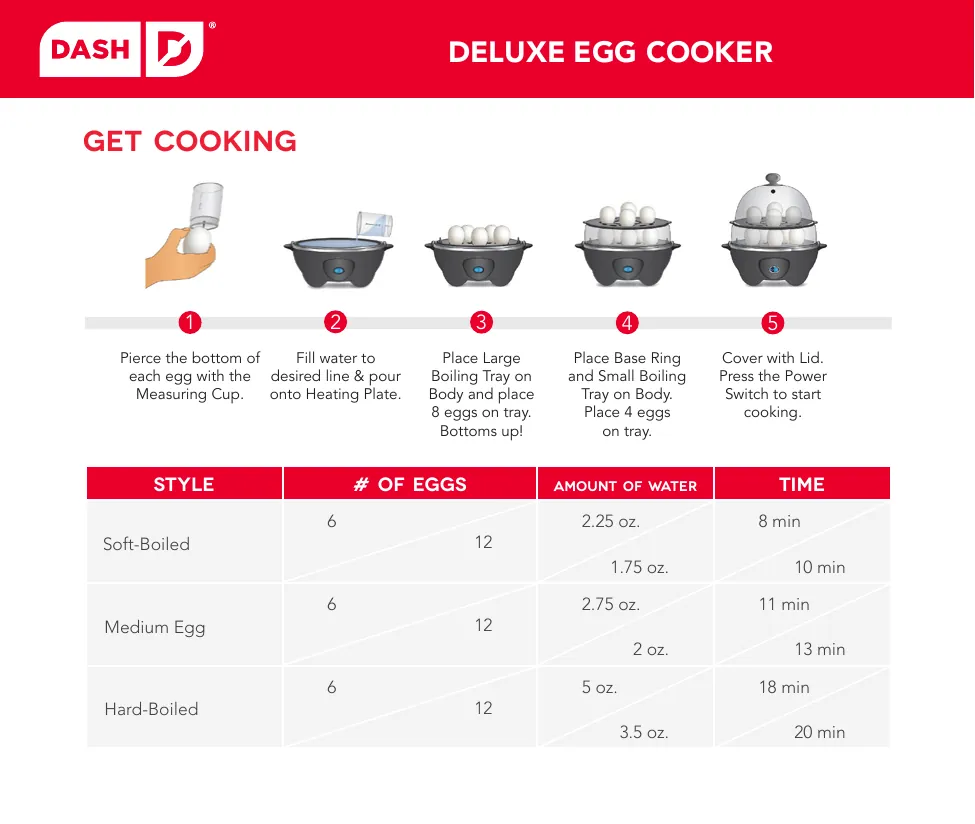
When your eggs consistently come out too soft or hard, the issue is almost always the amount of water used relative to the number of eggs. The measuring cup provided with your unit is specific to its wattage and capacity; using a standard kitchen measuring cup will lead to inaccurate results. Always use the cup that came with your specific model to ensure the water-to-steam ratio is correct.
If you’re cooking at high altitudes, water boils at a lower temperature, which means it will evaporate faster than at sea level. If you live at a high elevation, you may need to add slightly less water than the manual suggests to compensate for the slower evaporation rate. If you’re cooking large eggs instead of medium ones, add an extra teaspoon of water to account for the increased mass that needs to be heated.
Always pierce the larger end of the egg with the pin on the bottom of the measuring cup before placing it in the tray. This prevents the shell from cracking as the air inside the egg expands.
If the eggs are still not cooked to your preference, adjust the water level by 5 milliliters at a time for your next batch. Keep a small log of the water amounts that work best for your specific egg size and don’t forget to measure the water on a level, flat surface to ensure accuracy.
Use the correct power settings
The egg cooker is designed to operate on a standard household circuit, and it should never be used with an extension cord or a power strip. These devices draw significant wattage to boil water quickly, and using an extension cord often causes a voltage drop. This can prevent the heating element from maintaining the necessary heat to boil the water efficiently, leading to inconsistent cooking results.
If you plug your cooker into an outlet that’s already powering a toaster, blender, or coffee maker, you may trip a circuit breaker or cause the device to perform sluggishly. Always plug the cooker directly into a wall outlet that’s free from other high-draw appliances. If the light on the switch doesn’t turn on even when plugged into a dedicated outlet, check your home’s breaker box to ensure the circuit hasn’t tripped.
If you have verified the power source and the unit still refuses to heat, the internal wiring has likely failed. This is a common point of failure for units that have been submerged in water or used in damp environments.
Never attempt to open the plastic base to solder wires or bypass the internal thermostat. The risk of electric shock or causing a fire is too high, and opening the casing will void any remaining warranty. If the unit remains cold, it’s time to purchase a replacement.
Common mistakes to avoid
- Submerging the base in water: Never place the base unit in a sink or dishwasher, as this destroys the internal electrical components and creates a severe shock hazard.
- Ignoring the water fill line: Using “a splash” of water instead of the measured amount leads to inconsistent results and can damage the thermal sensor over time.
- Cooking without the lid: The steam must be trapped to cook the eggs, so always ensure the lid is locked in place before flipping the power switch.
- Using cold eggs from the fridge: If you start with eggs directly from the refrigerator, the final internal temperature of the eggs may be lower than if you use eggs at room temperature.
- Overloading the tray: Placing more eggs than the tray allows prevents steam from circulating, which results in uneven cooking where some eggs are hard and others are runny.
How to stop it happening again
To keep your cooker running reliably, you must change your routine to prevent mineral buildup and electrical stress. The following table outlines how to shift your habits to ensure your appliance lasts.
| If you’re doing this | Do this instead | Why |
|---|---|---|
| Using tap water | Use distilled water | Distilled water has no minerals to build up on the plate. |
| Storing it dirty | Wipe the base dry | Moisture left on the base can corrode internal connections. |
| Storing with the lid on | Store with the lid off | This allows residual moisture to evaporate instead of trapping it. |
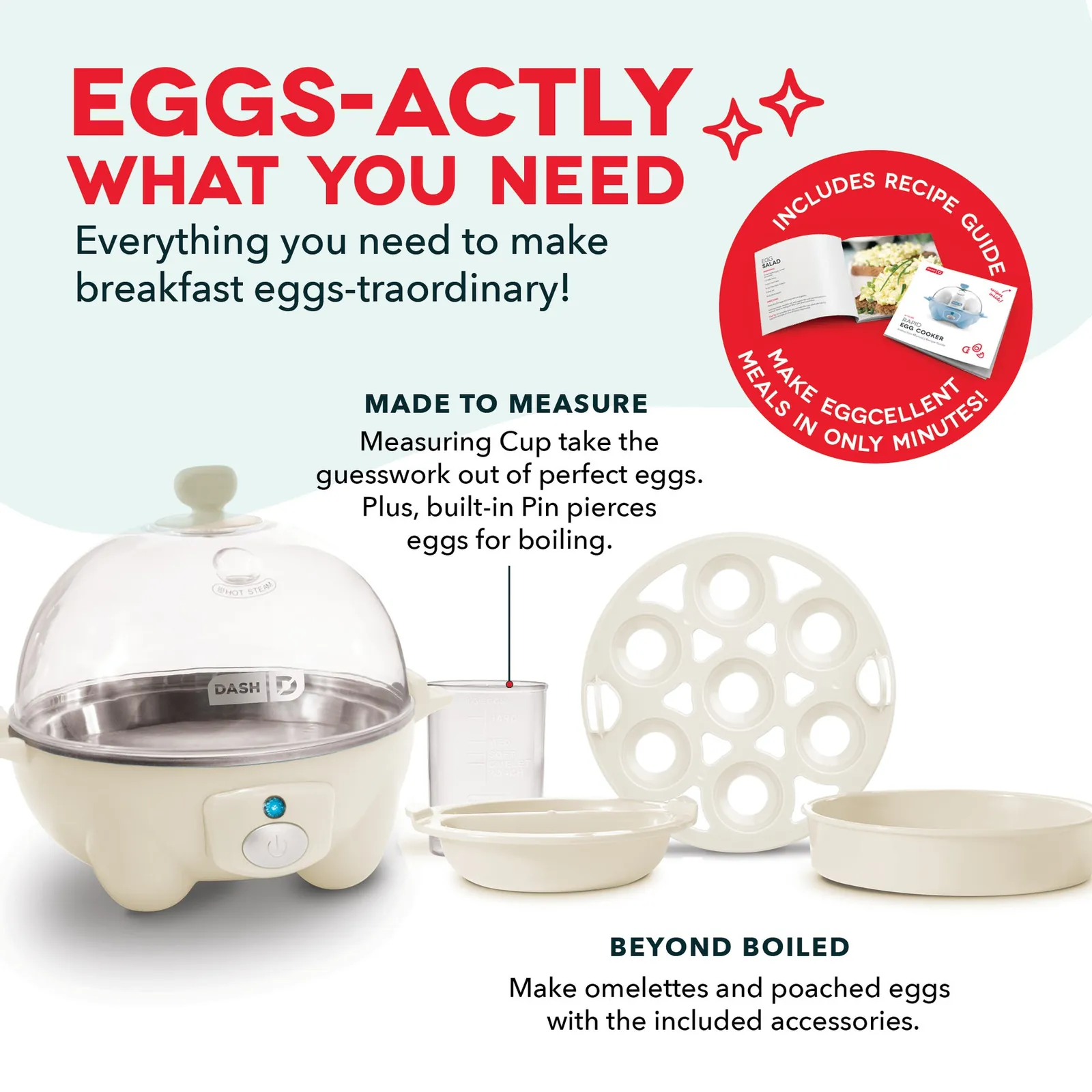
| Using a random cup | Use the provided cup | The cup is calibrated for the specific heating element capacity. |
| Leaving it plugged in | Unplug after every use | This prevents the unit from drawing standby power and protects it from surges. |
Frequently asked questions
Can I use the egg cooker to steam vegetables?
Yes, you can steam vegetables by adding water to the base and placing them on the poaching tray. Use the same water amount as you would for eggs to ensure proper steaming. Note that you should avoid cooking dense root vegetables that require long steaming times.
How long do the eggs stay warm after cooking?
Eggs stay warm for 10 to 15 minutes if you leave the lid on after the unit shuts off. Because the unit relies on steam, the heat source stops immediately once the water evaporates. For the best texture, place eggs in an ice-water bath immediately after the buzzer sounds.
Is it safe to leave the cooker unattended?
No, you should never leave the egg cooker unattended while it’s in operation. Any electrical appliance generating high heat carries a risk of malfunction if the sensor fails. Always stay in the kitchen so you can unplug the device if you notice smoke or burning.
What happens if I use too much water?
Using too much water causes the unit to run longer and may lead to overflow from the base. This leakage can enter the electrical housing and cause a short circuit. If you see water leaking from the bottom, unplug the unit immediately and let it dry for 24 hours.
How often should I descale the heating plate?
You should descale the heating plate once every month if you use the cooker daily. White, chalky spots on the metal surface indicate that mineral buildup is occurring. If you live in an area with hard water, you may need to descale every two weeks.
Why do my eggs have green rings around the yolk?
Green rings around the yolk occur when you overcook the eggs by using too much water or leaving them in the steam too long. This color is a chemical reaction between sulfur in the white and iron in the yolk. Use the recommended water amount and remove eggs immediately.
Conclusion
Regular maintenance of your heating plate and careful measurement of your water will resolve most performance issues. If you have cleaned the unit and followed the correct measurement steps but the device still fails to operate, the internal components have reached the end of their service life. At that point, you should safely recycle the device according to your local electronic waste guidelines and avoid further attempts to disassemble the housing.