If your device won’t turn on, you can often fix the febo flame electric fireplace troubleshooting by checking the power source and the remote control batteries. Most units fail to start because of a tripped circuit breaker or a loose connection at the wall outlet. Before you assume the unit is broken, ensure the power cord is pushed fully into the socket and that the fireplace power switch is set to the “on” position.
Why your Febo Flame fireplace stops working
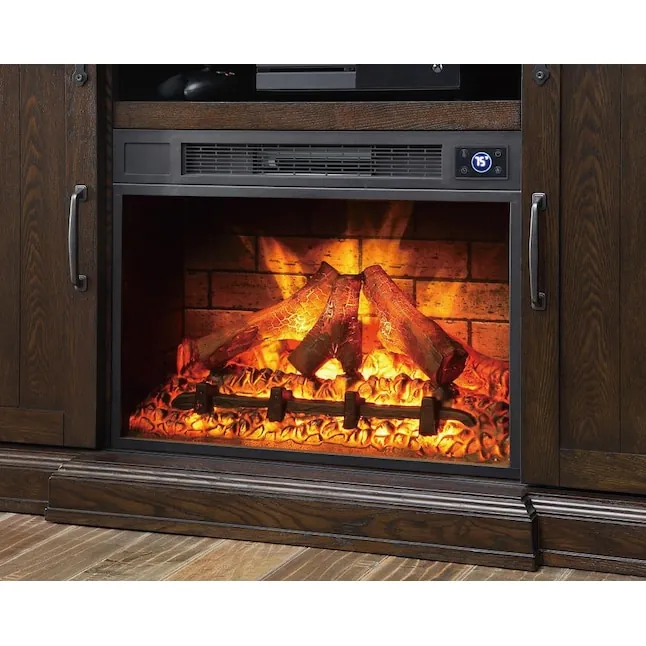
Most issues with electric fireplaces stem from power supply interruptions or safety sensor triggers. When a unit draws more power than the circuit can handle, the internal breaker cuts the flow to prevent fire hazards. This is a protective feature, not a permanent defect. Check your home’s main service panel first; if that breaker is tripped, you’re likely overloading the circuit with other appliances like space heaters or vacuums.
Another common cause involves the remote control. If the infrared receiver is blocked by dust or the batteries are drained, the unit won’t respond. You should also inspect the air intake vents. If these are covered by curtains, furniture, or thick dust, the internal temperature sensor may disable the heating element to prevent overheating. A simple rule applies here: if the fan runs but no heat emerges, the intake is almost certainly obstructed.
Finally, consider the environment. High humidity can cause electrical faults in the control board. If you notice a burning smell or see sparks, stop using the unit immediately. These signs indicate a major failure that requires a professional inspection rather than a simple reset.
If the fireplace clicks but fails to ignite, listen for the relay switch. If you hear a distinct click but no motor sound, the motor itself has likely seized, which is a mechanical failure that requires a replacement part rather than a troubleshooting fix.
Safety: Inside a mains-powered machine, the parts behind the outer cover can hold a dangerous electrical charge even after it has been unplugged — that’s why they sit behind a cover. Opening the housing, or testing or replacing anything behind it, is a job for a qualified technician, never a home repair.
Reset the power connection
This fix is for users who have a unit that’s plugged in but shows no signs of life. Start by unplugging the fireplace from the wall outlet and waiting at least 10 minutes to allow the internal capacitors to discharge fully. While you wait, check your home’s electrical panel to see if the breaker for that room has flipped to the “off” or “tripped” position.
If the breaker is fine, plug the fireplace back into the outlet directly, rather than using an extension cord or power strip. Many electric fireplaces require a dedicated circuit to handle the high wattage of the heating element. If the unit starts working after a direct connection, your previous power strip was likely the source of the limitation.
If the unit still doesn’t turn on, flip the physical power switch on the unit itself to the “off” position, then back to “on” after five seconds. If your unit doesn’t have a hard switch, look for a reset button located near the power cord entry point. If you can’t find a reset button, consult the user manual that came with your specific fireplace for power cycle requirements.
Clean the intake and output vents
This method is for users who notice the lights turn on but the heater doesn’t blow warm air. A clogged vent restricts airflow, which forces the safety thermal cut-out switch to trigger. This switch is designed to protect the internal components from heat damage by shutting down the heating element until the temperature returns to a safe level.
Use a vacuum cleaner with a soft brush attachment to remove dust from the air intake and output grills. Never use compressed air, as this can force dust deeper into the heating coils or the fan motor. If you see thick, matted lint, use a pair of tweezers to pull it out carefully before vacuuming.
After cleaning the vents, let the fireplace sit for 30 minutes to ensure the internal thermal sensor has cooled down completely. If the unit remains unresponsive, check the power cord for signs of scorching or melting near the plug. A damaged cord indicates a short circuit, and you must stop using the device immediately to prevent a fire hazard.
Turn the heater back on and monitor the airflow. If you feel a steady stream of warm air, the issue was simply a lack of circulation. If the fan runs but the air remains cold, the heating element itself may have reached the end of its functional life. This is a common wear-and-tear issue for units used daily throughout the winter. If the unit still fails to heat, the internal thermostat has likely failed and requires professional repair.
Test the remote and sensor
If the manual controls on the fireplace work but the remote does not, you’re likely dealing with a battery or signal interference issue. Replace the batteries with high-quality alkaline cells, ensuring the positive and negative ends match the diagram inside the battery compartment. If you have multiple remotes, ensure you aren’t using one meant for a different model.
Check the path between the remote and the infrared sensor on the front of the unit. Even a small piece of tape or a heavy layer of dust can block the signal. If your fireplace is located in a room with bright, direct sunlight, the infrared signal might be getting washed out. Try holding the remote closer to the unit or blocking the sunlight to see if the fireplace responds.
If the unit still ignores the remote, the internal receiver board may be faulty. This is a technical repair that requires replacing components inside the housing. Because the internal wiring involves high-voltage parts, you must contact a certified electrician or the manufacturer’s support team for repairs. Never attempt to open the casing yourself to inspect or replace these internal electronic parts.
Common mistakes that cause damage
Running the fireplace on a shared power strip that can’t handle the wattage leads to melted plugs and potential electrical fires. Most strips aren’t designed for such high-draw appliances; testing the circuit is a job for a technician. If you plug in a lamp or charger alongside it, you exceed the safety threshold. Always plug the unit directly into a wall outlet.
Blocking the front heat output with decorations causes the unit to cycle on and off rapidly. This thermal cycling triggers the internal safety switch, which eventually wears out the heating element. Keep a three-foot clearance zone around the front vent to ensure proper airflow.
Using a vacuum cleaner with a hard plastic nozzle can scratch the glass or bend delicate vent slats. Use a soft brush attachment instead to prevent permanent surface damage.
Finally, never modify the internal wiring to bypass the thermal safety sensor. This sensor is your last line of defense against overheating.
How to stop it happening again
| If you’re doing this | Do this instead | Why |
|---|---|---|
| Using an extension cord | Plug directly into the wall | Prevents overheating at the connection |
| Blocking vents with decor | Keep a 3-foot clearance | Ensures proper air circulation |
| Leaving dust on the vents | Vacuum monthly | Prevents the thermal sensor from tripping |
| Running it 24/7 | Use the built-in timer | Reduces wear on the heating element |
| Ignoring unusual noises | Unplug and call support | Stops small faults from becoming fires |
Most users mistakenly assume that high-gauge household extension cords are safe for heaters. They’re not. These cords create resistance, which generates heat at the plug interface. If your cord feels warm to the touch, you’re already risking a localized electrical fire.
The decision rule is simple: if the device draws more than 1,000 watts, it must have a dedicated wall outlet. Never daisy-chain power strips or use multi-tap adapters.
If you hear a rhythmic clicking or a high-pitched whine, stop immediately. These sounds often indicate a failing fan bearing or a loose internal connection. Ignoring them costs you more than just a repair bill; it risks melting internal plastic housing. If the unit smells like ozone or burning plastic, stop using it immediately, as this may indicate an electrical fault. Replace the unit rather than attempting a DIY fix, as internal thermal fuses are often non-resettable.
Frequently asked questions
Can I fix a burning smell coming from the unit?
No, you should stop using the fireplace immediately and unplug it. A burning smell often indicates that dust has collected on the heating coils or that an internal wire is overheating. Both scenarios are fire hazards that require a professional inspection. Don’t attempt to clean inside the housing or repair any wires yourself.
How long should the heating element last?
The heating element typically lasts for 3,000 to 5,000 hours of use, but this depends on how often you run the heater at its maximum setting. If you use the fireplace daily for several months, you may notice the heat output decreasing after a few years. When the element fails, the fan will continue to spin, but the air will remain cold.
Is it safe to leave the fireplace on while I sleep?
No, it isn’t recommended to leave the fireplace running while you’re asleep or away from home. While most modern units have thermal cut-off sensors, these aren’t a substitute for active supervision. Turning the unit off when not in use also prevents unnecessary strain on the electrical components and helps them last longer.
Why does my fireplace turn off by itself?
Your fireplace is likely turning off because the internal thermal safety sensor has been triggered by high heat or blocked airflow. This is a standard safety feature that prevents the unit from catching fire. Check that your vents are clean and that the fireplace isn’t placed too close to walls or heavy furniture.
How do I know if my circuit breaker tripped?
You’ll know the breaker has tripped if the fireplace and other items on the same circuit lose power simultaneously. Check your home’s main electrical panel to see if one switch has moved to the center or “off” position. If the switch feels loose or won’t stay in the “on” position, contact a licensed electrician to inspect your home wiring.
What happens if I use the wrong batteries in the remote?
Using the wrong battery type can cause the remote to malfunction or leak acid, which permanently damages the internal circuit board. Always use the specific battery size and voltage recommended in your owner’s manual. If you see white, powdery residue in the battery compartment, clean it with a cotton swab and a tiny amount of vinegar before inserting new batteries.
Conclusion
The best way to ensure your unit stays reliable is to keep the air vents free of dust and use a dedicated wall outlet for power. If these simple steps don’t resolve your issue, consult your user manual for the manufacturer’s warranty details and contact their support team for a professional repair.
Related guides