If your plow isn’t moving, you can use a fisher plow troubleshooting guide to check the electrical connections and hydraulic fluid levels. Most issues start with a loose battery cable or a low fluid level in the reservoir. You should look at these simple areas first before assuming a major mechanical failure.
Steps for fisher plow troubleshooting
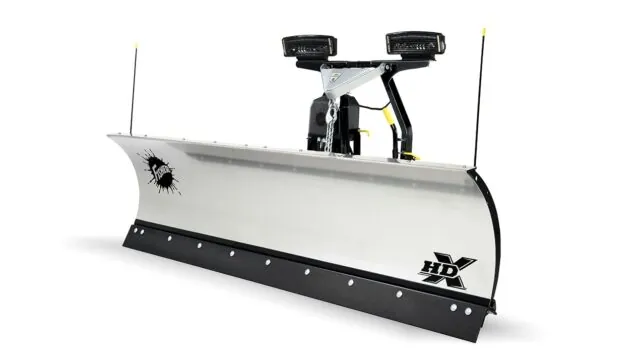
The most common reason for a plow to stop working is a poor electrical connection. Corrosion often builds up on the battery terminals or the plow’s main power plug. If the power can’t reach the hydraulic pump, the motor won’t engage when you hit the switch. Even a small amount of rust on the pins can stop the signal from reaching the controller.
Another frequent cause is low hydraulic fluid. If the fluid level is below the mark on the reservoir, the pump will pull in air instead of oil. This creates a foaming sound and makes the blade move slowly or jerk during operation.
You must check the fluid when the blade is in the correct position, which is usually fully retracted or lowered, depending on your specific model. Always check your official Fisher Engineering owner’s manual to see the exact fill level requirements for your specific pump type.
Finally, check for blown fuses in the truck’s engine bay. The electrical system often has a heavy-duty fuse that protects the pump motor from power surges. If this fuse blows, the entire system will go dark. This is often caused by a short circuit or by trying to lift a load that’s too heavy for the system to handle.
Safety: Inside a mains-powered machine, the parts behind the outer cover can hold a dangerous electrical charge even after it has been unplugged — that’s why they sit behind a cover. Opening the housing, or testing or replacing anything behind it, is a job for a qualified technician, never a home repair.
Check the electrical connections
If your controller lights don’t turn on, start by checking the power supply at the battery. You need to ensure the ground wire is tight and free of corrosion. If the wire feels loose when you wiggle it, remove the nut, clean the terminal with a wire brush, and reattach it firmly. A loose ground is the most common reason for intermittent power loss during plowing.
Next, inspect the main power plug that connects the truck side to the plow side. Look for bent pins or signs of melting on the plastic housing. If you see green or white crusty material, that’s corrosion. You can clean these pins with a contact cleaner spray. Never use a metal screwdriver to scrape the pins, as this can damage the coating or cause a short.
If the connections look clean but the plow still doesn’t work, check the fuse holder under the hood. Most systems use a large blade-style fuse or a circuit breaker. If the metal strip inside the fuse is broken or the reset button on the breaker is popped out, the system has no power. If the fuse blows again immediately after replacing it, you have a short circuit that needs a professional technician to find.
Inspect the hydraulic system
If the motor runs but the blade doesn’t lift, you likely have a hydraulic problem. Start by checking the fluid level in the reservoir. Ensure the plow is sitting on level ground with the blade in the “float” or “down” position before you open the cap. If the fluid looks milky or foamy, it means air has entered the system, often due to a leak in a hose or a low fluid level.
Look at the hoses running to the lift cylinder and the angle cylinders. You’re looking for wet spots or drips that indicate a leak. If a hose is wet, tighten the fitting slightly with a wrench. If the leak persists, the hose or the O-ring inside the fitting is worn out. Don’t over-tighten, as this can crack the metal fitting or strip the threads.
A common mistake is assuming that a low fluid level is the only cause of air in the lines. If you refill the reservoir and the plow still chatters or stalls, you must bleed the system. Cycle the blade fully left, right, up, and down three times to purge trapped air. If the noise persists after this process, the pump intake filter is likely clogged with debris.
This fix is intended for minor leaks only. If you see a large spray of fluid or a hose that’s bulging, stop immediately. Hydraulics operate under high pressure, and a leak can inject fluid into your skin, which is a medical emergency. If you can’t stop a leak by hand-tightening a fitting, you must take the truck to a professional hydraulic repair shop.
Test the controller and solenoid
The controller sends the signal to the solenoid, which then tells the pump to turn on. If you hear a loud “click” when you press the button, the solenoid is likely working, but the motor might be stuck. If you don’t hear any sound at all, the issue could be a bad switch in the controller or a broken wire in the harness.
Check the wiring harness for any signs of rubbing or cuts. The wires often get pinched near the truck grille or where they pass through the frame. If you see bare copper, wrap the area with high-quality electrical tape to prevent a short circuit. If the wires look fine, try to swap the controller with one from a known working plow if you have access to one.
Have a professional technician check the solenoid terminals for proper power flow while the activation button is pressed. If the solenoid fails to output power despite receiving input, it must be replaced. If power isn’t reaching the input, a technician should trace the line back to the fuse box.
A blown fuse is the most common mistake, and it often masks a deeper ground fault. If the fuse blows again upon replacement, stop immediately. You have a direct short to the chassis that will melt your wiring harness if you keep trying to force power through the system.
If your controller works on another truck, the issue is definitely in the wiring of your own vehicle. If you don’t have a spare, check that the plug on the back of the controller is pushed in all the way. A loose plug is a common mistake that costs time and money.
Common troubleshooting mistakes
Adding too much fluid: If you fill the reservoir to the top, it will overflow when the cylinders retract. This creates a mess and a genuine environmental hazard.
Ignoring battery health: A weak battery causes the solenoid to chatter. This rapid clicking can weld the contacts shut, forcing the pump to run continuously until the motor burns out. If your lights dim when you engage the plow, test your battery voltage under load immediately.
Using the wrong hydraulic oil: Using standard motor oil instead of the manufacturer-specified low-temperature fluid makes the plow sluggish. This viscosity mismatch forces the pump to work harder, increasing internal heat.
Forcing the blade when frozen: Trying to lift a blade frozen to the ground blows fuses or strains the pump motor. If the blade doesn’t move, chip the ice away manually before engaging the hydraulics.
Maintenance and prevention
| If you’re doing this | Do this instead | Why |
|---|---|---|
| Leaving the plow outside | Store it in a garage | Keeps electrical pins dry and prevents rust |
| Ignoring loose cables | Tighten as needed | |
| Using thick oil | Use recommended light fluid | Ensures the pump moves fluid in freezing temps |
| Waiting for it to break | Check fluid before winter | Keeps the pump from sucking air and failing |
Most owners fail to realize that moisture is the primary enemy of plow electronics. If you see green corrosion on your pins, use a dielectric grease immediately to seal the connection. Ignoring this simple step often leads to a complete control board failure mid-storm.
When checking your fluid, look for a milky or cloudy appearance. This indicates water contamination, which will turn to ice inside your pump and cause a total system lockout. If the fluid is discolored, flush the entire reservoir before the first freeze.
Finally, follow the “three-cycle rule” before every storm. Raise, lower, and angle the blade three times while the engine is running. If the motor sounds sluggish or whines, don’t head out. You’re likely low on hydraulic fluid or facing a dying battery. Addressing these symptoms in the garage saves you from a costly mid-plow breakdown in the dark.
Frequently asked questions
How long does a plow motor usually last?
A plow motor typically lasts five to ten years with proper seasonal maintenance. Lifespan depends heavily on usage hours and the frequency of contact cleaning. Commercial use will significantly shorten the motor’s expected life compared to residential use.
Why does my plow move slow in the cold?
Your plow moves slowly because the hydraulic fluid has become too thick to flow through the valves. This occurs when fluid is old or improperly rated for cold temperatures. Replace the fluid with fresh, low-viscosity oil to restore speed.
Is it safe to fix a hydraulic leak myself?
No, it isn’t safe to fix a high-pressure hydraulic leak yourself without experience. Hydraulic fluid can cause serious injury if injected into the skin under pressure. Seek a professional shop for any hose or significant leak repairs.
How much fluid does the reservoir hold?
The reservoir capacity varies by model, but most standard units hold between one and two quarts of fluid. You must never guess the amount; always check your manual or the fill line on the side of the reservoir tank. Overfilling the tank is a common mistake that leads to leaks when the cylinders retract. Always check the fluid level with the plow in the specific position required by your owner’s manual.
What happens if the fuse keeps blowing?
A blowing fuse indicates a short circuit in the harness or a seized pump motor. Continued fuse replacement risks melting wiring and causing a vehicle fire. Have a qualified technician inspect the harness to locate the short.
Conclusion
Taking care of your equipment doesn’t have to be a headache. Once your plow is back in action, keep a small bottle of hydraulic fluid in your truck just in case. You’ll be glad you’re prepared when the next storm hits, and your gear won’t let you down when it counts.
Related guides