Is your furnace not heating like it used to? The problem might be simpler than you think—your pilot light could be the culprit.
When your furnace pilot light goes out or flickers, it can leave your home cold and uncomfortable. But don’t worry—you don’t have to call a repair technician right away. In this guide, you’ll discover easy and effective ways to troubleshoot your furnace pilot light.
By understanding what to look for and how to fix common issues, you can save time, money, and avoid the stress of a chilly house. Keep reading to learn how to get your furnace back up and running smoothly.
Common Pilot Light Issues
Pilot lights are small flames that keep your furnace ready to heat your home. Problems with the pilot light can stop your furnace from working well. Knowing common issues helps you fix small problems before they get worse.
Pilot Light Won’t Stay Lit
This happens if the flame goes out soon after lighting. Dirt or dust can block the gas flow. Sometimes, the thermocouple is broken. It is a safety device that senses the flame. If it fails, the gas will shut off. Cleaning or replacing the thermocouple often solves this issue.
Weak Or Flickering Pilot Flame
A weak flame looks small and shaky. It may not heat the thermocouple enough. This causes the furnace to turn off. Dirt in the gas tube or low gas pressure can cause a weak flame. Check for drafts near the furnace. Fixing these problems can keep the flame steady.
No Pilot Flame Visible
No flame means the furnace cannot start heating. This can happen if the gas supply is off. The pilot tube might be clogged. Sometimes, the igniter is broken. Turn on the gas supply and clean the tube. If the flame still does not appear, call a professional.

Safety Precautions
Safety is the top priority when troubleshooting a furnace pilot light. Gas leaks and flames can cause serious harm. Taking the right precautions protects you and your home. Follow these safety steps carefully before starting any work.
Turning Off Gas Supply
Always turn off the gas supply before checking the pilot light. Locate the gas valve near the furnace. Turn the valve handle clockwise to close it. This stops gas flow and reduces the risk of fire or explosion. Never skip this step.
Ventilating The Area
Open windows and doors to let fresh air in. Proper ventilation clears out any gas that might leak. Avoid using electrical switches or open flames until the area is aired out. This lowers the chance of sparks igniting gas.
Using Protective Gear
Wear safety gloves to protect your hands from burns. Use safety goggles to shield your eyes from dust and sparks. Avoid loose clothing that might catch fire. These simple measures keep you safe during repairs.
Tools Needed For Repairs
Fixing a furnace pilot light requires some basic tools. Having the right tools makes the job easier and safer. This section lists the essential tools needed for repairs. These tools help you check and fix common issues quickly.
Basic Hand Tools
You need simple hand tools like screwdrivers and pliers. A flathead and a Phillips screwdriver help remove panels and screws. Needle-nose pliers can reach small parts inside the furnace. A wrench or adjustable spanner is useful for tightening connections. These tools are common in most toolboxes.
Multimeter For Electrical Checks
A multimeter measures electrical voltage and continuity. It helps check if the pilot light receives power. You can test wiring and switches with it. This tool identifies electrical problems that stop the pilot light from working. Digital multimeters are easy to use and read.
Cleaning Supplies
Cleaning is key to a steady pilot light flame. Use a soft brush or compressed air to clear dust. Cotton swabs help clean tight spots around the pilot assembly. Avoid water or harsh chemicals. Keeping parts clean improves gas flow and ignition.
Step-by-step Pilot Light Reset
Resetting a furnace pilot light can fix heating problems quickly. This simple task helps your furnace start working again without calling a technician. Follow these clear steps to reset the pilot light safely and easily.
Locating The Pilot Light Assembly
First, find the pilot light assembly. It is usually near the bottom of the furnace. Look for a small metal tube or a tiny flame inside a glass window. This is where the pilot light burns.
Check your furnace’s manual if you cannot find the pilot light. Some models have a cover you must remove to see the pilot light assembly.
Shutting Off And Cooling Down
Turn off the furnace gas supply before touching anything. This step is important for safety. Wait at least five minutes for the furnace to cool down. This prevents burns and lets gas clear out from the area.
Do not rush this step. Cooling down helps avoid accidents and ensures safe relighting.
Relighting Procedure
After cooling, turn the gas valve to the “Pilot” position. Press and hold the pilot button or knob. Use a long lighter or match to light the pilot flame.
Keep holding the pilot button for 30 seconds after lighting. This keeps the flame steady. Release the button slowly. The pilot light should stay lit.
If the flame goes out, repeat the process. Call a professional if it won’t stay on after several tries.
Cleaning The Pilot Orifice
Cleaning the pilot orifice is a key step in fixing furnace pilot light problems. The pilot orifice is a small part where gas flows to keep the pilot light burning. Over time, dirt and debris can block this tiny hole. This causes the flame to flicker or go out. Regular cleaning helps the furnace work well and keeps your home warm.
Signs Of Clogged Orifice
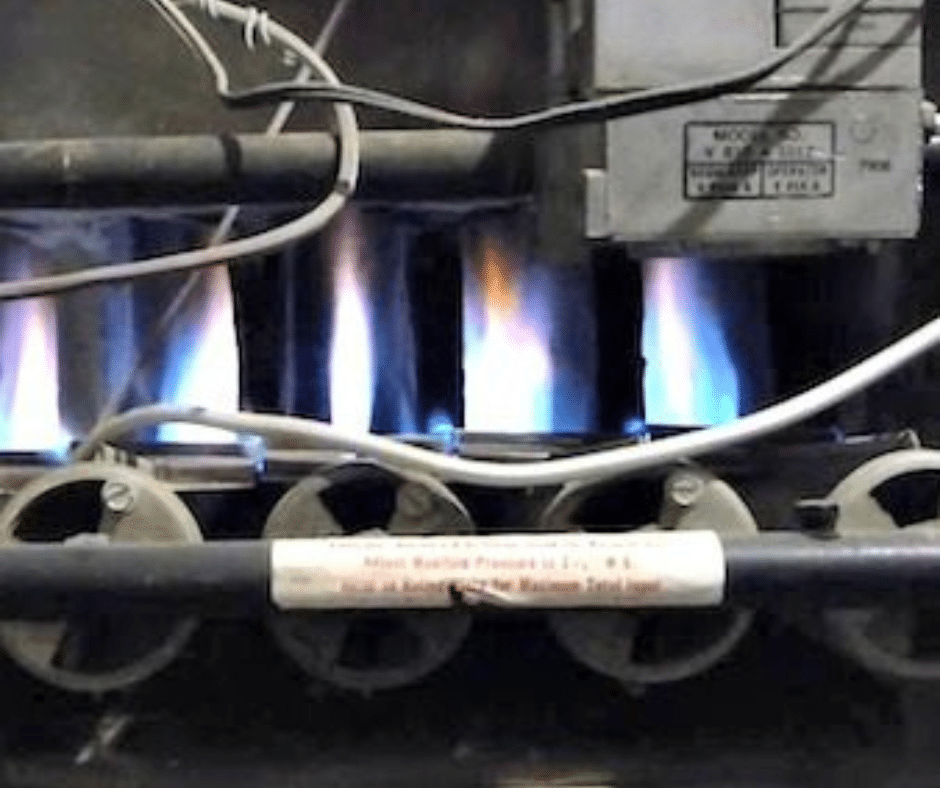
A weak or yellow pilot flame shows a clogged orifice. The flame might be small or uneven. You may smell gas but see no flame. The furnace can fail to start or shut off often. These signs mean the gas flow is blocked and needs cleaning.
Safe Cleaning Methods
Turn off the gas supply before cleaning. Use a soft brush or compressed air to clear dirt. Avoid sharp tools that can damage the orifice. Clean gently to keep the hole open. Always follow safety rules and wear gloves.
When To Replace Parts
If cleaning does not fix the problem, the orifice may be worn out. Rust or damage means replacement is needed. Also, replace the pilot assembly if parts are broken. Using new parts keeps the furnace safe and efficient.

Thermocouple Issues And Fixes
Troubles with the furnace pilot light often trace back to the thermocouple. This small part plays a big role in keeping your furnace running safely. Understanding thermocouple issues helps you fix pilot light problems quickly.
The thermocouple senses the pilot flame and signals the gas valve to stay open. If it fails, the gas supply shuts off, causing the pilot light to go out. Knowing how to test and replace the thermocouple saves time and money.
Role Of The Thermocouple
The thermocouple acts like a safety sensor. It detects heat from the pilot light’s flame. When heated, it creates a small electric current. This current keeps the gas valve open. If the flame goes out, the thermocouple cools down. The current stops, and the gas valve closes. This prevents gas leaks.
Testing The Thermocouple
Testing the thermocouple is simple and quick. First, turn off the furnace and let it cool. Remove the thermocouple from the gas valve. Use a multimeter set to millivolts to check it. Heat the tip of the thermocouple with a lighter. It should produce about 25 to 30 millivolts. Less voltage means the thermocouple is weak or faulty.
Replacing The Thermocouple
Replacing a bad thermocouple is easy. Turn off the furnace and gas supply. Unscrew the old thermocouple from the gas valve and pilot assembly. Buy a new thermocouple that matches your furnace model. Install the new one in the same position. Tighten the screws firmly but do not overtighten. Turn the gas back on and relight the pilot light. The furnace should now work properly.
Gas Supply Problems
Gas supply problems are a common reason for a furnace pilot light to go out. Without a steady flow of gas, the pilot light cannot stay lit. This section explains how to identify and troubleshoot gas supply issues safely. Simple checks often fix the problem quickly.
Checking Gas Valve Settings
The gas valve controls the flow of gas to your furnace. Make sure it is in the “On” position. Sometimes, the valve can accidentally be turned off during maintenance or cleaning. Locate the valve near your furnace and check its setting. If the valve is off, turn it on carefully and try lighting the pilot light again.
Inspecting Gas Lines
Gas lines carry fuel from the main supply to your furnace. Look for any visible damage or leaks along the pipes. Do not try to fix gas leaks yourself. Smell for gas odors, which can signal a leak. Any damage or smell requires immediate attention. Keep the area well-ventilated and avoid using open flames near gas lines.
When To Call A Professional
Gas problems can be dangerous. If you cannot find or fix the issue, call a licensed technician. Professionals have the tools and skills to handle gas safely. Do not ignore persistent pilot light problems. Timely help prevents bigger damage and ensures your home stays safe.
Preventive Maintenance Tips
Preventive maintenance helps keep your furnace pilot light working well. Small checks stop big problems. Regular care saves money and keeps your home warm. Follow these easy steps to protect your furnace.
Regular Cleaning Schedule
Clean your pilot light area often. Dust and dirt block the flame. Use a soft brush or cloth to remove debris. Check the flame for a steady blue color. A yellow or flickering flame means dirt or gas issues.
Annual Professional Inspection
Hire a technician once a year. They check gas lines, pilot light, and burners. Professionals find hidden problems early. This inspection ensures safety and efficiency. Schedule it before the cold season starts.
Signs To Watch For
Notice changes in your furnace’s behavior. Strange smells, no heat, or flame going out need action. Pilot light that won’t stay lit is a red flag. Strange noises or soot also show trouble. Act fast to avoid bigger repairs.
Frequently Asked Questions
Why Does My Furnace Pilot Light Keep Going Out?
A dirty pilot light or clogged tube can cause it to go out. Check for dust and clean the area carefully. Also, a faulty thermocouple might need replacement.
How Do I Relight A Furnace Pilot Light Safely?
Turn off the gas valve and wait five minutes before relighting. Use a long lighter or match near the pilot opening. Follow your furnace manual instructions closely.
What Causes A Weak Or Yellow Furnace Pilot Flame?
A weak or yellow flame means poor air or gas flow. Clean the pilot or check for blockages. It might also indicate a gas pressure problem.
Can A Faulty Thermocouple Stop The Pilot Light From Staying Lit?
Yes, the thermocouple senses the flame and controls gas flow. If it’s damaged, the pilot light won’t stay lit. Replacing it often fixes the issue.
How Often Should I Check Or Maintain My Furnace Pilot Light?
Check the pilot light monthly during cold seasons. Clean dust or debris from the area regularly. Annual professional furnace maintenance is also recommended.
Conclusion
A furnace pilot light keeps your home warm and safe. Check for dirt or drafts that may cause problems. Always follow safety steps when troubleshooting your pilot light. If the light won’t stay on, the thermocouple might need replacement. Regular maintenance helps avoid future issues and costly repairs.
Small fixes can save time and money. Remember, a working pilot light means a cozy home all winter long. Stay safe and keep your furnace running smoothly.