When your unit fails to start or clean properly, effective hisense dishwasher troubleshooting begins with checking the power supply and the door latch. Most issues stem from a simple lack of electrical current or a door that hasn’t clicked fully shut, which prevents the safety interlock from engaging. You should first ensure the breaker isn’t tripped and the unit is firmly plugged into the wall outlet. If these basics don’t resolve the situation, examine the filter and spray arms for debris that might hinder performance.
Troubleshoot common Hisense dishwasher problems
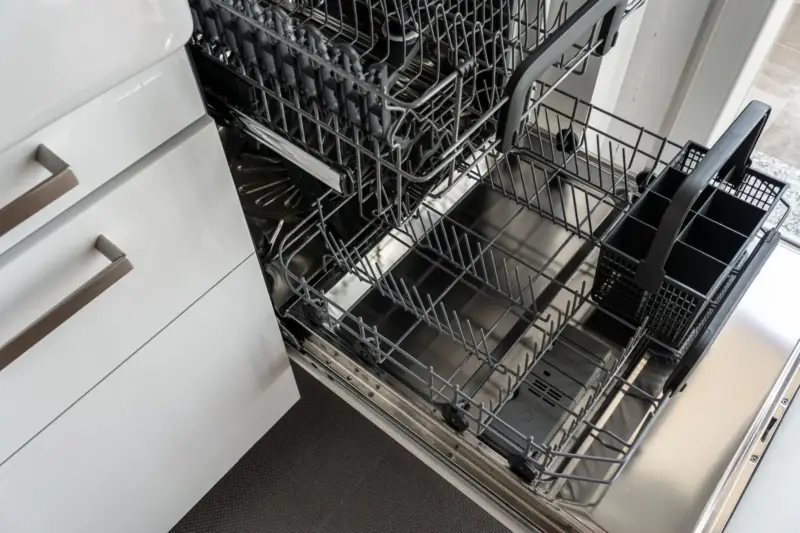
The most frequent cause of a non-responsive appliance is a tripped circuit breaker or a loose power connection. Modern dishwashers have sensitive safety sensors; if the door doesn’t close with a positive click, the control board won’t allow a cycle to begin.
You can check the breaker box in your home to see if the switch for the kitchen area has moved to the “off” or “middle” position. If it has, flip the switch firmly to the ‘off’ position to reset the internal mechanism, then flip it back to ‘on’ to restore the flow of electricity.
Another common issue is a clogged drain filter or obstructed spray arms. When food particles build up in the bottom of the basin, the water can’t circulate or drain as it should, leading to standing water at the end of a cycle. You should remove the bottom rack and check the cylindrical filter for debris. If it feels greasy or blocked, rinse it under hot tap water until the mesh is clear.
Finally, consider the water inlet valve or the supply hose. If the dishwasher hums but no water enters the tub, the valve might be stuck or the supply line could be kinked under the cabinet.
Always check that the water shut-off valve under your sink is fully open. If you have confirmed the power and water are fine but the machine still won’t function, you should consult the Hisense product support page to find the specific error codes for your model.
Safety: Inside a mains-powered machine, the parts behind the outer cover can hold a dangerous electrical charge even after it has been unplugged — that’s why they sit behind a cover. Opening the housing, or testing or replacing anything behind it, is a job for a qualified technician, never a home repair.
Clear the drain filter
If your dishes remain dirty or water pools at the bottom, cleaning the drain filter is the most effective first step. This part traps food particles to prevent them from entering the pump. To clean it, rotate the filter assembly counter-clockwise to unlock it, then lift the entire unit out of the floor of the dishwasher. Don’t use harsh metal brushes, as these can scratch the plastic and make future clogs more likely.
Rinse the filter under warm water, using a soft sponge to remove any stuck-on grease or debris. Once the mesh is clean, replace the filter by aligning the tabs and turning it clockwise until it locks into place. If your dishwasher still fails to drain, the problem might be in the sink’s garbage disposal or the drain hose.
If you have a garbage disposal, ensure it’s clear, as the dishwasher drain hose often connects directly to it. If the hose is kinked or blocked, you’ll need to straighten it or clear the obstruction. This task is for the homeowner, but if you suspect the drain pump itself is broken, stop immediately. A pump repair requires opening the cabinet housing, which should only be performed by a qualified service technician to avoid electrical hazards.
Inspect the spray arms
When dishes on the top rack are consistently dirty, the spray arms are often blocked by tall items or mineral buildup. These arms rely on clear holes to spin and distribute water at the correct pressure. Pull the top rack out and look at the underside to see if a large bowl or handle is hitting the arm. If the arm can’t spin freely, the water won’t reach all the dirty surfaces.
To check for buildup, remove the spray arm by unscrewing the center cap or unclipping the mechanism, depending on your model. Use a thin wire or a toothpick to gently clear any white mineral deposits or food stuck in the tiny holes. If you notice the arms are cracked or the plastic is warped from high heat, you must replace them with parts designed specifically for your Hisense model.
Using a generic arm that doesn’t match the flow rate of your pump can result in poor wash quality or leaks. If you’re uncomfortable removing these parts or if the spray arm mount appears damaged, contact a professional. Attempting to force a stuck arm can break the mounting assembly, which is a much more expensive repair than replacing the arm itself.
Check the door latch assembly
A dishwasher won’t start if the door latch doesn’t signal that the unit is sealed. If you hear a click but the cycle doesn’t begin, or if the door feels loose, the latch mechanism might be misaligned. First, inspect the door seal for any food debris or hardened soap that might prevent a tight fit. Wipe the rubber gasket with a damp cloth to ensure it seals perfectly against the frame.
If the door seems to close properly but the machine remains dead, the door switch might be failing. You can test for this by pressing firmly on the door while starting the cycle; if the machine starts when you press, the latch is likely misaligned or worn. Check the strike plate on the top of the tub for loose screws, as even a quarter-inch of play prevents the sensor from engaging.
If the latch is physically broken, it must be replaced. This is a task for a professional, as it requires removing the inner door panel to access the electrical switch. Never attempt to bypass the door sensor with tape or tools, as this removes a critical safety feature that keeps water inside the machine.
If the latch doesn’t engage, don’t keep trying to force it, as you could damage the control board or the door frame itself. If you notice the latch feels gritty or resists movement, a buildup of mineral deposits is likely the culprit. In this case, use a soft toothbrush and white vinegar to clear the housing before assuming the hardware has failed.
Mistakes to avoid during maintenance
Don’t use standard dish soap in your Hisense machine. It creates excessive suds that leak out and damage the internal pump. If you accidentally add it, run a rinse cycle immediately without detergent to flush the system.
Don’t pour harsh chemical drain cleaners into the dishwasher. These agents melt plastic components and destroy rubber seals. If your drain is clogged, manually clear the filter basket at the base of the tub first.
Don’t overload the racks. Crowding prevents water from reaching all surfaces and often causes spray arms to stop spinning. If the arms don’t rotate, your dishes will remain coated in food residue.
Don’t ignore standing water in the bottom. It leads to odors and mold growth. If the water remains after a cycle, check the drain hose for kinks. A kinked hose costs you a service call.
Prevent future dishwasher issues
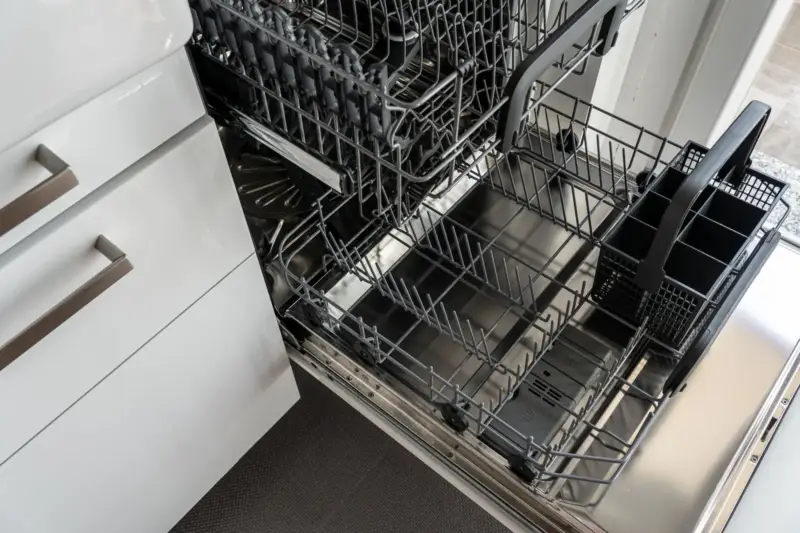
To keep your machine running smoothly, you must change how you load and maintain it. A few small habits will prevent most common performance problems.
| If you’re doing this | Do this instead | Why |
|---|---|---|
| Pre-rinsing every plate | Scrape off large food chunks only | Enzymes in detergent need food to work |
| Using too much detergent | Use the amount on the package | Excess soap leaves a residue on dishes |
| Ignoring the filter | Clean the filter every month | Clogs prevent water from draining properly |
| Forcing the door shut | Clear debris from the door seal | A loose seal prevents the cycle start |
Stop rinsing plates entirely. If you scrub them clean before loading, the detergent enzymes have nothing to latch onto, which leads to etching on your glassware.
Check the spray arms for mineral buildup if your water is hard. If you see white crusting in the tiny holes, soak the arms in white vinegar for an hour. This simple step restores water pressure to the entire rack.
Never pack the bottom rack so tightly that you block the detergent dispenser door. If the door can’t swing open fully, your dishes will remain coated in grease. Always verify the path is clear before you hit start.
Frequently asked questions
How long does a dishwasher cycle usually take?
A standard cycle lasts between 90 and 150 minutes, depending on wash intensity and water temperature. Heavy-duty or eco-friendly settings will significantly alter this duration. If the cycle runs much longer, it may indicate a heating element issue.
Is it safe to run the dishwasher with a broken spray arm?
No, you shouldn’t run the dishwasher if a spray arm is broken or detached. A damaged arm can strike the heating element or tub walls, causing permanent appliance damage. You must replace the arm with a genuine part before using the machine again.
Why is my dishwasher leaving a white film on glasses?
White film is usually caused by hard water minerals or excessive detergent use. Rinse aid helps break water surface tension to prevent these mineral deposits on glassware. If the problem persists, consider using a specialized dishwasher cleaner or adjusting your detergent amount.
How often should I clean the dishwasher filter?
You should clean the filter at least once a month to ensure the machine drains properly. If you don’t scrape food scraps off plates, you may need to clean it more frequently. A blocked filter forces the pump to work harder, potentially shortening the motor’s lifespan.
What happens if I use liquid dish soap instead of detergent?
Never use standard liquid dish soap, as it creates excessive suds that can overflow and damage your kitchen. These suds can also clog sensors and cause the machine to malfunction. If you accidentally use the wrong soap, scoop it out and run a water-only rinse cycle.
Conclusion
If these quick fixes don’t get your machine running smoothly again, it’s time to reach out to a professional technician. Don’t hesitate to consult your owner’s manual for specific error codes before calling for help. They’ll have the right tools to handle any complex repairs so you can get back to relaxing.