Is your water heater acting up and leaving you with cold showers? The gas control valve might be the hidden culprit.
If you’re noticing irregular heating, strange noises, or your pilot light won’t stay on, understanding how to troubleshoot your water heater’s gas control valve can save you time and money. In this guide, you’ll discover simple steps to identify common problems and easy fixes you can try yourself.
Keep reading to take control of your water heater and get it working smoothly again.
Common Gas Valve Issues
Gas control valves are vital parts of water heaters. They manage the flow of gas to the burner. Problems with these valves can stop your heater from working well. Knowing common issues helps to find solutions faster.
No Hot Water
No hot water often means the gas valve is not opening. The valve may be stuck or broken. This stops gas from reaching the burner. Without gas, the heater cannot warm the water. Check the valve for visible damage or dirt.
Pilot Light Problems
The pilot light depends on the gas valve to stay lit. A faulty valve can cause the pilot light to go out. This means no ignition for the burner. Sometimes, the valve’s thermocouple sensor fails. This sensor tells the valve to keep gas flowing.
Gas Smell Detection
Smelling gas near the water heater is dangerous. It can mean the gas valve leaks. A leaking valve lets gas escape without burning. This is a fire and health risk. Shut off the gas supply and call a professional if you smell gas.
Inconsistent Water Temperature
Water temperature that changes a lot may signal valve trouble. The valve might open or close erratically. This causes the burner to heat unevenly. The result is hot water one moment, cold the next. Inspect the valve for faults or wear.
Tools Needed For Troubleshooting
Troubleshooting a water heater gas control valve requires the right tools. These tools help find problems quickly and safely. Having them ready makes the job easier and more accurate. Below are the main tools needed for this task.
Basic Hand Tools
Basic hand tools include screwdrivers, pliers, and wrenches. They help open panels and remove parts. Use them to access the gas control valve and check connections. These tools are simple but essential for any repair job.
Multimeter Use
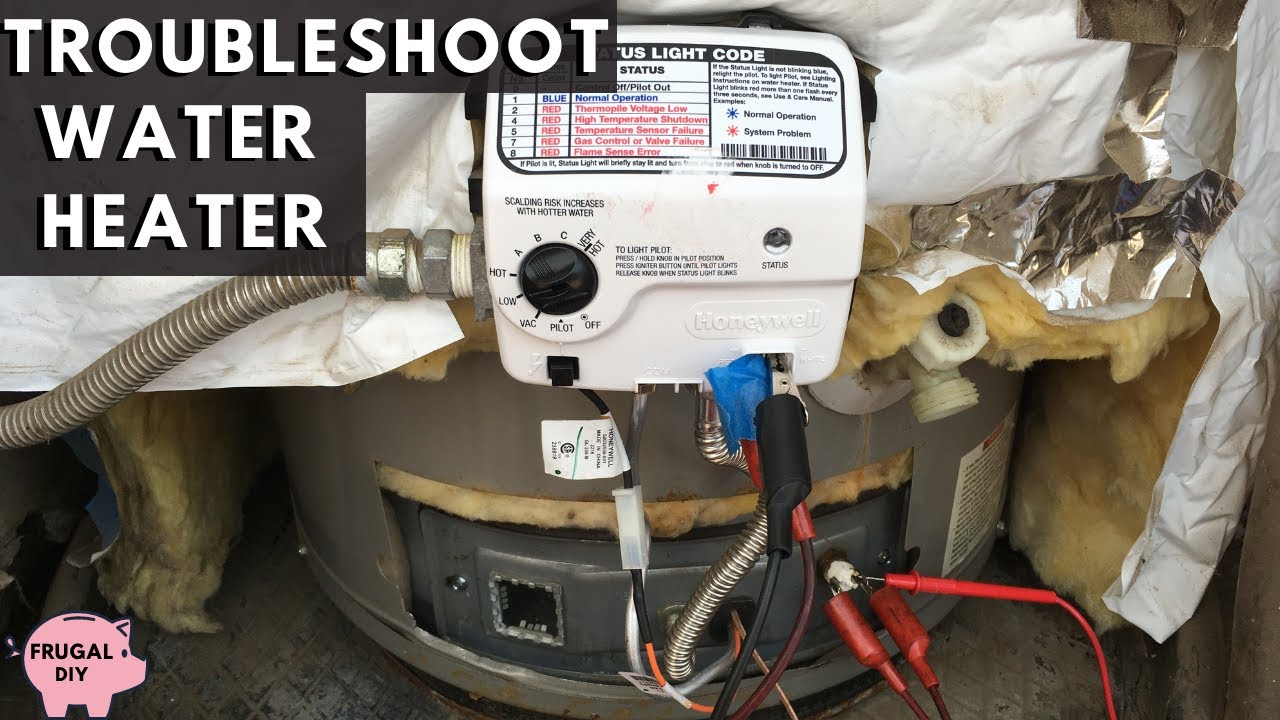
A multimeter tests electrical parts in the valve. It measures voltage, current, and resistance. Use it to check if the valve gets power and works correctly. A multimeter can spot wiring or component problems fast.
Gas Leak Detector
A gas leak detector finds leaks around the valve and pipes. It senses gas escaping from weak spots. This tool keeps you safe by alerting you to dangerous leaks. Always check for leaks before and after repairs.
Safety Precautions
Working on a water heater gas control valve requires care. Safety should always come first to avoid accidents. Gas leaks or wrong handling can cause serious harm. Follow simple safety steps to protect yourself and your home.
Shutting Off Gas Supply
Stop the gas supply before any work. Locate the main gas valve near the heater. Turn it off completely to prevent gas flow. This step is crucial for safe repairs. Never skip shutting off the gas.
Ventilation Tips
Keep the area well ventilated during troubleshooting. Open windows and doors to let fresh air in. Good airflow reduces the risk of gas buildup. Avoid working in closed, stuffy spaces.
Handling Gas Components
Handle all gas parts gently and with care. Use tools designed for gas fittings only. Avoid forcing or bending any parts. Check for damage before reassembly to ensure safety. Protect yourself by wearing gloves and eye protection.

Step-by-step Troubleshooting
Troubleshooting a water heater gas control valve can seem hard. Breaking it down into clear steps helps solve problems fast. Follow this guide to check each part carefully. This way, you find the exact cause of the issue.
Checking The Pilot Light
The pilot light must be burning for the heater to work. Look inside the heater to see if the small flame is on. A weak or no flame means trouble. Clean the pilot opening if it looks dirty. Use a long lighter to relight the pilot if needed. Always follow safety rules when handling gas flames.
Inspecting The Thermocouple
The thermocouple senses the pilot flame. It stops gas if the flame goes out. Check if it is bent, dirty, or loose. Clean the tip gently with fine sandpaper. Tighten the connection to the gas valve. Replace the thermocouple if cleaning does not help.
Testing The Gas Control Valve
The gas control valve regulates gas flow to the burner. Test it using a multimeter to check for electrical faults. Turn off the gas supply before testing. Measure the valve’s resistance to see if it matches the manual. Replace the valve if readings are outside the normal range.
Resetting The System
Resetting can clear minor faults in the valve system. Turn off the water heater and gas supply. Wait a few minutes to let the system cool down. Turn the gas and power back on carefully. Press the reset button if your model has one. Watch the system to see if it starts properly.
Quick Fixes For Common Problems
Water heater gas control valves sometimes cause small issues. These issues can stop your water heater from working well. Quick fixes can solve many problems without a call to the plumber. Knowing these fixes helps you save time and money. This section covers simple steps to fix common gas valve problems.
Relighting The Pilot
The pilot light can go out and stop the heater. First, turn off the gas valve. Wait for five minutes to clear gas. Press the valve knob and hold it down. Use a long lighter to light the pilot. Keep holding the knob for 30 seconds. Release slowly and check if the light stays on.
Replacing The Thermocouple
The thermocouple stops gas if the pilot goes out. If the pilot does not stay lit, the thermocouple might be faulty. Turn off the gas and power. Unscrew the old thermocouple near the pilot. Fit the new thermocouple in the same place. Tighten the screws and turn the gas back on. Light the pilot again to test.
Cleaning The Gas Valve
Dirt and dust can block the gas valve. Switch off the heater and gas supply. Remove the valve cover carefully. Use a soft brush to clean inside the valve. Avoid using water or harsh chemicals. After cleaning, replace the cover. Turn on the gas and check the heater.
Adjusting Temperature Settings
Incorrect temperature settings cause water to be too hot or cold. Find the temperature dial on the gas valve. Turn the dial to a comfortable setting, usually 120°F (49°C). Wait for the water to heat up. Test the water temperature before using. Adjust if needed to save energy and avoid burns.
When To Call A Professional
Knowing when to call a professional for your water heater gas control valve is crucial. Some problems need expert help to avoid danger and costly repairs. Recognizing these signs early keeps your home safe and your water heater working well.
Persistent Gas Odors
Smelling gas near your water heater is serious. A strong, persistent odor means a leak might be present. Do not try to fix gas leaks yourself. Turn off the gas supply and call a professional immediately.
Valve Replacement Needs
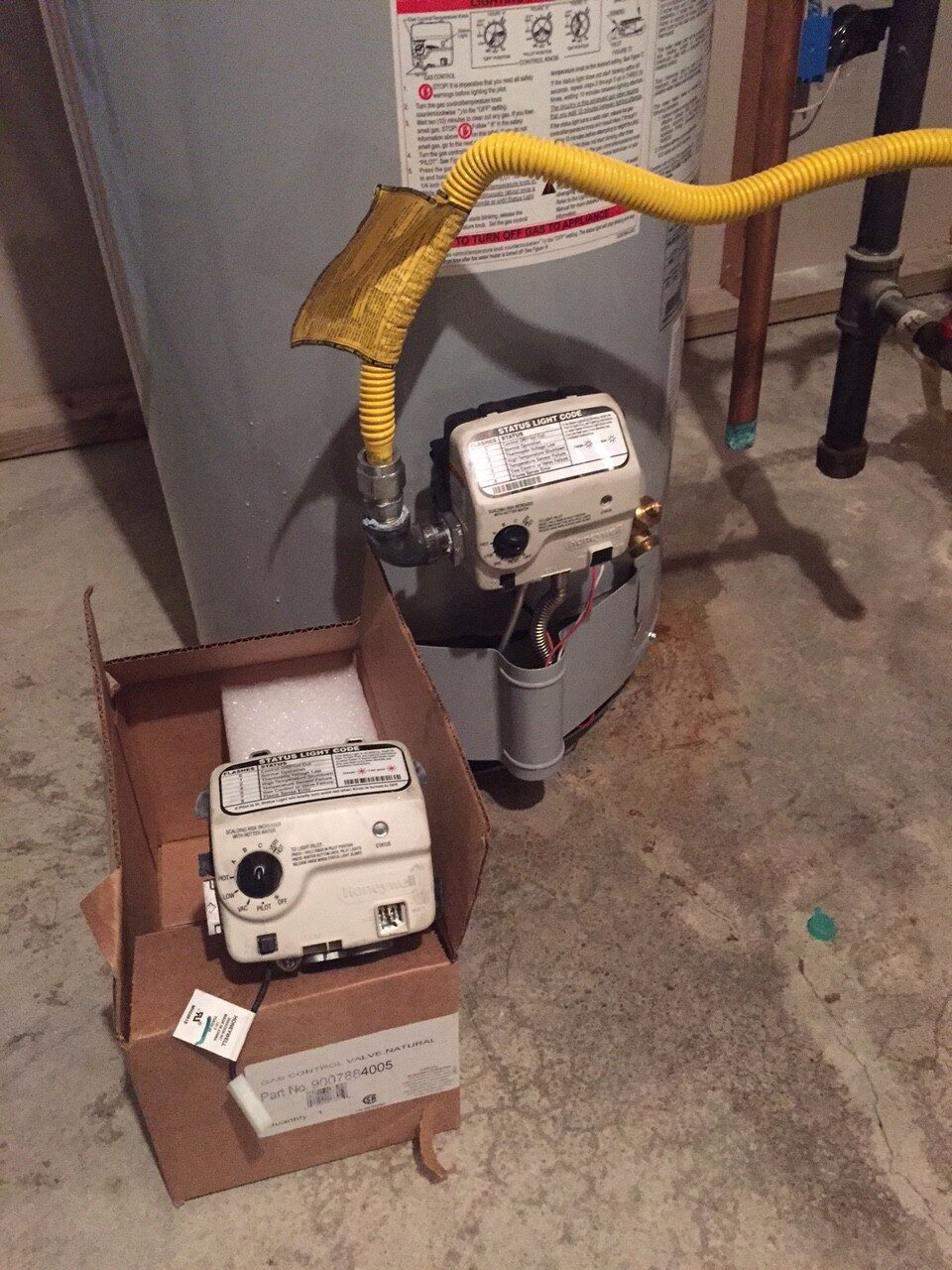
When the gas control valve shows signs of damage, replacement may be necessary. Cracks, corrosion, or malfunctioning parts indicate the valve must be changed. Professionals have the right tools and skills for safe replacement.
Complex Electrical Issues
Some gas control valves have electrical components. Faulty wiring or sensors require expert diagnosis and repair. Incorrect handling can cause shocks or worsen the problem. Let a trained technician handle electrical issues.
Maintenance Tips To Prevent Issues
Maintaining the gas control valve of your water heater helps avoid common problems. Regular care keeps your heater safe and efficient. Simple steps can extend the life of your appliance and save money on repairs.
Regular Inspections
Check the gas control valve often for signs of wear or damage. Look for leaks, rust, or loose parts. Early detection prevents bigger issues and keeps your heater working well.
Cleaning Burners And Valves
Dirt and dust can block burners and valves. Clean these parts gently to ensure proper gas flow. Use a soft brush or cloth to remove buildup. This keeps the flame steady and the heater efficient.
Scheduling Professional Checkups
Experts can spot problems you might miss. Have a technician inspect your water heater once a year. They test safety features and fix small issues early. This keeps your heater safe and reliable all year long.
Frequently Asked Questions
What Causes A Gas Control Valve To Fail In Water Heaters?
Gas control valves often fail due to dirt buildup, corrosion, or old age. Faulty wiring or gas supply issues also cause malfunctions. Regular maintenance helps prevent these problems.
How To Identify A Faulty Gas Control Valve Quickly?
Look for no hot water, strange smells, or pilot light issues. Clicking sounds or valve leaks also signal problems. These signs mean the valve may need fixing or replacement.
Can I Fix A Gas Control Valve Myself Safely?
Fixing gas valves is risky without proper tools and knowledge. It is safer to hire a licensed technician. Incorrect repairs can cause gas leaks or fire hazards.
How Do I Reset A Water Heater Gas Control Valve?
Turn the valve to the “off” position and wait five minutes. Then turn it back to “pilot” and follow lighting instructions. This resets the valve and often solves minor issues.
When Should I Replace The Gas Control Valve Completely?
Replace the valve if it leaks, won’t ignite, or has visible damage. Frequent pilot light failures also indicate replacement is needed. Using a faulty valve is unsafe and inefficient.
Conclusion
Troubleshooting a water heater gas control valve can save time and money. Start by checking for obvious signs like leaks or faulty connections. Use a multimeter to test electrical parts carefully. Clean any dirt or debris around the valve for better function.
Knowing basic steps helps avoid bigger problems later. Always stay safe and turn off gas before working. Small fixes often restore your heater’s performance quickly. Taking action early prevents costly repairs down the road. Keep your water heater running smoothly with simple checks.