Is your Weber gas grill acting up right when you’re ready to cook? It’s frustrating when your trusted grill won’t light, heats unevenly, or just won’t work like it should.
But don’t worry—you’re not alone, and most problems have simple fixes you can handle yourself. In this guide, you’ll find clear, step-by-step solutions to get your Weber gas grill back in perfect shape fast. Keep reading, and you’ll be grilling like a pro again in no time.

Ignition Problems
Ignition problems are common issues with Weber gas grills. These problems stop the grill from lighting up properly. Knowing how to fix ignition problems saves time and frustration. Small faults often cause these issues. Checking the ignition system helps you get the grill working again quickly.
Spark Issues
Sparks are essential for lighting the gas in your grill. If the grill does not spark, it will not light. Dirt or grease can block the spark. Clean the ignition area gently with a soft brush. Make sure no debris covers the electrode tip. Test the spark by pushing the ignition button. No spark means the ignition system needs more checks.
Battery Replacement
Many Weber grills use a battery for ignition. A weak or dead battery causes no spark. Check the battery by removing it from the ignition system. Replace it with a fresh battery that fits your grill model. After installing the new battery, try lighting the grill again. Always use the right battery type for best results.
Electrode Positioning
The electrode creates the spark near the burner. If it is out of position, the spark may miss the gas. Check the electrode’s position carefully. It should be close to the burner, about 1/8 inch away. Adjust it gently if it is too far or touching the burner. Proper electrode positioning ensures a strong spark and easy ignition.
Uneven Heat
Uneven heat is a common problem with Weber gas grills. It causes some parts of the grill to be hotter than others. This makes cooking difficult. Food may burn on one side and stay raw on another. Understanding the causes helps fix the problem fast. Below are key issues to check.
Burner Blockages
Burners can get blocked by grease or debris. Blockages stop gas flow. This leads to uneven flames and heat. Clean burners regularly with a wire brush. Remove any dirt or spider webs inside the burner tubes. Clear holes to let gas flow evenly.
Heat Shield Damage
Heat shields sit above burners to spread heat. If damaged or warped, heat spreads unevenly. Check for cracks or rust on the shield. Replace shields that look worn out. Proper shields help maintain steady heat across the grill.
Proper Flame Adjustment
Flame height affects heat distribution. Flames too high or low cause hot and cold spots. Adjust the gas valve to get steady blue flames. Avoid yellow or flickering flames. Correct flame size ensures even cooking temperature.
Gas Flow Issues
Gas flow issues often cause a Weber gas grill to perform poorly. Without proper gas flow, the grill might not heat evenly or may fail to light. This section covers the main causes of gas flow problems and how to check them safely.
Checking Gas Supply
First, check the propane tank or natural gas line. Make sure the tank is not empty. Turn the valve fully open to allow gas to flow. Inspect the gas line for any kinks or blockages. A weak gas supply limits the grill’s heat output.
Regulator Problems
The regulator controls the gas pressure from the tank to the grill. A faulty regulator can stop gas flow or cause low pressure. Look for signs of damage or wear on the regulator. Reset it by turning off the gas, waiting a few minutes, then turning it back on. Replace the regulator if problems persist.
Hose Leaks
Gas leaks in the hose can reduce or stop gas flow. Check the hose for cracks, holes, or loose connections. Use a soapy water solution on the hose and connections. Bubbles show where gas is leaking. Tighten connections or replace the hose to fix leaks. Never use the grill with a gas leak.
Flare-ups
Flare-ups on a Weber gas grill can surprise you during cooking. They occur when grease or fat drips onto the burners. Flames rise quickly, risking burnt food or damage to the grill. Managing flare-ups is key for safe grilling and tasty results.
Grease Management
Grease buildup causes flare-ups. Remove excess fat from meat before grilling. Use lean cuts or trim visible fat. Place a drip pan under food to catch grease. Check and empty grease tray often to avoid overflow. Proper grease control lowers flare-up chances.
Proper Cleaning
Cleaning your grill reduces flare-ups. Clean grill grates after each use with a wire brush. Remove leftover food and grease from burners. Wipe the inside of the grill regularly. A clean grill burns evenly and safely.
Using Water Trays
Water trays help control flare-ups. Place a tray below the cooking grate to catch drips. Water cools grease and prevents flames from rising. Refill the tray as needed during grilling. Water trays keep heat steady and food safe.
Temperature Control
Controlling the temperature on your Weber gas grill is key to cooking food just right. Proper temperature control avoids undercooking or burning your meals. Small adjustments can make a big difference in grilling results. Understanding how to manage heat helps you grill with confidence every time.
Thermometer Accuracy
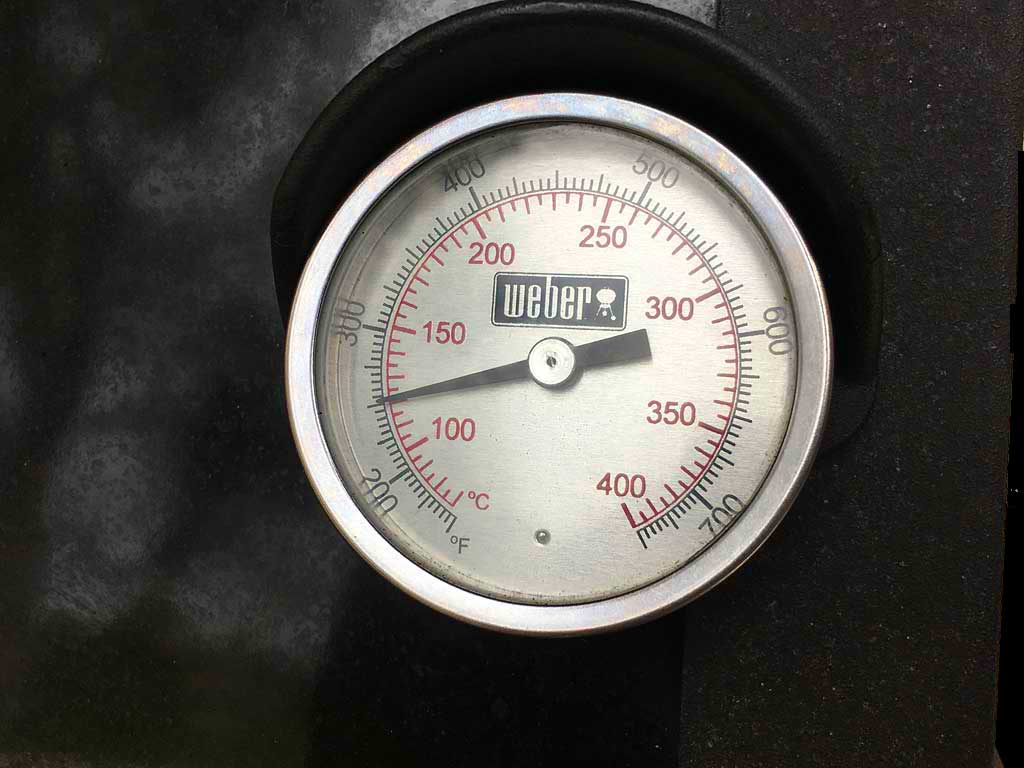
Check if the grill’s built-in thermometer shows the correct temperature. Many built-in thermometers can be off by 10 to 20 degrees. Use a separate grill thermometer to compare readings. Replace the thermometer if it is not accurate. Accurate temperature readings help you cook food perfectly.
Vent Adjustments
Adjust the vents to control airflow inside the grill. More air increases the heat, less air lowers it. Open vents fully for high heat cooking like searing. Close vents slightly for low and slow cooking. Experiment with vent positions to find the best setting for your recipe.
Lid Handling
Keep the grill lid closed as much as possible. Opening the lid lets heat escape and drops the temperature. Check food quickly and close the lid right away. Use the lid to trap heat and cook food evenly. Proper lid handling helps maintain steady heat throughout grilling.

Maintenance Tips
Proper maintenance keeps your Weber gas grill working well. It helps avoid common problems and extends the grill’s life. Regular care makes cooking safer and easier. Follow simple steps to keep your grill in top shape.
Routine Cleaning
Clean your grill after every use. Remove food scraps from the grates with a brush. Wipe down the exterior to prevent dirt buildup. Empty the drip tray often to avoid grease fires. Clean burners gently to keep flames even. This simple routine stops rust and keeps flavors fresh.
Part Replacement
Check grill parts regularly for damage or wear. Replace cracked or bent grates to cook food evenly. Change burners if flames are weak or uneven. Inspect hoses for cracks or leaks and replace if needed. Use only parts made for your Weber model. This ensures safety and good performance.
Storage Advice
Store your grill in a dry place to avoid rust. Cover the grill with a weatherproof cover when not in use. Disconnect the gas tank if storing for a long time. Keep the grill away from strong wind or rain. Proper storage protects your grill and saves repair costs.
Frequently Asked Questions
Why Won’t My Weber Gas Grill Light Up?
Check if the propane tank is empty or the valve is closed. Clean the igniter and burner for proper spark and gas flow.
How Do I Fix Uneven Heat On Weber Grills?
Move food around to avoid hot spots. Clean burners and check for blocked holes to ensure even flame spread.
What Causes Weber Gas Grill Flame To Go Out?
Wind, low gas pressure, or dirty burners often cause flame loss. Keep the grill shielded and clean for steady flames.
How Can I Clean Weber Gas Grill Burners Safely?
Turn off gas and cool grill first. Use a wire brush to gently scrub burner holes and remove debris.
Why Is My Weber Grill Smelling Like Gas?
A gas smell means a leak or loose connection. Check hoses and tighten fittings; use soapy water to find leaks.
Conclusion
Troubleshooting your Weber gas grill can save time and money. Regular checks keep it working well. Clean burners and check gas flow often. Simple fixes solve many common problems fast. Knowing basic steps helps avoid frustration. Your grill will cook food evenly again.
Enjoy grilling without stress or delay. Keep your grill ready for every barbecue. Small efforts make a big difference in performance. Stay safe and have fun cooking outdoors.