When your heavy machinery fails to perform on the job site, finding a reliable guide for bomag roller troubleshooting becomes your top priority to minimize expensive downtime. Whether you’re dealing with a ride-on tandem roller or a single-drum soil compactor, most issues stem from common mechanical, hydraulic, or electrical oversights. By following a systematic diagnostic approach, you can identify whether the problem requires a simple field adjustment or a more intensive repair process involving specialized components.
Key Takeaways
- Check fluid levels and battery voltage before assuming a major hydraulic failure.
- Inspect all electrical fuses and relays for signs of corrosion or melting.
- Verify that emergency stop buttons are fully disengaged to restore machine power.
- Ensure the vibration system’s solenoid valves are receiving adequate electrical current.
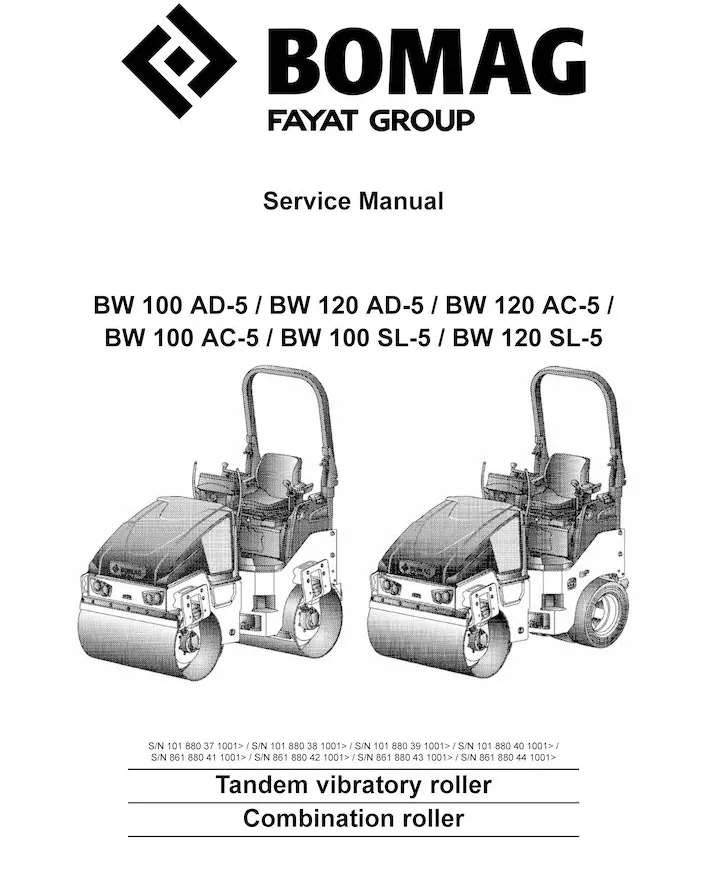
- Consult the BOMAG operator manual for specific fault codes and torque specifications.
Common Engine Starting Problems
The most frequent complaint involves a machine that refuses to turn over. Before suspecting the starter motor, verify the status of the safety interlock system. Bomag machines are equipped with multiple sensors that must be satisfied before the engine will engage. If the seat switch, neutral lever position, or emergency stop button isn’t correctly configured, the starting circuit remains open.
- Battery Voltage: Ensure the battery provides at least 12.4 volts when the engine is off.
- Fuel Supply: Check for air in the lines or a clogged fuel filter.
- Neutral Safety: Confirm the forward-reverse lever is physically locked in the center position.
- Starter Solenoid: Listen for a “click” sound when turning the key, which indicates the solenoid is receiving a signal.
Troubleshooting Bomag Roller Vibration System Faults
When the roller moves but the drum fails to vibrate, the issue usually resides in the solenoid valve manifold or the vibration pump controls. Vibration is hydraulically driven, meaning any obstruction or air pocket in the hydraulic circuit will cause the system to stall or fail to engage.
| Component | Potential Fault | Inspection Method |
|---|---|---|
| Vibration Solenoid | Electrical open circuit | Use multimeter to check for 24V signal |
| Hydraulic Pump | Low charge pressure | Install gauge to verify PSI output |
| Drum Bearings | Excessive drag or seize | Listen for grinding noises during rotation |
| Control Switch | Broken contact point | Test for continuity across the toggle |
Hydraulic System Pressure Issues
If your roller lacks power or moves sluggishly, you’re likely looking at a drop in system hydraulic pressure. This often manifests as a loss of tractive effort on steep grades or a failure to reach top speed. Start by checking the hydraulic oil level and the condition of the return filters. Metal shavings found in the filter housing are a sign of internal pump failure, which requires immediate professional intervention.
Warning: Always lower the drum to the ground and depressurize the hydraulic lines before performing any maintenance on the pump or motor assemblies.
Electrical Faults and Fuse Boxes
Modern rollers rely heavily on electronic control units (ECUs). When the dashboard display goes blank or specific functions stop responding, inspect the central fuse distribution block. Corrosion is a common culprit on job sites where moisture and dust accumulate. Remove each fuse, check for continuity, and ensure the contacts are clean and free of oxidation.
Checking Sensor Connectivity
Sensors monitor everything from oil pressure to steering angle. If a sensor fails, the computer often forces the machine into a “limp mode.” Look for frayed wires near the drum pivot points, as these are high-vibration areas prone to wire fatigue.
Why Does the Engine Overheat?
Overheating is frequently caused by a compromised cooling system rather than an engine failure. The radiator fins on a roller are prone to clogging with fine dust and soil particles. If the airflow is restricted, the engine temperature will rise rapidly under load.
- Radiator Debris: Clear the front screen and use compressed air to clean the radiator core.
- Coolant Level: Check the overflow reservoir while the engine is cool.
- Thermostat: A stuck thermostat will prevent the coolant from circulating properly.
- Fan Belt: Ensure the belt tension is within manufacturer specifications to prevent slippage.
How to Handle Steering Failures
Steering on most Bomag rollers is articulated. If the steering feels “spongy” or unresponsive, air may be trapped in the steering hydraulic circuit. Purging the system by turning the machine fully left and right several times can often resolve the issue. If the steering is completely locked, check the steering priority valve to see if it’s stuck in a closed position.
Managing Drum Drive Malfunctions
If the drum fails to rotate while the engine is running, first check the drive motor bypass valve. This valve is often used to manually release the brakes for towing; if left in the “open” position, the machine won’t move. Additionally, inspect the final drive planetary gears for leaks, as a low oil level can lead to premature failure of the drive assembly.
Addressing Unusual Machine Noises
Unusual sounds are early warning signs of component wear. A high-pitched squeal usually points to a loose belt or a failing alternator bearing. A deep, rhythmic knocking sound coming from the drum often indicates an issue with the eccentric weight assembly. If you hear clunking during turns, check the articulation joint pins and bushings for excessive play.
Brake System Safety Inspections
The parking brake on a roller is typically a spring-applied, hydraulic-release system. If the roller refuses to move, the brake may be engaged despite your input. Check for hydraulic pressure at the brake release port. If the pressure is absent, the brakes will remain locked as a safety fail-safe. Never attempt to operate the machine if the braking system shows any sign of hesitation or delayed response.
| Symptom | Probable Cause | Action Required |
|---|---|---|
| Brake won’t release | Low charge pressure | Check pump and release valve |
| Grinding noise | Worn brake pads | Replace friction discs |
| Pedal goes to floor | Air in lines | Bleed the brake hydraulic circuit |
| Brake light stays on | Faulty pressure switch | Test switch for electrical short |
Interpreting Dashboard Error Codes
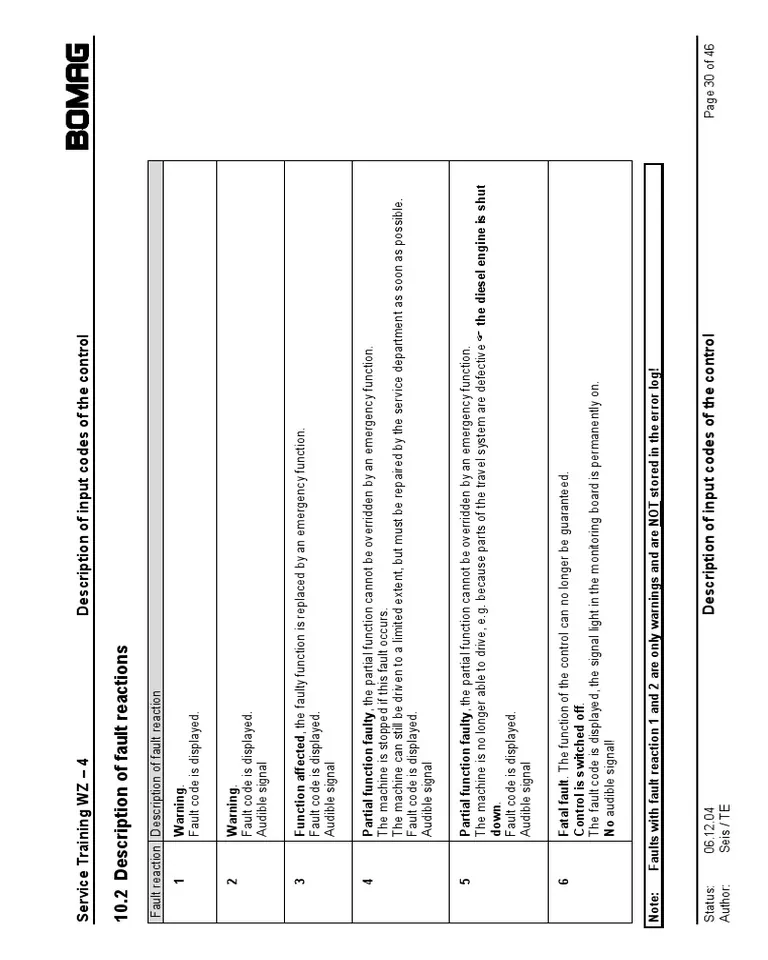
Most Bomag units feature a digital display that provides specific error codes when a fault is detected. These codes are invaluable for narrowing down the search. Keep a copy of the diagnostic list found in your service manual. If you encounter a “CAN-bus error,” this typically indicates a communication failure between the engine controller and the main machine display, often caused by a loose ground wire.
Pro Tip: Take a clear photograph of the error code on the display panel before resetting the machine, as this will help your local dealer provide more accurate remote support.
Routine Maintenance Best Practices
Preventive maintenance is the best form of troubleshooting. By adhering to a strict service interval schedule, you can catch minor issues before they become catastrophic failures. Change hydraulic filters at the recommended hours and always use the specific oil viscosity grade required by the manufacturer for your climate.
- Daily: Check fluid levels and clean cooling screens.
- Weekly: Inspect all hoses for signs of rubbing or weeping.
- Monthly: Grease all articulation points and pivot pins.
- Annually: Flush the cooling system and test battery health.
Frequently Asked Questions
Why does my roller vibrate during transport?
If the vibration system isn’t engaged but you feel a rhythmic shaking while driving, it’s likely due to a flat spot on the rubber tires or a bent drum surface. Inspect the drum for any dents or debris stuck to the surface that could cause an imbalance during rotation.
How often should I change hydraulic fluid?
Hydraulic fluid should typically be changed every 1,000 to 2,000 hours of operation, depending on the machine model and the intensity of the environment. Always check the fluid clarity and smell; if it appears milky or smells burnt, it should be replaced immediately regardless of the hour meter reading.
Can I operate with a minor hydraulic leak?
Operating with a leak is dangerous and counterproductive. Even a small pinhole leak can inject high-pressure fluid into the skin, which is a medical emergency. Additionally, hydraulic leaks lead to pressure drops that damage pumps and motors. Always repair leaks before continuing work to protect both the operator and the machine’s longevity.
What causes the engine to stall under load?
Stalling under load often indicates a fuel delivery problem or an overloaded hydraulic system. Check the fuel filters for clogging and ensure the air intake isn’t restricted. If the engine stalls specifically when the vibration is turned on, the vibration pump may be drawing excessive power due to an internal mechanical failure.
Where is the serial number located?
The serial number is typically found on a metal plate attached to the main frame of the roller, usually near the articulation joint or the operator’s platform. Having this number ready is essential when calling for parts or technical support, as it ensures you receive components compatible with your specific build version.
Conclusion
To keep your equipment running smoothly, start by inspecting your air filters and hydraulic fluid levels today, as these simple checks prevent the majority of field failures. If the issue persists, reference your specific model’s service manual to interpret the diagnostic codes and verify the electrical connections, ensuring you always prioritize safety by depressurizing hydraulic systems before attempting any hands-on mechanical repairs.