If your generator won’t start, the most common reason for cummins onan rv qg 4000 troubleshooting is a low battery or a fuel delivery issue. You can often fix these problems by checking the connections on your 12-volt starting battery or ensuring the fuel level in your RV tank is above one-quarter. If you’re uncertain about the specific fault codes or mechanical status, always consult the official Cummins Onan operator manual for the exact diagnostic procedures for your specific model.
Why your Cummins Onan generator fails
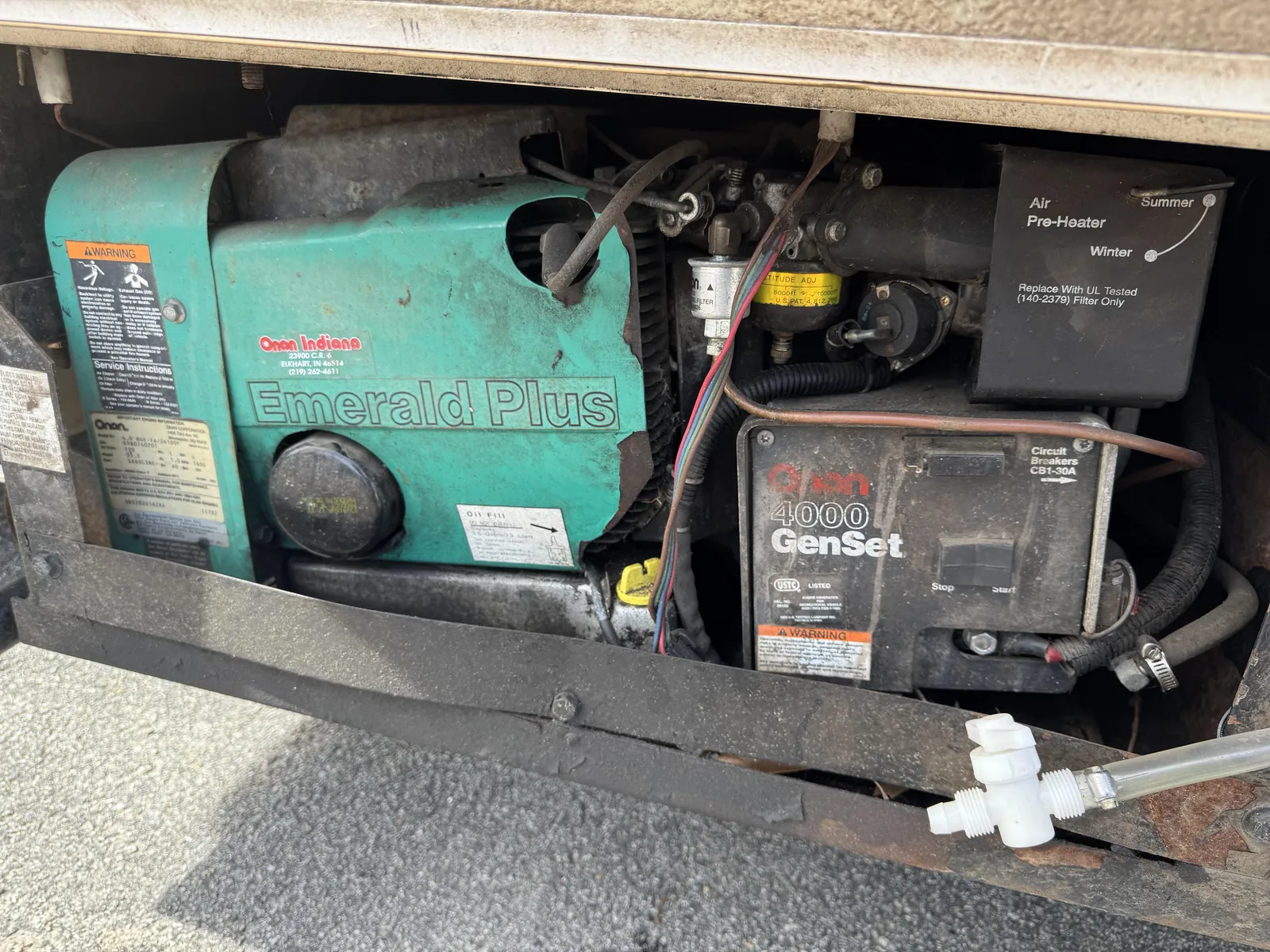
Most generator issues stem from simple maintenance gaps rather than major mechanical failure. The most frequent cause is a battery that lacks enough power to crank the engine, which often happens after a long period of storage. Even if your lights work, the generator requires a higher surge of current to turn over the starter motor. If the battery is weak, the starter will click but fail to engage the engine.
Fuel issues represent the second most common cause of failure. The intake tube for your generator usually sits higher in the fuel tank than the engine’s own fuel pickup. This design prevents the generator from draining your RV tank completely, leaving you stranded without a way to drive. If your main fuel gauge shows less than one-quarter of a tank, the generator will often refuse to start or will shut down shortly after it begins running.
Finally, dirty air filters or old fuel can prevent the engine from firing. Gasoline left in a carburetor for more than a few months can turn into a sticky varnish that clogs the small jets. If the engine turns over but never catches, the fuel system is likely blocked. You should verify your fuel quality and battery health before assuming that a more complex part has broken.
Check the battery and connections
This fix is for owners who hear a clicking sound or nothing at all when pressing the start switch. Start by inspecting the two main battery cables connected to the generator. If you see white or blue fuzzy corrosion on the terminals, remove them and clean the metal with a wire brush. Tighten the nuts firmly, as a loose connection will prevent the high current needed for starting.
If the cables are clean and tight, have a technician test the house battery bank for proper voltage. If you have a battery disconnect switch, ensure it’s in the “on” position. If the generator still doesn’t crank, starting your RV engine may provide the boost needed to engage the starter.
This fix isn’t for those who are uncomfortable working around electrical terminals. If the cables are frayed, damaged, or hot to the touch, don’t attempt a repair yourself. A short circuit here can lead to a fire or damage the control board. In these cases, you should contact a certified RV technician to replace the cabling or inspect the starter motor safely.
Inspect the fuel level and lines
This fix is for owners whose generator cranks but doesn’t start, or starts and then dies. Verify your main fuel gauge shows at least one-quarter of a tank. If the level is low, add fuel and try starting the generator again.
If the level is sufficient, look under the RV for any signs of wet spots or the smell of raw gasoline. A cracked fuel line can allow air into the system, which prevents the pump from pulling gas into the carburetor.
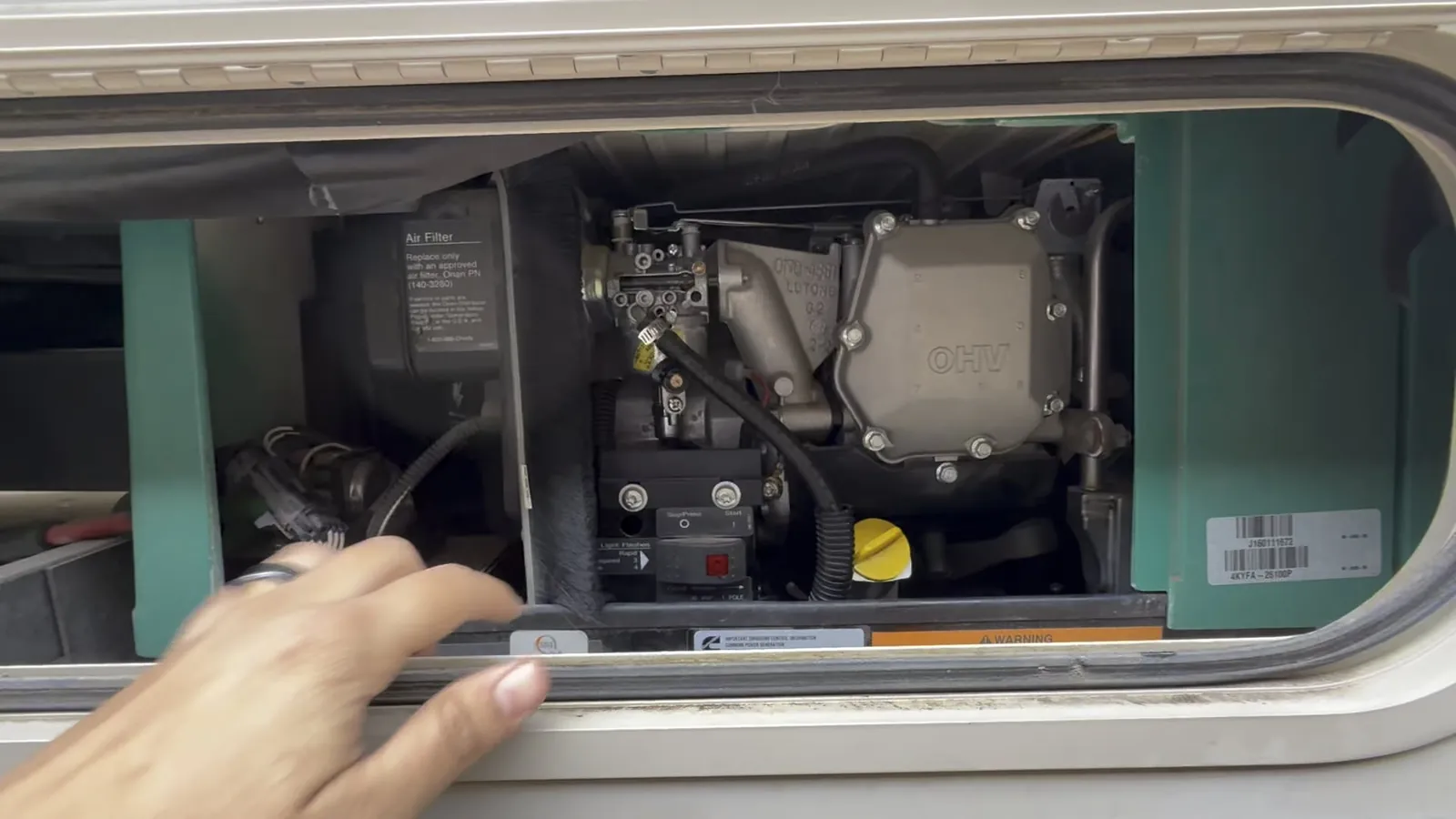
If you suspect air in the lines, you can try priming the fuel system. Hold the start switch in the “stop/prime” position for 30 seconds before attempting to start the engine. This forces the fuel pump to run without cranking the engine, which helps push fresh fuel through the lines. If the generator starts but runs roughly, the fuel filter might be clogged with debris from the tank.
If you find a leaking fuel line, stop immediately. Gasoline is highly flammable, and a leak near the engine’s hot exhaust is a major fire hazard. Don’t attempt to patch fuel lines with tape or standard rubber hoses. Only a professional should handle fuel system repairs, as these lines require specific pressure ratings and clamps to prevent dangerous leaks while you’re driving.
Clear the air intake and exhaust
This fix is for owners who notice the generator struggling to run or producing black smoke. Check the air intake vent on the side of the generator housing for debris like leaves, mud, or wasp nests. If the engine can’t breathe, it will run “rich,” which means it’s burning too much fuel and not enough air. A blocked exhaust pipe can also cause backpressure that chokes the engine.
Clear away any obstructions you can see from the outside using a soft brush or compressed air. Never use a high-pressure washer or a garden hose on the generator housing, as water can enter the electrical compartments and cause permanent damage.
A common mistake is assuming the intake is clear just because the outer grate looks clean. You must check for “caking,” where fine dust creates a hardened layer against the mesh. If you see this, use a plastic scraper to gently break the seal. If the generator continues to stall after you clear the vents, the internal air filter may be saturated with dust or oil.
If you can’t reach the air filter or if it appears soaked in oil, this is the limit of a basic DIY check. Replacing an internal filter requires removing the service panel, which can expose you to electrical hazards or damage the sensitive housing seals.
If clearing the exterior vents doesn’t improve performance, it’s time to take the RV to a shop that specializes in power equipment. If the exhaust smells like raw fuel, stop immediately; this indicates a flooded carburetor that requires professional fuel-system intervention.
Common Cummins Onan 4000 troubleshooting mistakes
Using starter fluid to force an engine start can cause a violent backfire. This often shatters the carburetor housing or cracks the plastic air box. If the engine refuses to fire after three pulls, stop. Check for spark or fuel flow instead of forcing ignition.
Running the generator with low oil triggers the safety shutdown sensor. Never bypass this switch to keep the unit running. Doing so causes internal friction that welds the piston to the cylinder wall within minutes.
Cleaning electrical boards with water or soap causes irreversible corrosion. This destroys the control unit’s delicate traces. Only clean the exterior housing with a dry microfiber cloth. If the board is dirty, use a specialized electronic contact cleaner that evaporates instantly.
Prevent future starting problems
| If you’re doing this | Do this instead | Why |
|---|---|---|
| Leaving fuel in the tank | Use a fuel stabilizer | Prevents gum and varnish buildup |
| Letting the battery sit | Keep it on a trickle charger | Maintains charge for the starter |
| Ignoring the exercise routine | Run it under load monthly | Circulates oil and clears the lines |
| Waiting for it to fail | Check oil and filter yearly | Prevents damage from old, thick oil |
Ethanol-blended gasoline begins to degrade in as little as 30 days. If you store your equipment for the off-season, add the stabilizer to a full tank before the final run to ensure the treated fuel reaches the carburetor.
Many owners mistake a “full” battery for a healthy one. If the battery capacity is compromised, have a technician inspect the system for sulfation. A smart trickle charger can help prevent this cycle of degradation.
When exercising the engine, don’t just let it idle. You must apply a load—such as engaging a generator appliance—for at least 15 minutes. This heat is necessary to boil off moisture condensation inside the crankcase.
If you notice the engine hunting or surging during this monthly run, clean the air filter immediately. A clogged filter forces the engine to run rich, which eventually fouls the spark plug and causes a hard-start condition.
Frequently asked questions
How long should I prime the generator before starting?
You should hold the switch in the “prime” position for 30 seconds if the generator has been sitting for more than a month. This fills the fuel lines and the carburetor bowl with fresh gas. If the engine fails to start after 30 seconds of priming, stop and wait one minute to let the pump rest. Repeating this process too many times can flood the engine or overheat the fuel pump motor.
Why does my generator shut down after 10 minutes?
A generator that shuts down after starting is likely hitting a safety limit for low oil or overheating. Check that your oil level is at the “full” mark. If the oil is sufficient, ensure the unit has adequate airflow, as blocked vents can trigger an automatic shutdown.
Is it safe to keep the generator running while driving?
Yes, you can generally operate your generator while driving if your RV manufacturer confirms the installation is designed for mobile use. This allows you to power roof air conditioners for comfort. Ensure your fuel tank remains above one-quarter full to prevent the generator from losing its fuel supply.
What causes the generator to surge or hunt?
Surging is usually caused by a dirty carburetor or a vacuum leak preventing a steady flow of fuel or air. Try adding a fuel system cleaner to your tank. If the surging persists, the carburetor requires professional cleaning or adjustment to restore consistent engine speed.
How often should I run the generator?
You should run your generator under a load for at least 30 minutes every month to keep the system healthy. Running it without a load fails to circulate oil or burn off internal moisture. Using an appliance like an air conditioner provides the necessary load to prevent starting issues.
Conclusion
If the generator still won’t cooperate after you’ve checked the basics, it’s time to reach out to a certified technician. Don’t hesitate to schedule a professional inspection, as they’ll have the right tools to identify hidden electrical faults. Getting it serviced early will keep your future camping trips worry-free.