To fix a cooling issue, inspect the air lines and electrical connections to ensure the fan engages when the engine reaches its target temperature. A broken or pinched air line is the most common cause of failure, as it prevents the pneumatic actuator from locking the clutch. Verify that air pressure reaches the solenoid.
Troubleshooting Cummins clutch engagement issues
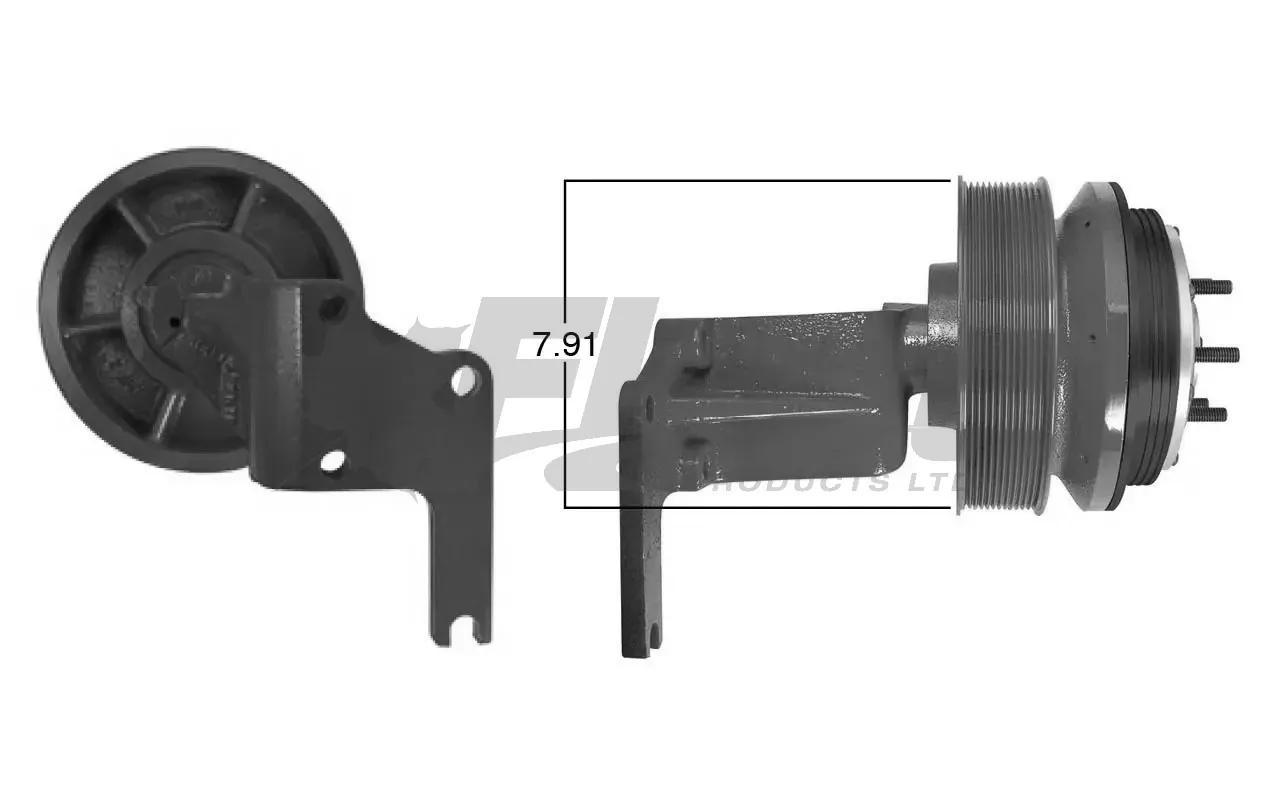
The system relies on a delicate balance between air pressure and electrical signals. When the engine control module detects high coolant temperatures, it sends a signal to the solenoid to open the air path. If this path is blocked or if the solenoid itself fails, the fan will stay idle. This keeps the engine from receiving the necessary cooling air, which quickly leads to overheating under heavy loads.
Another common cause involves the friction material inside the clutch assembly. Over many miles, the internal discs wear down until they can no longer grip the pulley. If you hear a grinding noise or see black dust around the hub, the internal components have likely reached the end of their service life. This is a mechanical failure that usually requires a complete unit replacement rather than a simple adjustment.
Finally, electrical faults often mimic mechanical ones. A frayed wire or a corroded connector in the harness can interrupt the signal from the engine computer. If the solenoid never receives power, it will never release the air needed to actuate the clutch. Always inspect the wiring harness for signs of heat damage or rubbing against the engine block before assuming the clutch itself is broken.
Test the air supply lines
You should verify that the fan clutch receives air by listening for a hiss when you manually trigger the solenoid. If you have access to diagnostic software, you can command the fan to turn on while the engine is off. If you hear air escaping but the fan doesn’t lock, the air line between the solenoid and the clutch is likely leaking or restricted.
If you’re a driver with limited tools, start by checking the air lines for visible cracks or kinks. If the air line feels brittle or shows signs of dry rot, replace it immediately to prevent a sudden loss of pressure on the road. If the line is intact and you hear air flowing into the clutch but the fan remains loose, the internal seals have failed.
This fix is for those who are comfortable working around pressurized air systems. If you lack the proper tools to safely bleed the air system or if you’re unsure about the location of the solenoid, take the truck to a certified diesel technician. Dealing with high-pressure air lines can be dangerous if you don’t know how to isolate the circuits.
Inspect the electrical harness
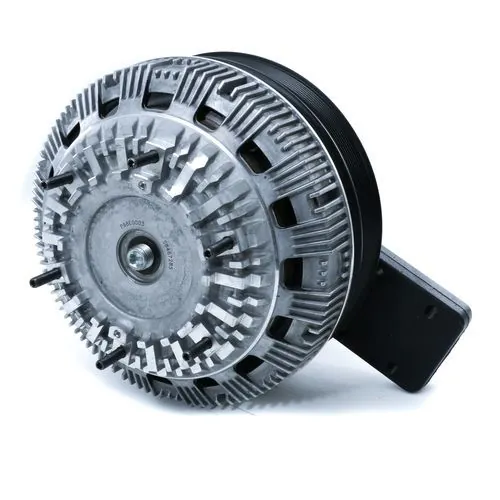
Check the wiring connection at the fan solenoid to ensure it’s clean and tight. Use a light or a mirror to inspect the underside of the connector for green corrosion, which is a common sign of moisture entry. If the pins inside the connector are pushed back or bent, they won’t make a solid contact, preventing the computer signal from reaching the solenoid.
You can perform a simple wiggle test while the engine is running and the fan is supposed to be engaged. If the fan suddenly kicks in while you’re moving the wires, you have a bad connection or a broken wire inside the insulation. Use a high-quality electrical cleaner to remove dirt from the terminals and ensure a tight fit when you push the connector back into place.
This process is only for those who understand basic automotive electrical safety. If you find melted wires or burnt insulation, don’t attempt a patch repair. Melted wiring often points to a short circuit that could damage the engine computer if not handled by a professional. In such cases, contact a shop that specializes in heavy-duty truck electrical systems to avoid further damage.
Verify the solenoid operation
If the air lines are clear and the wires look good, the solenoid itself might be stuck. You can tell if the solenoid is working by feeling for a distinct click when the engine reaches the trigger temperature. If the engine is hot but the solenoid remains silent, it’s likely that the internal coil has burned out.
To confirm this, have a qualified technician test the coil resistance. A professional can determine if the internal winding is broken or if the coil has shorted internally, as this requires specialized electrical diagnostic equipment.
If you have a spare solenoid, swap it out to see if the fan begins to function correctly. This is a straightforward task, but you must ensure the engine is off and the air system is fully drained before you loosen any fittings. If you aren’t familiar with air system safety, leave this to a mechanic who has the right equipment to test the solenoid’s resistance and voltage draw.
This fix is for those who have basic mechanical experience and the correct tools to handle pressurized fittings. If you find that the solenoid is hot to the touch or smells like burning plastic, stop immediately.
A failing solenoid can draw too much current and cause a fuse to blow or, in rare cases, damage the wiring harness leading back to the engine control module. Always verify that your replacement part matches the original voltage rating, as using a 12-volt solenoid on a 24-volt system will cause immediate component failure.
Common mistakes to avoid
Never use wire ties to force the fan clutch into a permanently locked position. This creates excessive harmonic vibration that leads to rapid fatigue of the fan blades and premature failure of the water pump bearings.
Don’t spray oil or lubricants into the air intake of the clutch. These fluids cause the internal friction discs to slip, which generates enough heat to glaze the surfaces and destroy the unit within hours.
Avoid bypassing the electrical solenoid with a direct battery connection. This often sends voltage spikes through the engine control module, triggering expensive electronic faults that are difficult to diagnose.
Don’t ignore abnormal fan noise. A failing clutch often wobbles before it seizes; if you hear a rhythmic clicking or grinding, replace the unit immediately. A shattered fan can strike the radiator core, turning a simple maintenance task into an expensive cooling system repair. If the fan wobbles, the bearings are compromised.
Prevent future clutch failures
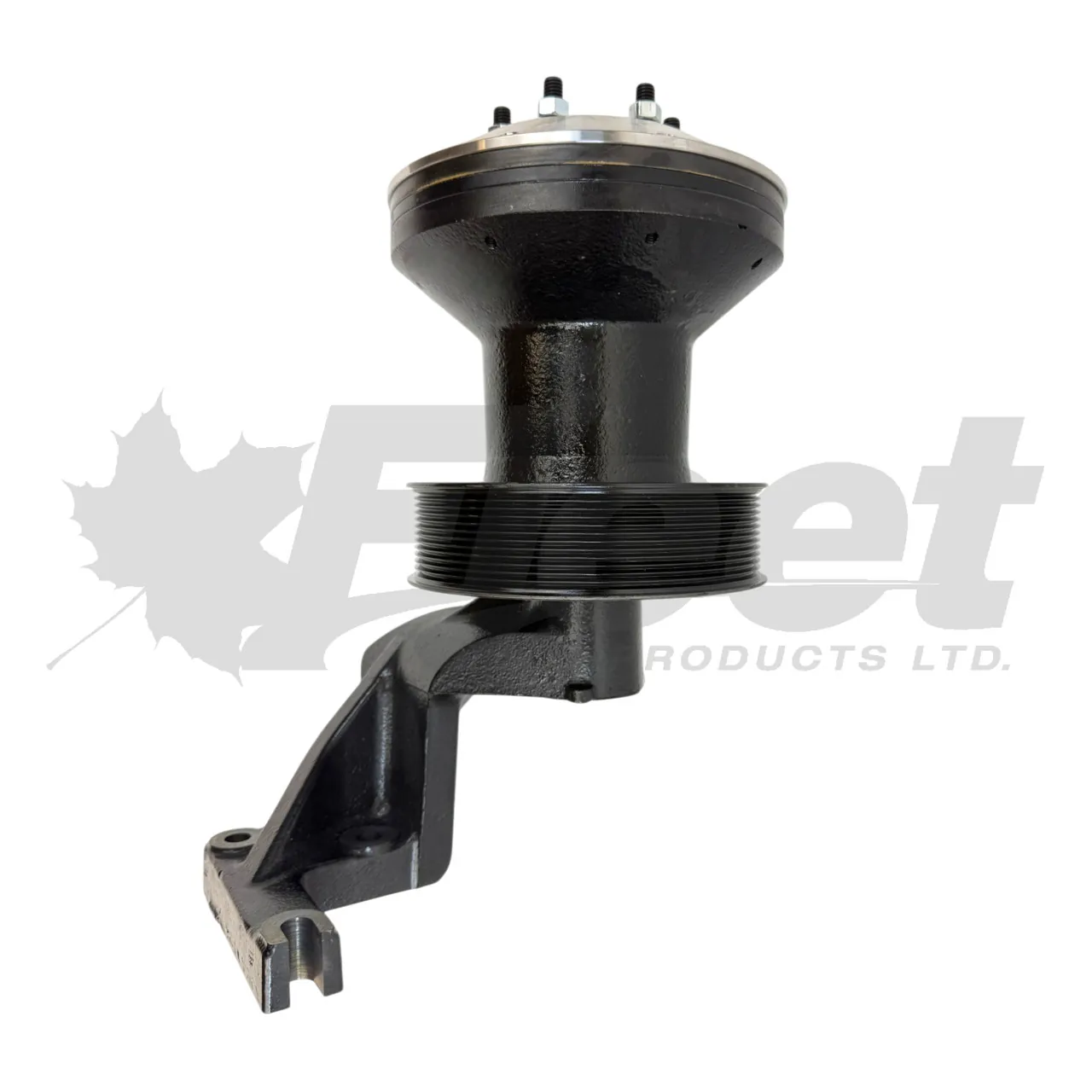
You should maintain a regular inspection schedule to catch small issues before they stop your truck on the highway. The following table helps you manage the health of your cooling system by comparing common habits to better alternatives.
| If you’re doing this | Do this instead | Why |
|---|---|---|
| Ignoring fan noise | Inspect clutch hubs daily | Prevents total mechanical failure |
| Over-tightening air fittings | Use proper sealant/torque | Stops air leaks and thread damage |
| Patching frayed wires | Replace the entire harness | Prevents intermittent signal loss |
| Waiting for an overheat | Check coolant levels weekly | Protects the clutch from heat stress |
Most drivers ignore the first sign of a failing clutch: a slight metallic rattle during engagement. If you hear this, inspect the hub for axial play immediately.
Always verify your air pressure settings against the manufacturer’s manual.
Frequently asked questions
How long does a fan clutch last on a Cummins ISX?
A fan clutch typically lasts between 300,000 and 500,000 miles, depending on your driving environment and maintenance. Engines operating in dusty or high-heat conditions often experience a shorter lifespan due to frequent engagement. Consult your manufacturer’s maintenance log for specific service intervals.
Is it safe to drive with a fan clutch that stays engaged?
No, driving with a permanently engaged fan clutch reduces fuel economy and strains the water pump and fan assembly. The constant drag consumes extra fuel and can cause fan blades to crack or bearings to seize. This temporary measure leads to expensive repairs if the control issue remains unfixed.
Why does my fan clutch engage and disengage rapidly?
Rapid cycling usually results from a faulty air pressure regulator or a loose electrical connection in the fan control circuit. This inconsistent signaling causes the fan to turn on and off, which wears out the solenoid and friction material. Ensure electrical grounds are clean and air pressure remains stable.
How do I know if the fan clutch is bad?
You can identify a bad fan clutch if the fan fails to engage during a climb or remains locked when the engine is cool. A simple physical check is to spin the fan by hand with the engine off; if it turns freely without resistance, the clutch is likely worn.
Can I repair the internal friction discs?
No, the internal friction discs are sealed inside the clutch assembly and can’t be replaced by a vehicle owner. Most modern fan clutches are sealed units that require complete replacement if internal components wear out. Attempting to open the housing voids the warranty and makes reassembly impossible.
Conclusion
The performance of your cooling system is critical for engine longevity. By keeping the air lines clear and the electrical connections clean, you can avoid the most common causes of fan failure and keep your engine running at the proper temperature.