Have you ever flipped a three way switch only to find your lights not working as expected? It can be frustrating and confusing when the switches don’t do what they’re supposed to.
But don’t worry—you’re not alone, and fixing this issue might be simpler than you think. In this guide, you’ll discover easy steps to troubleshoot your three way switch problems. By the end, you’ll feel confident identifying and solving common issues, saving you time, money, and stress.
Keep reading to light up your home the right way!
How Three Way Switches Work
Understanding how three way switches work helps with troubleshooting electrical issues. These switches control a light from two different locations. This setup is common in hallways, staircases, and large rooms. Knowing the basics makes it easier to fix problems and replace parts safely.
Basic Wiring Setup
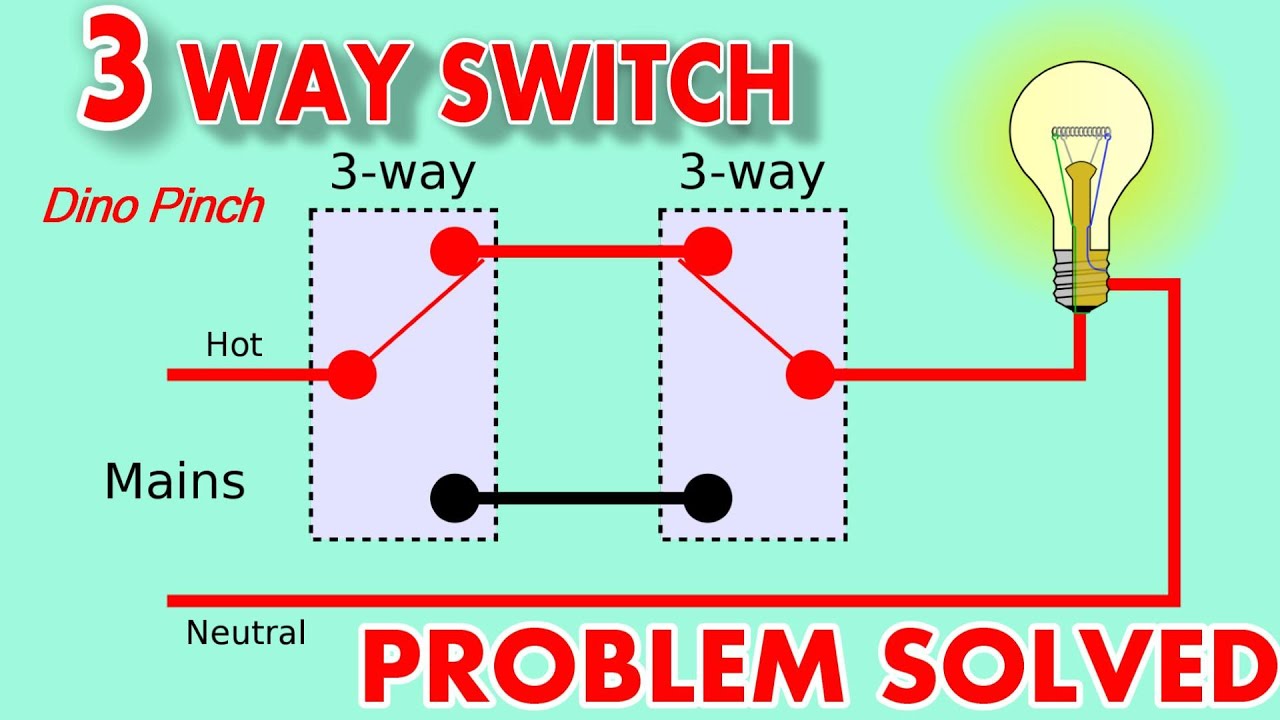
A three way switch setup uses two switches and one light fixture. A traveler wire connects the switches. These traveler wires carry current between switches. The power source connects to the first switch. The light connects to the second switch. This creates a loop that allows control from both switches.
Switch Components
Each three way switch has three terminals. Two traveler terminals connect to traveler wires. One common terminal connects to the power or light wire. A switch flips the connection between traveler terminals. This changes the circuit path and turns the light on or off.
Common Configurations
The most common setup has two three way switches controlling one light. Sometimes, more switches control the same light, using four way switches. Wiring can differ, but the main idea stays the same. Each switch changes the flow of electricity to the light fixture.

Identifying Common Problems
Identifying common problems in three-way switch setups helps fix issues quickly. These switches control one light from two locations. Problems can stop the light from working properly. Knowing what to check saves time and effort.
Switch Not Controlling Light
Sometimes a switch stops turning the light on or off. This can happen if the wiring is loose or broken. A faulty switch can also cause this issue. Testing the switch with a voltage tester shows if it works. Tightening wires or replacing the switch often solves the problem.
Light Flickering Or Dim
A flickering or dim light signals a poor connection. Loose wires or bad contacts inside the switch may cause this. The bulb might also be old or faulty. Checking the bulb and tightening all connections usually fixes flickering. Dim lights often mean voltage issues or a weak bulb.
Switch Feels Hot
A hot switch is a warning sign. It can mean the switch is overloaded or has a bad connection. Heat builds up when electricity flows through poor contacts. Turn off power before touching the switch. Replace the switch if it feels warm to prevent fire risk.
Unusual Sounds Or Smells
Buzzing sounds or burning smells near the switch are serious problems. They often mean loose wiring or damaged parts. These issues can cause electrical shocks or fires. Turn off power and inspect the switch. Call a professional if unsure about safety or repairs.
Tools Needed For Troubleshooting
Troubleshooting a three way switch requires the right tools. These tools help find problems safely and quickly. Each tool plays a key role in the process. Using the right tools can save time and avoid mistakes.
Voltage Tester
A voltage tester checks if electricity flows in the wires. It helps ensure wires are safe to touch. This tool shows if a wire is live or dead. It is small and easy to use. Always test wires before touching them.
Screwdrivers
Screwdrivers remove and tighten screws on switch plates and terminals. A flathead and a Phillips screwdriver are most common. They help open switch boxes carefully. Good screwdrivers fit well and do not slip. This prevents damage to screws and switches.
Wire Strippers
Wire strippers remove insulation from electrical wires. They expose the metal wire for testing or connecting. Using wire strippers avoids cutting or damaging the wire. They come in different sizes for various wire gauges. Proper stripping helps make good electrical connections.
Multimeter
A multimeter measures voltage, current, and resistance in circuits. It gives detailed information about switch problems. It can test continuity to check if wires connect properly. Multimeters are very useful for accurate troubleshooting. Learning to use a multimeter improves repair skills.
Step-by-step Troubleshooting Process
Troubleshooting a three-way switch can seem tricky. Follow a clear, step-by-step process to find the problem. This method helps you fix the issue safely and quickly. Each step focuses on a different part of the circuit. Check each part carefully before moving on. The process covers power safety, wiring, switch testing, fixture checks, and breaker status.
Turn Off Power Safely
Always start by turning off the power at the breaker box. This prevents electric shocks and accidents. Use a voltage tester to ensure the power is off. Never work on wires with power on. Safety first to avoid serious injury.
Inspect Switch Wiring
Remove the switch cover to see the wires. Look for loose or disconnected wires. Check for worn or damaged insulation. Tighten any loose connections with a screwdriver. Confirm the wires match the switch terminals correctly.
Test Switch Functionality
Use a multimeter or a continuity tester on the switch terminals. Flip the switch and watch for changes in readings. A faulty switch will show no continuity or inconsistent results. Replace the switch if it does not work properly.
Check Light Fixture And Bulbs
Inspect the light fixture for damage or loose parts. Remove bulbs and test them in another socket. Replace any burned-out or broken bulbs. Clean the fixture contacts if they are dirty or corroded.
Verify Circuit Breaker Status
Look at the breaker panel for any tripped breakers. Reset any breaker that is off or tripped. A breaker may trip due to overload or short circuits. If it trips again, call a professional electrician.
Fixes For Common Issues
Three way switch problems often stem from simple issues. Fixing these can restore your light control quickly. This section covers common fixes anyone can try safely.
Tightening Loose Connections
Loose wires cause flickering or no light at all. Turn off power before checking connections. Tighten all screws on the switch terminals. Make sure wires are secure and not damaged. Loose connections often solve the issue without extra parts.
Replacing Faulty Switches
Switches wear out after years of use. A faulty switch can stop the circuit from working. Remove the old switch carefully. Match it with a new three way switch of the same type. Install the new switch and test the lights immediately.
Correcting Miswired Switches
Incorrect wiring causes strange behavior in lights. Check the wiring diagram for your three way switch. Identify the common and traveler wires correctly. Rearrange wires on the switch terminals as per the diagram. Proper wiring restores normal switch function.
Upgrading Old Wiring
Old wires may not support modern electrical demands. Replace damaged or outdated wiring with new cables. Use wires rated for your electrical load. Upgrading wiring improves safety and switch performance. Consult an electrician if unsure about wiring work.
Preventive Tips For Switch Longevity
Keeping a three-way switch in good condition saves time and money. Simple care steps help the switch last longer. These steps reduce the chance of faults and keep your home safe.
Regular Inspection
Check switches every few months for signs of wear. Look for cracks, loose parts, or unusual sounds. Early detection of problems prevents bigger issues.
Avoid Overloading Circuits
Do not connect too many devices to one switch. Overloading causes heat and damages switch parts. Spread electrical load across different circuits to avoid strain.
Use Quality Components
Choose switches and wires from trusted brands. Cheap parts wear out quickly and may cause faults. High-quality components ensure safety and longer switch life.

Frequently Asked Questions
What Is A Three Way Switch And How Does It Work?
A three way switch controls one light from two places. It uses two switches connected by traveler wires. This allows you to turn the light on or off from either switch.
Why Is My Three Way Switch Not Working Properly?
Common issues include loose wires or faulty switches. Check connections and tighten any loose screws. Sometimes, replacing a bad switch fixes the problem.
How Can I Test A Three Way Switch Safely?
Turn off power at the breaker before testing. Use a voltage tester to check for live wires. Always follow safety rules to avoid shocks.
What Tools Do I Need For Three Way Switch Troubleshooting?
You will need a screwdriver, voltage tester, and wire stripper. A continuity tester helps check if wires connect properly. These tools make troubleshooting easier and safer.
Can A Bad Three Way Switch Cause Flickering Lights?
Yes, a faulty switch can cause flickering or dim lights. Loose connections inside the switch often cause this issue. Replacing the switch usually stops the flicker.
Conclusion
Troubleshooting a three-way switch can feel tricky at first. Step-by-step checks help find the problem fast. Testing wires and connections is key. Always turn off power before starting work. Simple tools like a voltage tester make a big difference. Patience and careful observation lead to success.
Fixing switches yourself saves time and money. Keep safety as your top priority throughout. With practice, this task becomes easier each time. You now have a clear path to solve common switch issues.