Is your gas heater pilot light flickering, dim, or won’t stay on? You’re not alone—and the good news is, this problem is often easier to fix than you might think.
Your pilot light is the tiny flame that keeps your heater working, and when it acts up, your home can quickly feel cold and uncomfortable. But before you call a technician, there are simple steps you can take to troubleshoot the issue yourself.
Keep reading, and you’ll discover clear, easy solutions to get your gas heater’s pilot light glowing strong again—so you can stay warm and worry-free.

Common Pilot Light Issues
Gas heater pilot lights are small flames that keep your heater ready to work. These flames can face common problems that stop your heater from working well. Knowing these issues helps you fix the heater fast and stay warm.
Pilot Light Won’t Stay Lit
This issue happens when the pilot light goes out soon after lighting. It may be due to a dirty pilot tube or a faulty thermocouple. The thermocouple senses heat and keeps the gas flowing. If it is broken, the gas shuts off for safety. Cleaning the pilot tube or replacing the thermocouple often solves this problem.
Pilot Light Is Weak Or Flickering
A weak or flickering pilot light means the flame is not steady or bright. This can happen because of dirt, dust, or a clogged burner. Low gas pressure or wind drafts near the heater also cause flickering. Cleaning the burner and checking for gas flow improves the flame strength and steadiness.
Pilot Light Won’t Ignite
Sometimes, the pilot light will not light at all. This problem can come from a gas supply issue or a broken igniter. If the gas valve is closed or blocked, no gas reaches the pilot. A damaged igniter fails to create the spark needed to light the flame. Checking the gas valve and testing the igniter helps identify the cause.
Safety First
Safety is the top priority when dealing with gas heater pilot lights. Mistakes can cause serious harm. Taking simple safety steps protects your home and family. Follow clear, careful instructions. Stay alert to any warning signs of trouble. Always act with caution.
Checking For Gas Leaks
Gas leaks are dangerous and must be found quickly. Smell for a strong, rotten egg odor near the heater. Use a soap-water mix on pipes and connections. Bubbles show a leak. Never use a flame to check. Turn off the gas supply if you find a leak. Call a professional for repairs immediately.
Proper Ventilation Tips
Good airflow stops carbon monoxide buildup. Keep vents and chimneys clear of blockages. Open windows slightly if the room feels stuffy. Avoid using the heater in small, closed spaces. Check vents regularly for dirt or debris. Proper ventilation keeps air fresh and safe.
Tools You’ll Need
Fixing a gas heater pilot light needs the right tools. These tools help you check and fix problems safely. Prepare all before starting your work.
Adjustable Wrench
This tool helps you tighten or loosen gas connections. It fits different sizes of nuts and bolts. Use it carefully to avoid damage.
Long Lighter Or Matchstick
A long lighter or matchstick helps you light the pilot safely. It keeps your hand far from the flame. Choose one with a long handle for safety.
Screwdriver Set
You need a screwdriver to open panels or adjust screws. A set with flathead and Phillips head covers most needs. Use the right size to avoid slipping.
Multimeter
A multimeter tests electrical parts like the thermocouple. It checks if parts get power correctly. This tool helps find hidden electrical issues.
Wire Brush
A wire brush cleans dirt from the pilot assembly. It removes soot and rust buildup. Cleaning helps the pilot light work better.
Step-by-step Fixes
Troubleshooting a gas heater pilot light can be simple with the right steps. This section breaks down easy fixes. Follow each step carefully for safety and success.
Relighting The Pilot Light
Turn off the gas supply first. Wait five minutes to clear any gas. Locate the pilot light knob on your heater. Press and hold the knob while lighting the pilot with a match or lighter. Keep holding the knob for 30 seconds after the flame stays lit. Release the knob slowly. The pilot light should remain on. If it goes out, repeat the process once more.
Cleaning The Pilot Orifice
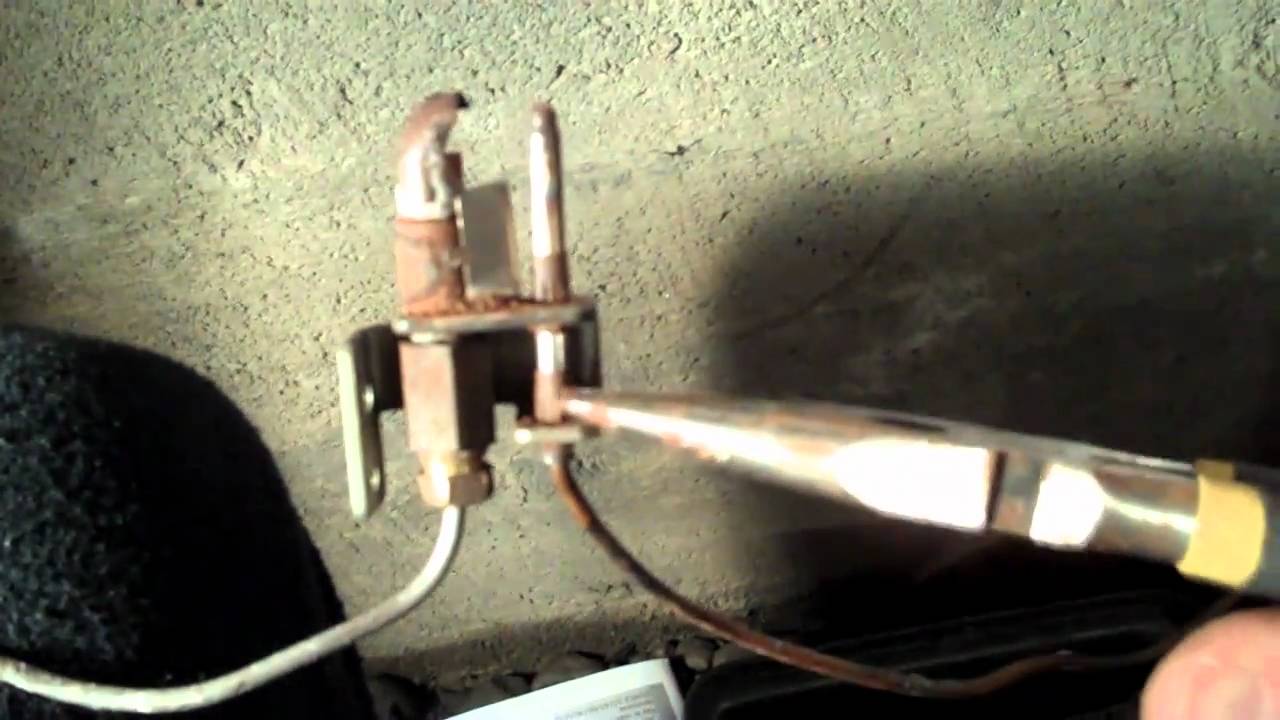
Turn off the gas and let the heater cool. Find the pilot orifice, a small hole where gas flows. Use a soft brush or compressed air to clear dirt and dust. Avoid using sharp objects to prevent damage. Cleaning the orifice helps the gas flow evenly. This can fix weak or no flames in the pilot light. After cleaning, try relighting the pilot light again.
Adjusting The Thermocouple
The thermocouple senses the pilot flame and controls gas flow. If it’s out of place, the pilot light may go out. Check if the thermocouple tip is near the pilot flame. Gently bend the metal arm to adjust its position. It should be close but not touching the flame. Tighten any loose connections at the thermocouple base. Proper adjustment helps keep the pilot light steady.
Replacing The Pilot Light Assembly
A damaged pilot light assembly causes constant problems. Turn off the gas supply and unplug the heater. Remove the old pilot assembly carefully. Buy a replacement part that fits your heater model. Install the new assembly by connecting wires and screws securely. Test the pilot light after installation. If it still fails, professional help may be needed.
When To Call A Professional
Knowing when to call a professional for gas heater pilot light issues is important. Some problems are too complex and risky to handle alone. A trained technician can ensure safety and fix problems correctly. Don’t wait too long to get expert help. Early action can prevent bigger damage and keep your home safe.
Signs Of Serious Problems
Persistent pilot light outages signal a serious issue. Strange smells near the heater could mean a gas leak. Yellow or flickering flames mean incomplete combustion. Loud noises or clicking sounds might show mechanical faults. Carbon monoxide alarms going off demand immediate attention. These signs need professional inspection without delay.
Avoiding Common Diy Mistakes
Trying to fix gas heater problems without skills is risky. Ignoring safety rules can cause gas leaks or fires. Using wrong tools can damage parts or worsen the issue. Over-tightening connections may break components. Failing to turn off the gas before repairs is dangerous. Professionals have the right tools and training to avoid these errors.
Maintenance Tips To Prevent Issues
Proper maintenance helps keep your gas heater pilot light working well. Small steps prevent big problems. Regular care saves money and keeps your home safe. Follow these simple tips to avoid common issues with your pilot light.
Regular Cleaning Schedule
Dust and dirt can block the pilot light. Clean the area around the pilot light every few months. Use a soft brush or cloth to remove debris. Avoid using water or harsh chemicals near the pilot light. Clean parts help the flame burn steady and bright.
Checking Connections
Loose or damaged connections cause pilot light problems. Inspect the gas line and wiring regularly. Tighten any loose fittings with a wrench. Look for cracks or wear on wires. Fix or replace damaged parts quickly. Safe connections keep your heater running smoothly.
Seasonal Preparations
Prepare your gas heater before cold seasons. Check the pilot light in early autumn. Test the flame to ensure it stays lit. Clear any nearby obstructions from leaves or dust. Turning on the heater early helps spot problems. Avoid last-minute repairs during cold weather.
Frequently Asked Questions
Why Won’t My Gas Heater Pilot Light Stay Lit?
A dirty or blocked pilot tube often causes the pilot light to go out. Check for dirt or debris and clean it gently. Also, a faulty thermocouple might need replacement.
How Do I Relight A Gas Heater Pilot Light Safely?
Turn off the gas and wait five minutes before lighting. Use a long lighter or match near the pilot light opening. Follow the heater’s manual instructions carefully.
What Causes A Weak Or Flickering Pilot Light?
A weak pilot flame may result from low gas pressure or a dirty pilot orifice. Cleaning the pilot orifice and checking gas supply can help fix this issue.
Can A Faulty Thermocouple Stop The Pilot Light?
Yes, a bad thermocouple can prevent the pilot light from staying on. It detects the flame and controls gas flow. Replacing it often solves the problem.
When Should I Call A Professional For Pilot Light Issues?
Call a technician if you smell gas or the pilot light won’t light after several tries. Also, seek help if you don’t feel confident handling the heater safely.
Conclusion
Troubleshooting your gas heater pilot light can save time and money. Check common issues like dirt, gas flow, and thermocouple problems first. Always follow safety steps to avoid accidents. Regular maintenance keeps your heater working well through cold months. Simple fixes often restore warmth quickly and safely.
Stay calm, take small steps, and your heater should run smoothly again.